The content in this preview is based on the last saved version of your email - any changes made to your email that have not been saved will not be shown in this preview.
X Share This Email
LinkedIn Share This Email
Instagram

FSF Website | What's New | Publications | Events | FSF Blog


Perspectives from FSF Scholars

March 12, 2026


The Growing Importance of Telecommunications in AI


by


Joseph V. Kennedy *

Below is the Introduction and Summary to this new Free State Foundation Perspectives. The complete Perspectives, including the footnotes, is here.


I.               Introduction and Summary


Ever since the introduction of ChatGPT in November 2022, both the supply and demand for artificial intelligence (AI) have increased geometrically. Although there is significant disagreement over many aspects of AI, including its effect on jobs, economic growth, and the broader society, few people doubt that it will have a profound effect on our lives. And few should doubt that maintaining high-capacity, robust, reliable, and secure telecommunications networks will be essential to maintaining America's AI leadership.


Commentators have spent a great deal of energy trying to predict AI’s impact on specific economic sectors, including, for example, health care, education, material sciences, and financial management. However, less attention has been given to the other direction of causation – the critical role of America's infrastructure networks, especially telecommunications networks, in maintaining high-performing AI services. Telecommunications networks increasingly are foundational elements undergirding virtually all economic activity. In order for AI services to perform efficiently and effectively, other extensive infrastructure networks, including those for electricity, water, and transportation, must also increase their reliance on telecommunications providers' continuous and secure transmission of increasing amounts of data. Therefore, it is incumbent upon policymakers to ensure that America's telecom networks are robust and resilient enough to support these sectors.


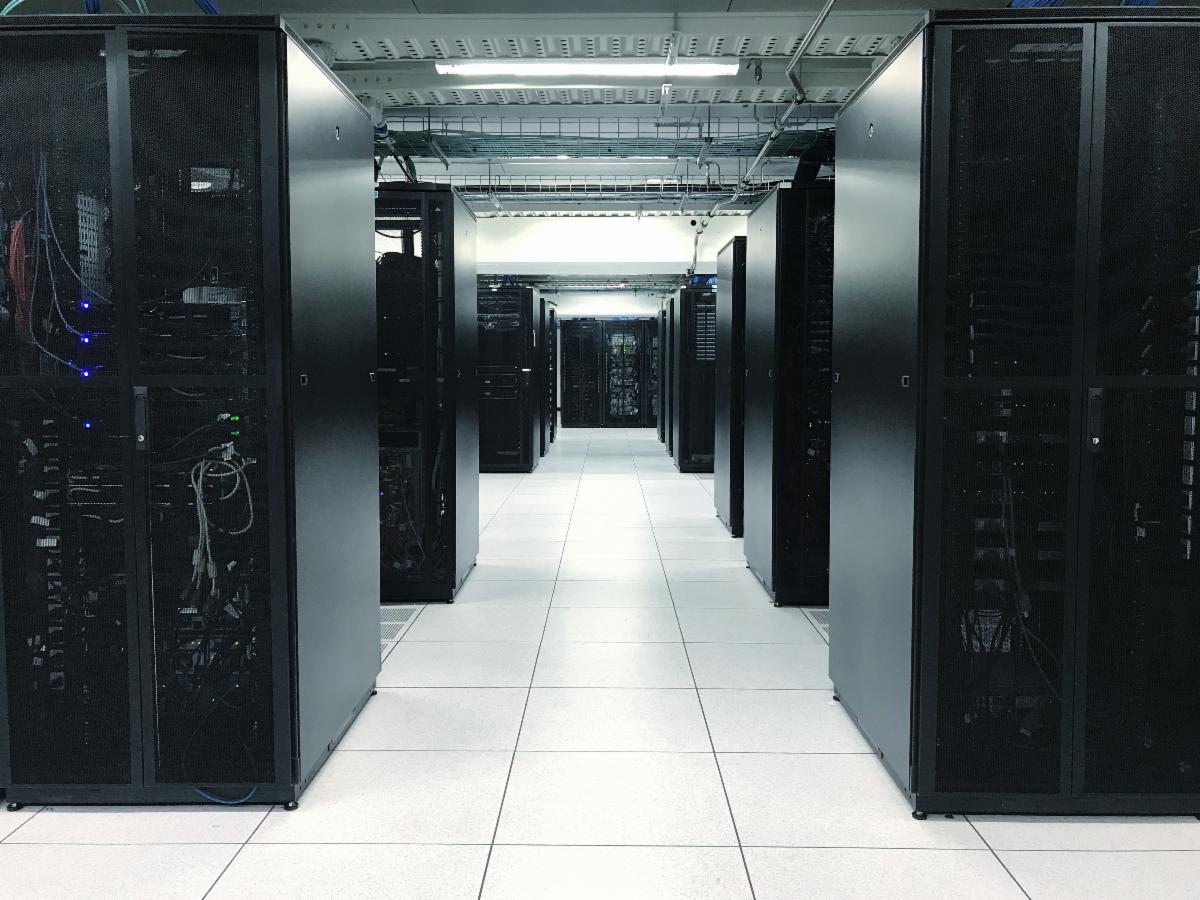
A healthy AI sector requires the transmission of incredible amounts of data with low latency in order to train the models. It also demands enormous amounts of electricity, which needs to be transmitted from where power is generated to the massive data farms that house the computer models. The power grid also provides the vast amounts of computing power needed to analyze data. AI systems also need access to a significant amount of water to cool the computers. Finally, smart transportation networks offer many potential benefits like autonomous vehicles, predictive maintenance, and automatic tolling. But like electricity and water, smart transportation networks depend on the constant flow of accurate, secure information on a real-time basis.

Policymakers should be cognizant of this interdependence. Like the computer chips that analyze data, telecommunications networks generate great value to AI platforms. Regardless of their effect on the broader economy and society, AI services will continue to be dependent on the availability of ample computing power, electricity, and water – again, each of which, in turn, requires telecommunications networks to deliver a constant flow of data.


The relationship between telecommunications and AI is therefore two-sided. AI is dependent on robust and secure telecommunications networks, and, in the other direction, use of AI services will lead to significant increases in value and efficiency for the telecom sector. To ensure that telecommunications networks are able to provide all the elements of the AI ecosystem with the capacity needed for growth, along with the sophisticated ancillary services that are part and parcel of advanced communications networks, policymakers must ensure that light-handed regulatory policies are in place that spur continued broadband investment and applications and services innovation.


* Joseph Kennedy is Director of Policy Studies and Senior Fellow of the Free State Foundation, an independentnonpartisan free market-oriented think tank located in Potomac, Maryland. The views expressed in this Perspectives do not necessarily reflect the views of others on the staff of the Free State Foundation or those affiliated with it.


A PDF of this Perspectives, with Further Readings, is here.

In case you missed it...please see:


FSF POSITIONS AVAILABLE


Senior Fellow and Research Fellows

If you value the Free State Foundation's consistent thoughtful advocacy promoting free market, free speech, limited government, and rule of law policies, please consider partnering with us by making a tax-deductible donation to support it! We are truly grateful for all donations that support our work, no matter how small. You may donate via PayPal or by credit card.


Or click here for instructions for mailing a tax-deductible donation, a Qualified Charitable Distribution (QCD) from your retirement account, or a donation from your Donor Advised Fund (DAF).


PLEASE REMEMBER: You can make a Qualified Charitable Distribution (QCD) from your retirement account or a donation from your Donor Advised Fund (DAF) because FSF is a tax-exempt Section 501(c)(3) organization!

X Share This Email
LinkedIn Share This Email
Instagram

The Free State Foundation

P. O. Box 60680 

Potomac, MD 20854


www.freestatefoundation.org


Email Us

For information on making a tax-deductible donation, click here!

Instagram  Facebook  X

A Free Market Think Tank for Maryland......Because Ideas Matters and FSF are registered trademarks of the Free State Foundation.

All trademark and copyright rights are reserved.