|
Hamilton County Storm Water
District E-Newsletter
Fall 2023 Edition
| |
Quarterly News & Updates from your Partners at the
Hamilton County Storm Water District
| | |
|
Featured Co-Permittee:
Anderson Township -
Flood Bypass Basin Project
| | The Problem: Clough Creek | |
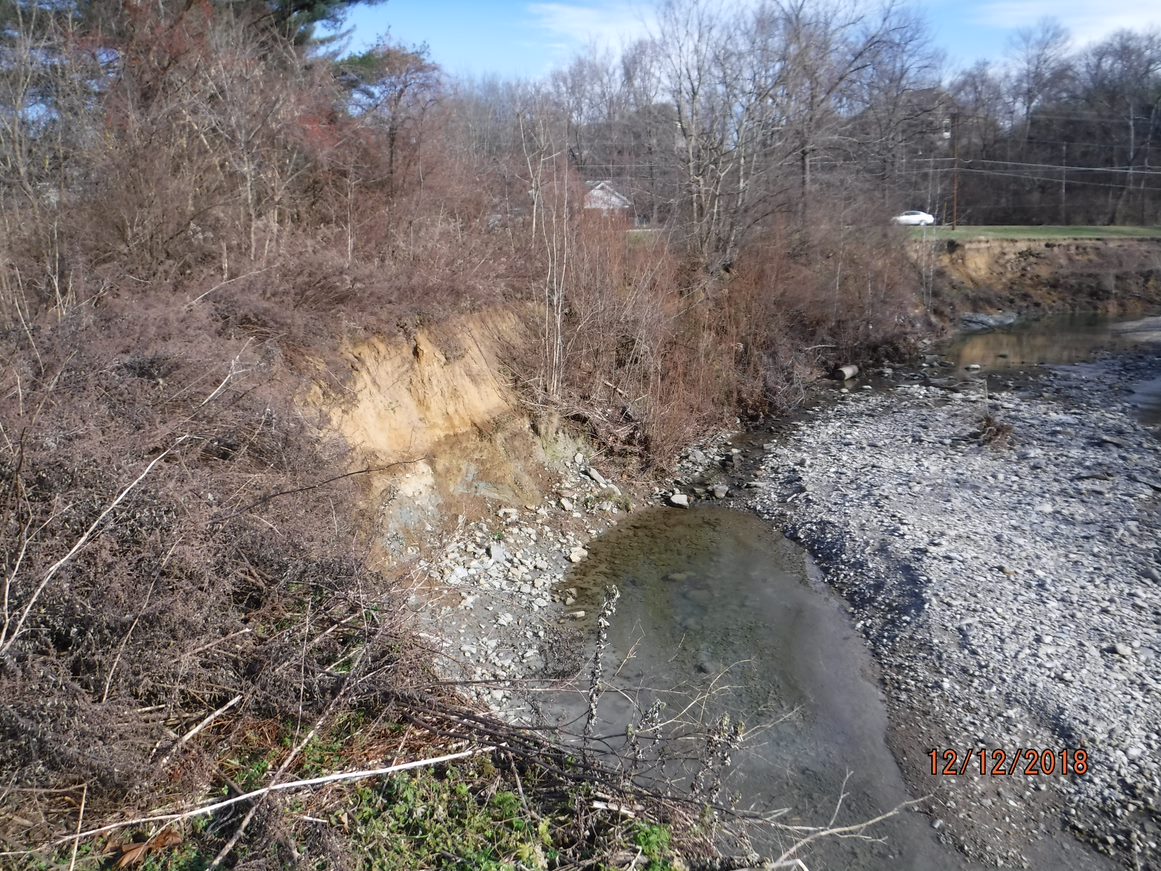
Clough Creek winds its way through Anderson Township for 5.7 miles before emptying into the Little Miami River. It's 3,976 acre watershed is the largest in the township and includes the majority of the Beechmont Avenue corridor and center part of the Township. Steve Sievers, Assistant Township Administrator for Operations, tell us that 90% of this area is developed to some degree, with the vast majority of that development put in prior to the implementation of Hamilton County storm water control measures. This, combined with the hilly topography and poorly draining soil types, funnels incredibly high volumes of runoff into the creek during rain storms, causing some major erosion issues.
| | |
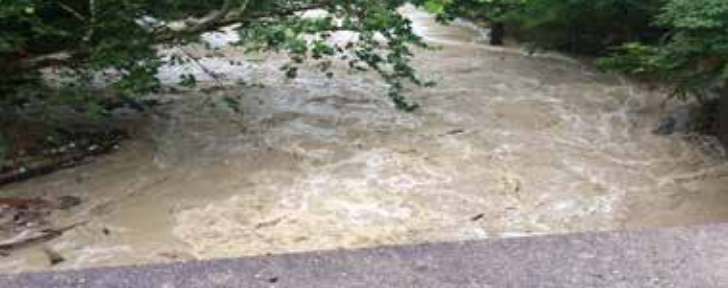
With the increasing frequency of heavy rain storms, anyone driving by could see the high water rushing down the stream channel during one of these rain events. This raised some concerns, so to avoid issues with flooding, erosion, water quality, and infrastructure, the township determined that mitigating the volume of water in Clough Creek needed to be a priority. "By helping reduce downstream erosion, we will hopefully reduce the amount of land being consumed into the creek moving forward", says Steve. Along with protecting existing properties and ecological value, this would allow future projects to happen, such as a sidewalk connection to the business district, for example.
| | One Piece of the Puzzle: Bypass Basin Project Design and Implementation | | |
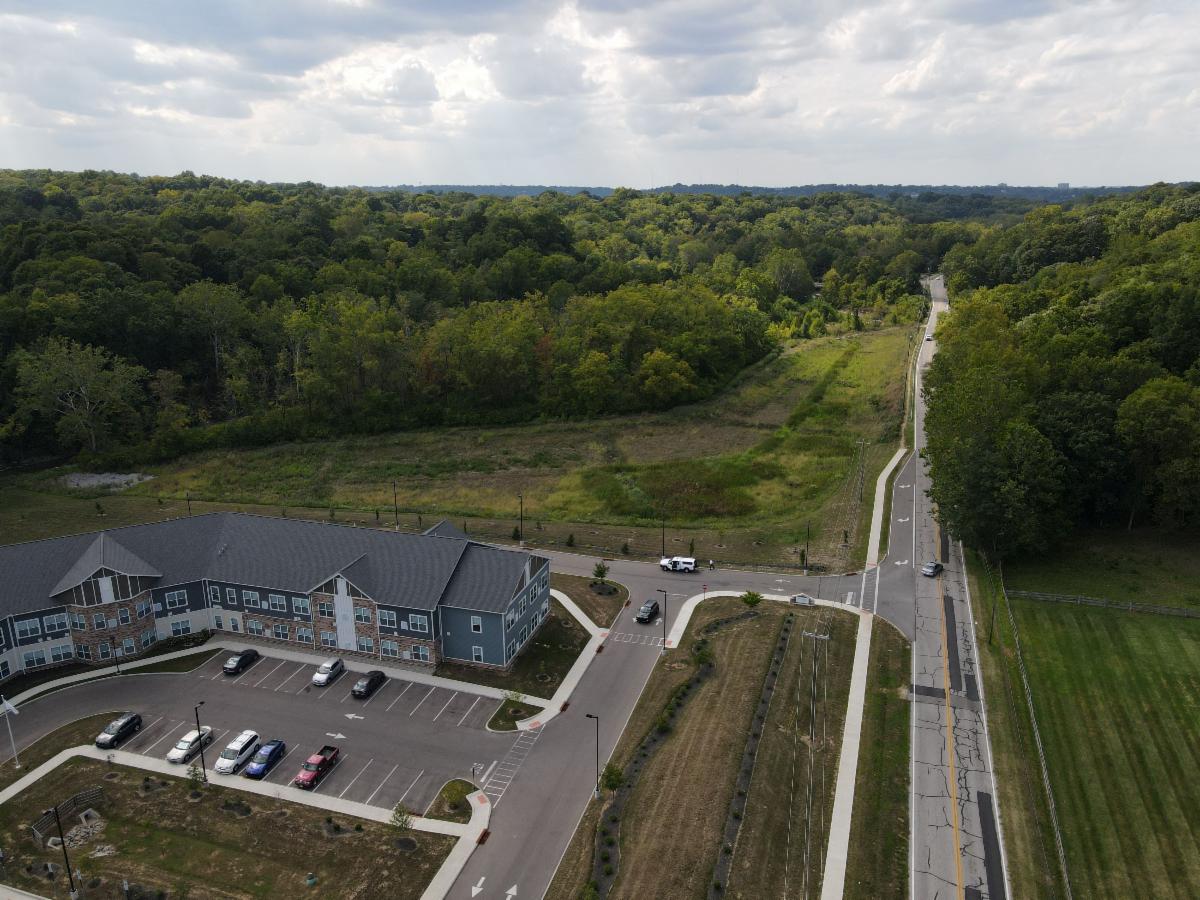
The project location was chosen because the parcel was not very suitable for development and it had been farmed, so there weren't any old growth trees that would be removed. It also made sense economically. An adjacent development used the soil dug out to form the basin as fill for their project, reducing the amount of soil being hauled out. Since the developer and Township were cooperating on this project and their new development, there was no cost to the Township.
The basin design was driven by creek elevations at inflow/outflow. Steve tells us how it's been working for them so far. "It hasn’t been utilized like we hoped over the past few years. However, that is also a good thing, as we haven’t had a storm event that caused the creek to rise so rapidly, and high, to fully spill into the basin. However, we strongly believe it’s good to have this in place so it will be there moving forward for events that would have otherwise triggered downstream issues."
| | |
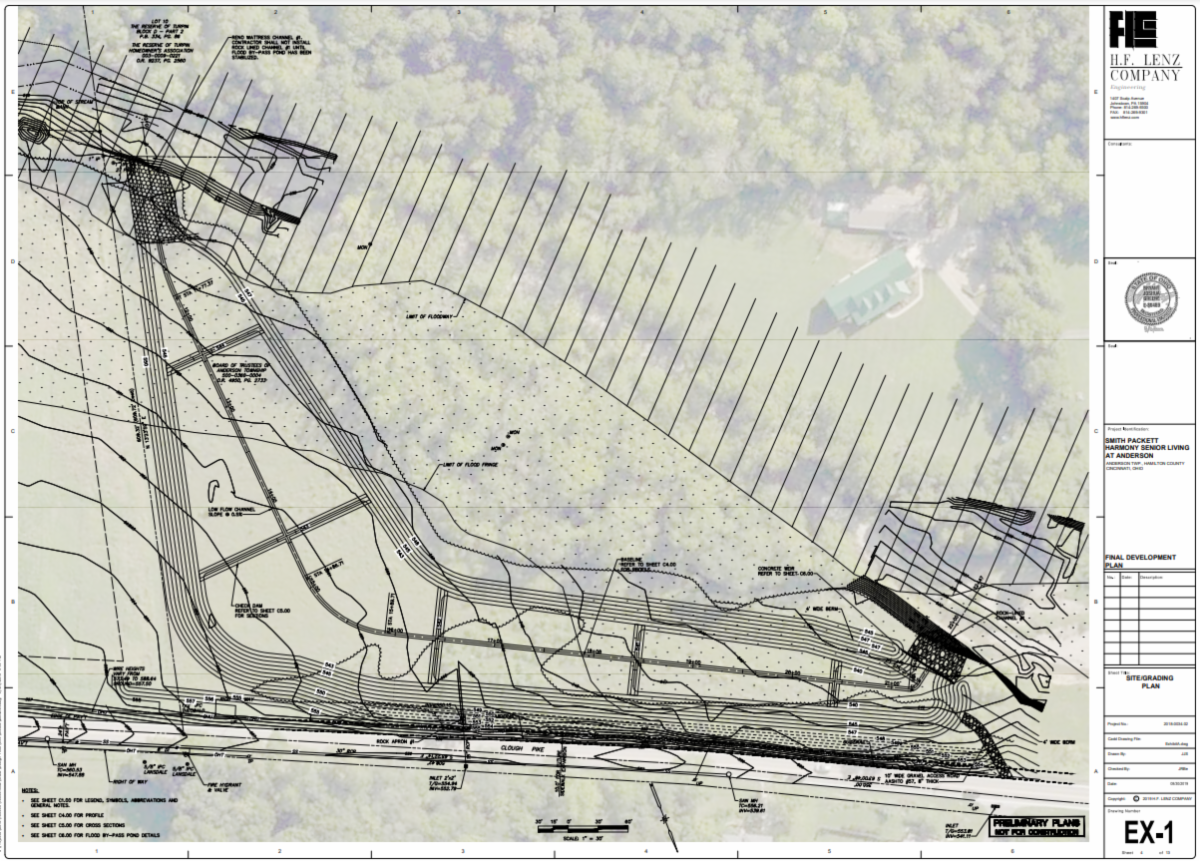
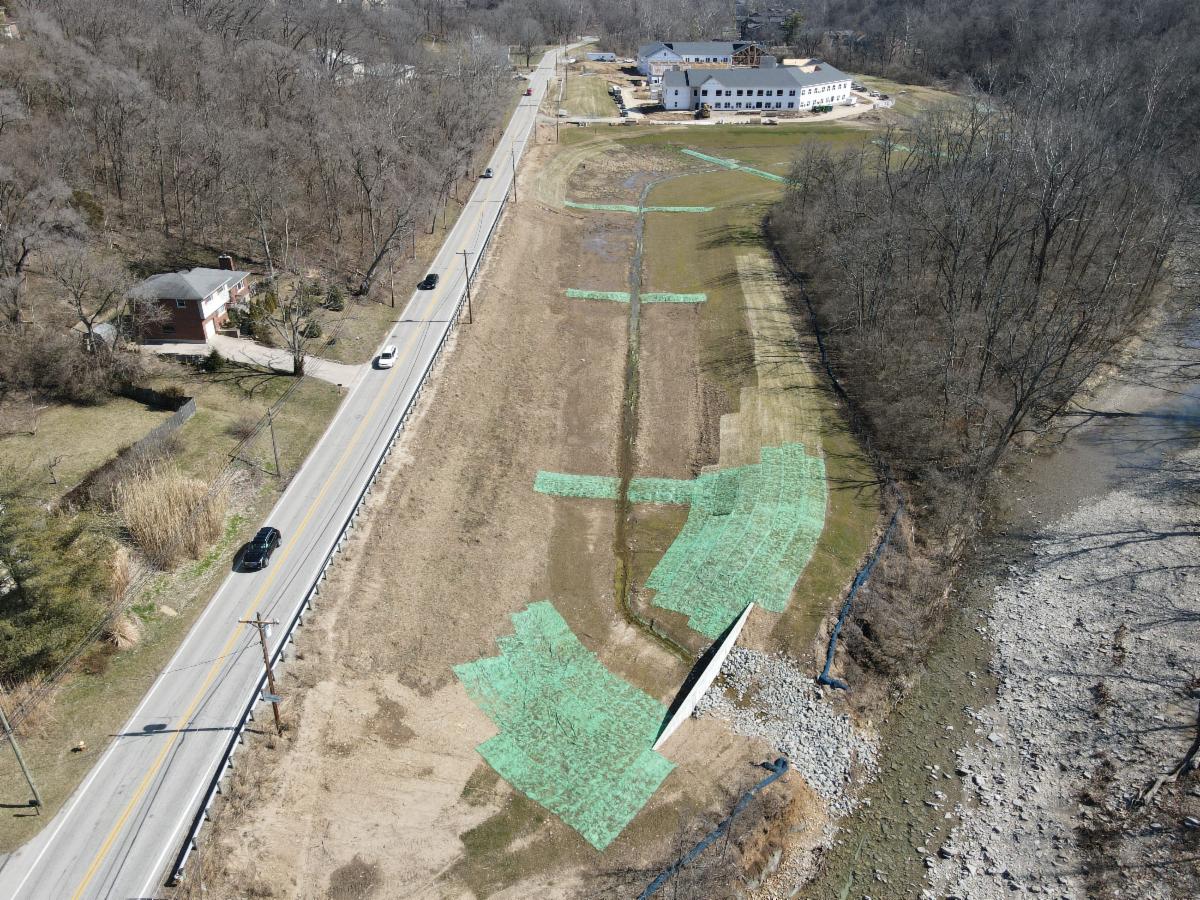
The bypass basin is divided into a series of mini-basins, separated by weirs. As the water level in the creek rises, water will spill into the basin instead of continuing down the creek. The water is held in the basin, allowing it to slowly infiltrate into the soil and slowly make its way back into the creek.
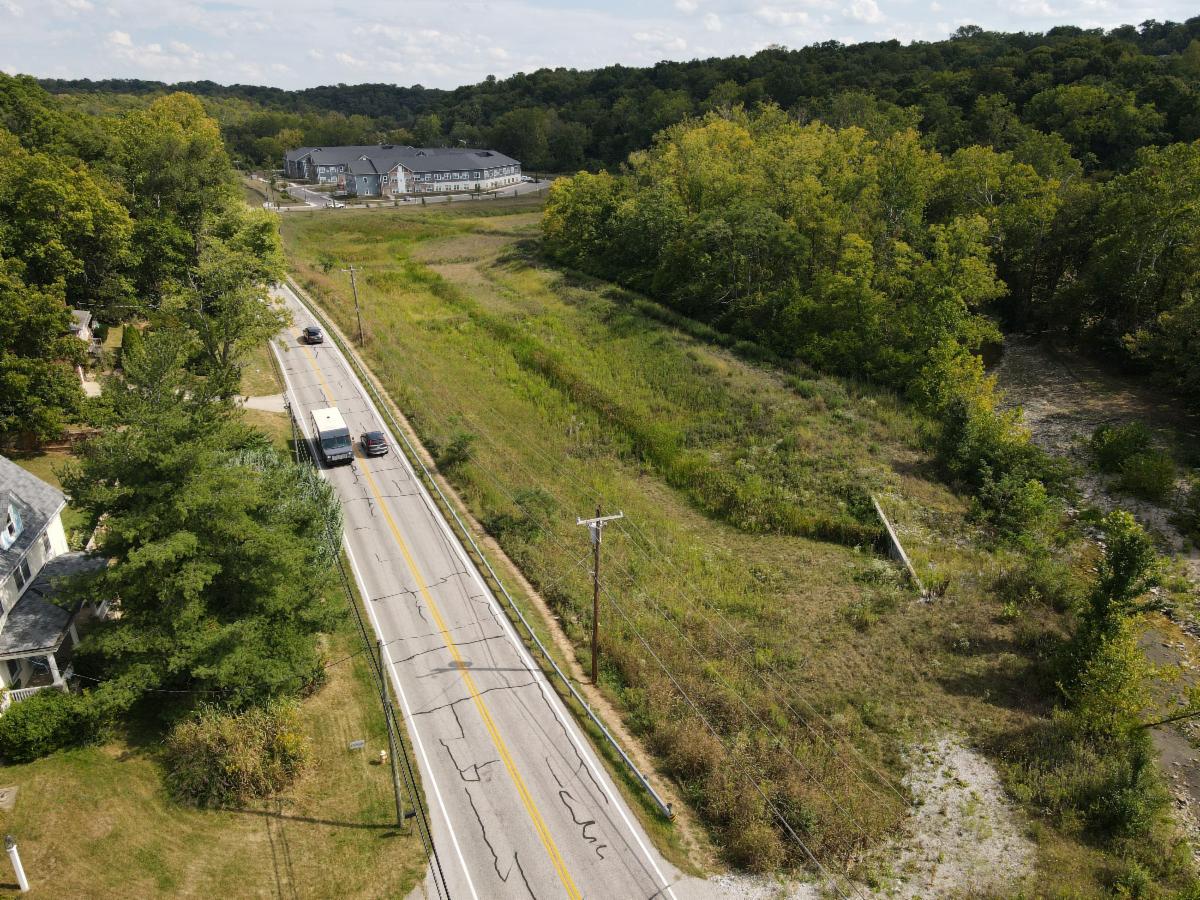
Regular maintenance by the township includes clearing the weir areas to ensure vegetation will not impact the basins operations. The rest of the basin is being allowed to reforest naturally, adding greenspace and increasing the amount of water absorbed.
| | |
This 'green infrastructure' installation is just one piece of a complex puzzle many Hamilton County urban areas are battling. As we continue to develop land, these high volumes of runoff and the issues that come with it only become more prevalent. This project is one step in the right direction and a great example of how cooperation can lead to beneficial projects getting installed.
| | Revised Definition of 'Waters of the United States' effective September 8, 2023 | | The U.S. Environmental Protection Agency (EPA) and Department of the Army announced a final rule amending the 2023 definition of “waters of the United States” (WOTUS) on August 29, 2023. The final rule includes amendments to key components conforming with the U.S. Supreme Court’s May 25, 2023, decision in the case of Sackett v. Environmental Protection Agency, while advancing infrastructure projects, economic opportunities, and agricultural activities. | |
- One of the primary amendments includes the removal of the significant nexus standard when identifying tributaries and other waters as federally protected.
- Another amendment is the clarification that interstate wetlands do not fall within the interstate waters category, and which features can be considered under the "additional waters" category.
- A third change is the revision of the definition of 'adjacent' to mean "having a continuous surface connection". There were no changes to eight exclusions from the definition, including ditches, swales, waterfilled depressions, and others.
| | | | |
More Information
Click here for a short factsheet outlining the changes made.
For more details, including training, jurisdictional determinations and more, visit the Current Implementation page.
| | Stormwater Best Practices | | The Importance of our Storm Sewers | | |
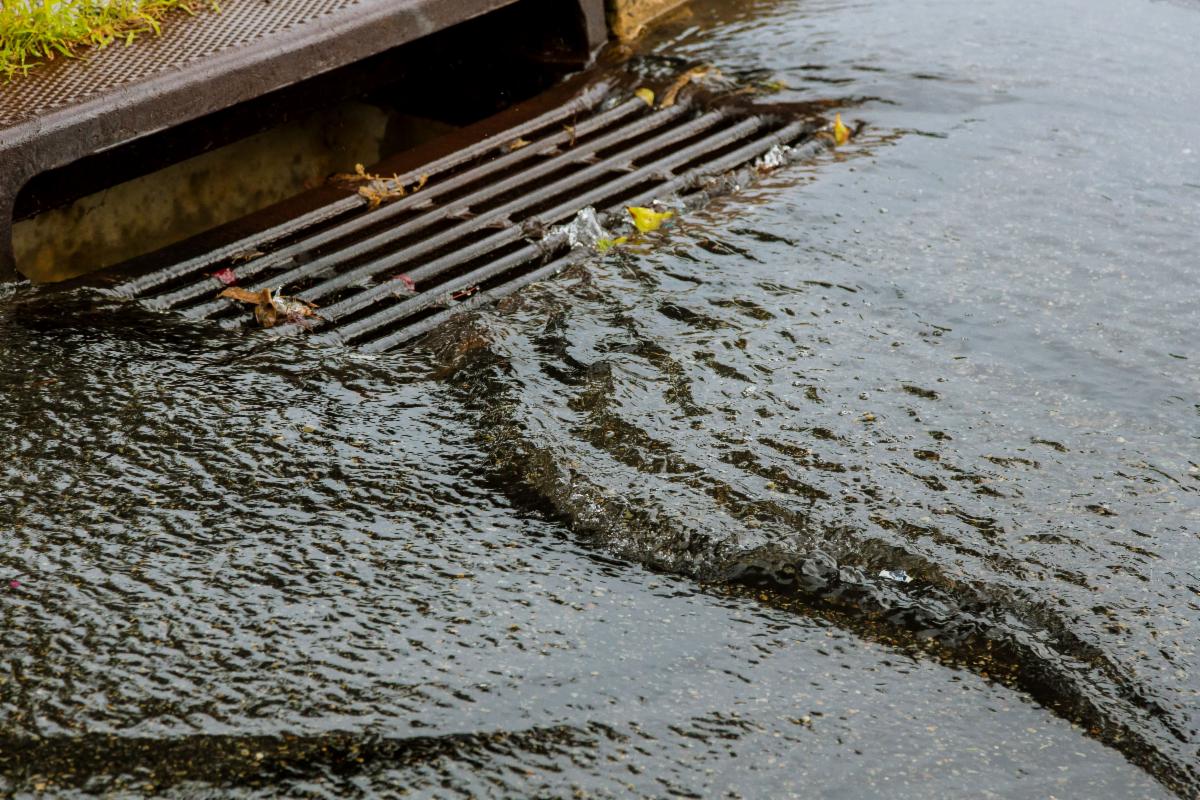
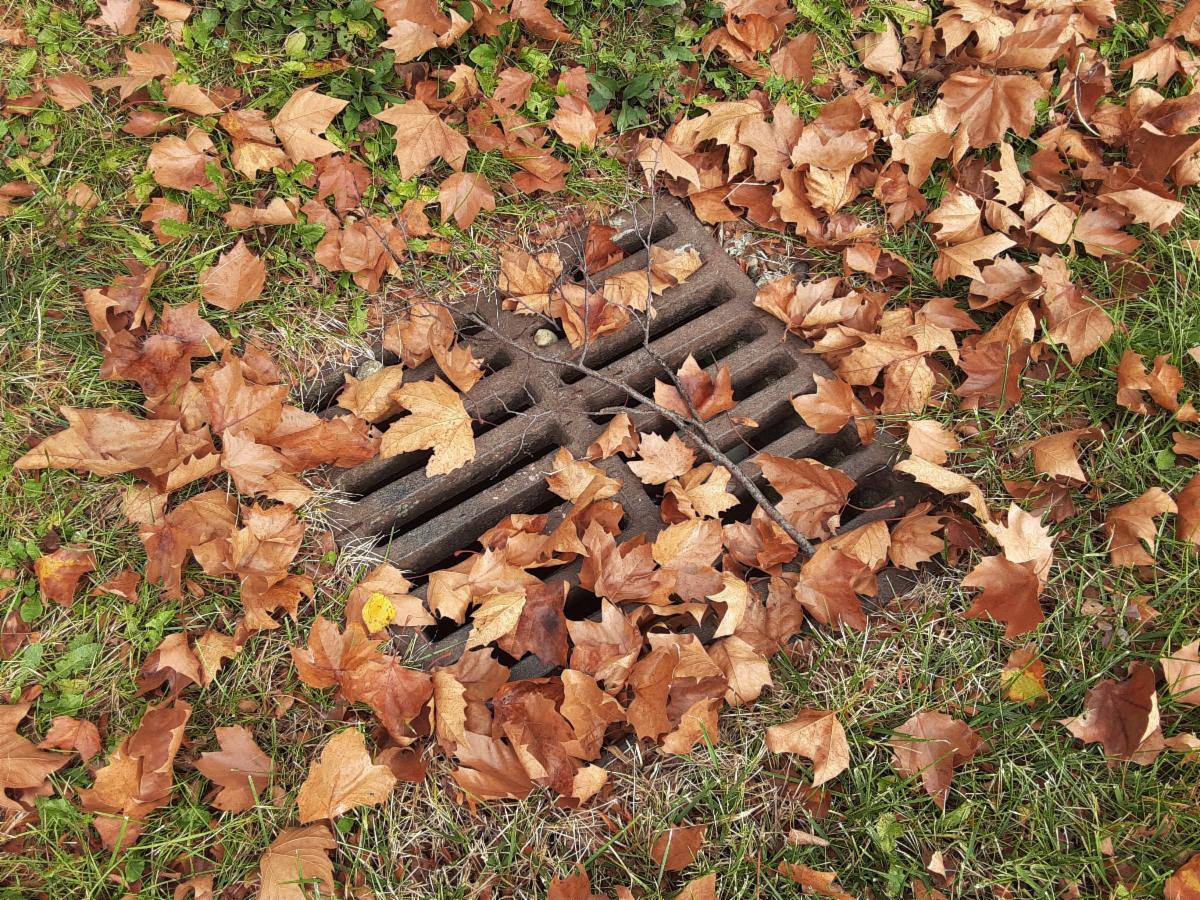
The grate-like openings you see on paved surfaces, along the side of the street near curbs are storm drains! These drains are openings where stormwater is able to enter our storm sewer system. Storm sewers are an important part of our drainage system in Hamilton County. The sewers channel excess rain and surface water runoff from paved (or “impervious”) surfaces such as sidewalks, parking lots, or building roofs, where it can no longer naturally infiltrate, due to urbanization, to rivers and streams. Stormwater runoff can also pick up oil, grease, pesticides, herbicides, soil, pet waste, and more as it flows over paved or impervious surfaces before it enters storm drains. This negatively impacts water quality, aquatic life, and recreational opportunities such as boating, swimming, and fishing in reactional areas. Properly maintained stormwater infrastructure and effective stormwater management are key to protecting the environment and ensuring that the risk of flooding is reduced.
| | |
How can you help maintain our stormwater infrastructure and reduce pollution?
-
Dispose of pool and hot tub water and backwash properly – See Hamilton County Public Health (HCPH)’s Pool and Hot Tub water handling factsheet here.
- Cover and seed all bare soil– sediment is the #1 water pollutant by volume!
- Compost yard waste, sweep up grass clippings and tree trimmings from pavement.
- Clean up pet waste from your yard and when you walk your dog.
-
Maintain your household sewage treatment system (HSTS) – See HCPH’s website on maintaining your HSTS here.
- Store oil and other automobile supplies properly.
-
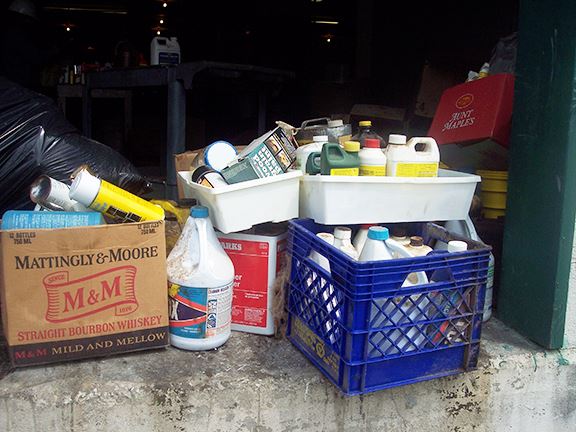
Take old paint, pesticides, automotive fluids, and batteries to a hazardous waste handling facility – For appropriate disposal methods and near-by disposal facilities visit Hamilton County R3Source’s website here.
- Wash your car at a car wash or on a non-paved surface to avoid draining into the storm sewer.
- Keep storm water on your property through use of rain gardens and rain barrels.
- Pick up litter whenever and wherever you see it.
| | |
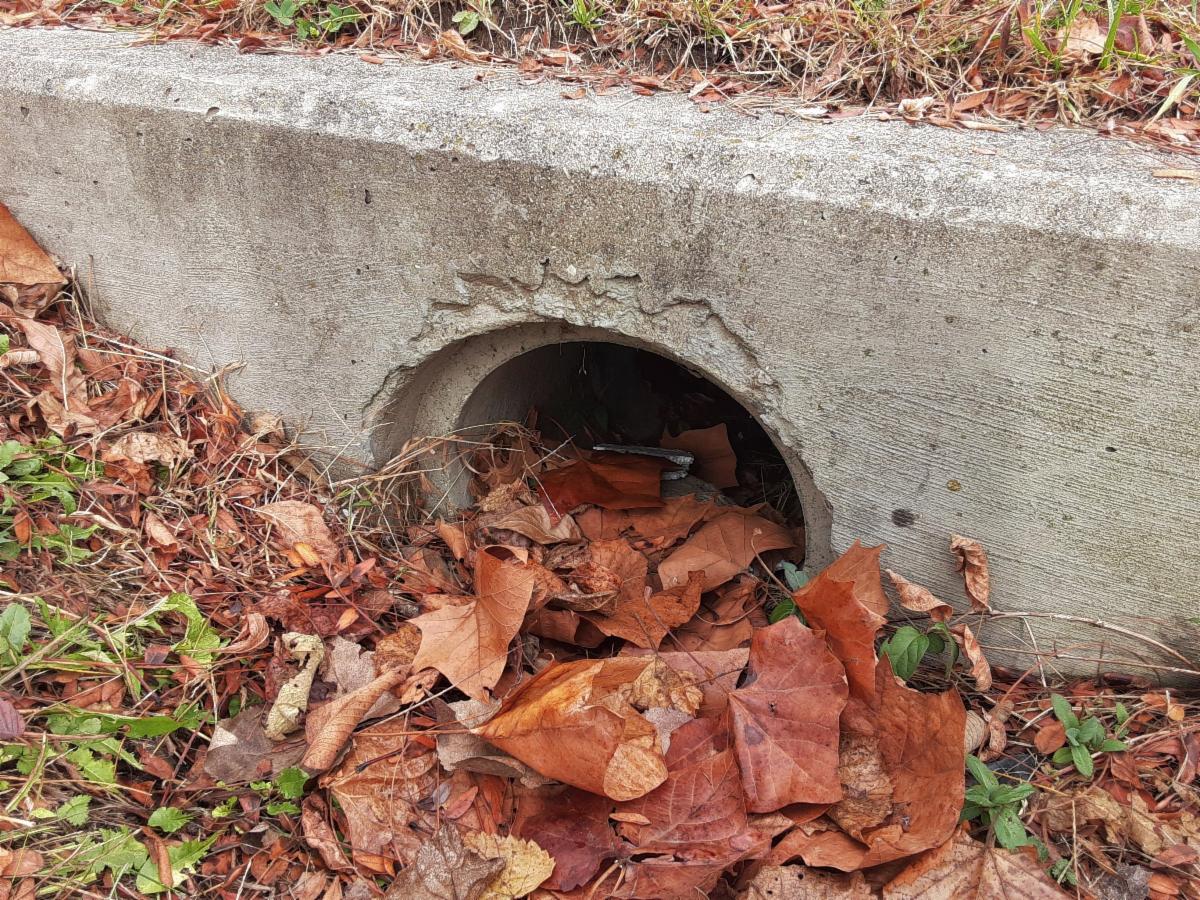
It’s now officially fall and leaves are falling! Did you know yard debris including leaves are a significant source of stormwater pollution? Piles of leaves and grass clippings overload a streams ability to process leaf litter, causing nutrient pollution and oxygen depletion. These conditions make it difficult for critters to survive in the stream! They can also impact drainage and storm drains if dumped in the wrong places.
There are several things homeowners can do to reduce the negative impact of leaf litter to local creeks and streams:
- Do not pile leaves near streams or drainage channels. Use designated leaf collection bags for curbside leaf recycling.
- Do not blow leaves or grass clippings off your property into streets, streams, ponds, or drainage swales.
- Recycle leaves and their nutrients on your lawn. Use a mulching lawnmower to help breakdown the leaves and benefit from the natural fertilizer.
- Compost leaves. Select a location away from streams, ponds, and drainage swales.
| | | | For more information, resources and fact sheets for residents and municipalities, and a short video, visit our Fall Seasonal Stormwater Series page. | | 6th Annual Ohio Stormwater Awareness Week | |
Stormwater Awareness Week is a statewide program that encourages communities to utilize newsletters, social media posts, and educational events to raise awareness of how rain water moves through infrastructure and our environment. Some examples of community efforts can include rain garden construction, native plant installation, neighborhood cleanups, and much more! Anyone can participate in Stormwater Awareness Week, follow the link to learn about resources and how you can get involved! | | Household Hazardous Products Drop-Off Event | | | | |
In addition to the two county-wide drop off days, four communities will also be hosting events specifically for their residents.
- Whitewater Township - October 7
- St. Bernard - October 13
- Woodlawn – TBD
Registration is required to participate, and be sure to review the list of items that are and are not accepted ahead of time. The website also includes information on recycling and reuse outlets.
| | Clean Water Contractor Expo | | |
The Clean Water Contractor Program was created to provide education and information to those in the field seeking compliance with NPDES permit requirements and reducing negative environmental impacts, all while maintaining a profitable job site.
PDHs and Continuing Education credits will be offered.
Early bird registration coming soon.
| | Ohio Stormwater Conference | | |
The Ohio Stormwater Conference is an annual conference dedicated to advancing the knowledge and understanding of comprehensive stormwater and watershed management for those dealing in all aspects of planning, design, implementation and regulatory compliance. This year’s conference is held at the Kalahari Resort and Conference Center located in Sandusky, Ohio. The conference will provide updates on environmental issues, new technologies, regulatory information and pollution prevention.
The conference is an excellent opportunity to network with other professionals and to talk directly with vendors who will be exhibiting the latest technology. All of this is designed to benefit those of us working to comply with municipal, industrial, and construction NPDES stormwater permits by helping us keep up with the latest stormwater management information.
| |
Storm Water District Partner's
Contact Information
| | | | |