The content in this preview is based on the last saved version of your email - any changes made to your email that have not been saved will not be shown in this preview.
Rhode Island Local Technical Assistance Program
Quarterly News & Updates

Fall 2022 | Issue 5

In This Issue:

Updates from Rhode Island LTAP

October Safety Observances

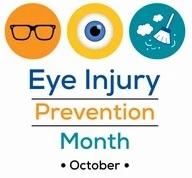
  • Eye Injury Prevention Month
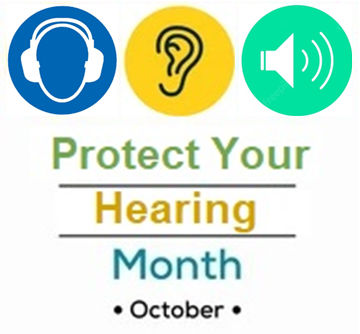
  • National Protect Your Hearing Month
  • Pedestrian Safety Month

Updates From the Rhode Island LTAP

Training Update

Seats are now available to our municipal partners for the below classes through Rhode Island LTAP.


To enroll in any of these courses or if you have questions please contact the Rhode Island LTAP at dot.RILTAP@dot.ri.gov. Be sure to include the participant's name, email address, and job title. 


Is there a training or technical assistance you're interested in, but haven't seen advertised? RI municipalities can now request training and/or technical assistance through Rhode Island LTAP by completing this Request Form and emailing it to us.

First Aid & CPR

Certification

Wednesday

October 5, 2022

9am - 12pm

First Aid & CPR

Certification

Thursday

October 6, 2022

9am - 12pm

Conflict Management

Resolution

Friday

October 21, 2022

9am - 12pm

Communication for

Connection

Wednesday

November 16, 2022

1pm - 4pm

Workplace Etiquette-

How to Be a Good

Employee & Colleague

Friday

December 2, 2022

9am - 12pm

Time Management

Thursday

December 8, 2022

9am - 12pm


Effective Presentations

Fridays 9am - 12pm

January 6, 13, 20, 27

February 3, 2023

Managing Change

Wednesdays 9am - 12pm

January

11, 18, 25

February 1 and 8, 2023

Microsoft Specialist

Word Certification

Date/Time is

To Be Determined

Lunch & Learn Series

After a long summer break, the Rhode Island LTAP Lunch & Learn Series returned on Wednesday, September 14th with "RIDOT Outreach & Collaboration" presented by the RIDOT Government & Legislative Affairs Office and the Community Outreach Office. Stay tuned for information about upcoming sessions!


Recordings of previous Lunch & Learn sessions are available in the RI Learning Center*, the State's Online Learning Management System (LMS). 


*If you are a Rhode Island municipal employee or elected official, and you would like access to the RI Learning Center, please send an email with your name, email address, and job title to dot.RILTAP@dot.ri.gov

Available On-Demand Courses

There are currently over 400 courses available for our Rhode Island LTAP partners in the RI Learning Center, the State's Online Learning Management System!


If you are interested in viewing these or other available on-demand courses in the RI Learning Center, please contact us at dot.RILTAP@dot.ri.gov.


  • Federal-Aid Essentials for Local Public Agencies: Finance Series
  • Math Basics for Highway Technicians
  • Roadway Drainage Webinar Series
  • StormwaterOne: Awareness (Level 1)
  • Free LinkedIn Learning
  • Data Fluency: Exploring and Describing Data
  • Project Management Foundations
  • Teamwork Foundations
  • Performance Development
  • Learning Path: Build Your Skills In Customer Service
  • Having Difficult Conversations (Recorded)
  • Information Technology
  • Zoom Tutorial
  • Most Useful Microsoft Excel Keyboard Shortcuts

October Safety Observances


Eye Injury Prevention Month

Approximately 90% of eye injuries can be prevented simply by wearing the proper protective eyewear. While the Occupational Safety and Health Administration (OSHA) determines the required eye protection needed to safely perform workplace activities, following basic guidelines can protect your vision even when working on home projects. 


Appropriate eye protection including safety glasses, goggles, and face shields should be used during and around any activity that could create a risk for

  • Hazardous chemicals or other substances damaging the eye upon contact
  • Flying debris or small particles that could hit or 
  • Projectiles or any objects that could become projectiles flying into the eyes


Common injuries include

  • Corneal abrasions
  • Concrete or metal particles or slivers embedded in eye
  • Chemical splashes or burns
  • Welder's flash and thermal burns
  • Eye lacerations
  • Facial contusions and black eyes 

Learn More

National Institute for Occupational Safety and Health (NIOSH)


American Academy of Opthalmology


National Protect Your Hearing Month

It's estimated by the US Center for Disease Control (CDC) that 22 million workers are exposed to potentially damaging noise at work each year. NIOSH recommends that workers be required to wear hearing protection when engaged in work that exposes them to a noise level of 85 decibels (dB) or higher. For example, if you're speaking with someone who is 3 feet away, the noise levels may well be above 85 dB!


Workplace noise may be a problem if a worker: 

  • Hears ringing or humming in the ears even after leaving the work area
  • Must raise their voice or even shout to be heard by someone an arm's length away
  • Experiences temporary hearing loss when leaving the work area


Associated effects of excessive noise levels in addition to permanent hearing loss include physical and psychological stress such as headache, elevated blood pressure, fatigue, irritability, difficulty concentrating, and reduced productivity.


How should worker hearing be protected? In addition to using earplugs or earmuffs, a noise reduction plan should be created. A good noise reduction plan would include the measurement of sound levels and making subsequent workplace changes to actually reduce noise levels.


Sound reduction methods or "noise controls" can include making changes to equipment in the workplace environment (engineering controls) or making adjustments to the workplace to reduce worker exposure (administrative controls). Administrative controls could include limiting the amount of time a worker spends at a noise source, controlling exposure through distance, or operating noisy equipment during shifts with fewer workers around.

Learn More

3M - Center for Hearing Conservation


Occupational Safety and Health Administration (OSHA)


National Institute for Occupational Safety and Health (NIOSH)


Pedestrian Safety Month

While many people drive to get to their destinations, everyone is a pedestrian at some point. Maybe that's someone walking their child across the street to school or a bus stop, maybe it's a walk to the store, or maybe it's taking a bicycle ride heading toward a bike path. Whatever the reason or means, everyone has a personal reason for wanting to keep our roads safe for all who use them. We should all be as cautious while driving as we would expect others to be when we are pedestrians. 


The National Highway Safety Council declared October as National Pedestrian Safety Month. The goal is to increase awareness of pedestrian safety and to remind drivers to watch for pedestrians every time they are behind the wheel. 


Each week this October will have a theme with suggested activities, social media messages, and infographics.

  • Week 1 - Safer People
  • Week 2 - Safer Speeds & Safe Roads
  • Week 3 - Safer Vehicles
  • Week 4 - Post Crash Care


Check out the NHTSA National Pedestrian Safety Month 2022 - Resource Guide below for more details.

Learn More

National Highway Traffic Safety Administration (NHTSA)


Rhode Island Local Technical Assistance Program

Rhode Island Department of Transportation

Email us at: dot.RILTAP@dot.ri.gov

RI LTAP Website

Director of Educational Advancement
LTAP Program Coordinator