The content in this preview is based on the last saved version of your email - any changes made to your email that have not been saved will not be shown in this preview.

Founder's Note

July 2026

For too many families, the first time they hear the word SUDEP is after they have lost someone to it. This summer, three states took real steps to change that.


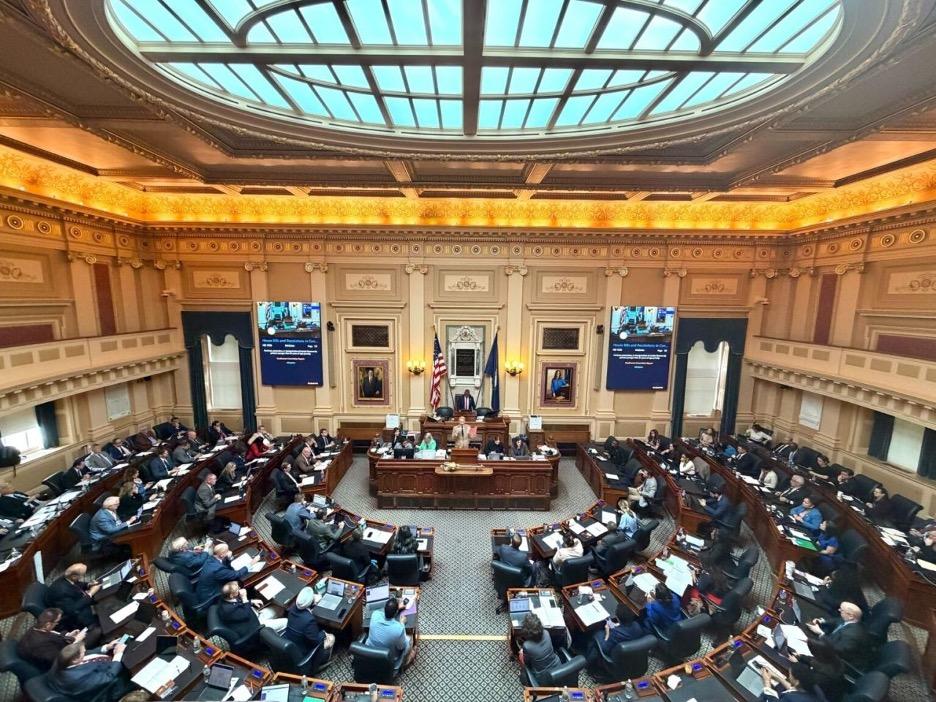
In Virginia, the Commonwealth's newly signed biennium budget includes funding in each of the next two years for the Office of the Chief Medical Examiner to produce full, written findings in any death consistent with Sudden Unexpected Death in Epilepsy. The budget requires those cases to be referred to an institution that can help grieving families submit their loved one's medical history to the North American SUDEP Registry, and it directs the office to publish SUDEP resources on its website. Every case reported to the registry sharpens researchers' understanding of who is at risk and why. Virginia has now created a clear path to that knowledge.


In Ohio, the House passed the Brenna Brossard SUDEP Awareness Act with wide bipartisan support. The bill strengthens patient education, improves how SUDEP cases are tracked and reported, helps first responders during emergencies, and expands access to seizure detection devices. It is named for Brenna Brossard, an active 25-year-old who died in her sleep during a seizure in 2022, despite her family spending 26 years inside the epilepsy care system without ever hearing the word SUDEP.


In Pennsylvania, the House passed House Bill 1442, known as Morgan Rose's Law. The bill requires coroners to evaluate autopsies involving epilepsy or seizure for SUDEP and to record it accurately on the death certificate when found. Better data leads to better research, and better research leads to prevention.


Both the Ohio and Pennsylvania bills now head to their state Senates, and we are hopeful lawmakers will take them up and pass them when sessions resume this fall.


The HarborPath Policy Council advocated for each of these measures because understanding, awareness and action save lives. We are grateful to the legislators who carried these bills and, above all, to the families who turned unimaginable grief into protection for others. Their voices are moving this country forward on meaningful SUDEP policy change, one state at a time.


-Ken Trogdon, President of HarborPath

KJ Celebrates His First Birthday on the Job

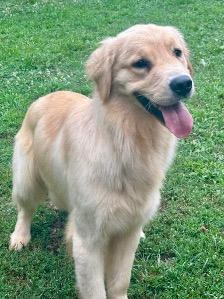
Our golden retriever friend KJ marked his first birthday doing exactly what he was born to do. The support dog, in training with Jennifer Arnold and the Canine Assistants team since birth, recently spent time with children at Scottish Rite and Atlanta Children's Hospital who are being treated for seizure disorders, paralysis, cancer and other serious diagnoses.


KJ is trained in the Bond-Based Approach, which shapes how Canine Assistants dogs connect with the people they serve through cooperation rather than coercion. For a child navigating a long and painful hospital stay, a gentle dog sitting quietly beside them can ease a moment that would otherwise be overwhelming.


HarborPath and the HarborPath Policy Council are proud to support KJ's work, and we are grateful to Scottish Rite, Atlanta Children's Hospital and Canine Assistants for welcoming him. There is plenty of training still ahead, but his first year has been a remarkable start.

A Life Saved at the Knicks Championship Parade 

When a man collapsed on top of a subway entrance during the Knicks championship parade in New York, the signs pointed to an opioid overdose. He was unresponsive, his breathing was shallow, and his pupils were pinpoint. Simone Kelly, a 24-year-old volunteer rescue squad member attending the parade off duty, climbed up to reach him. A stranger in the crowd threw her a naloxone kit. She administered the nasal spray, and she and other bystanders kept the man alive until EMS arrived. 


Ken's Take 

Friends and colleagues sent me this story again and again, and two things stay with me. The first is Simone Kelly's training and instinct. She recognized the signs of an overdose and acted without hesitation. The second, and just as important, is that someone in that crowd was carrying naloxone at a parade, on the chance it might be needed.


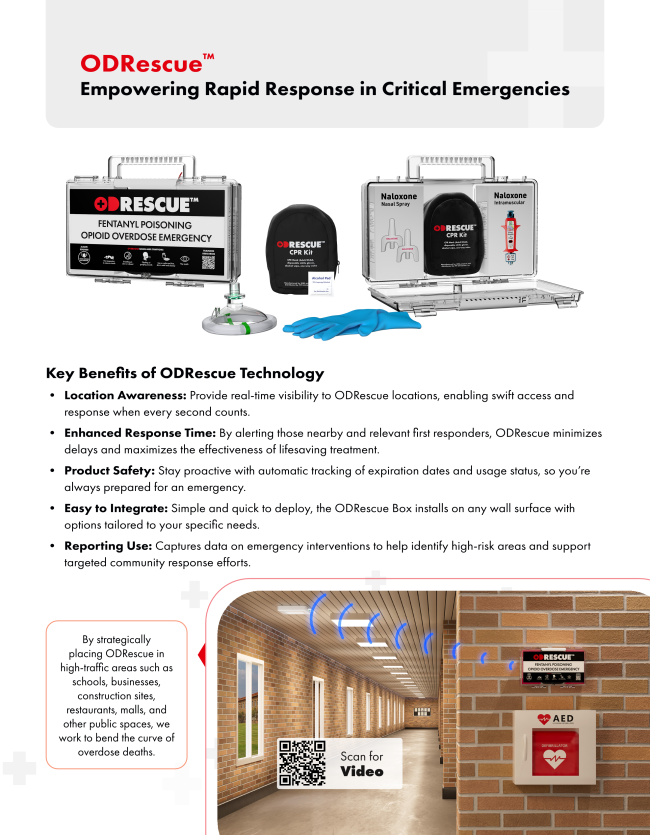
That is what readiness looks like. Overdoses are more likely to occur where people gather in large numbers, which is exactly why HarborPath advocates for ODRescue Boxes in concert venues, sports arenas, college campuses and similar spaces. These boxes put naloxone within arm's reach in the minutes that matter most, and our partner FFF Enterprises helps us distribute these life-saving kits efficiently to the places where crowds form. When naloxone is available and good Samaritans have the awareness to act, lives are saved.


This story in New York is proof.

In The News

Help us make a difference by providing lifesaving drugs to those in need.

Follow HarborPath's Work on Social Media

LinkedIn  Web  X
X Share This Email
LinkedIn Share This Email