|
THE RIDDLE
Your parents have six sons including you, and each son has one sister. How many people are in the family?
See Answer
| | Engineering Insight:
Match Mechanical Conveyors to Your Bulk Material Dynamics | | Selecting a mechanical conveyor system is never a one-size-fits-all engineering decision. For plant managers and maintenance engineers, choosing the wrong system directly causes operational bottlenecks, excessive downtime, and premature equipment wear. To optimize your processing line, integrate high-quality systems from a trusted manufacturer like Thomas Conveyor to align your specific material properties with the mechanics of the four foundational mechanical handling families. | | |
1. Screw Conveyor Systems: Best for Compact, Enclosed Handling
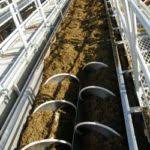
Screw conveyors utilize a rotating helical flight inside a fixed trough to advance material.
-
The Pros: Excellent for short-distance transfers, precise batch metering, and dealing with hazardous or dusty materials due to their totally enclosed housing.
-
The Cons: High friction generates significant torque requirements and can cause severe material degradation.
-
Engineering Check: Avoid using standard screws for highly abrasive or fragile materials. However, if your layout demands it, custom component engineering is vital. For instance, manufacturers like Thomas Conveyor Company specialize in heavy-duty or unique thick flighting designs to mitigate severe abrasive wear.
| | |
2. Drag Conveyor Systems: Best for Structural Integrity and Cleanliness
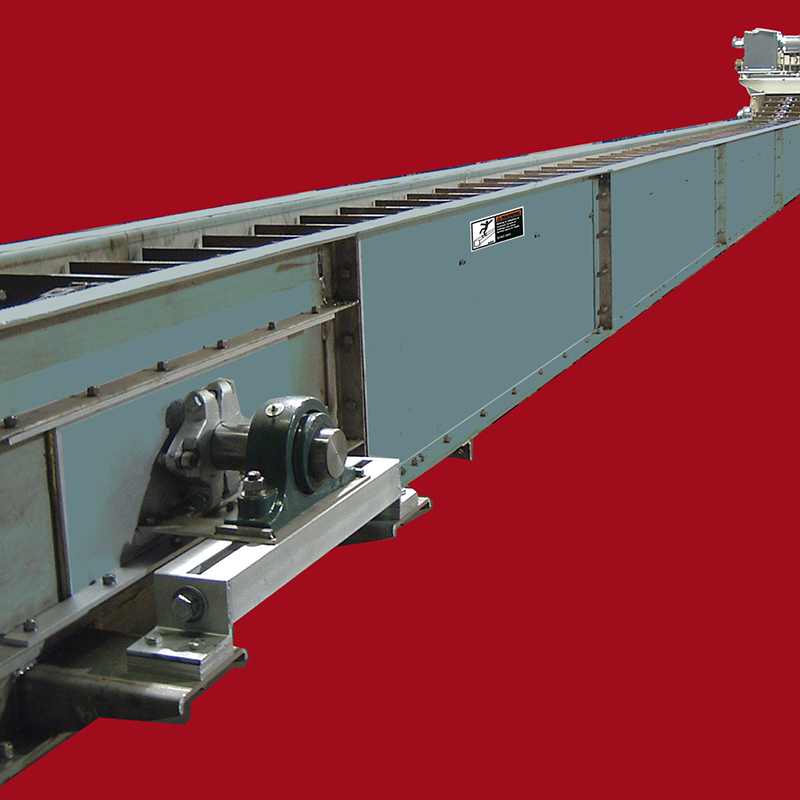
Drag or chain mechanisms pull bulk solid particles through an enclosed trough using spaced-out paddles or flights.
-
The Pros: Superior material protection compared to screws. Because the material moves en masse without internal crushing, particle degradation is minimized. They offer an enclosed, dust-free environment with high structural volumetric efficiency.
-
The Cons: Higher initial capital investment and limited routing configurations compared to fluid-based or pneumatic systems.
-
Engineering Check: Ideal for fragile or hazardous grains, powders, and high-value materials. Standard systems can manage up to 64,000 CFH, but large facilities frequently deploy bespoke, high-capacity drag designs.
| | |
3. Belt Conveyor Systems: Best for Tonnage and Long Hauls
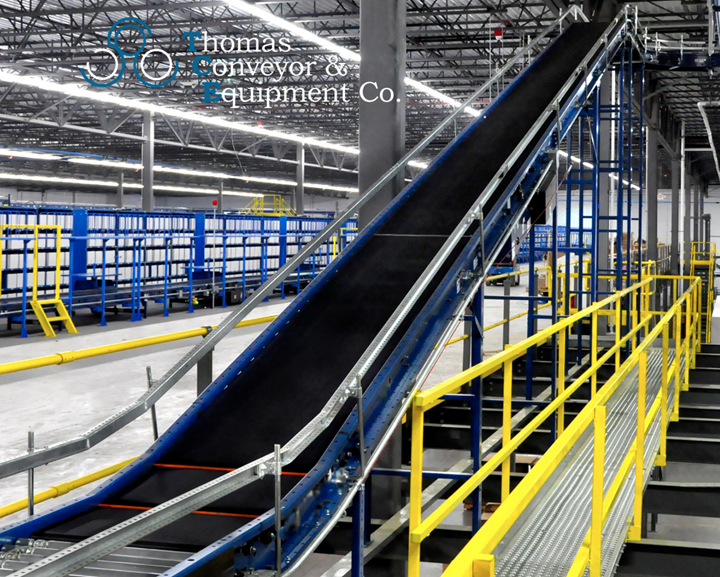
Belt conveyors utilize a continuous loop of material supported by idlers to carry large volumes smoothly.
-
The Pros: Unmatched for long-distance transport, massive capacities, and gentle handling over miles. They require lower operating power per ton than screw configurations.
-
The Cons: Large physical footprint requirements and zero inherent environmental containment. Fine powders will require costly external dust collection.
-
Engineering Check: If your bulk material is lumpy or requires rapid high-volume routing, choose belts. To optimize reliability, source system-ready assemblies that feature engineered pulleys and advanced shaft-locking mechanisms to lower your active maintenance routine.
| | |
4. Bucket Elevator Systems: Best for Vertical Elevation
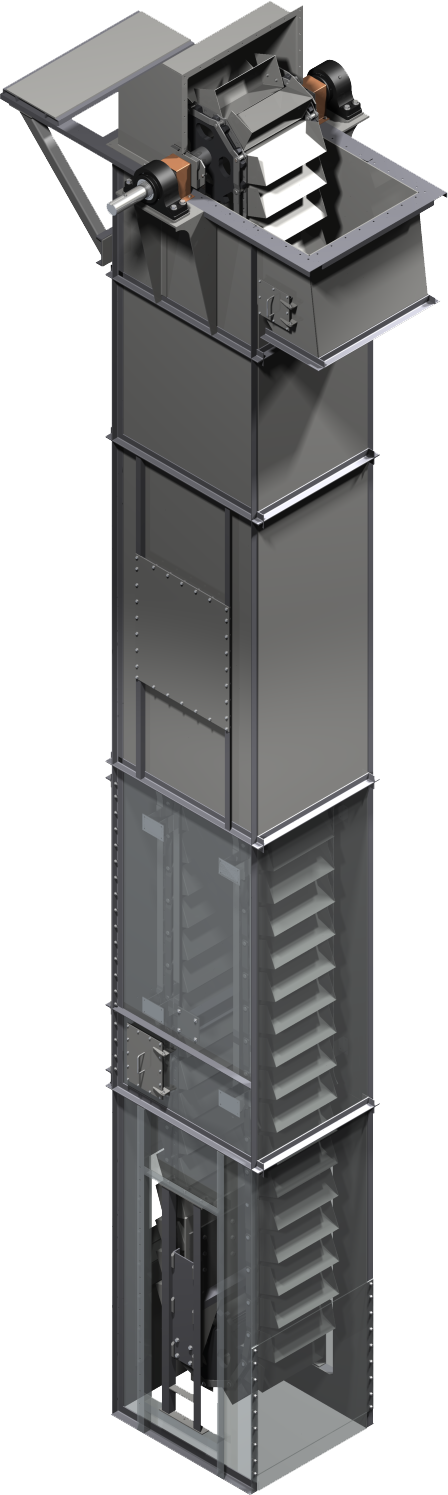
Bucket elevators use a series of buckets attached to a looping belt or chain to lift bulk materials vertically.
-
The Pros: Outstanding vertical efficiency using minimal floor space, highly reliable for deep vertical lifts, and completely enclosed for dust containment.
-
The Cons: Not suitable for materials that are highly sticky or prone to packing inside the buckets, and requires precise feeding to prevent boot blinding.
-
Engineering Check: Commodity or grain elevators require standard, economical designs. However, if you handle heavy aggregates or corrosive chemical powders, look for vendors providing specialized abrasion-resistant or high-capacity vertical systems capable of managing over 20,000 CFH.
| | |
Proactive Maintenance Protocols for Plant Engineers
An optimized layout only delivers ROI if the system stays online. Use these targeted preventive protocols to protect your system from catastrophic failures:
-
Screw Conveyors (Check Stuffing Boxes & Realignment): Inspect intermediate hanger bearings for abrasive wear. Tighten the stuffing box bolts after initial startup to maintain the shaft seal. Re-align trough components meticulously to prevent intermediate shaft rupture.
-
Drag Conveyors (Monitor Chain Elongation): Chain pin wear causes link elongation over time. Check chain tension and slack every 100 operating hours. Replace the entire chain and sprocket loop immediately if elongation exceeds 3% to prevent teeth jumping.
-
Belt Conveyors (Enforce Stringent Framing and Tracking): Never fix a drifting belt by simply cranking up the tension, which destroys splices. Verify the frame is level within 1/32 of an inch. Ensure all terminal pulleys are perfectly perpendicular to the centerline.
-
Bucket Elevators (Inspect Casing Clearance & Crowns): Check the head and boot pulleys for a standard 1/8-inch crown to maintain center belt tracking. Routinely inspect for bucket wear to prevent housing strikes. Ensure your feed rate prevents material pooling at the boot.
Ultimately, successful bulk handling relies on matching your facility layout with the unique friction, abrasiveness, and moisture content of your raw materials.
| | Custom Designed Motorized Driven Roller Conveyor System | | |