The Evolving Role of Educators: Centering Strength, Adaptability, and Care | | Schools As Community Anchors: Expanding the Role of Educators in Mental Health and Wellbeing | | |
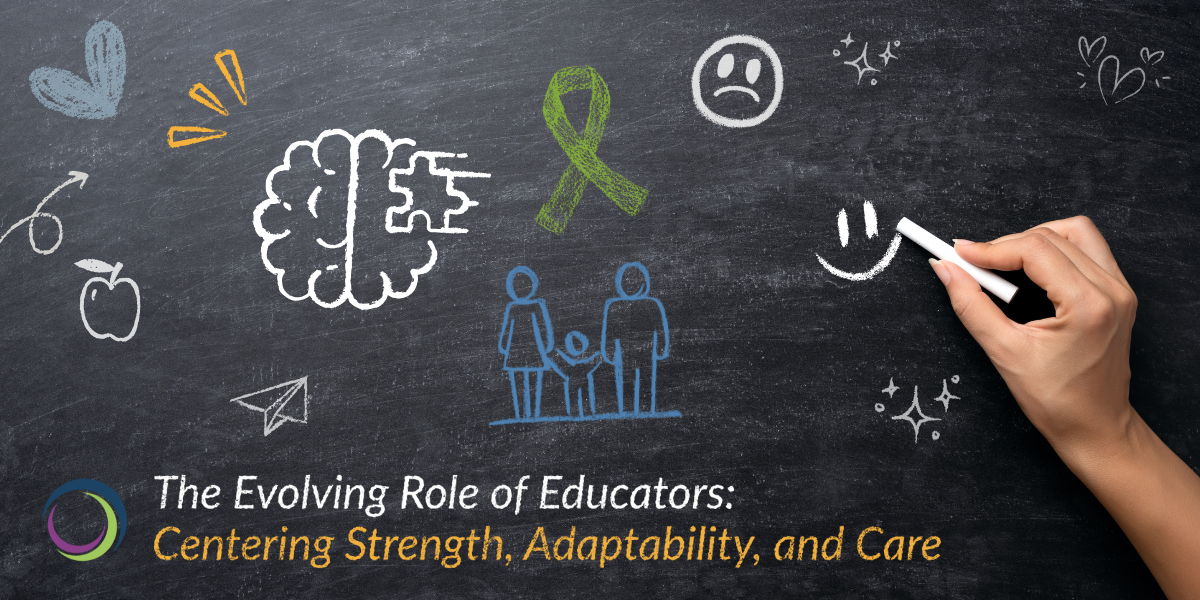
Schools today are more than classrooms—they are dynamic community hubs where the roles of educators continue to expand. Teachers, administrators, and staff are increasingly called upon not just to educate, but to support students’ mental health, family engagement, and social-emotional development.
This evolving role, along with other contributing factors, may help explain why recent findings show that more than 70% of educators report high daily stress levels (RAND Corporation, 2024 State of the American Teacher Survey). At the same time, students are also carrying emotional burdens: the CDC’s Youth Risk Behavior Survey 2023 reports significant increases in feelings of persistent sadness and hopelessness among youth nationwide. Together, these parallel pressures underscore the need for integrated, whole-child approaches that care for both students and the educators who support them.
That’s why we’re excited to uplift a range of resources in this month’s newsletter that showcase innovative practices, personal stories, and evidence-based strategies reflecting how schools across the country are embracing a broader vision of student wellbeing and mental health support.
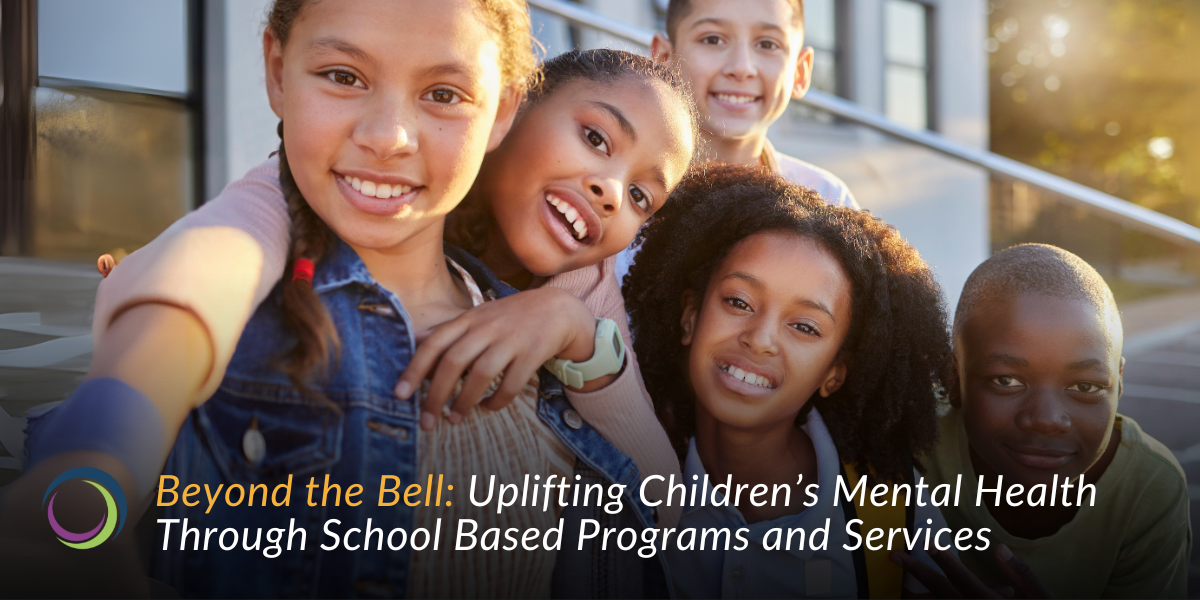
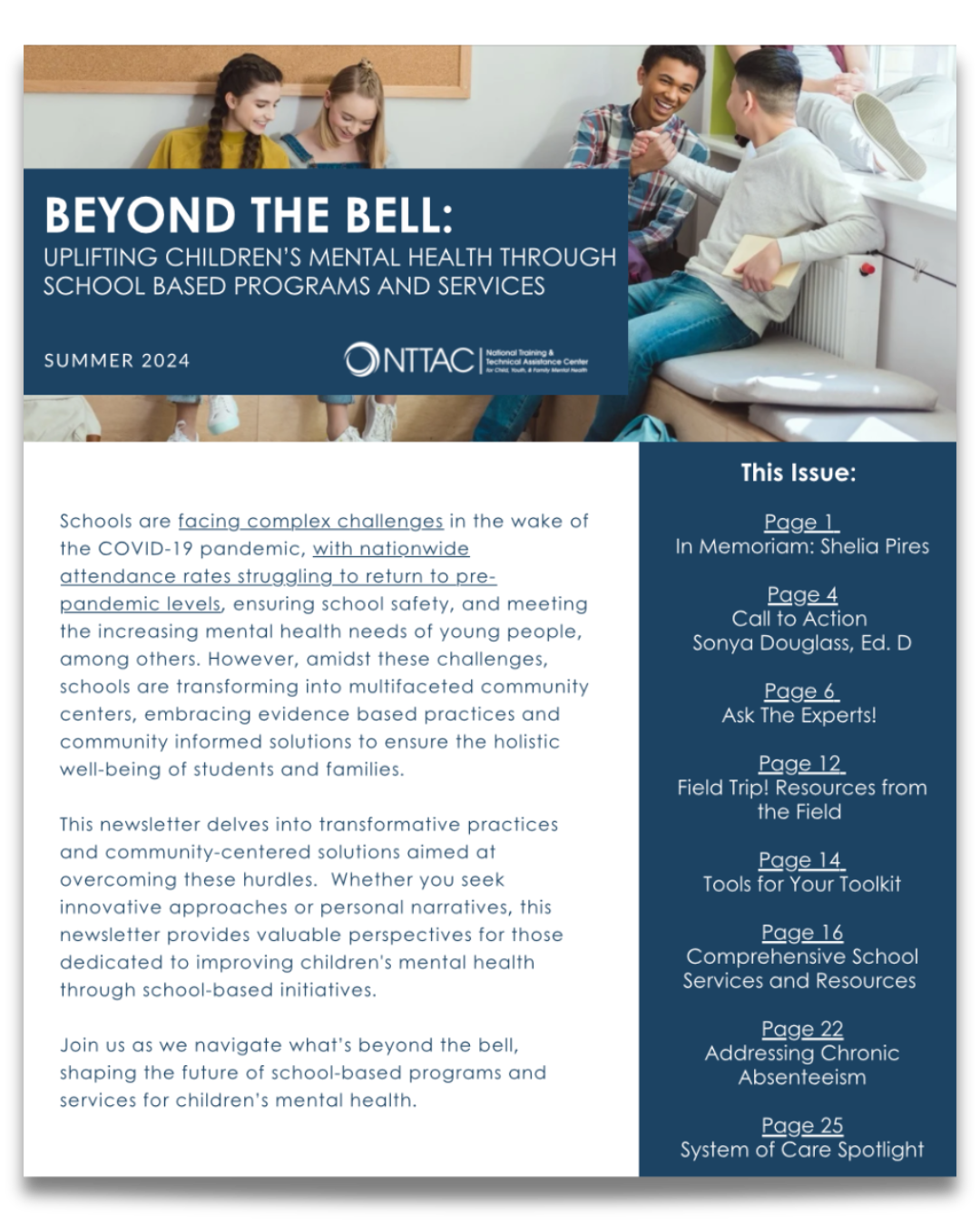
This includes a special spotlight on NTTAC’s annual Digital Digest, Beyond the Bell: Uplifting Children’s Mental Health through School-Based Programs and Services. From mentorship and mental wellness to food security and chronic absenteeism, Beyond the Bell—alongside the other featured resources—highlights how educators and communities are working hand-in-hand to meet the moment.
| | |
"There’s been a big increase in the mental health needs of our students and families. But our teachers weren’t trained to be social workers or mental health professionals. We’re having to learn how to bring in the right partners and how to shift how we support our school community."
— Andrea N., School Principal, Michigan
Andrea’s words reflect a powerful truth: educators are navigating new terrain. While they may not wear every hat, they are often the first to notice when students are struggling and the first to advocate for stronger systems of care.
| |
• • • • •
In the “Ask the Experts” section of Beyond the Bell, students, educators, and administrators share tangible solutions that can foster thriving school environments and support evolving roles. Their insights offer a roadmap for building strong relationships, addressing basic needs, and nurturing emotional and academic growth:
Positive Relationships and Supportive Environment:
- Presence of a caring mentor.
- Schools prioritize initiatives to cultivate positive relationships between students, teachers, and parents.
- Providing a secure learning environment.
- Acknowledge and celebrate each student’s strengths.
Educational Support and Personal Development:
- Professional development programs for educators to emphasize emotional intelligence.
- Personalized learning plans.
- Encourage children to pursue their interests.
- Maintain communication to help youth set goals and identify routes to reach them.
Basic Needs and Health:
- Children and youth need their basic needs met and adequate access to healthcare.
- Exposure to different places, things, and experiences (i.e., library programs, art classes, dancing, freedom to play and have fun, etc.).
- Adults must have strong emotional intelligence to support children and create a nurturing environment for them.
| |
Recognizing the Ripple Effects on Educator Wellbeing
To sustain the important work of evolving school environments, educators and administrators must also feel supported in prioritizing their own wellbeing. A strong foundation of personal care not only nurtures individual fulfillment but also strengthens the ability to show up fully for students, colleagues, and communities.
Wellbeing isn’t a luxury—it’s a leadership tool. By fostering resilience and integrating small but meaningful practices into daily life, educators can protect their energy and sense of purpose, even in demanding seasons.
Here are simple strategies that honor the very real pressures educators face, while offering gentle ways to reset, reconnect, and restore:
Daily Self-Care Practices:
Start with just a few minutes a day - these simple and intentional practices can foster balance and clarity:
Morning Check-In (5-7 minutes)
Midday Reset (2-5 minutes)
Evening Integration (10-15 minutes)
- Reflect on the day's experiences.
- Review and celebrate your boundaries.
- Plan tomorrow's self-care moment.
• • • • •
Weekly Reflection Practices:
Take 15 minutes at the end of each week to check in with yourself. Choose 2-3 questions that resonate most with you:
Professional Balance
- What roles challenged me this week, and how did I manage them?
- Which boundaries served me well, and which need strengthening?
Support Network
- What meaningful connections did I make this week?
- How did I practice asking for or accepting help?
Growth and Success
- What moment made me proud this week?
- What's one thing I learned about myself?
Looking Forward
- What's one small way I can better support myself next week?
- Which practice or boundary would most benefit from my attention?
Daily Affirmations for Educators:
Let these affirmations serve as daily reminders of your worth, your impact, and your right to rest:
- "My well-being is the foundation for the work I do."
- “I am worthy of care and compassion, just as I offer it to others.”
- “I have permission to pause, reflect, and restore my energy without guilt.”
- “In moments of difficulty, I am allowed to lean on others and seek support.”
| | |
• • • • •
Additional Resources
| | |
Connect with our community and access ongoing support:
-
Explore our Resource Directory - Access our complete collection of educational resources and support materials.
-
Register for upcoming workshops and events - Join our community for professional development opportunities.
-
If you found Beyond the Bell valuable, stay tuned—our next NTTAC Digital Digest is on the way! Coming in Spring/Summer 2025, this upcoming edition will explore the evolving impact of social media and technology on youth mental health. It will feature fresh insights, innovative practices, and powerful stories that help us better understand and respond to the digital realities shaping today’s young people.
Remember: creating supportive environments begins with supporting yourself. Together, we can build stronger, more resilient educational communities. Your resilience fuels your students' success.
| | This announcement is supported by the U.S. Department of Health and Human Services (HHS) as part of a financial assistance award over five years (2020-2025) with 100 percent funded by HHS. The contents are those of the author(s) and do not necessarily represent the official views of, nor an endorsement, by HHS, or the U.S. Government. |
| | | |