|
December 2025
A newsletter of, by, and for microbiologists.
| | | Copyright 2025, ALL RIGHTS RESERVED | | |
In this issue...
- Post Treatment Lyme Disease Syndrome...Is it real?
- Hardy celebrates 20 years of saving infants from GBS infections with Carrot Broth
- Chagas disease becoming endemic in the US?
- Equine Herpes Virus, cause for canceling rodeos
- Beijerinck, pioneer in soil bacteriology and virology
- Upcoming trade shows and conferences
- Phraseology: "Tomfoolery"
- Who is your Sales Rep?
- HardyCHROM chromogenic media list
-
Free lab tutorial videos on YouTube from Hardy
- What is it? Take a guess and see if you're right!
- Wisdom from Elvis Presley
- Brainteasers: Your cranial stimulant
| |
| | | What is Hardy Diagnostics all about? | |
Hardy Diagnostics has been serving microbiologists with reliable and innovative products for 45 years.
Watch a two minute video about how your media is made...View here...
Read a short article in Company Week that explains what makes Hardy Diagnostics different...Find out...
| | |
| |
"Tomfoolery"
The term "tomfoolery" originated from the phrase "Tom Fool," a generic name for a jester or buffoon that appeared in the Middle Ages. The word "tomfoolery" itself emerged in the early 19th century, combining "Tom Fool" with the "-ery" suffix, to describe foolish or playful behavior. Some sources suggest a potential real-life inspiration for the phrase "Tom Fool" was Thomas Skelton, a 16th-century jester at Muncaster Castle.
- Middle Ages: "Tom Fool" was a common, generic name used to represent a foolish or jester-like person. Early written examples from the 14th century include "Thom Foole."
- By the 17th century "Tom Fool" became an established name for a buffoon or clown.
- 19th Century: The word "tomfoolery" was first recorded in the 1810s, with the Oxford English Dictionary crediting Horatio Smith in 1812. It evolved to describe the act of foolish or silly behavior, rather than a person.
| | |
| |
Recent Outbreak of
NDM Carbapenemase
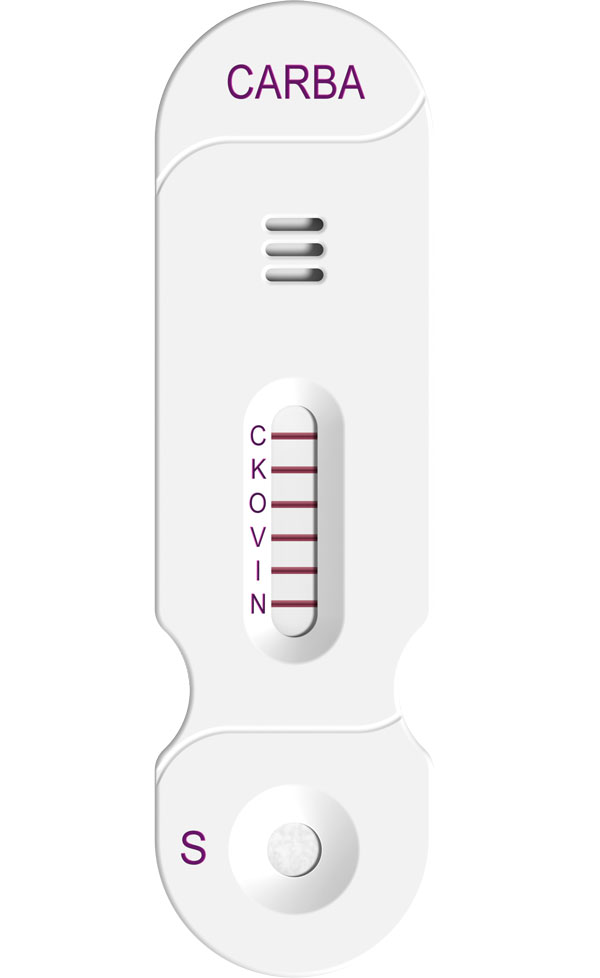
Hardy Diagnostics was recently alerted by one of our customers in the Western United States that they are seeing an outbreak of New Delhi Metallo-beta-lactamase (NDM) Pseudomonas aeruginosa. NDM is typically a less common carbapenemase in the United States, but concerning because it can be resistant to even more antibiotics than KPC (1). Hardy Diagnostics is the exclusive distributor in the U.S. of the NG-Test® CARBA 5. CARBA 5 which offers rapid detection and differentiation of the "Big 5" Carbapenemases produced by Enterobacterales and Pseudomonas aeruginosa. CARBA 5 results are seen on the small lateral flow assay cassette in just 15 minutes, with no equipment required. CARBA 5 is more economical than PCR and, unlike molecular methods, CARBA 5 detects the bacterial gene expression, which is crucial to aiding therapeutic decisions. In addition, Hardy is now offering a complimentary product for the detection of CTX-M enzymes in ESBL producing Gram negatives. Other related chromogenic plated media products would include HardyCHROM CRE and HardyCHROM ESBL. Hardy Diagnostics is pleased to provide you with free sample kits - just let us know.
Reference: 1
| | | | |
December 7-10
Hospital Pharmacists
ASHP Annual Meeting
Las Vegas, Nevada
Look for us in Booth #1068
Your booth hosts are Joelle, Isaac, and Lo
| | |
What is it?
Take a guess, then scroll to the bottom to find the answer.
Hint: This particular organism is resistant to fluconazole.
|
| |
Did you know that Hardy Diagnostics was the first to introduce Chromogenic Media to America in 1996?
Chromogenic Media allows the microbiologist to make identifications based on colony color. The principle involves a carbohydrate molecule in the media that is bound to a colorless chromogen. When a specific bacterial enzyme cleaves the bond, the chromogen turns color, thus creating color throughout the bacterial colony.
| | |
HardyCHROM Plates...
Make Micro Easy!
| | Want to see the complete list? Just type "HardyCHROM" in the search bar here. | | |
Proposed as "endemic" in the Southern States
Chagas...the "Kissing Disease"
| | |
300,000 infected in the U.S.
Chagas disease, also known as the “kissing bug” disease, has long been considered a rare but underreported parasitic illness in the United States. (1) However, the CDC is now proposing that it be reclassified as endemic due to growing evidence of its presence, primarily in southern states. This renewed interest will support improved surveillance, research, and public health response. (2)
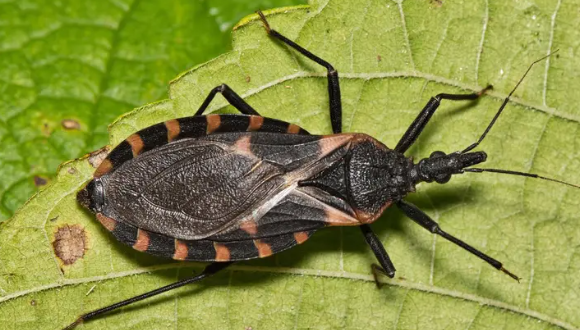
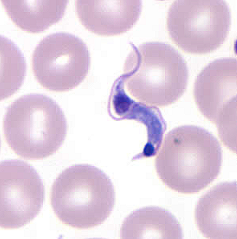
Chagas disease is caused by the parasite Trypanosoma cruzi (T. cruzi), which is transmitted by the triatomine bug (top photo) that bites near the mouth or eyes when a person is asleep, hence the nickname “kissing bug.” The infection occurs when the bug’s feces enter the body though the bite site. (1, 3, 4)
Chagas disease can also be spread by:
- Consuming contaminated food.
- Being born to a person infected with the parasite.
- Receiving infected donor blood or organs.
- Exposure to the parasite while working in a lab.
- Spending time in areas where there are infected wild animals, such as raccoons and opossums.
An estimated 300,000 people in the United States live with Chagas disease. Most of these cases (~97%) have been attributed to individuals who were infected in Latin America, where the disease is considered endemic. However, T. cruzi DNA has been found in 1,000-year-old human remains from Texas, indicating that Chagas disease has existed in the United States for a very long time. Modern housing features, such as sealed windows, intact screens, and air conditioning, reduce exposure to the insect vector. (1)
A recent systematic literature review indicated that locally acquired (autochthonous) cases have been reported in southern states, particularly Texas, where insect vectors, wildlife, domestic animals, and humans have tested positive for infection. Consequently, the CDC is proposing that Chagas disease is relabeled as endemic in the United States. (2)
Chagas disease remains much more prevalent in Central and South America and Mexico. Living in these regions increases the risk of infection due to limited use of air conditioning and unsealed housing. Rural homes with mud walls and/or thatched roofs provide ideal conditions for triatome bugs to thrive. (1, 4)
Chagas disease can present as an acute infection or progress into a chronic condition. Both stages can be asymptomatic or can result in life-threatening symptoms. The trypomastigotes can be found in blood, spinal fluid, and other organ tissues. (3, 4) Acute phase symptoms can include:
- Swelling at the infection site
- Fever
- Tiredness
- Rash
- Body aches
- Eyelid swelling
- Headache
- Loss of appetite
- Nausea, diarrhea or vomiting
- Swollen glands
- A larger liver or spleen
Although acute symptoms often resolve on their own, the parasite remains in the body and may progress to chronic disease. The chronic phase may remain silent or symptoms may appear 10-20 years after the infection. (3, 4) These symptoms may include:
- Irregular heartbeat
- Heart failure
- Sudden cardiac arrest
- Trouble swallowing
- Stomach pain or constipation
Antiparasitic treatment is available during the early phase, while later treatment focuses on managing chronic complications. Most importantly, preventing contact with the “kissing bug” is the best way to reduce the risk of Chagas disease. (2)
References: 1, 2, 3, 4.
By Julie Tripp
Technical Services Specialist II
Hardy Diagnostics
| | |
Who was it...
that made numerous discoveries about soil bacteria, nitrogen fixation, and helped to change the way we think about viruses?
Find out HERE...
| | |
Is it real, imagined, or due to other causes?
Post-treatment Lyme Disease Syndrome
| | |
The Lyme Wars Continue
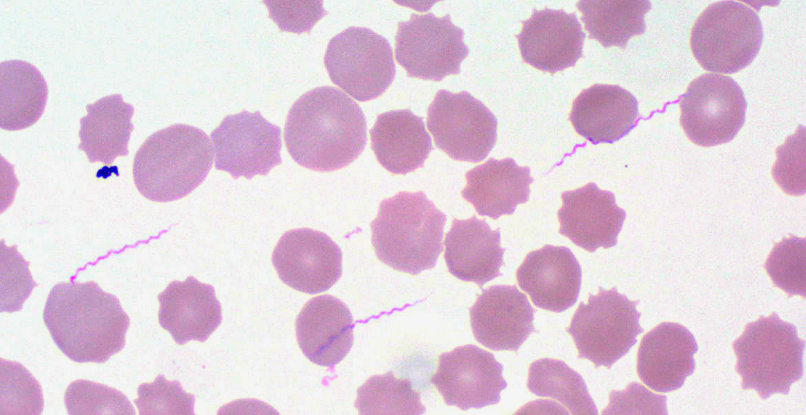
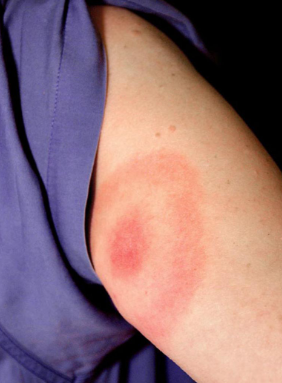
Borrelia burgdorferi, the spirochete responsible for Lyme disease (seen in the blood smear above), is typically treatable with standard antibiotics. Yet, a reported 14% of patients still experience chronic symptoms—fatigue, joint pain, cognitive fog— often lasting months or longer post-treatment. (1)
In the late 1990s, armed with limited understanding of the illness, agencies such as the Centers for Disease Control and Prevention (CDC) and Infectious Disease Society of America (IDSA) rejected persistent infection as the cause of chronic symptoms in treated patients. Instead, they described it as Post-Treatment Lyme Disease Syndrome (PTLDS), a vague label for unexplained symptoms lasting over six months post-infection. The broad definition and complexity of diagnosis led to the syndrome often being misattributed to other conditions, such as depression or fibromyalgia. This sparked a period known as the “Lyme Wars,” where patient advocates such as the International Lyme and Associated Diseases Society contested the guidelines from IDSA and CDC. (2)
In recent years, the COVID-19 pandemic has shifted the narrative and highlighted how certain infections can lead to a prolonged post-acute syndrome, such as in "Long COVID." Increased attention to long COVID renewed interest in other post-infection syndromes, including PTLDS. This similarity in symptom patterns prompted institutions like the NIH to increase funding for investigations on PTLDS. Research in this field has focused on determining possible mechanisms, determining risk factors, and symptom management. (3)
While the mechanisms behind PTLDS remains under investigation, one of the major factors appears to be pathogenic debris that remains after the infection with B. burgdorferi is treated (usually with doxycycline, amoxicillin, or cefuroxime). A unique peptidoglycan found in the cell wall of this organism can linger in host tissues for weeks or months following treatment. In some individuals, this cellular debris can trigger a chronic inflammatory response from the host’s immune system, leading to symptoms associated with PTLDS. (4) Future treatments may include targeting the host inflammatory pathways associated with this response.
The story of PTLDS highlights the importance of scientific rigor, careful interpretation of emerging evidence, and meaningful patient advocacy when navigating complex, poorly understood syndromes.
References: 1, 2, 3, 4
By Manuel Escalera
Technical Services Instrumentation Specialist I
Hardy Diagnostics
| | | | |
As a free service to all microbiologists, Hardy has produced a series of instructional videos to help you train new technologists.
CLINICAL
PHARMACEUTICAL
FOOD & BEVERAGE
| | |
Mini Catalogs
Choose a 'Mini Catalog' that suits your interest...
| | | |  | | |
Rodeos Canceled due to
Fatal Cases of EHV
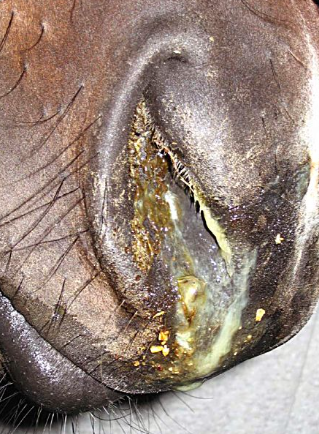
Numerous cases of Equine Herpesvirus (EHV), also known as equine rhinopneumonitis, have been detected in the South, particularly in Arizona and Texas, leading to the cancelation of some rodeo events.
EHV is a family of highly contagious viruses found in horses worldwide. Of the nine known herpesviruses, EHV-1, EHV-3, and EHV-4 pose the highest disease risk to U.S. horses. They do not pose a risk to people, however people can transmit the virus to horses.
EHV-1 primarily causes upper respiratory disease and abortions/stillbirths in horses. In some cases, it causes a neurological disease called equine herpes myeloencephalopathy (EHM) that can be fatal. EHV-3 causes a venereal disease called coital exanthema. EHV-4 primarily causes respiratory disease in foals and abortion in mares but can also produce cases of EHM. EHV-infected horses that don't develop EHM generally recover with no side effects.
Ref: 1, 2, 3, 4
| | |
Personal Protective Equipment
For added protection on the job, Hardy offers disposable lab coats, surgical masks, various gloves & more.
| | | |
Hardy Basix
Upgrade your lab with Hardy Diagnostics’ new line of essential equipment.
Designed for reliability and precision, these tools enhance efficiency in any laboratory setting.
| | | |
|
When I get a headache, I take two aspirin and keep away from children, just like the bottle says.
* * * * *
There was a kidnapping at school yesterday. Don’t worry, though - he woke up!
| | |
Two windmills are standing in a wind farm. One asks, “What’s your favorite kind of music?” The other says, “I’m a big metal fan.”
I can’t believe I got fired from the calendar factory. All I did was take a day off!
England doesn't have a kidney bank, but it does have a Liverpool.
What do you call the wife of a hippie? A Mississippi.
A cross-eyed teacher couldn’t control his pupils.
She had a photographic memory, but never developed it.
I wasn’t originally going to get a brain transplant, but then I changed my mind.
| |
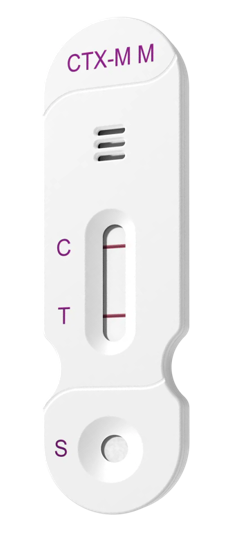
NG Biotech CTX-M for Rapid Detection of ESBL's
Ever wish you could detect life threatening ESBL's within about 15 minutes without having to purchase any additional equipment? Well that day has come. Click here to learn more.
| | |
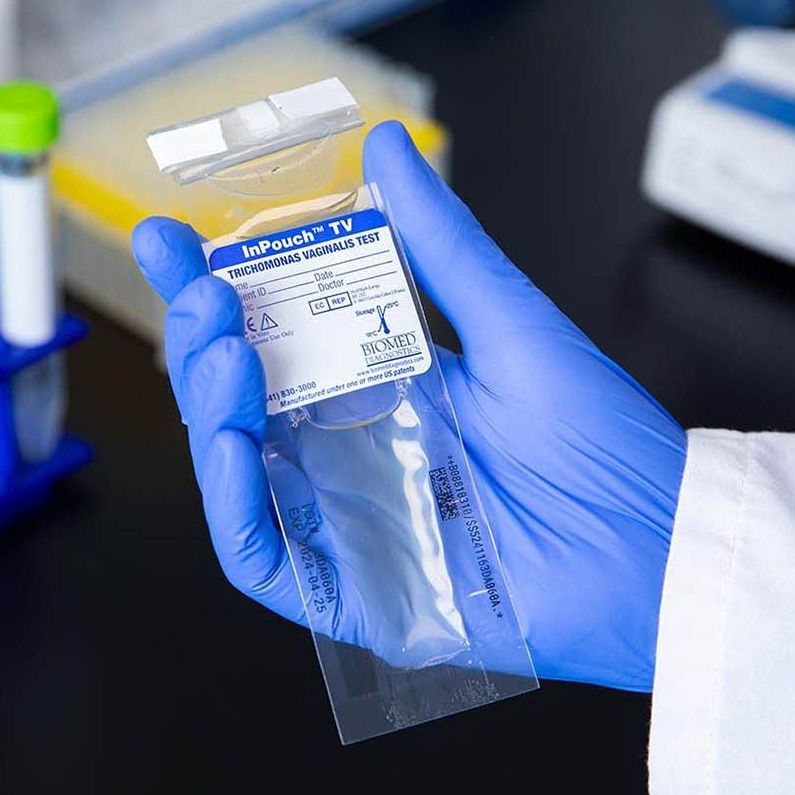
InPouch® TV, Detects Trichomonas vaginalis
InPouch® TV is a self-contained broth media device for the recovery and detection of Trichomonas vaginalis from female vaginal samples or male urethra/urine samples.
The selective, nutritive media provides presumptive-positive results of one or more live trichomonads under the microscope immediately after inoculation of specimen — while inhibiting the growth of other microorganisms, which can interfere with a reliable diagnosis.
| | |
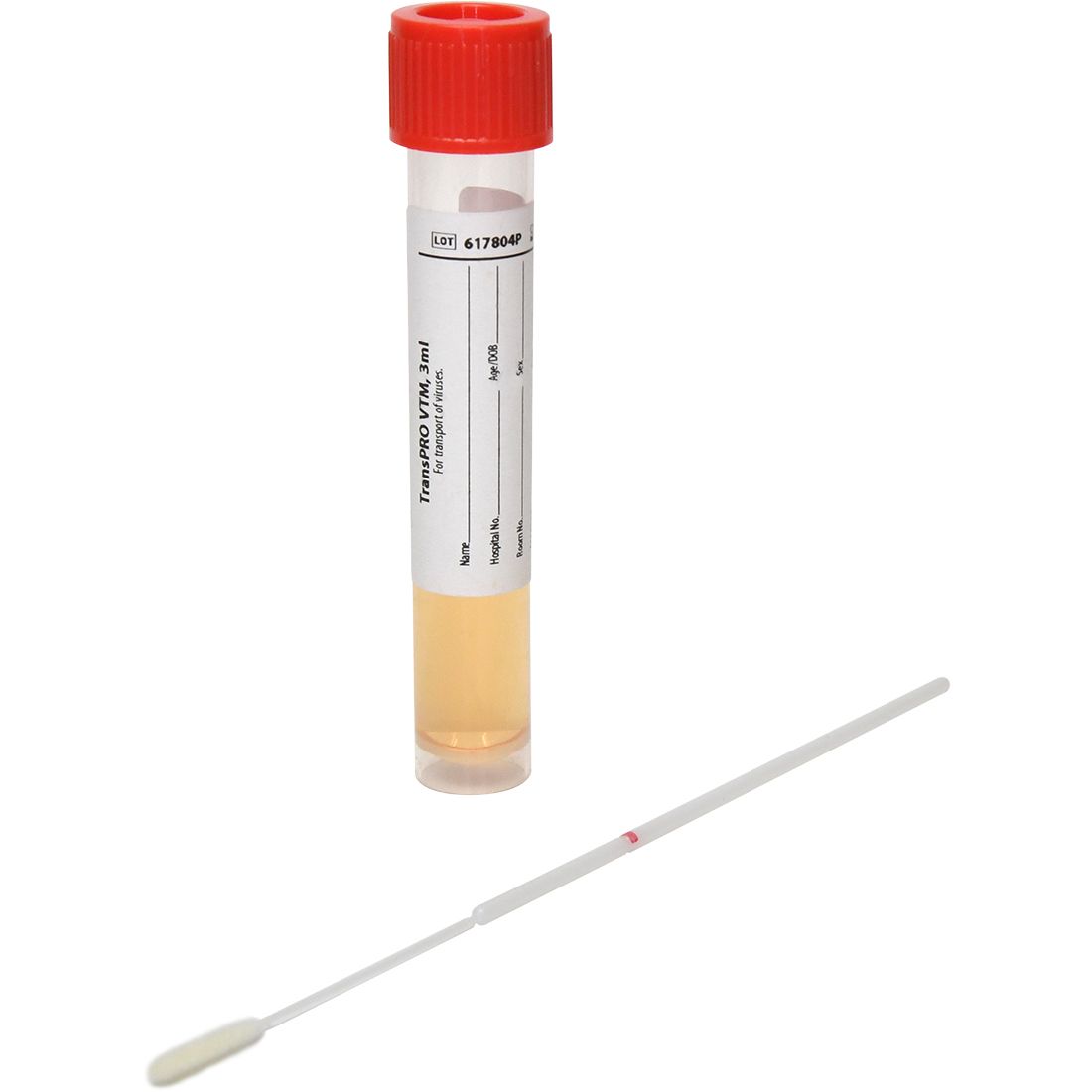
TransPRO™ Viral Transport Medium (VTM) System
Now in a Peel Pouch format! Hardy Diagnostics' Viral Transport Medium (VTM) is intended for the collection and transport of clinical specimens for the preservation of viral agents including Influenza A/B, Adenovirus and Echovirus from the collection site to the testing laboratory.
| | | |
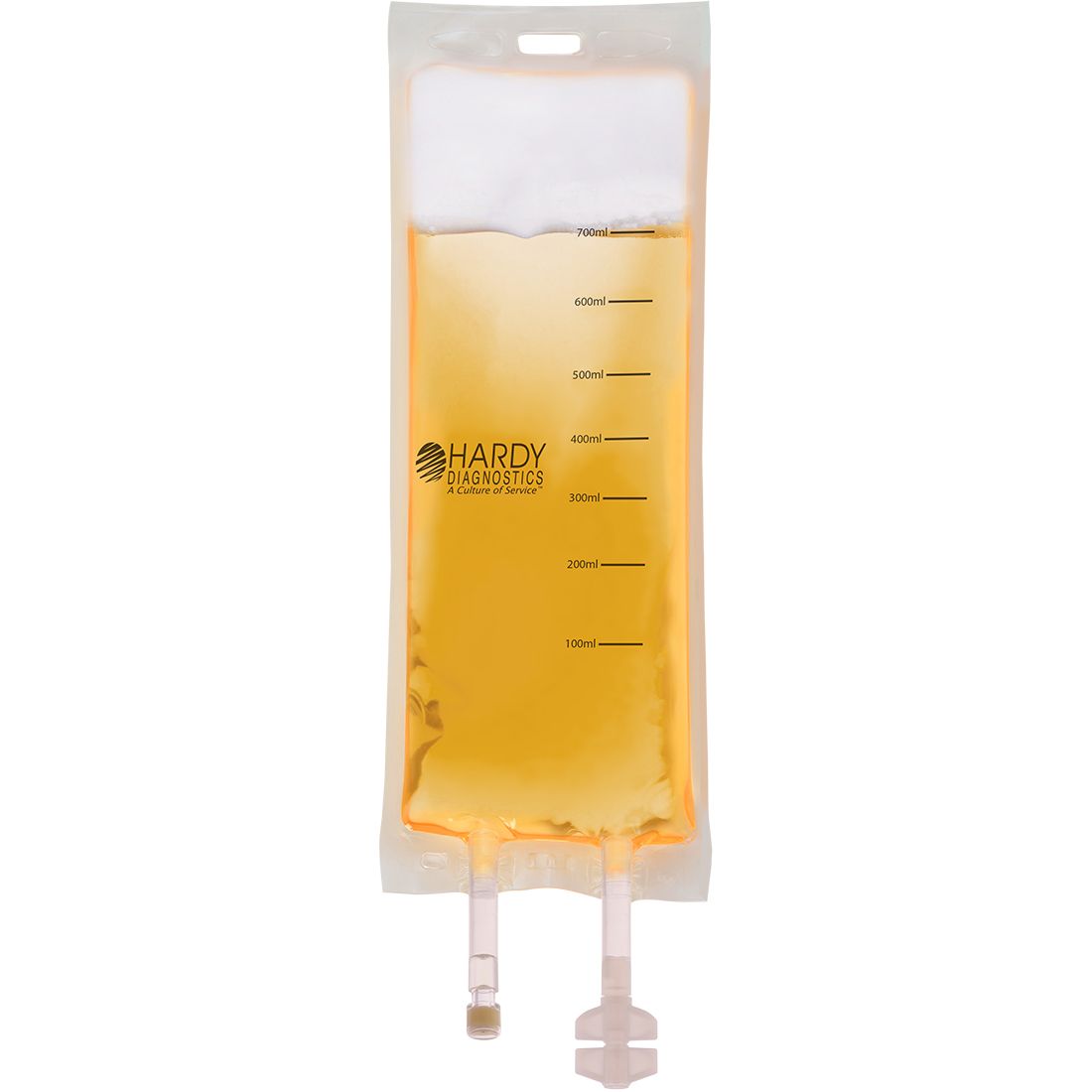
Tryptic Soy Broth (TSB)
Tryptic Soy Broth is recommended for use as a general-purpose medium for the isolation and cultivation of a wide variety of bacteria and fungi.
For verification of aseptic process simulation and technician aseptic techniques.
| | |
TRIO.BAS™ DUO
Induction Kit
The TRIO.BAS™ instruments utilize the impaction method of air sampling. The air, passing through an aspirating head, impacts onto an appropriate agar plate that collects bacteria or other organic substances possibly present in the sampled area. View the fascinating history of Trio-Bas here.
| | |
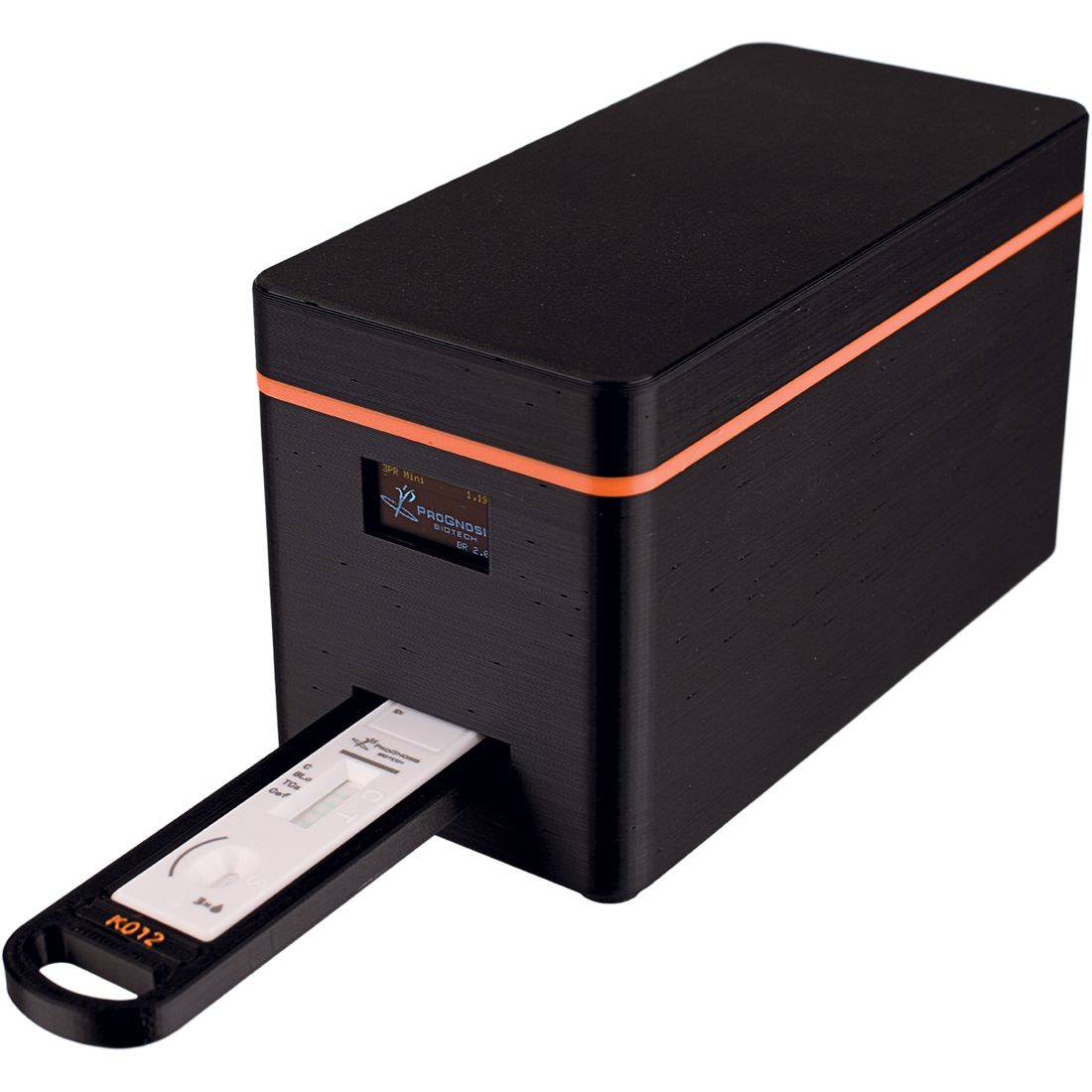
3PR Mini, LFA Reader
With the 3PR Mini Lateral Flow Reader, users can obtain rapid, quantitative results within minutes. By eliminating user subjectivity, test results are standardized and traceable.
The battery-powered system is lightweight and can operate wirelessly with a Bluetooth connection, or can be connected via USB. For increased throughput, multiple 3PR Mini units can be linked together.
| | |
Various Rapid Food Allergen Lateral Flow Tests
A common sample extraction process is used to test for multiple allergens and to detect undeclared ingredients, reducing workflow complexity and standardizing results.
Quantitative and qualitative test results are delivered in 5 minutes.
High sensitivity and a built-in hook line reduce the risk of false negative results.
| | | |
Elvis Presley
1935 ~ 1977
Presley is one of the best-selling music artists in history, having sold an estimated 500 million records worldwide. He was commercially successful in many genres, including pop, country, rock and roll, rockabilly, rhythm and blues, adult contemporary, and gospel. Presley won three Grammy Awards, received the Grammy Lifetime Achievement Award at age 36, and has been posthumously inducted into multiple music halls of fame.
“When things go wrong, don't go with them.”
“Animals don't hate, and we're supposed to be better than them.”
“Truth is like the sun. You can shut it out for a time, but it ain't going away.”
“Do something worth remembering.”
“Sad thing is, you can still love someone and be wrong for them.”
“Don’t criticize what you don’t understand, son. You never walked in that man’s shoes.”
“Values are like fingerprints. Nobody's are the same, but you leave 'em all over everything you do”
“If you let your head get too big, it'll break your neck.”
“Ambition is a dream with a V8 engine”
“The image is one thing and the human being is another. It's very hard to live up to an image, put it that way.”
“To judge a man by his weakest link or deed is like judging the power of the ocean by a single wave."
“I'd rather go on hearing your lies, than to go on living without you.”
“I don't know anything about music. In my line you don't have to. ”
* * * * * *
| |
Brainteasers
Think you're pretty smart?
Let's find out...HERE
| | | All our products are BSE Free | |
All of the peptones that we use in our prepared media, as well as our powdered media, are sourced from countries that have been deemed by the USDA as being "BSE Free." Bovine Spongiform Encephalopathy (BSE) is caused by prions harbored in animal nerve tissue that are virtually indestructible. You can be assured that our media is never sourced from countries that have had a case of BSE and is labeled as such.
| Ad from the 1890's in the UK | | | | |
This is the Hardy Diagnostics'
manufacturing facility in
Springboro, Ohio.
Watch a 2-minute video
below on how we make
our culture media!
| | |
During our 45 years of serving the microbiology community, we have continually aimed to provide the utmost in "a culture of service" for our valued customers. As a 100% employee owned company, we have even more incentive to please our customers as best we possibly can every day. Do you have a suggestion, comment, or question? Please contact me here.
• Jay Hardy, CLS, SM (NRCM) •
Founder of Hardy Diagnostics
Editor of MicroBytes
| | The "What is it?" photo above: This illustration depicts a three-dimensional (3D) computer-generated image of a fluconazole-resistant species from the genus of fungal organisms, Candida. In this view, you will note that there are clusters, as well as single blastoconidia, which are asexually reproductive cells, produced through the process of budding, and attached to the septate hyphal filaments. The artistic recreation was based upon scanning electron microscopic (SEM) imagery. Candida auris is good example of a highly drug resistant species of Candida. Hardy Diagnostics produces an agar plate specifically designed for its detection using fluorescent light. See the description here. | | | | |