Director's Letter: Efficiency Demands Investment | | |
The Collins Center’s legislatively-provided mission states that “[t]he Center shall seek to improve efficiency, effectiveness, governance, responsiveness and accountability at all levels of government, with a particular focus on local and state government.” Over 16 years and hundreds of projects, we've learned a thing or two about how to achieve those objectives.
Here’s our take on how to achieve efficiency in government, based on the Collins Center’s vast experience on the ground in municipalities and other public sector organizations across the Commonwealth: If you want real, sustainable efficiency gains in a public entity (or any bureaucracy, for that matter), you need to invest in information technology, in the way things get done (processes), and, most importantly, in people. How to accomplish effective investment in your team is the focus of this newsletter.
Look, we know it’s difficult and often feels impossible. Tight budgets are getting tighter, and finding resources for training, professional development, succession planning, compensation and classification reviews, etc. is not easy. But neither is recruiting, training, and onboarding new staff while also trying to keep the system working when an employee departs. So read on to get some tips on workforce development and succession planning, and reach out to our team to learn more.
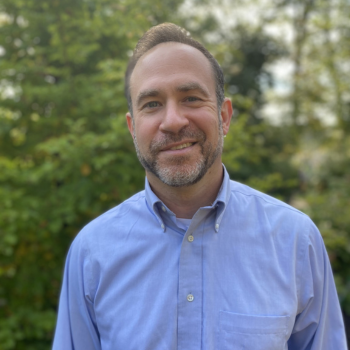
Mike Ward, Director
| |
Workforce Development:
More Than Just Buzzwords
| | |
Hiring and keeping employees is not as easy as it used to be for municipalities.
Ask yourself:
- Is it a challenge to recruit new people?
- Are employees leaving for other opportunities?
- Does your organization have the right internal talent to promote?
- Does the organizational structure support long-term success?
If these questions cause some anxiety, it might be time to rethink your approach. Workforce development is more than just buzzwords—but what does it actually mean?
Workforce development is not just about sending employees to a training session and calling it a day. It is a strategic and holistic approach to maximizing your ability to attract and retain staff through an ongoing cycle of gathering data, measuring progress, planning, executing, and evaluating. In other words, it is less about checking a box and more about employing multiple strategies to ensure the organization has a team with sufficient depth and breadth to meet needs now and into the future.
What about succession planning? Succession planning is a workforce development strategy that focuses on preparing specific employees to step into key positions when they become vacant. The process covers identifying key roles and potential successors, studying competency gaps among that group, and investing in the professional development of specific employees to meet future responsibilities.
The benefits of a robust workforce development program are significant and can include:
✔ Technical training for new and emerging tools
✔ Enhancing cross-training and knowledge sharing
✔ Preparing employees for future roles within the organization
✔ Addressing competency gaps and boosting performance
✔ Increasing morale and engagement (people like to feel valued!)
✔ Reducing turnover and long-term vacancies
Now that you understand the benefits, how do you get started or reset an outdated training program? The process is not difficult, but it does require time and effort to review staffing and job requirements, evaluate employee skills and needs, gather feedback directly from employees and supervisors, and assess findings to develop goals.
Every organization has its own unique character, climate and culture, but the need to develop employees is universal. Workforce development solutions that might work for your organization could include:
- Internships and apprenticeships
- Entry-level training programs
- Internal mentoring systems
- Supervisory training for emerging leaders
- Professional certification and licensing support
- Job-sharing and cross-training opportunities
- Specific technical skills training
We Are Here to Help
The Collins Center knows workforce development inside and out. Each year, we partner with the Massachusetts Municipal Human Resources Association to run a six-session Supervisory Leadership Development Program for municipal supervisors across Massachusetts—especially those who were promoted for their skills and may lack management experience. We also offer custom training for municipalities and public agencies, with recent clients ranging from small and mid-sized towns to larger cities to state agencies to quasi-governmental entities. Our offerings cover a broad range of topics and can be targeted to your needs.
The Center has a talented team that is available to help you think through your needs, whether training, succession planning, internship program development, or something customized.
If you have any questions or would like to discuss Workforce Learning and Development projects or initiatives, please contact Mary Aicardi at mary.aicardi@umb.edu.
| |
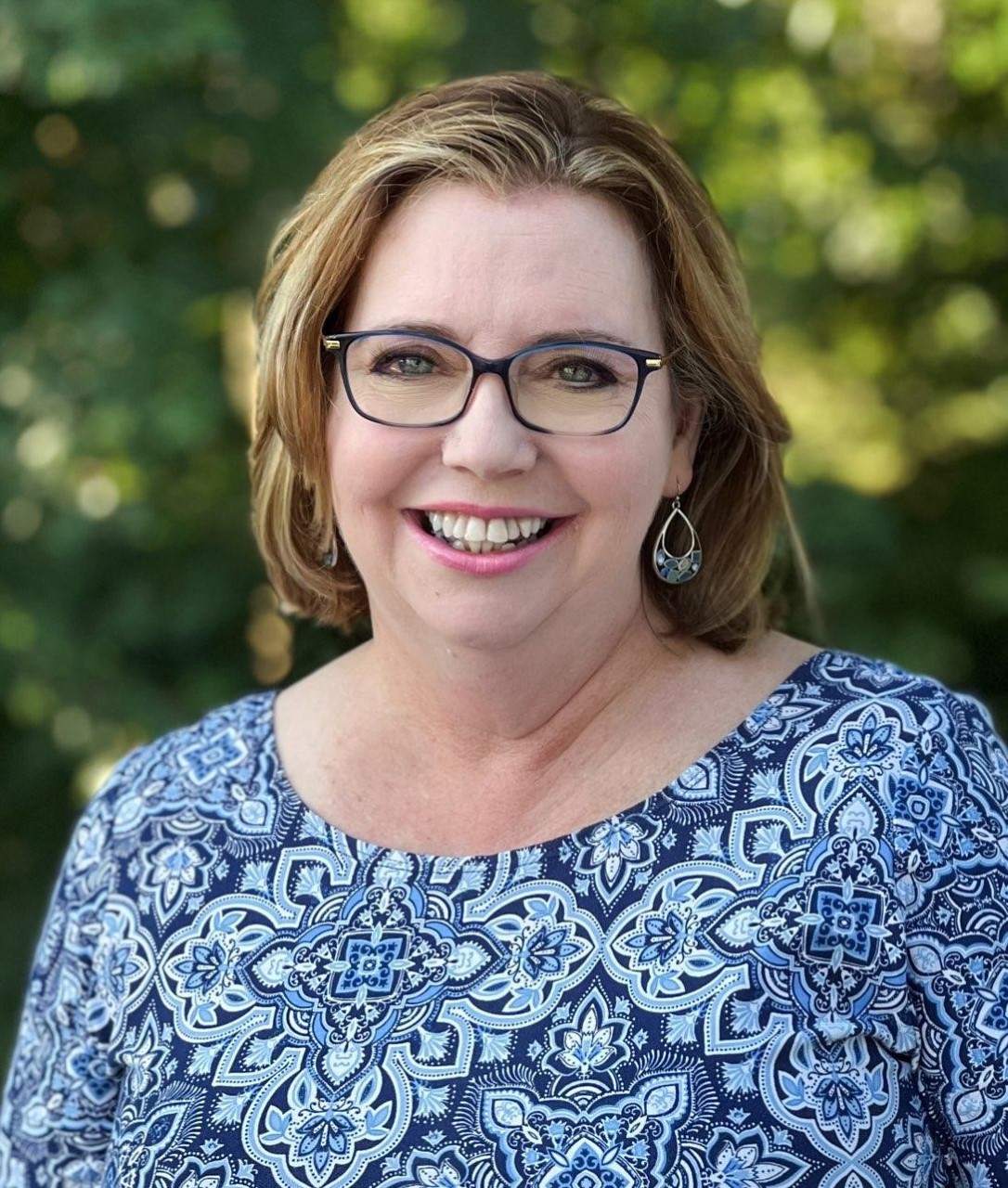
Collins Center Spotlight: Mary Aicardi
Mary joined the Center in 2009 and has been instrumental in expanding the human resources practice area. During her tenure, HR has grown to include helping municipalities with workforce development and training, classification and compensation studies, organizational and staffing studies, policy reviews, recruitment, operational assessments, succession planning, and mentoring/coaching.
With over 30 years of experience in HR and labor relations, Mary is well positioned to support the HR needs of our clients. Prior to joining the Center, Mary served in a variety of public sector roles including Interim HR Director (Braintree), Personnel Director (Watertown), Assistant HR Director (Barnstable), Management Analyst (Wellesley), as well as working for the American Federation of State, County and Municipal Employees, Massachusetts Department of Public Works, and the Massachusetts House of Representatives. She has served as a management member of the Joint Labor Management Committee for Police and Fire since 2000 and is a past Chair of the Massachusetts Municipal Personnel Association.
Mary holds a Bachelor of Arts in Political Science and a Master of Public Administration (MPA) from the University of Massachusetts Amherst. In 2020, she earned a Diversity, Equity, and Inclusion Certification from Cornell University. Outside of her professional life, Mary is actively involved in her community. She served nine years as an elected Town Meeting member and has volunteered as a religious education instructor, Girl Scout Cookie Mom, Education Foundation board member, and school volunteer, among other roles. Mary lives in Shrewsbury with her husband, Don, of nearly 30 years along with their three children: Elizabeth, Donald, and Anthony.
| | | | |
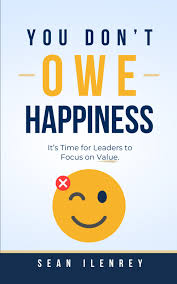
Leaders and managers often make a mistake by saying a “happy employee is a productive employee." As Sean Ilenrey describes in You Don't Owe Happiness, happiness is up to the individual and is often situational or short lived.
We as leaders, managers and employers cannot control happiness. We can, however, reinforce being valued, respected and appreciative of the contributions people bring to their work and the organization.
Thoughtful, deliberate and meaningful workforce development to enhance competencies will provide motivation and growth, build the workplace culture and enhance productivity.
- Mary Aicardi
| | | Collins Center in the News | | | | |
Rural Fire Departments Say Outdoor Tourism Straining Services, Greenfield Recorder, March 3, 2025
Collins Center Present Potential Work Plan For Charter Review, Amherst INDY, February 18, 2025
Woodlands Partnership Hosts Survey on Emergency Response, iBerkshires, January 28, 2025
Charter Review Committee Lays Groundwork for Future Efforts, Amherst INDY, January 24, 2025
MetroWest Firefighting Leaders Undergo Key Management Training, MetroWest Daily News, January 23, 2025
New Northfield EMS Budget Formula Expected to Result in Increased Contributions in FY26, Greenfield Reporter, January 21, 2025
| | Working with the Collins Center is Easy | | |
Chapter 30B, the Uniform Procurement Act, does not apply to working with a state agency per MGL Ch. 30B Sec. 1(4). Because the Collins Center is a state agency, municipalities, school districts, and other public entities may contract directly with the Center without following a 30B-compliant process. Similarly, Massachusetts state agencies may enter into Interagency Service Agreements with the Center.
If you have questions or want to discuss potential projects, please contact Sarah Concannon, Director of Municipal Services, at sarah.concannon@umb.edu.
| | | | |