|
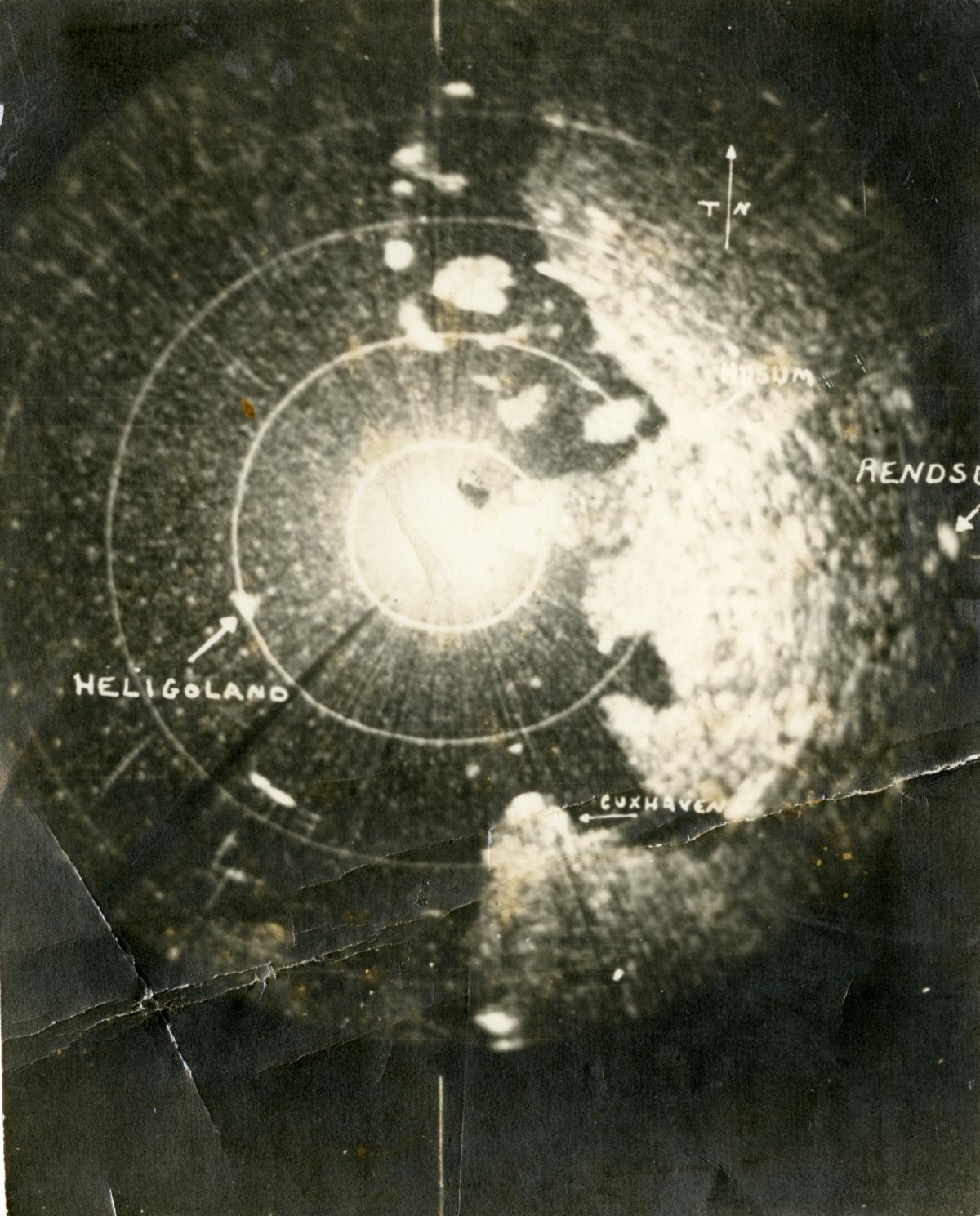
Another fascinating relic to examine alongside this electronics manual, if for no other reason than every single one of its pages “secret” and “classified” notations have been marked out by hand, is The Summary Technical Report of NDRC [National Defense Research Committee] Division 14. First published in 1946, this tech report wasn’t declassified until 1958. It not only covers military aircraft operations, radar equipment, and radar detection in extensive detail, it also describes the intriguing early history of the High-Altitude Research Program (HARP). A joint venture between the United States and Canada, HARP used sizable cannons placed in strategic locations to fire projectiles into the sky. While the program never achieved its ultimate goal – to develop a gun capable of firing into space – it did provide upper atmosphere and ballistic reentry data that remained valuable long after the program was disbanded in 1967.
The need for rigorous research on radar continues to this day, as new forms of radar are introduced for applications such as intelligent transportation. NTIA leads the national conversation on this topic in its role as Federal spectrum manager. Since the 1940s, NTIA's Institute for Telecommunication Sciences and its predecessor labs have been at the vanguard of exploring spectrum coexistence between radars and non-radar systems. ITS’s former senior technical fellow Frank Sanders, lead author of the 2024 NTIA Case Study: Adjacent-Band Coexistence Between 5G Base Station Transmitters and Air Traffic Control Radar Receivers delivered a plenary talk at the 2024 IEEE Radar Conference (now available on YouTube). To quote Sanders: “Of all the radio system types that occupy the electromagnetic spectrum, perhaps none are so important while also being so generally misunderstood, even within technical communities, as radars. Radar technology, the revolutionary innovation that the Allies leveraged to win the Second World War, gained a notoriety and reputation for mystery and secrecy in those years that it has never entirely shaken.”
|