The content in this preview is based on the last saved version of your email - any changes made to your email that have not been saved will not be shown in this preview.


KAIROS CALL TO ACTION


Volume 6, Issue 5

May 2025

Honoring the Legacy of the Late Pope Francis

on Care for Our Common Home

We are beginning to write these words about the legacy of the late Pope Francis on Earth Day, two days into the season of Eastertide. An ancient Latin mass included these words that mark this moment of remembering the world’s most prominent spiritual and environmental leader: “The joy of the resurrection renews the whole earth.”


There is much to reflect on and remember with joy about Francis and his commitment to Creation Care.


Ten years ago, his encyclical/pastoral letter, Laudato Si’: On the Care of Our Common Home, got us thinking more deeply about the Gospel in relation to the global climate crisis. “The divine and human meet in the slightest detail in the seamless garment of God’s creation, in the last speck of dust of our planet.” (page 9) 


In his encyclical, Francis gently and yet forcefully reminds us that ecology has both natural and social dimensions. To care for the earth is to care for its most vulnerable creatures: human, animal, atmospheric, all flora and fauna. We creatures—all of us—are part of one web of divine creation. 

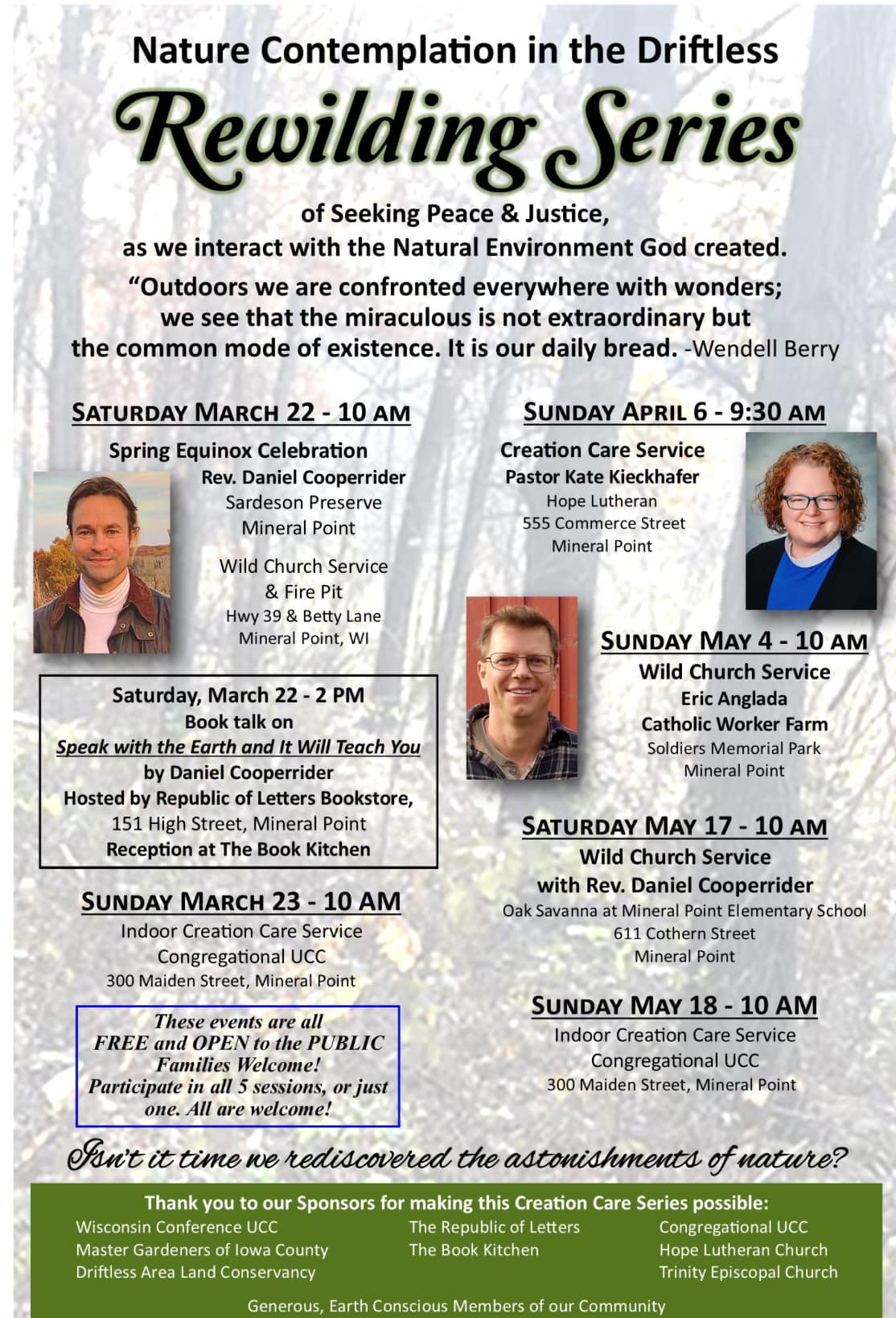
We must be neither exploiters nor worshipers of nature. His message echoes and further develops that of conservation pioneer Aldo Leopold whose “land ethic” of ninety years ago was summed up in A Sand County Almanac: “We abuse land because we regard it as a commodity belonging to us. When we see land as a community to which we belong, we may begin to treat it with love and respect.” Francis teaches us to add “water, air and all life” to that “land” and to up that “may” to “must.”


It may be ironic or prophetic that Pope Francis passed from this life to the next on the bridge day between Easter and Earth Day. A great way to honor this great man would be for our congregations to take up a common read and conversation of his Encyclical: Laudato Si’: On the Care of Our Common Home. Here are some resources for guiding a discussion of the book prepared by First Congregational UCC, River Falls.


Bob Ullman and John Helt, Co-Chairs

Wisconsin Conference Creation Care Team

Creation Care and the Wisconsin Conference Annual Meeting 

By John Helt


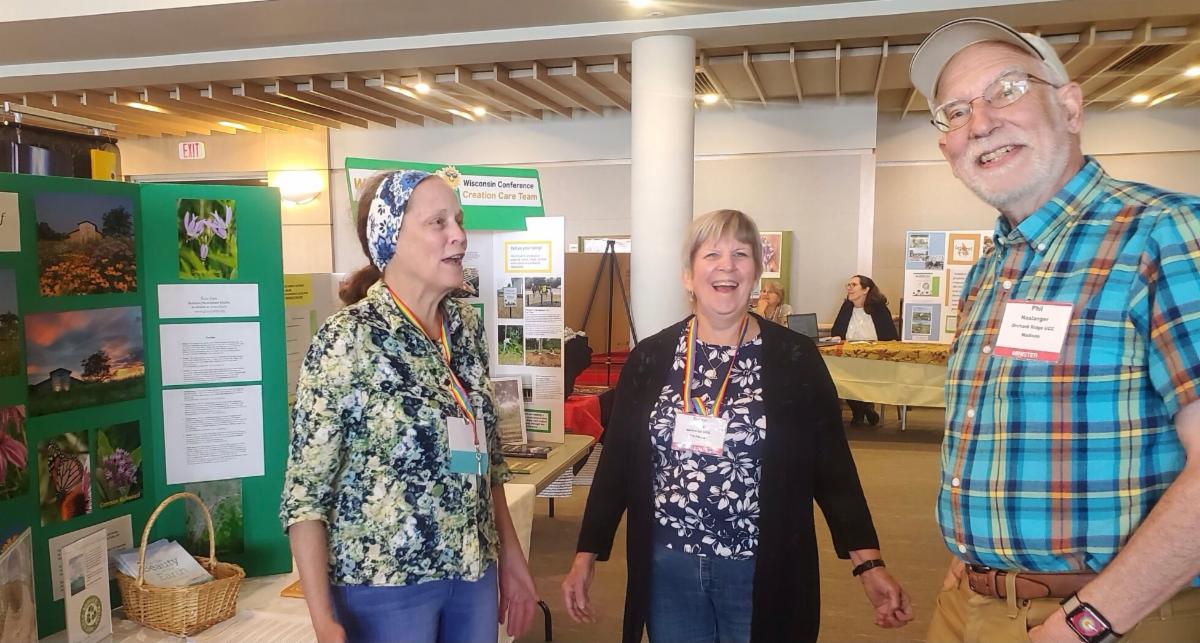
The Wisconsin Conference Annual Meeting has become an important link in the growing network of Creation Care churches here in our state. Members of our team look forward to greeting you at our exhibit, where you will find information about the Kairos Call to Action, Kairos grants, the Kairos Newsletter, and what many of our churches are doing to reduce their carbon footprint and become stronger advocates for our endangered planet. Stop by and say hello. Our Kairos Newsletter editor and member of Fitchburg Memorial UCC, Susan Webb, will be at or near the table, along with team members, and Bill Handy of Ashland, and yours truly. Come and share your story, whether you are thinking about starting some kind of “green” team at your church or you have been at it for a while.


Another time of connecting, or in a more organic image, pollinating and cross-pollinating, at this year’s meeting (Friday, June 6 and Saturday 7, at Green Lake Conference Center and Daycholah Center), will be a Friday “Collective Impact” workshop again featuring youth outreach professional, Heather Phelps, (see article below) and two wellness walks to get us outdoors and enjoying the glory of God in the natural world that makes Daycholah (Ho-Chunk for “Green Lake”) such a great place to be together. Registration and Schedule here.

How to Connect with Youth in Your Community

By Heather Phelps, Student Resource Specialist,Wisconsin Center for Environmental Education


Young people today are very concerned about the environment and climate change, and they need adult allies to encourage and support them. If some members of your church are also concerned about the environment and climate change, that is a point of connection with youth in your community.


What can you do?


1) Find a few interested adults

Collect a few interested people and pick a name for your group (Environmental Mentors? Earth Ambassadors? Youth Allies? Youth Support Team?)


2) Asess your strengths

Spend an hour getting to know each other and brainstorm what you have to offer


3) Make contact

Find your group’s extrovert (or anyone who is bold about talking to strangers :-). Then connect with the school and ask if they have a student environmental club or student green team. (Check local school website to see if it lists an environmental club and a contact.)


4) Introductions

Send an email to the advisor(s) introducing yourself. Sometimes people feel more comfortable working with one person as a point of contact, rather than immediately interacting with a whole group of strangers. 


Lead with something you have in common, such as talking about your shared community, any connection you have to the high school. Don’t lead with “We’re from X church” Schools and teens will be suspicious.


5) Get Together

You can offer to come meet with the club to find out what they’re doing and offer to try to help them with whatever they need. Remember student clubs often have a very limited time to meet with a very strict schedule. Be flexible. 


6) See Where it Goes from There

This might turn into a wonderful and rewarding collaboration. Building relationships, networking, and opening lines of communication are the most important things! (Making suggestions or appearing to take over will not be helful)


7) Money

If you offer funding, they probably won’t turn that down!


Low-Cost Teen Projects

Composting, school gardens, pollinator garden, urban tree planting, bird houses/baths/feeders, bus rental for an outing/field trip, snacks or pizza for an event, prizes for a competition, . . .


Ideas for Teen Outings 

Nature preserve/nature hike, lake or stream, zoo/wildlife park, wildlife rescue or rehabilitation center, International Crane Foundation in Baraboo, solar farm, landfill, biofuel facility, recycling facility, farm that does regenerative or organic agriculture, guided prairie tour, bird watching, botanical garden. . . 


Continue reading here

Great Lakes Cooperative retreat and resources

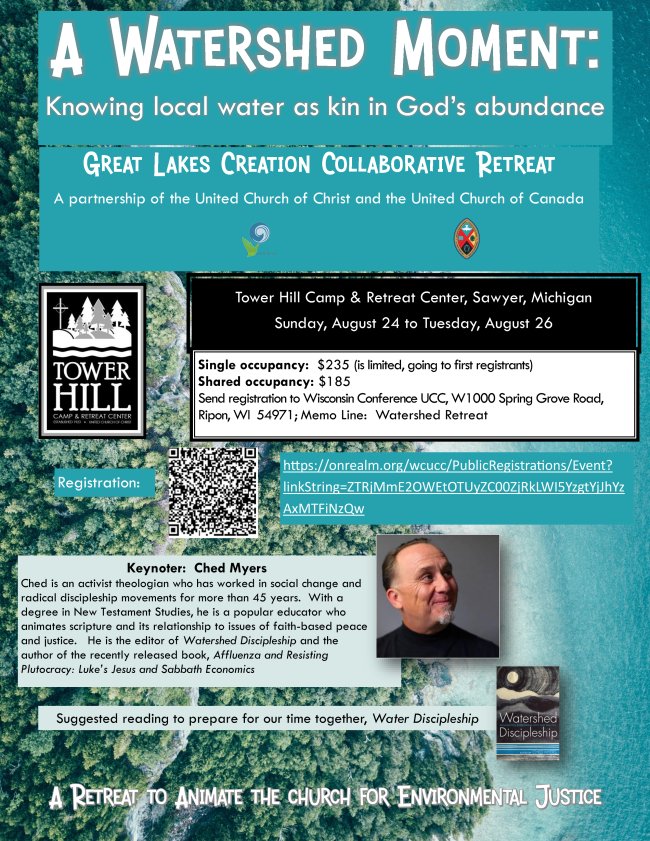
The Great Lakes Creation Care Collaborative invites you to join us at our UCC Tower Hill Camp among the sand dunes of Lake Michigan's beautiful east coast. The attached flyer gives you the details and the way to register. Watershed Discipleship leader and New Testament scholar Ched Myers will be our keynoter, and we will enjoy fellowship with creation caregivers from the Ontario region of the United Church of Canada and the UCC conferences around the Great Lakes.


Also find below an Adopt a Body of Water curriculum written by our Michigan collaborator Mike Mulberry. Use it in part of in whole to introduce church members to the ministry of care for the watershed where we find ourselves.


Lesson plan 1

Lesson plan 2

Lesson plan 3

Lesson plan 4

Lesson plan 5

Lesson plan 6

The Launching of UCC Climate Hope Affiliates

The UCC is currently launching its first chapters of the UCC Climate Hope Affiliates program in Allentown (PA), Concord (NH), Framingham (MA), and Fremont (CA). With a deep sense of calling, affiliates will address the interconnected crises of climate change and societal injustice. With monthly actions, they will develop ongoing relationships with their members of congress, local media, and others in their broader community. Let us know if you are interested in starting an affiliate where you live.

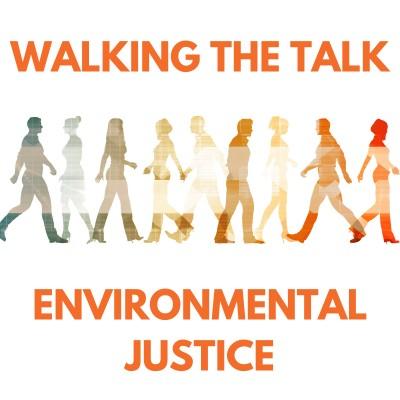
Walking the Talk

St. James United Church of Christ in Hamburg, New York was recently designated as a Creation Justice Church. The congregation has sought to embody their values through both our personal environmental practices and a commitment to active solidarity with Indigenous peoples. Read about how they have brought their faith to life.

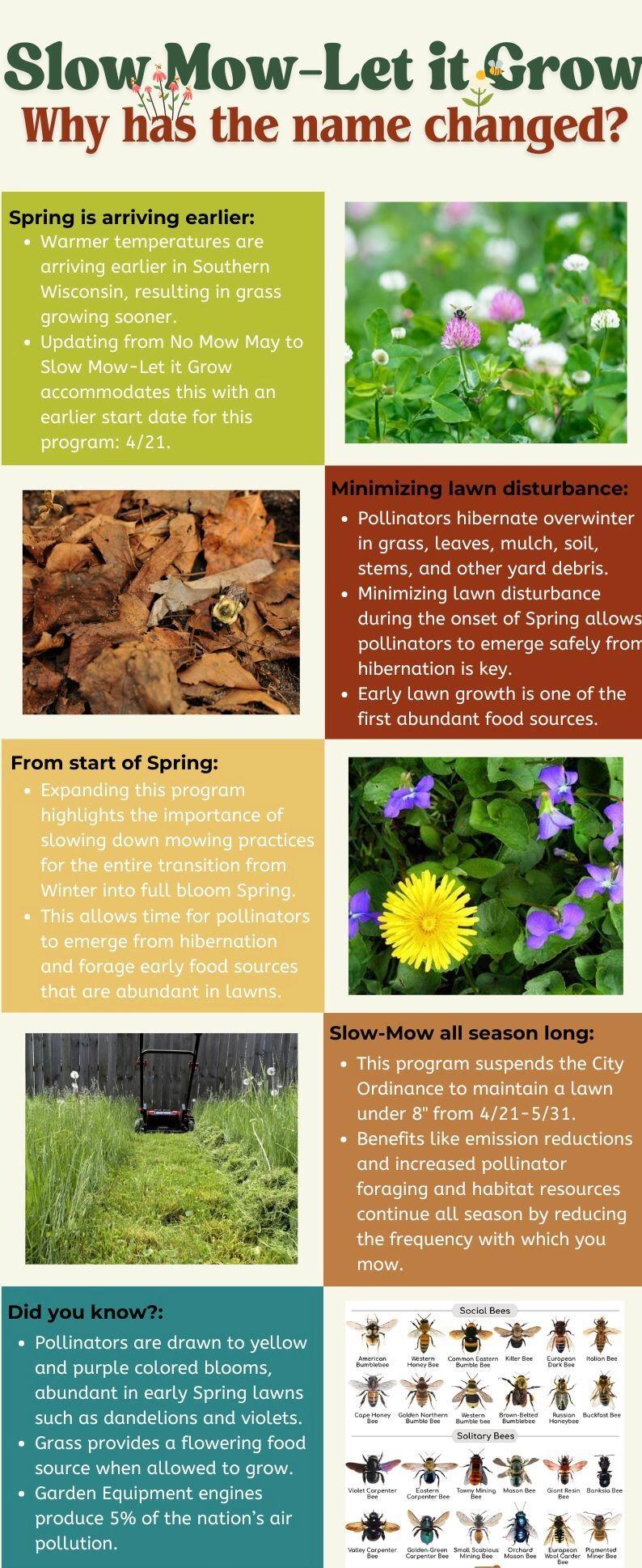
Slow Mow-Let it Grow (No Mow May)

Slow Mow-Let It Grow (previously No Mow May) is a conservation initiative popularized in recent years. This initiative encourages property owners to refrain from or reduce the frequency of their lawn mowing practices from the onset of Spring until temperatures are consistently above 50°F and the landscape is blooming. The goal of this practice is to provide early-season foraging and habitat resources for pollinators that emerge in the spring (especially in urban landscapes where these resources are often limited) while decreasing carbon emissions associated with lawn care machinery. Check with your community website to see how your community is participating.

Milwaukee church saw opportunity to plant trees on empty land. Trump team saw DEI effort.

Madeline Heim Milwaukee Journal Sentinel


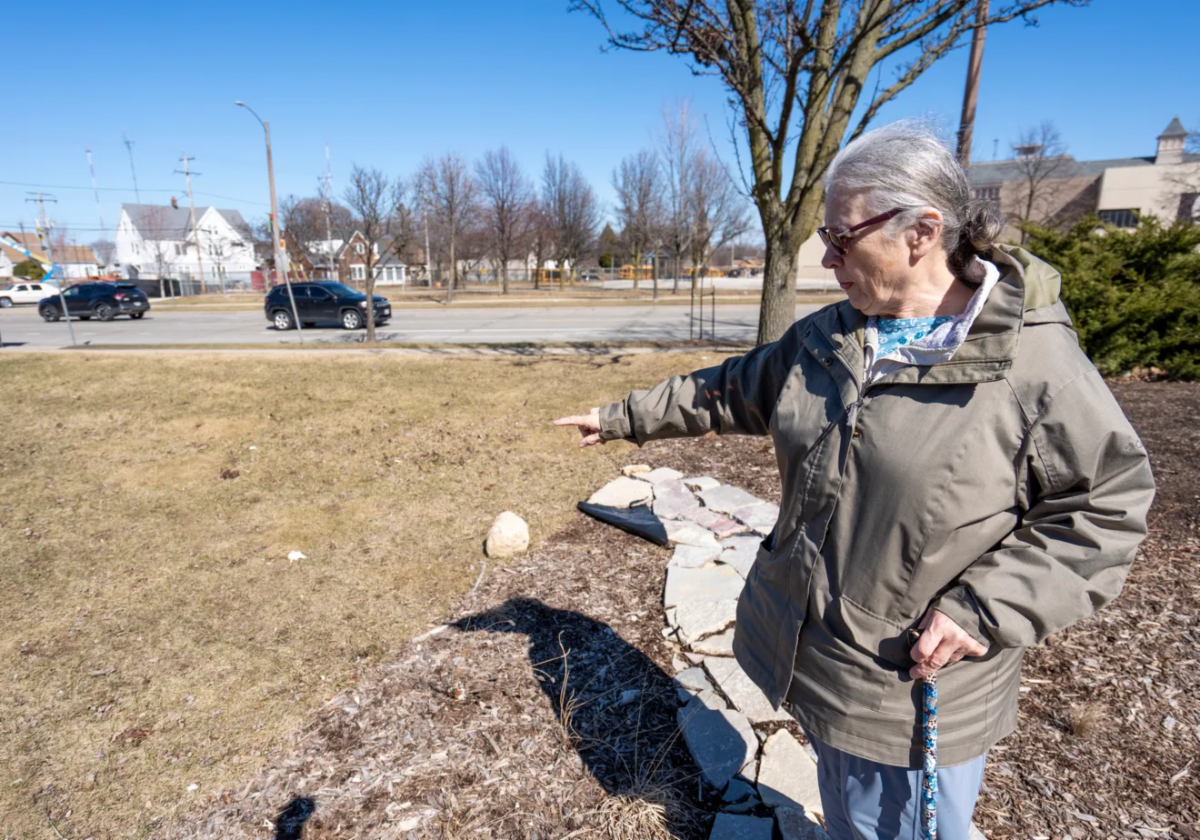
This spring, Solomon Community Temple United Methodist Church in Milwaukee's Harambee neighborhood was going to get greener.


The church, which is heavily invested in protecting the environment, had secured nearly $28,000 to plant 16 native trees on its property with the hope of bringing more shade to the neighborhood. It was to be a small but important step toward making sure all city neighborhoods reap the health and environmental benefits trees provide, not just wealthier ones.


“We're in a very visible spot in Milwaukee," said Katharine Goray, the church's chair of projects and outreach ministries. "If we can create a ripple effect through other houses of faith and nonprofits, it would make a substantial difference and help balance that lack of green space."


Those plans are now on hold.


The money came from former President Joe Biden's sweeping climate law, the Inflation Reduction Act—money that President Donald Trump froze upon taking office and ordered agencies to review. With the review ongoing, Faith in Place, a Chicago nonprofit which received $1.9 million in Inflation Reduction Act funds for tree-planting work, can't pass on the funds it promised to groups across the upper Midwest. Read more here


Photo: Katharine Goray, chair of projects and ministry at Solomon Community Temple Temple, points to a space where some of the 16 trees to be planted to combat the urban heat island effect.

Photo of the Month/Moment of Awe

Rite of Spring - Sharp-tailed Grouse do an amazing mating dance in early morning each spring. These birds require special barrens habitat, and their population has dwindled from being present statewide to a few stronghold areas in central and northwest Wisconsin.  They are listed as a Species of Greatest Conservation Need by Wisconsin DNR, and their habitat is rare and threatened as well. Careful land management through prescribed fire and mowing is required to maintain barrens habitat for the grouse and other open-landscape dependent wildlife and plant species. To learn more or to reserve a viewing blind, visit namekagonbarrens.org. This video was taken from a blind in the Namekagon Barrens Wildlife Area by Kevin Hagen of Spooner (member of Namekagon UCC in Earl).

View Franz Rigert's video updating the Wisconsin Conference UCC Kairos Call To Action and share with your congregation!


Sign up for the Kairos Call to Action Newsletter to ensure you don't miss future issues!
This newsletter is made possible by your contributions to Our Church's Wider Mission Basic Support.
Wisconsin Conference UCC | wcucc.org
Facebook