| |
2024 marks the 60th anniversary of the Water Resources Research Center at the University of Arizona. Find out more. | | | IN THIS ISSUE: Webinar Recap, IRes Grand Opening, Water for All, New Climate Study | | |
Webinar Features Watershed Restoration
in Superior
| | |
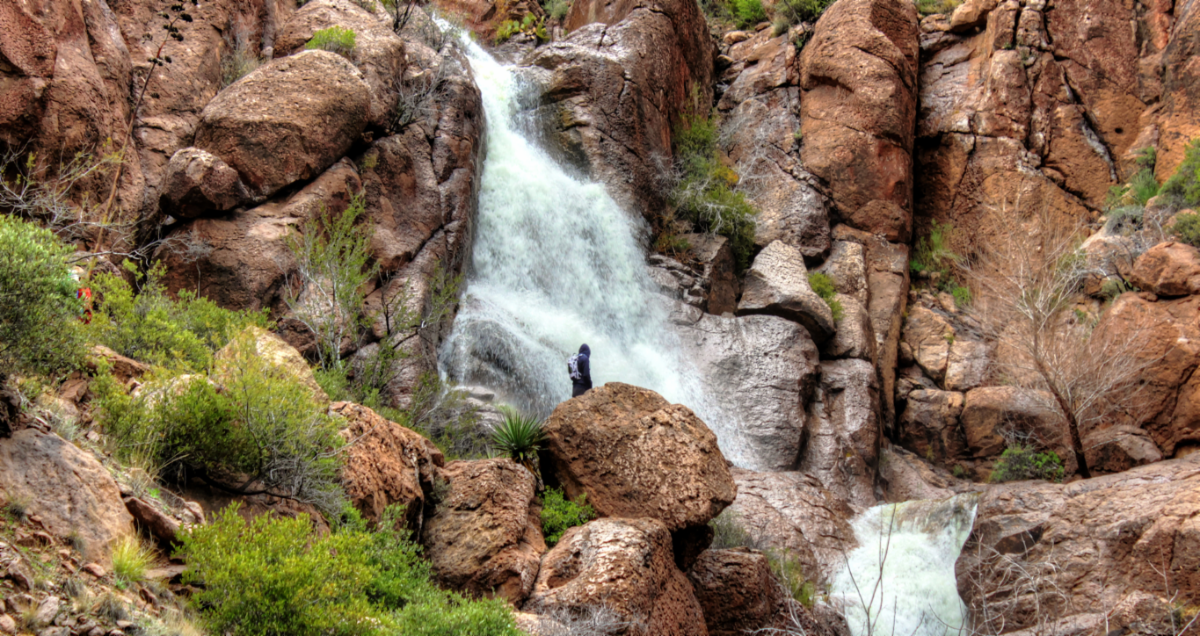
On September 24, the WRRC hosted a Water Webinar titled Using Green Stormwater Infrastructure Projects to Develop Partnerships and Address Stakeholder Needs that talked about ongoing watershed restoration work in the Town of Superior. The panel included Town Manager Todd Pryor, Jim Schenck, Rebuild Superior Treasurer & Legends of Superior Trail Vice President, and Raluca Mihalcescu, Arizona Water Company Water Conservation Coordinator. WRRC Project Manager Garland Speight served as moderator. The panelists provided a brief history and status report on Queen Creek restoration efforts, including how they acquired funding and how stakeholder interests have been incorporated into planning. They also described the current focus of these efforts, the Coleman Alley Green Stormwater Infrastructure project, a “pocket park” designed to capture stormwater and reduce flooding. A Queen Creek Working Group was formed in 2019, whose goals are to recover riparian areas, implement shallow aquifer recharge, restore perennial base flow in the creek, and create recreation opportunities. The panelists highlighted challenges and obstacles to these goals, including changes to water flow patterns due to historic mining in the area and the arduous administrative processes required to secure funding. They also presented some strategies the Working Group and partners have identified to address these challenges. The webinar recording and presentation slides are available on the WRRC website.
Image: Cat Brown. Waterfall Canyon, Queen Creek
| | |
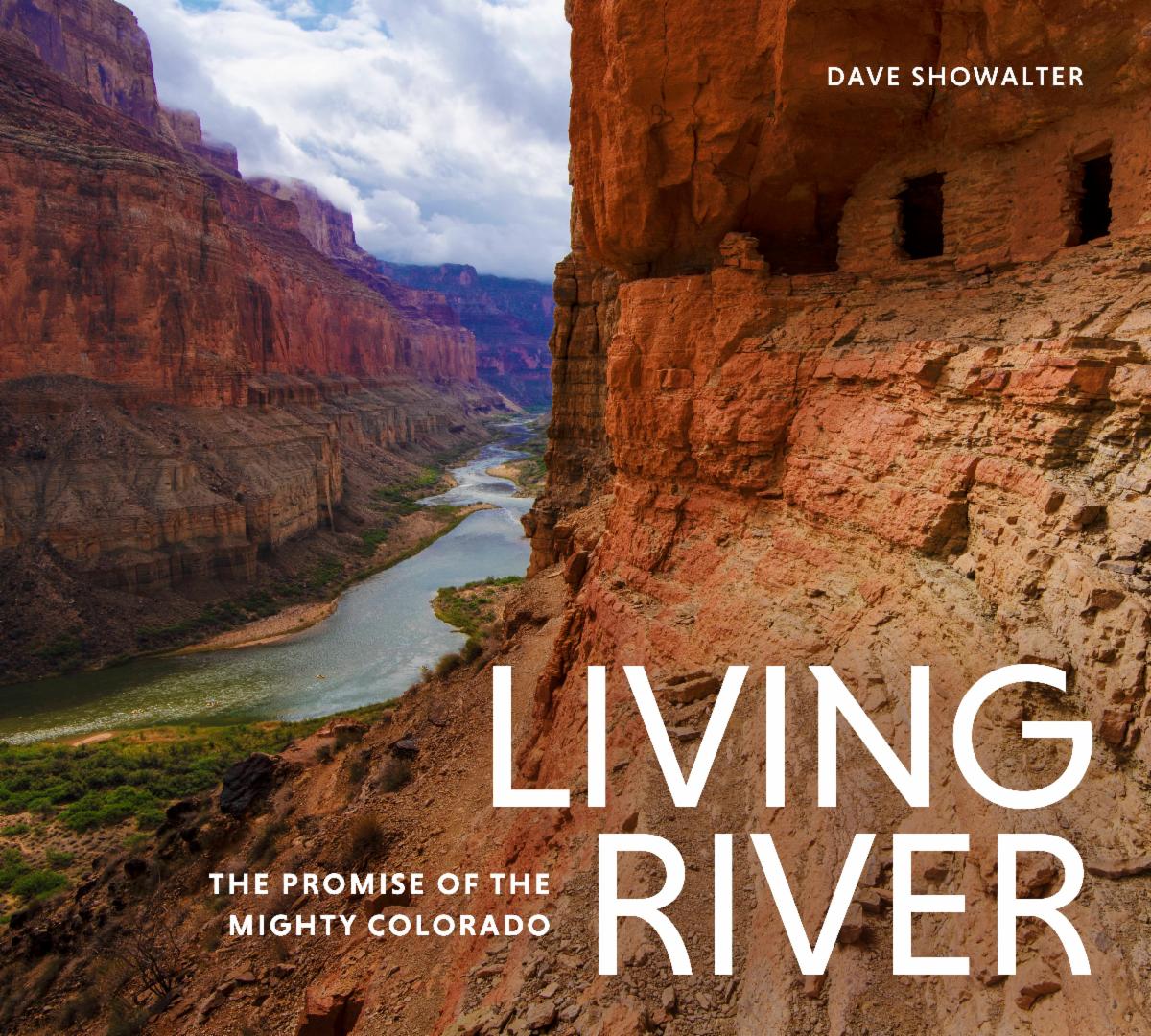
WRRC Special Event: Living River: The Promise of the Mighty Colorado
Author Talk and Book Signing
Date: Thursday, October 31, 2024
Time: 3:00 pm–4:30 pm Arizona Time
Location: In-person* (WRRC) and virtual (Zoom)
*In-person registration is free but limited.
Speaker:
Dave Showalter, Author and Photographer of Living River: The Promise of the Mighty Colorado
Join the WRRC and conservation photographer Dave Showalter for a unique in-person event — an epic visual journey through the vast Colorado River watershed. Showalter’s new book, Living River: The Promise of the Mighty Colorado from Braided River, paints a galvanizing picture of the living Colorado River and the challenges it faces, and will inspire people of all walks of life to cherish and protect the life, beauty, and resilience of this dynamic life force. Featuring stunning photography and powerful essays, Living River captures breathtaking landscapes rich with wildlife from upper Colorado’s tributary Fraser River to the southwestern Gila and San Pedro Rivers.
| | |
IRes Holds Grand Opening Celebration
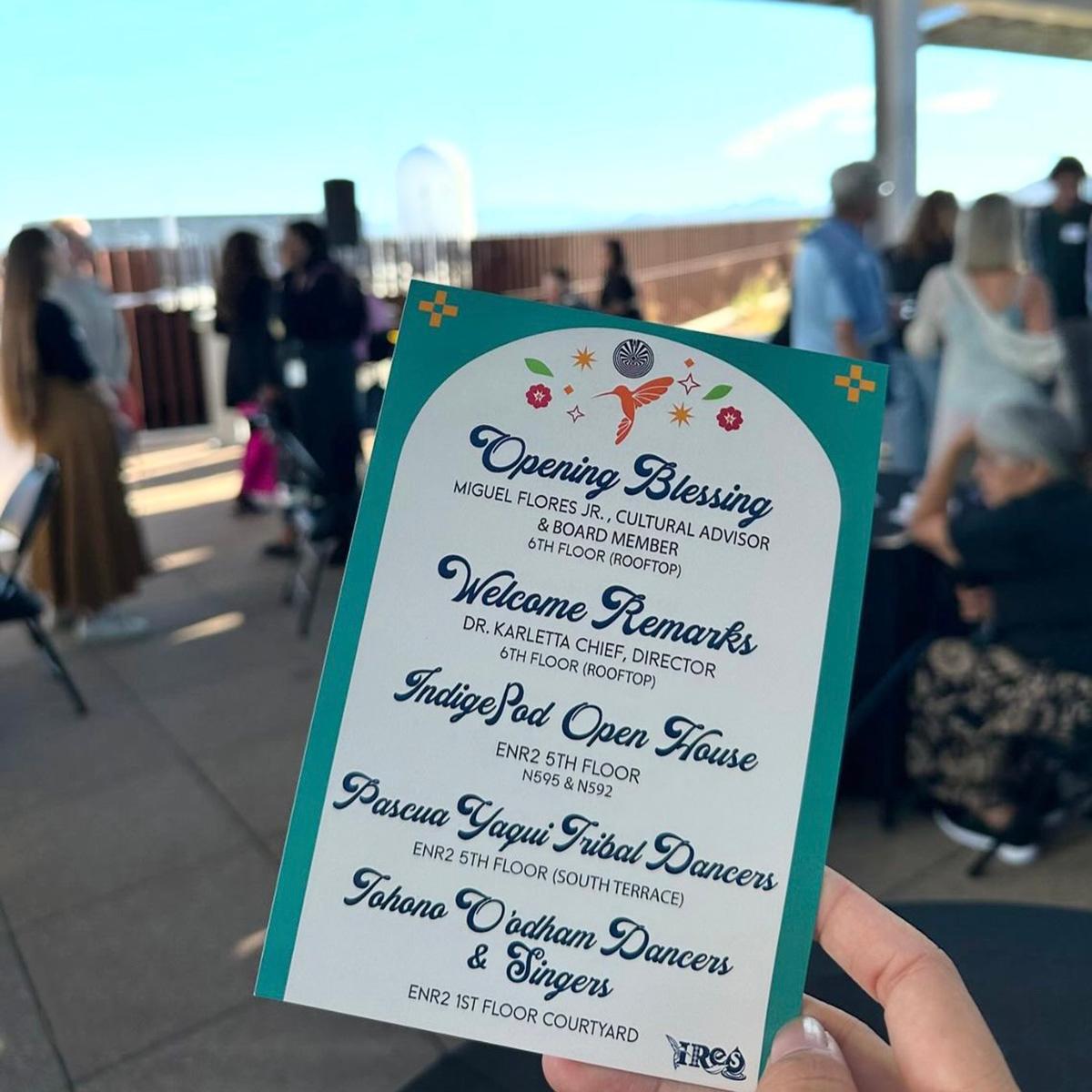
Last week, members of WRRC staff and others from the community attended a grand opening celebration for the new University of Arizona Indigenous Resilience Center (IRes). The Center is designed and furnished as a welcoming community space for IRes to continue combining research, education, and outreach and to create partnerships and collaborations between Tribal Nations around Arizona and across the country. The IRes vision statement states, “We see a world in which Indigenous communities are thriving and adaptable to meet environmental and societal challenges.” The grand opening featured a blessing from Cultural Advisor and Board Member Miguel Flores, Jr., welcoming remarks from Director Karletta Chief, and performances by Pascua Yaqui Tribal dancers and Tohono O’odham dancers and singers. Visit the IRes website to learn more about their important work with Indigenous communities.
Image: Pima County District 5 Office
Indigenous Resilience Center (IRes)
| | |
Meeting Invited Collaborations with ASU Arizona Water for All Program
WRRC Associate Director Jamie McEvoy and Program Officer Susanna Eden participated, along with researchers from across U of A, in an introductory meeting of the Arizona Water for All network, convened by U of A Lead Megan Carney, Associate Professor of Anthropology. Water for All is one of five “pillars” of the new Arizona Water Innovation Initiative (AWII) at Arizona State University, funded with $40 million from the State of Arizona. Beyond its focus on advancing and deploying science and technology, AWII recognizes the importance of broad public awareness, engagement, consensus building, and addressing water insecurity. Drawing on the expertise and approaches of social scientists, Water for All “aims to improve water security and engagement in water decision-making” for Arizona's most water-insecure households. The meeting acquainted participants with the program and generated discussion of its collaborative potential. Despite administrative challenges, Arizona Water for All representatives, Alexandra Brewis, ASU Regents Professor and President's Professor, and Amber Wutich, ASU President's Professor and Director of the Center for Global Health, emphasized their commitment to collaborations with researchers at Northern Arizona University and U of A in the program and beyond.
Arizona Water for All
| | |
Study Examines Climate Over Past 485 Million Years
A research study published in Science on September 20 used fossil evidence and climate modeling to construct a timeline of Earth’s global mean surface temperature over the past 485 million years. The results confirmed the link between carbon dioxide and global temperature, showing that atmospheric carbon dioxide has been the dominant driver of climate over almost half a billion years. Temperature variations over the period indicate that the planet can warm to temperatures never before experienced by the human species. Emily Judd, the study’s lead author, is a paleoclimatologist at the Smithsonian National Museum of Natural History and a former postdoctoral researcher at the University of Arizona (U of A). Co-author Jessica Tierney is also a paleoclimatologist and a professor of geosciences at U of A. Other co-authors included scientists from the Smithsonian, the University of Bristol, and the University of California, Davis. The research will continue, with plans to refine the timeline and incorporate additional data to aid future climate modeling efforts.
| | |
Exciting News: The Weekly Wave is Moving to a New Platform!
This fall, we’re transitioning to Trellis, the University of Arizona's Constituent Relationship Management (CRM) system, to deliver our Weekly Wave e-news digest. If you're already subscribed, no action is needed—we’ll automatically transfer your subscription. Stay tuned, more details coming soon!
| | WATER JOBS & OTHER OPPORTUNITIES | | Please visit WRRC's website for a complete listing of water jobs and opportunities. | |
Do you have a story idea, water job announcement, or event to share?
| | | | |