DOE Transmission Study Sparks an Important Conversation
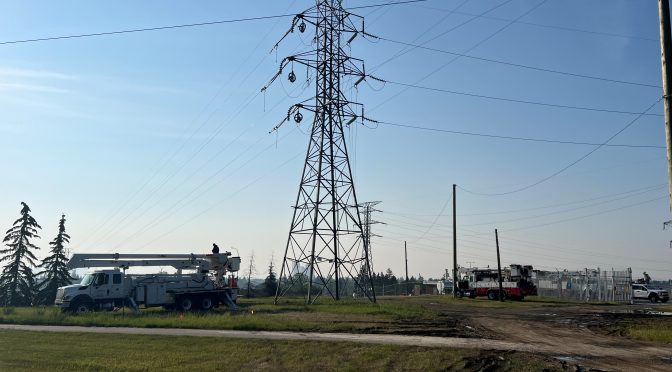
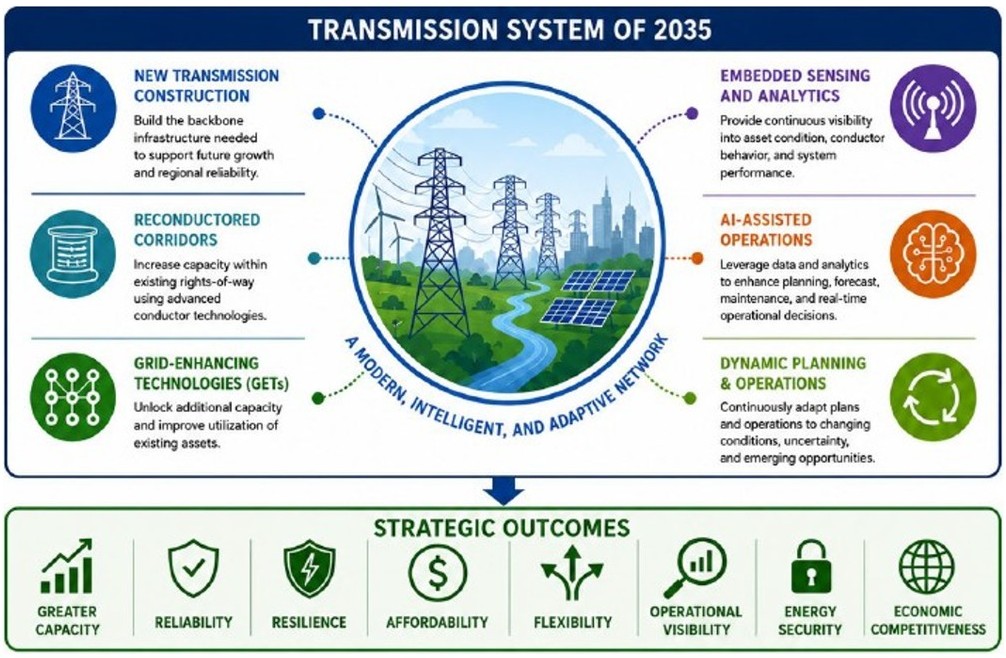
The U.S. Department of Energy's Draft 2026 National Transmission Needs Study highlights one of the defining challenges facing the electric power industry: how to deliver significantly more transmission capacity quickly enough to support accelerating electricity demand. From artificial intelligence and hyperscale data centers to electrification, manufacturing growth, and renewable energy integration, the report underscores the urgent need for both strategic expansion and modernization of the existing transmission system.
CTC Global applauds the DOE for advancing this important national conversation while recognizing that no single solution can address every transmission challenge. As utilities evaluate the path forward, Advanced Conductors, Grid-Enhancing Technologies (GETs), intelligent monitoring systems, and other proven solutions each have an important role to play. Our latest blog explores the report's key findings and discusses why improving the productivity of existing transmission infrastructure may be one of the fastest and most cost-effective ways to strengthen the grid for decades to come.
| | | | The Existing Grid May Be America’s Most Valuable Energy Resource | As electricity demand accelerates, utilities are recognizing that one of the fastest and most cost-effective ways to increase grid capacity may be through the infrastructure already in service. Rather than viewing new transmission construction as the only path forward, the industry is increasingly embracing technologies that unlock additional capacity, improve efficiency, and maximize the value of existing transmission assets. | | | | "Next-Generation" Technology Is Built Through Continuous Engineering Innovation | For some, "Next Generation" seems to have become an overused marketing term. But true next-generation technology is built over decades of continuous engineering refinement, validation, and real-world experience. This article explores why lasting transmission innovation depends on complete engineered systems - not marketing claims - and how continuous advancement has shaped the evolution of modern Advanced Conductors. | |
CTC Global to Exhibit and Present Three
Technical Papers at CIGRE Paris
| |
CTC Global will be participating in the CIGRE Paris Session 2026, taking place August 23–28 in Paris, France. Recognized as the world's premier technical conference for high-voltage power systems, CIGRE brings together utility engineers, transmission operators, researchers, manufacturers, and technology innovators from around the globe to exchange knowledge and discuss solutions to the challenges facing modern electric grids. CTC Global will be exhibiting at Booth A181 and contributing several technical presentations, listed below We look forward to engaging with customers, partners, utilities, and industry experts from around the world while sharing insights on Advanced Conductors, composite core technologies, grid monitoring solutions, and the future of transmission infrastructure.
11615 - Monitoring of Overhead Lines Using Embedded Optical Fibers for Capacity Optimization, Line Awareness, and Determining Maintenance Schedules
10229 - Evaluation, Analysis, and Recommendation of Acceptance Criteria to Determine Ageing on Composite Core Conductors Utilizing the Arrhenius Method
12016 - Next Generation Overhead Lines with Carbon Core Conductors: Optimisation of Design Paradigm to meet the Needs of Energy Transition and reduced environmental Footprints
| | | | New ASTM Standard Marks Another Milestone for Advanced Conductor Technology | The publication of ASTM B1012/B1012M-26 marks an important milestone in the evolution of Advanced Conductor technology by establishing the industry's first comprehensive standard for ACCFCS/TW conductors. Developed through collaboration across the transmission industry, the new specification provides a common engineering framework for conductor design, manufacturing, testing, quality assurance, and procurement. As utilities continue to modernize the grid, internationally recognized standards play a critical role in supporting confidence, consistency, and long-term reliability. This article examines what the new ASTM standard means for utilities, manufacturers, and the continued advancement of high-performance transmission technologies. | | | | |
7 ACCC® Projects Recently Energized
75 ACCC® Projects Under Construction
44 ACCC® Projects Scheduled to Start
| |
Vietnam Grid Upgrade Demonstrates the Value of
ACCC® Conductor in Challenging Conditions
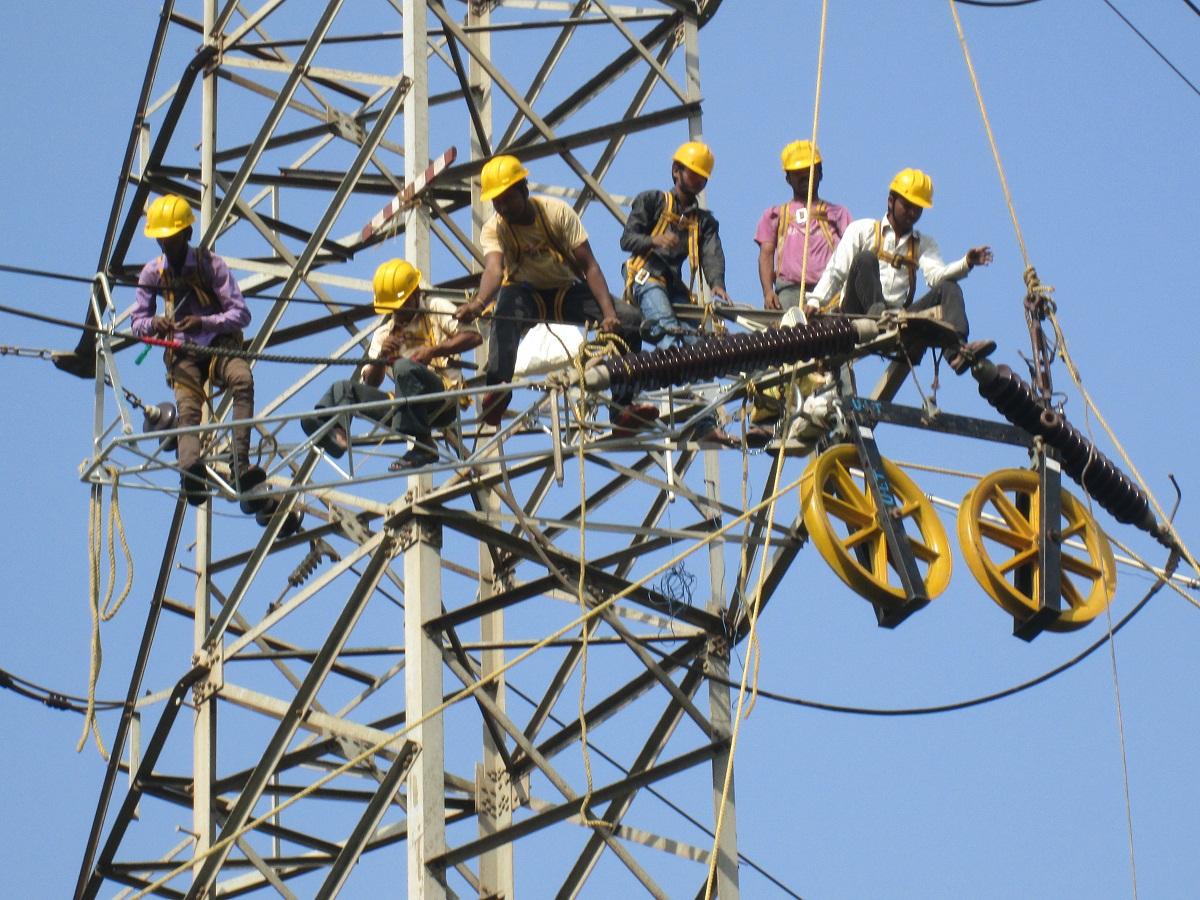
| | Utilities around the world are increasingly turning to reconductoring as a fast and cost-effective way to increase transmission capacity while maximizing the value of existing infrastructure. This project highlights how EVNNPC successfully upgraded its Nam Ninh – Nghia Hung 110 kV transmission line using ACCC® Conductor to improve system performance despite challenging installation conditions. It also demonstrates the importance of experienced installation teams, purpose-built hardware, and proven Advanced Conductor technology in delivering reliable, long-term transmission upgrades. | | | |
Southern Company Technical Conference & Tradeshow
August 18-20 | Birmingham, Alabama
| CTC Global will be exhibiting at the Southern Company Technical Conference & Tradeshow, August 18–20 in Birmingham, Alabama. We look forward to connecting with utility professionals to discuss the latest advances in transmission modernization, Advanced Conductors, and grid innovation. | | | |
T&D World Live
September 1-3 | Orlando, Florida
| CTC Global will be exhibiting at T&D World Live 2026, September 1–3 in Orlando, Florida. Join us to discuss the technologies and strategies helping utilities address rapid load growth, modernize transmission infrastructure, and build the grid of tomorrow. | | | | Transmission Modernization and the Future of Grid Capacity | We're pleased to announce the publication of CTC Global's newest white paper, Transmission Modernization and the Future of Grid Capacity, which examines how utilities can meet rapidly growing electricity demand by improving the productivity of both existing and future transmission infrastructure. Drawing on research and insights from leading utilities, universities, national laboratories, and industry organizations, the paper presents a practical engineering framework for delivering more capacity, more efficiently, and more quickly from every transmission investment. | | | | |