| |
|
Lewis & Clark Trail News
Bringing the Trail to Life
May 17, 2025
| | |
Impact on Public Land
Editorial from Executive Director, Richard Hunt
Disturbing news out of Montana this week signals yet another warning bell for those who care about our nation’s history and public lands.
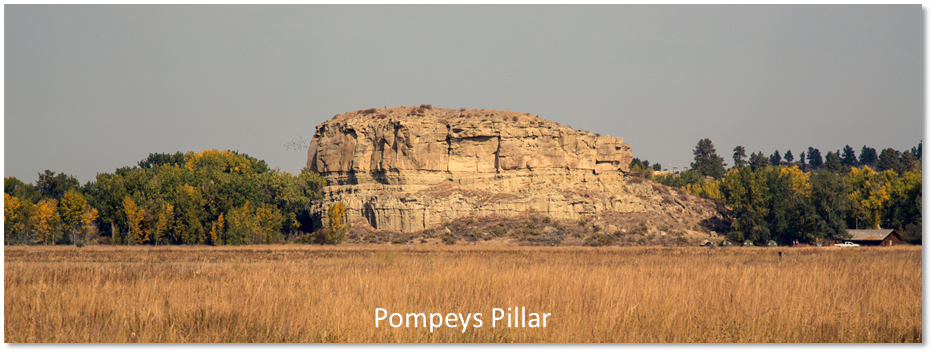
On May 22, Pompeys Pillar National Monument will reopen for the season—but with reduced hours and intermittent visitor center access due to limited staffing. Vehicle access is scheduled to be open only three days a week, from 9 a.m. to 4 p.m., and the site’s remarkable interpretive center may or may not be open, depending on whether someone is available to staff it.
The message from site management is polite and apologetic. The message between the lines is clear: our national treasures are being quietly starved of the support they need to thrive. This should concern all of us.
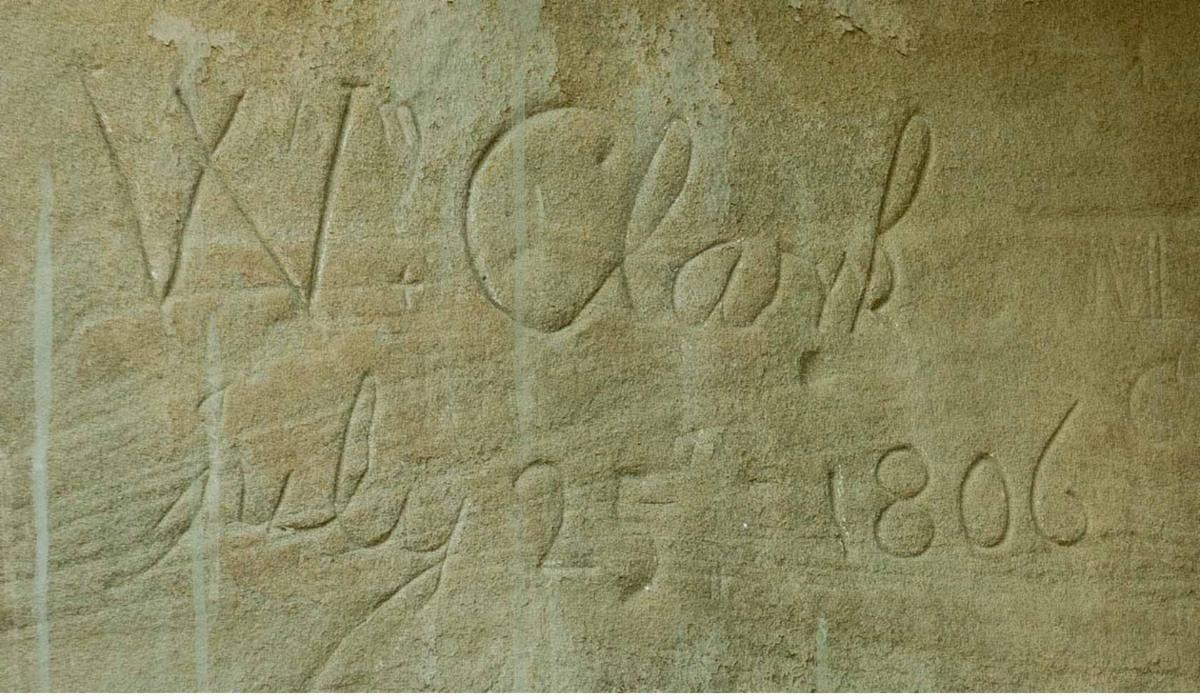
Pompeys Pillar is more than a scenic outcrop above the Yellowstone River. It is one of the most iconic and tangible links to the Lewis and Clark Expedition—home to the only physical evidence left on the landscape from their journey: William Clark’s carved signature, dated July 25, 1806. His view from the top, and his decision to name the place “Pompey’s Tower” in honor of Sacagawea’s son, reminds us that these were real people, moving through real landscapes with real consequences.
Surrounding that signature are thousands of years of human history. Native American petroglyphs. Ancient trails. The stories of generations who saw the Yellowstone River not as a backdrop to history, but as a lifeline.
And yet today, we’re told that due to budget constraints, visitors may need to make do with walking in from the gate and hoping the visitor center is open.
Pompeys Pillar draws around 50,000 visitors each year, despite its rural location 25 miles northeast of Billings. That’s 50,000 opportunities to inspire students, educate families, and connect people with the deep and complex history of this land. But those opportunities are dwindling if our parks and public lands continue to be underfunded, understaffed, and undervalued.
This is not just about one site. Across the country, historic landmarks, cultural heritage sites, and public lands are being squeezed by shrinking budgets and rising demands. The National Park Service faces billions in deferred maintenance. Interpretive programs are cut. Seasonal hiring struggles. And every time a visitor arrives to find a closed door or an empty ranger station, we risk losing their interest—and their trust.
So here’s the question:
Are we, the public, willing to fight for the places that define us?
Supporting our parks means more than visiting them. It means calling our representatives. Demanding robust funding for public lands. Donating to friends groups and local foundations. Volunteering. Voting for leaders who value history, education, and the environment.
The story of Pompeys Pillar didn’t end in 1806. It’s still being written. And now, we all have a role in the next chapter.
Let’s make sure it’s one we can be proud of.
BLM Announcement----------------------------- USAToday Article
| | | |
Watch
Most Certain Evidence
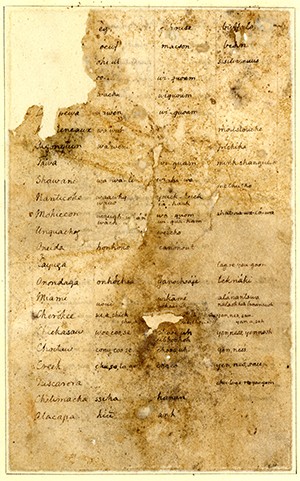
Thomas Jefferson believed science and politics were deeply intertwined—and that understanding the origins of Native American languages could illuminate both the history of the continent and the future of American democracy.
Featuring rare documents, including a mud-stained vocabulary list nearly lost to theft, this story reveals how Jefferson’s curiosity and political philosophy shaped one another .
| | |
Watch
Into the Unknown
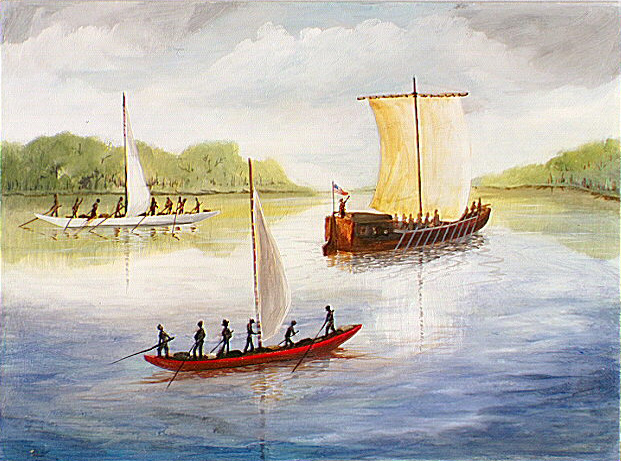
May 14, 1804 - On this day, Captains Meriwether Lewis and William Clark set off from Camp River Dubois, launching one of the most legendary expeditions in American history. Their mission? Explore the uncharted lands west of the Mississippi, find a route to the Pacific, and open a new chapter in the story of a young nation.
What began as a river launch became an epic journey through unknown territory—guided by courage, diplomacy, and discovery.
| | |
Watch
Legacy of Halahtookit
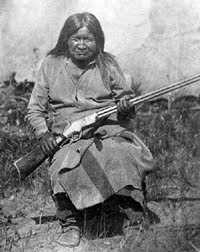
Allen Pinkham Sr. shares powerful insights into the story of Red Bear and the formation of tribal alliances during the Lewis and Clark Bicentennial. Among the lesser-known legacies of the Expedition is the story of Halahtookit— “Daytime Smoke”—possibly the son of William Clark and a Nez Perce woman following the Corps of Discovery’s 1806 stay with the tribe.
This video explores a complex story of kinship, cross-cultural relationships, and the enduring human threads woven into the epic journey of Lewis and Clark.
| |
A Good Journey, Páaxat Háykatin
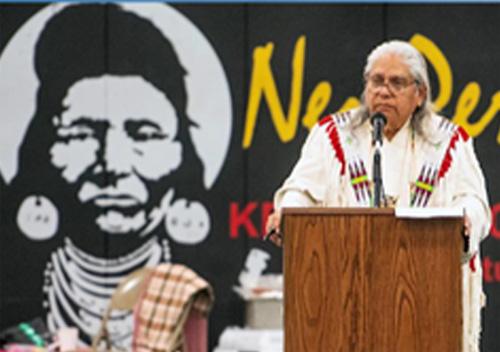
Allen V. Pinkham, Sr., a gracious gentleman, innovative leader, Nez Perce storyteller, author, and notable historian of the Nez Perce Tribe and the Lewis and Clark Expedition, passed away April 18. His Nimíipuu (Nez Perce) name was Páaxat Háykatin, which in English translates to Five Blue Skies.
He was the great-great-grandnephew of the famous Nez Perce leader, Chief Joseph, and a descendant of William Clark of the Lewis and Clark Expedition. In the video posted above in our YouTube section, Allen discussed his genealogical connection to William Clark, which occurred in 1806 as the explorers were returning to St. Louis and how even in this time, "Alliance's" were being formed
During his lifetime, he made significant contributions to the American Native culture and history. He founded the Chief Joseph Foundation, which has mentored thousands of Nez Perce youth, and was a founding board member of the Smithsonian’s National Museum of the American Indian. He served on several U.S. Presidential Committees for the Lewis and Clark Bicentennial.
He and Steven R. Evans co-authored Lewis and Clark Among the Nez Perce: Strangers in the Land of the Nimiipuu, an extraordinary look at the Lewis and Clark explorers’ encounters with the Nez Perce. “Nimiipuu” means “the people,” or Nez Perce, when translated into English.
“The world has lost a great man,” wrote author Deborah Hufford in a May 3 article published in her popular blog, Notes From The Frontier. Allen provided her with considerable assistance on Nez Perce history for her 2023 award-winning novel, Blood to Rubies. “He was so vibrant and his mind so sharp. I thought he would live forever.”
Read more about Allen and one of his Nez Perce stories
| | | | | |
How many Calories?
What were the energy demands to pole a barge up the Missouri River?
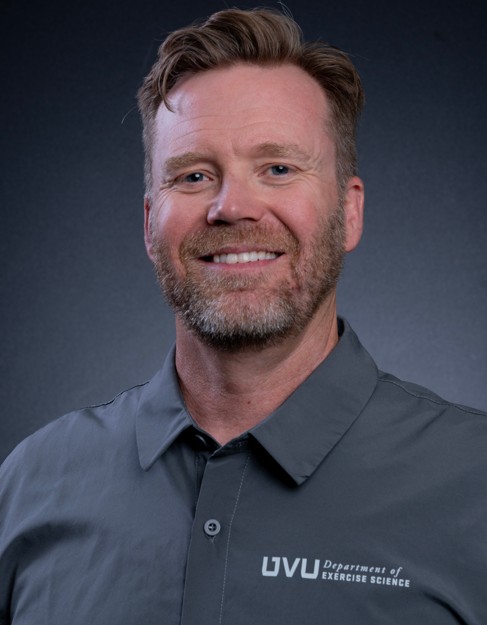
Join us for a free on-line lecture presented by Andrew Creer who will use current data to hypothesize energy requirements of the Corps of Discovery and provide comparisons to modern data highlighting the limits of sustained physical activity.
Andrew Creer is a professor specializing in exercise science and is currently serving as the department chair for Exercise Science & Outdoor Recreation at Utah Valley University.
| | |
LCTA Grant Awards in Action
The Lewis & Clark Trail Alliance’s 2025 Stewardship Endowment Grants help 15
organizations focus on speakers, events, displays, brochures, and other creative projects that tell the expedition’s story. Here is a look at two of the grants:
| | |
Updated Interpretive Brochure
The Friends of the Lewis & Clark Bicentennial received a $7,500 grant to update and reissue their current interpretive brochure that helps the public learn about the activities of the Lewis and Clark Expedition in the Middle-Missouri Region, which encompasses the Missouri River in the area of western Iowa, eastern Nebraska and southeast South Dakota.
| | |
The new edition provides a significant increase in information about the explorers and the Trail since the original brochure was published in 2011.
The nonprofit Friends of Lewis and Clark Bicentennial—established in 2002 to foster public education about the National Historic Trail—is engaging with Native American nations, historical societies, and recreational stakeholders to gather information and artwork. The bicentennial group is being assisted by J. Greg Smith, Inc., an Omaha company that specializes in helping organizations focused on promoting historical trails and sites.
The printed brochure is highly sought after where it is distributed to travelers at interpretive centers, state parks, and recreation agencies. Many schools also utilize the brochure during field trips.
| | | | |
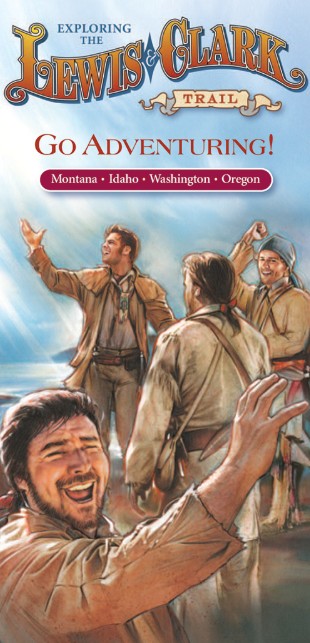
Thanks to funding from a Lewis & Clark Trail Alliance $7,500 grant, an auto tour brochure is being created to promote and encourage visitor traffic to interpretive and cultural centers, as well as communities, located along the Lewis and Clark Expedition’s route through South Dakota, Idaho, Washington, and Oregon.
The brochure will be an important printed and online asset that complements the Lewis & Clark Trail Alliance’s travel website
J. Greg Smith, Inc., an Omaha, Neb.-based company, that is a supporting partner with the Lewis and Clark Trail Experience, will develop the brochure that will guide visitors to historic sites where they can appreciate the expedition’s grit and tenacity.
| | |
|
|
Share the Adventure!
Every week, twenty new viewers subscribe to
The Lewis and Clark Trail News
Help us expand the community by sharing the newsletter with your network. Simply provide this sign-up link to friends, family, and fellow Trail enthusiasts.
| | | | |
Trip Inspirations
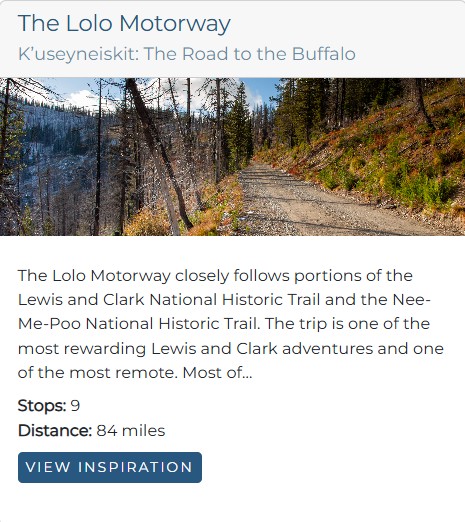
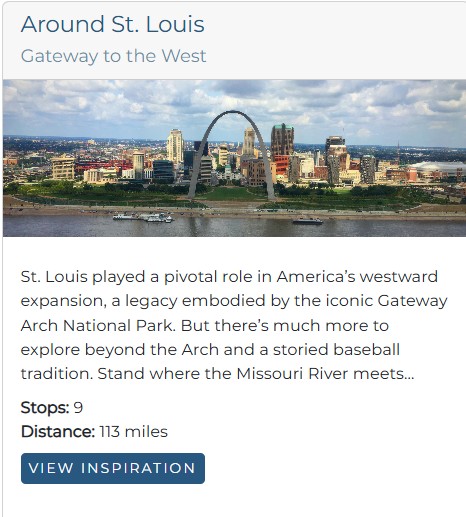
Curated by members of the Lewis & Clark Trail Alliance, these Trip Inspirations go beyond the well-known landmarks to reveal hidden gems along the Trail. Each journey includes links to rich historical backstories, nearby attractions, and an interactive map with driving directions. Customize your route by reversing directions, adding or removing stops, or even creating your own itinerary.
| | |
Step Into History at Lolo Hot Springs
June 27–28
| | |
Experience a lively, family-friendly celebration commemorating the anniversary of Lewis and Clark’s historic visit to Lolo Creek—where they made the first recorded discovery of a hot spring in the American West. As Captain Lewis noted, "It caused a profuse sweat..."
Set at the scenic and storied Lolo Hot Springs Resort, this event honors both the legacy of the Corps of Discovery and the longstanding cultural significance of this place to Indigenous communities.
Experience the past through engaging interpretive programs, living history reenactments, guided walks, Native storytelling, and educational exhibits. Enjoy live music, local food, kids’ activities, and of course, the chance to soak in the same mineral-rich waters once described by Lewis and Clark.
| | "Come sweat where history soaks in" | | Missouri River Cleanup - 4 Tons of Trash | | |
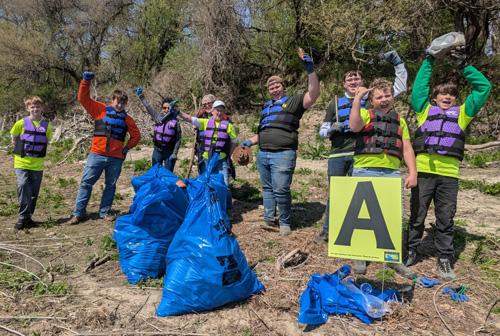
More than 220 volunteers organized by Missouri River Relief gathered April 12 in the Kansas City region to clean up 10 miles of riverbank along the Missouri River. The project centered around LaBenite Park where Lewis and Clark camped on an island June 25, 1804.
What the volunteers found during the cleanup was an incredible assortment of trash: bike wheels, tires, balls, hiking boots, baby sandals, a troll doll, and an American flag in good condition. In total, volunteers gathered 4.28 tons of trash. Click here to see the trash tally
This was the second year in a row that the cleanup host, Missouri River Relief, held an event in the Kansas City area. On May 17, MRR also hosted a similar event in Omaha.
In operation since 2001, Missouri River Relief is a remarkable nonprofit organization that relies on volunteers who participate in extraordinary stewardship and restoration projects that benefit the river. These volunteers get up close and personal with the waterway through exploration, education and recreation.
The Lewis & Clark Trail Alliance helps support Missouri River Relief projects with Trail Stewardship Grants.
The next cleanup is October 25 on the Osage and Missouri rivers near Jefferson City, Mo. If you are in the area, consider joining in this worthwhile event.
Watch a short video about the cleanup
| | | |
Lucy Meriwether Lewis Marks
June 2
Great Falls, Montana
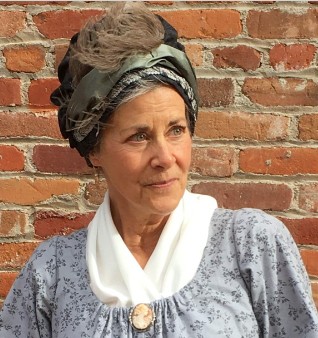
Join us at the Lewis and Clark Interpretive Center, 4201 Giant Springs Road to watch Mary Jane Bradbury portray Lucy Meriwether Marks Lewis.
The story of Thomas Jefferson’s Corps of Discovery is engrained in the history of our nation and essential to our understanding of the past. The story of Lucy Meriwether Lewis Marks—the mother of Meriwether Lewis—remains unknown, yet it offers critical insight into our understanding of the intrepid explorer.
| | |
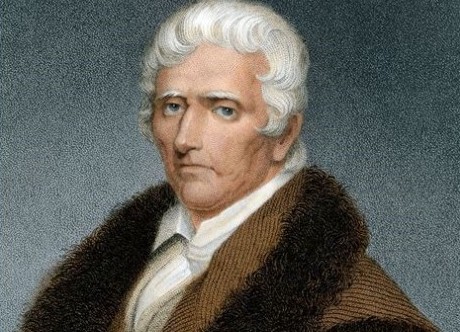
250th Anniversary of the Settling of Kentucky
June 7 - 8
Richmond, Kentucky
Fort Boonesborough hosts a free weekend of living history with expert speakers, reenactors, and hands-on activities.
Highlights include Daniel Boone historian Randell Jones, archaeologist Nancy O’Malley, period portrayals of frontier women, militia drills for kids, and demonstrations of 18th-century life—all under the historic trees once sheltering Kentucky’s first church and legislature.
| | |
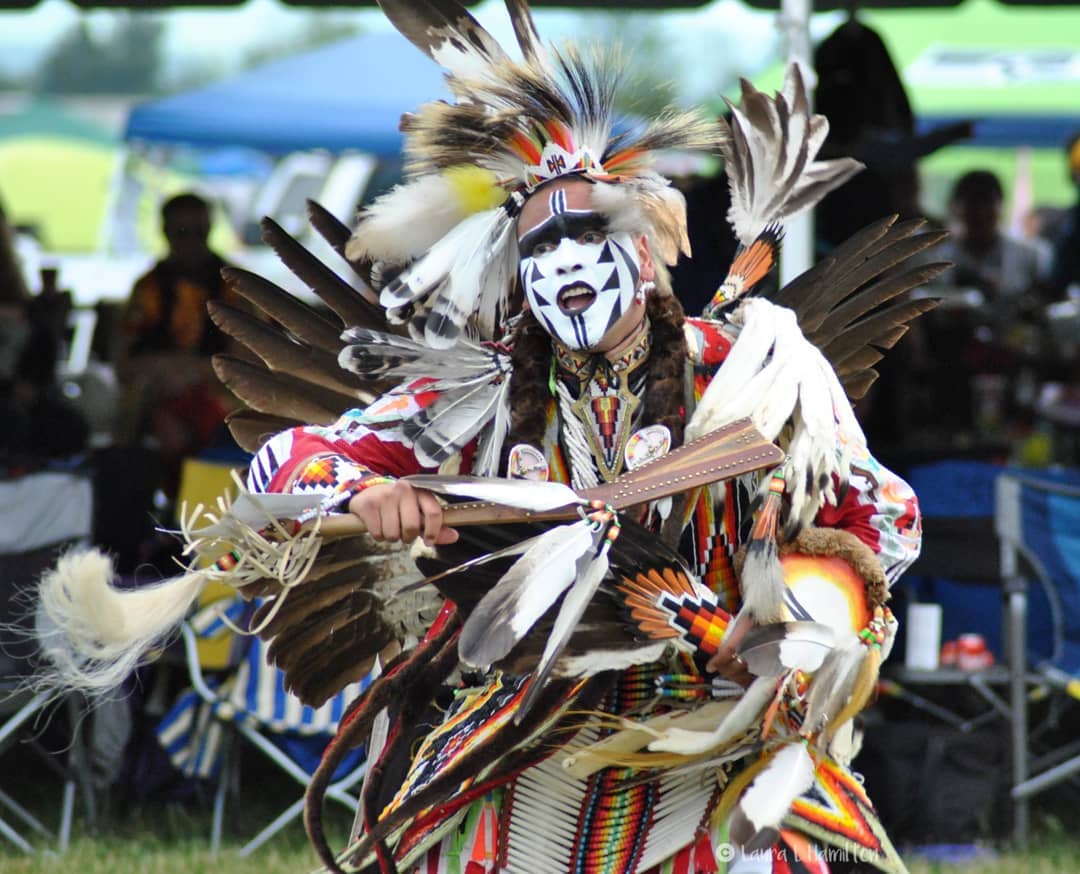
Chief Joseph Pow Wow
June 15
Lapwai, Idaho
The Chief Joseph & Warriors Memorial Powwow is a cherished gathering that transcends generations and welcomes people from all walks of life.
Families gather to partake in the vibrant festivities, creating cherished memories and strengthening bonds as they immerse themselves in the rich tapestry of Native American culture. From the energetic rhythms of the drum circles to the graceful movements of the dancers adorned in colorful regalia, every moment resonates with a deep sense of tradition and heritage.
| | |
Otter Landing
New Public Campsite Opens on the Jefferson River Canoe Trail
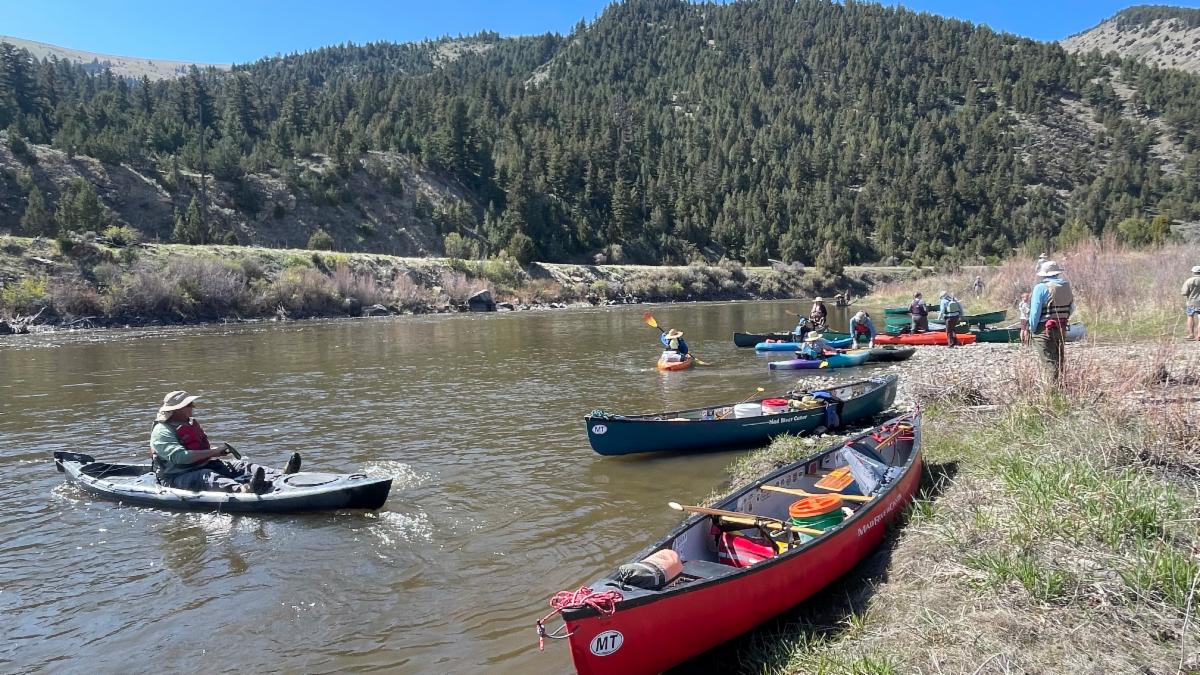
On Saturday, May 3, nine canoes and seven kayaks floated down the Jefferson River in Montana to visit Otter Landing—the newest public campsite along the Jefferson River Canoe Trail. The site was purchased in January after a successful two-month fundraising campaign led by the Jefferson River Chapter of the Lewis & Clark Trail Alliance.
| | |
This 4.43-acre parcel, part of an abandoned Milwaukee Railroad right-of-way, lies in a secluded bend two miles upstream of Sappington Bridge and is accessible only from the river. The nearby Magris Talc Plant is hidden from view, and visitors are greeted with open vistas and a serene landscape.
“Otter Landing is in a verdant bowl,” said Sally Schendel of Silver Star. “It’s a gentle landscape welcoming to all.”
Named for the abundant otters noted by Meriwether Lewis in 1805, the site expands recreation opportunities on the Jefferson, which now includes nine public campsites. Thanks to clever land use—including the old riverbed—Otter Landing effectively offers access to 12 acres and potential trails to 160 acres of adjacent state land.
Although one paddler was injured during the trip, emergency responders provided swift assistance. The group returned Sunday to install an interpretive sign featuring otter artwork by Sheridan artist Susan Jarman.
| | Big Bone Lick Celebrates National Historic Landmark Designation | |
|
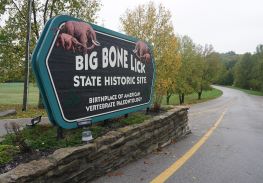
Big Bone Lick State Historic Site in Union, Kentucky, was officially designated a National Historic Landmark and celebrated with a dedication ceremony on May 9. This recognition makes it one of only 16 sites in the U.S. to hold both National Historic Landmark and National Natural Landmark status.
Often called the “birthplace of American paleontology,” Big Bone Lick drew the attention of President Thomas Jefferson, who in 1807 sent William Clark to collect fossils here. That mission became the nation’s first organized paleontological expedition.
| | | | Thanks D. A. Davidson for being a sponsor of the 2025 LCTA Annual Gathering | | Our Network of Online Resources | | | | |