| |
Boston Globe | May 25, 2023
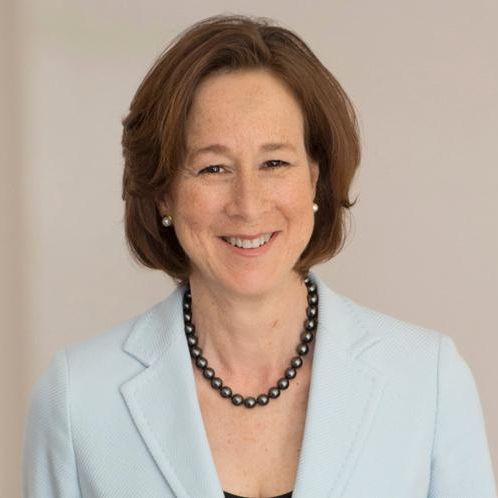
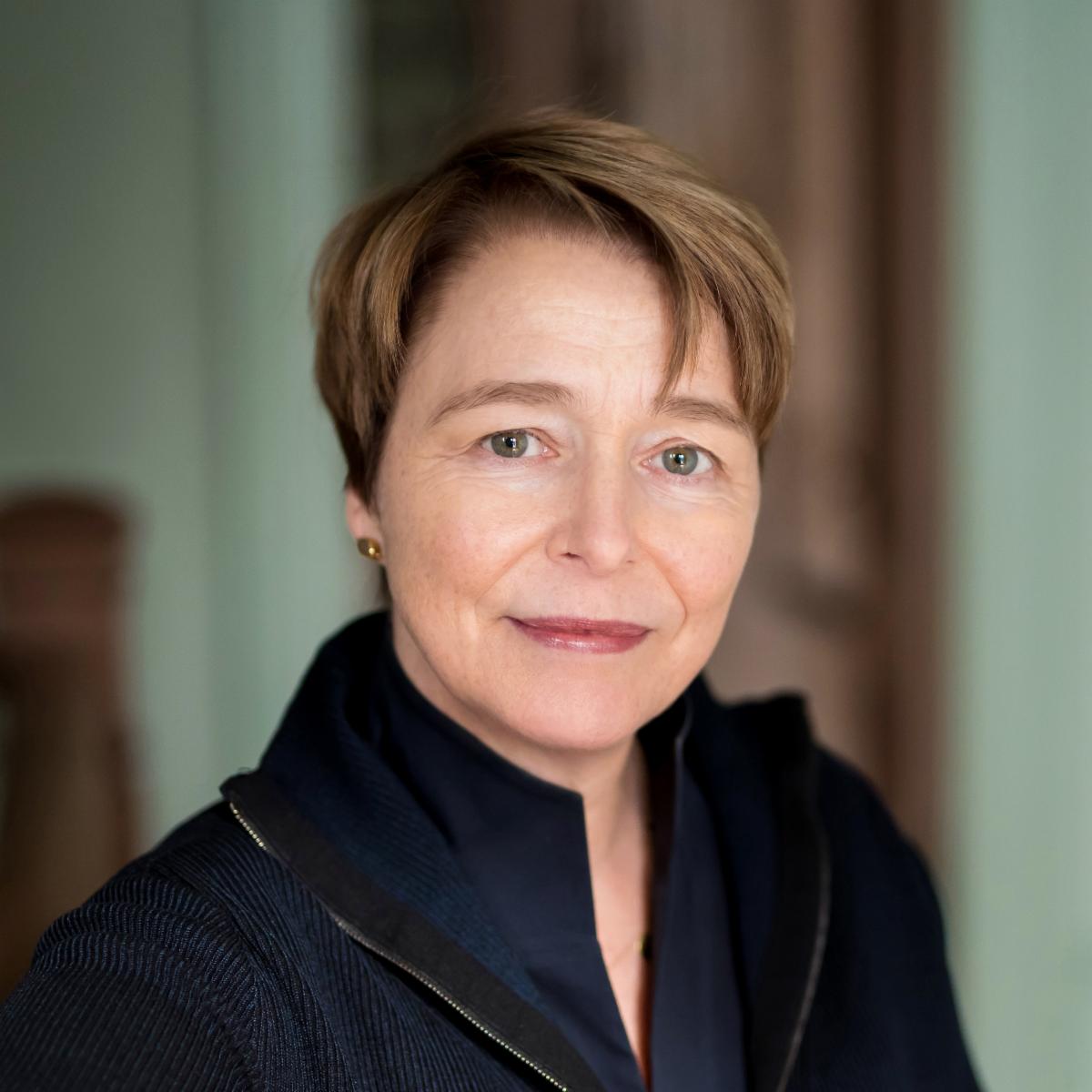
CLBB Co-Founder and Co-Director Dr. Judith Edersheim was instrumental in the release, exoneration, and successful civil lawsuit of Mr. Victor Rosario, a man wrongfully convicted of an arson fire in Lowell, Massachusetts. It took 31 years from Rosario’s conviction for a legal and journalistic reckoning to take place and more than 40 years to receive a $13 million settlement from the city of Lowell.
| | | |
The Well | May 29, 2023
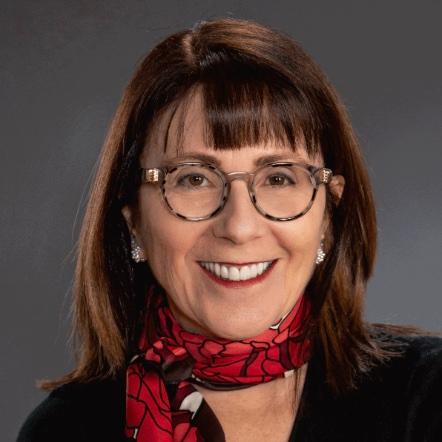
In today’s world, people are more open than ever to discussing their emotions, largely due to the growth in self-help literature and efforts to destigmatize therapy. However, this openness has also resulted in certain misconceptions about emotions, which CLBB Chief Scientific Officer Dr. Lisa Feldman Barrett aims to clarify. Contrary to the notion that emotions are inherently fixed in our brains from birth, Dr. Feldman Barrett contends that they are primarily based on past experiences and the brain’s predictions of future events. This means that emotions aren’t merely reactions thrust upon us, but something we actively participate in creating.
| | | |
Harvard Medicine | May 30, 2023
CLBB Co-Founder and Co-Director Dr. Judith Edersheim spoke with Harvard Medicine, the magazine of Harvard Medical School, about how the Harvard Medical School and Massachusetts General Hospital Center for Law, Brain & Behavior actively promotes accurate neuroscience. It does this in four main areas: the aging brain, sentencing reform, juvenile and emerging adult justice, and trauma and the law.
“It’s knowing that we changed a life. That we managed to help an innocent person be released, prevented someone from losing a nest egg, or gave the justice system the science to believe in the redemption of a young person. Those victories keep me going.”
| | | |
Boston Public Radio | June 2, 2023
CLBB Managing Director and Former Federal Judge Nancy Gertner joined Boston Public Radio Podcast hosts Jim Braude and Margery Eagan on WGBH to discuss the latest news from the nation's highest court. Also discussed is a recent amicus brief submitted by the Center for Law, Brain & Behavior in a solitary confinement case that talks about how solitary confinement impacts the human brain. Listen to the full podcast here.
| | | |
The Well | June 12, 2023
Plato and Carl Sagan were wrong about the human brain, says CLBB Chief Scientific Officer Dr. Lisa Feldman Barrett. Plato famously described the human psyche as two horses and a charioteer: One horse represented instincts, the other represented emotions, and the charioteer was the rational mind that controlled them. Astronomer Carl Sagan continued this idea of a three-layer, “triune brain” in his 1977 book The Dragons of Eden. Dr. Feldman Barrett challenges this idea of the brain evolving in three layers, instead revealing a common brain plan shared by all mammals and vertebrates. Despite advances in neuroscience and genetics, the question of why the brain evolved remains elusive. In this video, Dr. Feldman Barrett’s fascinating exploration of the brain’s evolution offers insights into the most important functions of this complex organ, and invites us to think more deeply about the origins of our own intelligence.
| | | |
Boston Globe | June 29, 2023
CLBB Managing Director and Former Federal Judge Nancy Gertner and Stephen Gillers discussed how the reputation of the Supreme Court is declining due to perceptions of politicization and the justices' dismissal of applicable laws. The court has not adopted the code of conduct to which other federal judges adhere to, and efforts to establish a code specifically for the court face partisan divisions and concerns about the autonomy of separate branches of government. Two additional problems contribute to the loss of public confidence: the recusal statute and the financial disclosure statute.
| | | |
Boston Globe | July 6, 2023
CLBB Executive Director Dr. Robert Kinscherff commented on the recent case of Christopher J. Ferguson, a 41-year-old man charged for the killings of Gilda D’Amore, 73, her husband, Bruno, 74, and her 97-year-old mother, Lucia Arpino, in Newton, MA. Prior to the killings, Ferguson discussed his struggles with mental illness. He was diagnosed with bipolar disorder nearly two decades earlier, and since then, life had been a “storm.” Ferguson’s fate now rests with the criminal justice system, which will likely consider his crimes in light of his mental state at the time of the attacks.
| | Advisory Board Member News | | | |
Global Down Syndrome Foundation | March 30, 2023
Rep. Katherine Clark was a 2023 recipient of the Quincy Jones Exceptional Advocacy Award from the Global Down Syndrome Foundation. The award recognizes those who have championed people who are differently-abled, including people with Down syndrome, in several categories such as humanitarian work, self-advocacy, and public service. Congresswoman Clark has been a friend and advocate for individuals with Down syndrome long before her service in Congressional leadership.
| | | |
Harvard Gazette | April 19, 2023
Neal Baer and David Foster, both Harvard Medical School graduates and accomplished writers, discuss the effectiveness of storytelling in influencing viewers. Baer shares an example from his time working on "ER," where an episode focused on the connection between HPV and cervical cancer. Viewer surveys conducted after the episode showed a significant increase in awareness of HPV, highlighting the potential for TV shows to educate and raise awareness about important health issues. Baer and Foster emphasize the power of emotional and relatable narratives, which can leave a lasting impact on viewers, encouraging them to take action or empathize with the characters portrayed.
| | | |
MIT News | May 15, 2023
In a recent study, Adam Haar Horowitz and others found that the creative mind is particularly fertile during the phase when you're drifting between sleep and waking, a state known as sleep onset. They also demonstrated, for the first time, that when people are prompted to dream about a particular topic during that sleep phase, they perform much more creatively when later asked to perform three creativity tasks around that topic. Read the full study here.
| | | |
Harvard Gazette | May 30, 2023
Ophelia Dahl received the 2023 Radcliffe Medal for her work with Partners in Health, where she is Co-Founder and Chair of the Board. The nonprofit, which has served millions of patients, provides healthcare to the poorest and most vulnerable communities around the world by partnering with local institutions, governments, and communities. Dahl is often described as an optimist. At Radcliffe Day, she confirmed it and said that her refusal to accept that she cannot change things has driven her life’s work.
| | | |
BMC Medicine | May 2023
CLBB Faculty Dr. Jordan Smoller and others investigated the relationship between depression and breast cancer. Both depression and breast cancer contribute to a substantial global burden of morbidity and mortality among women, and previous studies have observed a potential depression-breast cancer link. Their work demonstrates a shared genetic basis, pleiotropic loci, and a putative causal relationship between depression and breast cancer, highlighting a biological link underlying the observed phenotypic relationship. These findings may provide important implications for future studies aimed at reducing breast cancer risk.
| | | |
CLBB Faculty Judge Jay Blitzman (ret.) received the Daniel G. Holland Lifetime Achievement Award at the BC Law Day 2023. The celebration took place at the Seaport Hotel Boston on May 4. Some 200 guests gathered to applaud the achievements of the distinguished awardees. Blitzman is a BC Law Graduate (1974), innovator in legal representation of juvenile, former First Justice of the Middlesex Juvenile Court, and national figure in juvenile justice reform.
| | | |
Brain & Behavior Research Foundation | June 2023
CLBB Faculty Dr. Charles A. Nelson and others analyzed data from a singular cohort of young people: a group of 136 children in Romania, who were placed in institutional care after being orphaned or abandoned over 20 years ago. Half were soon placed into high-quality foster care. Now, the team has found “strong and conclusive evidence” that the family-based care these children received did benefit them in a variety of ways.
| | | |
Lown Institute | June 12, 2023
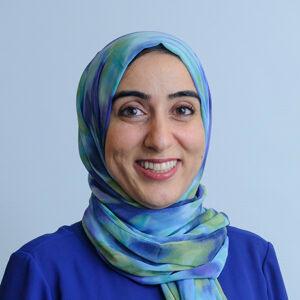
CLBB Faculty Dr. Altaf Saadi has been advocating for health justice for her entire career. From protesting war at her own college graduation to calling out sexual abuse in medicine to volunteering as a medical expert to assist in granting asylum to immigrants, she is dedicated to ensuring equitable, compassionate care for all. On the 102nd birthday of Dr. Lown, hear from the 2023 Bernard Lown Award winner Dr. Altaf Saadi on her story of becoming a doctor, her inspiration by the resiliency of the people with whom she works, and the importance of interconnectedness.
| |
 | |
Criminal Bar Association New Zealand | August 5-6, 2023
This year's Criminal Bar Association Conference will be in Auckland over the weekend of 5 and 6 August 2023. The conference sessions will be held at the University of Auckland School of Business, and the conference dinner will be held at the Pullman. Attendance at the full conference fulfills 10 CPD hours - the full annual requirement.
This year our keynote speaker is Judge Nancy Gertner. Judge Nancy Gertner is a graduate of Barnard College and Yale Law School where she was an editor on The Yale Law Journal. She received her M.A. in Political Science at Yale University. She has been an instructor at Yale Law School, teaching sentencing and comparative sentencing institutions, since 1998. She was appointed to the bench in 1994 by President Clinton. She has written and spoken widely on various legal issues and has appeared as a keynote speaker, panelist or lecturer concerning civil rights, civil liberties, employment, criminal justice and procedural issues, throughout the U.S., Europe and Asia. Her autobiography, In Defense of Women: Memoirs of an Unrepentant Advocate, was released on April 26, 2011. Her book, The Law of Juries, co-authored with attorney Judith Mizner, was published in 1997 and updated in 2010. She has published articles, and chapters on sentencing, discrimination, and forensic evidence, women’s rights, and the jury system. In September of 2011, Judge Gertner retired from the federal bench and became part of the faculty of the Harvard Law School teaching a number of subjects including criminal law, criminal procedure, forensic science and sentencing, as well as continuing to teach and write about women’s issues around the world.
The speakers for this years conference include:
- Judge Nancy Gertner – Keynote speaker
- Appellate Judges Panel - Chief Justice Dame Helen Winkelmann, Justice Cooper, Justice Thomas
- District Court Judges Panel
- Scott Optican – Evidence Law Update
- Panel session facilitated by Fiona Guy Kidd KC and Nick Chisnall KC and involving Downs J on counter-intuitive evidence and Chris Stevenson on exclusion of confession evidence
- Forensic Group – Horror show
- Dr Ian de Terte and Yvette Tinsley – The potentially traumatic nature of legal work and how to combat it.
Registration closed.
| |
| | |
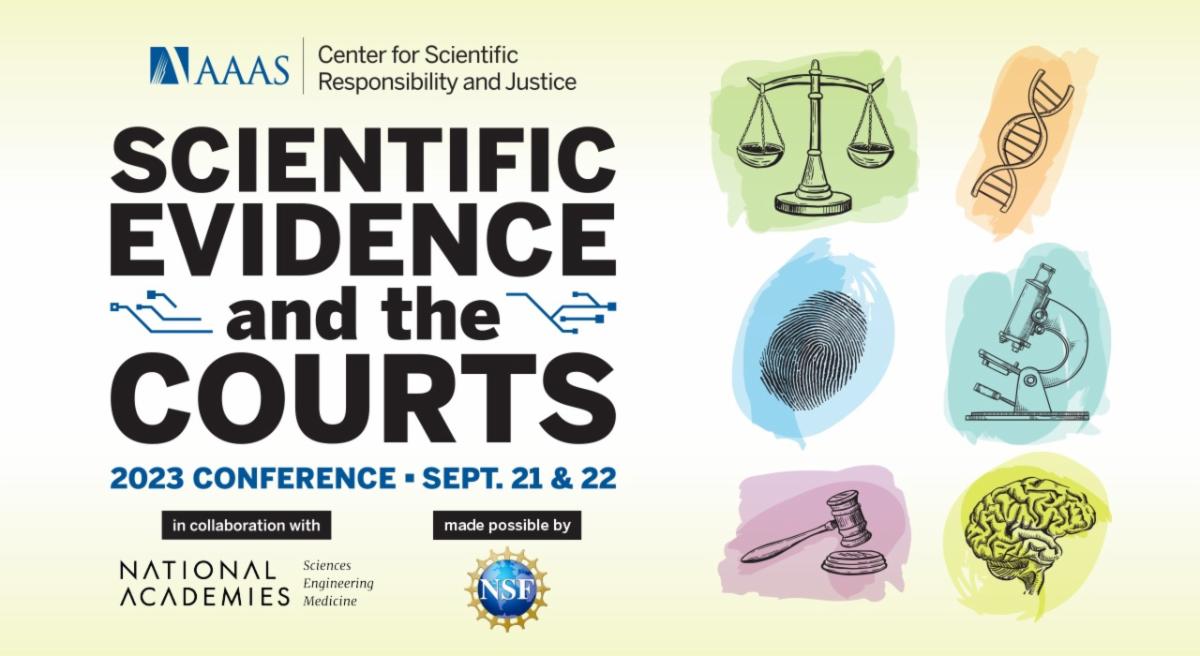
AAAS Center for Scientific Responsibility and Justice | September 21-22, 2023 9:00am-5:30pm
On September 21 and 22, 2023, the American Association for the Advancement of Science (AAAS), in collaboration with the National Academies of Science, Engineering and Medicine (NASEM), will host “Scientific Evidence and the Courts” at AAAS headquarters in Washington, DC. This event will examine critical issues regarding the admission and use of scientific and technical findings in the United States justice system.
The conference will mark the 100th anniversary of Frye v. United States (1923) and the 30th anniversary of Daubert v. Merrell Dow Pharmaceuticals, Inc. (1993), two key federal court decisions on establishing a judge’s role as gatekeeper when determining the admissibility of scientific evidence and expert witness testimony at trial. Yet, application of the Frye or Daubertstandard remains inconsistent across both federal and state courts, potentially allowing for unreliable evidence and testimony to enter trials, increasing the likelihood of unjust outcomes, such as wrongful convictions, and other violations of constitutional rights.
This event will be in-person with a livestream option for virtual attendees.
Featured speakers:
- Dr. Jennifer L. Mnookin, Chancellor, University of Wisconsin-Madison
- Hon. Jed S. Rakoff, U.S. District Judge, Southern District of New York
More speakers to be announced!
Presenters and attendees will examine the history of scientific evidence in the courts, assess current practices, and identify ways to improve the use of credible, trustworthy scientific evidence, and of expert witness testimony, by federal and state courts going forward. In addition, this two-day conference will feature sessions on evolving fields of science beginning to make an impact on the courts, such as artificial intelligence, climate science, and statistical modeling.
The research to be presented and discussed at this conference, and the needs for future research that will be identified, directly relate to improving the justice system’s accurate and effective use of scientific evidence, and to building public trust in the judiciary.
| |
| | |
FJC-Harvard Workshop on Science-Informed Decision-Making
The Federal Judicial Center and the Center for Law, Brain & Behavior | June 27-29, 2023
The Federal Judicial Center and the Center for Law, Brain & Behavior hosted a workshop at Harvard Law School to help federal judges and the United States probation and pretrial services officers develop improved responses from initial appearance through sentencing for people experiencing behavioral health issues like substance use and trauma. The workshop brings together federal district judges, magistrate judges, pretrial services officers, and presentence officers to learn from scholars and clinicians about how scientific insights can be applied at key criminal case decision points, including initial appearances, violation hearings, presentence investigations, and sentencing. The workshop’s focus is on ordinary cases outside of the problem-solving court's context.
Following this workshop, participants were able to:
- Make individualized recommendations and decisions that have been informed by science.
- Identify opportunities within their districts for improved collaborative responses to the risks and needs of people experiencing issues with substances and mental health.
- Devise ways to take advantage of clinical insights to address the unique challenges within their own districts.
- Communicate more effectively with people manifesting behavioral health issues.
This workshop is designed to build skills and knowledge in science-based decision-making, proactive case planning and supervision, and effective collaboration for federal judges and magistrates and U.S. Probation and Pretrial Services Officers.
| |
PNAS | May 1, 2023
MedScape | May 2, 2023
The Conversation | May 22, 2023
NBC | June 2, 2023
CommonWealth Magazine | June 10, 2023
NPR | June 14, 2023
Nature | June 15, 2023
CommonWealth Magazine | June 16, 2023
| |
Juvenile Justice
JJIE | May 11, 2023
ACLU Rhode Island | May 17, 2023
The Sentencing Project | June 7, 2023
NC Newsline | June 8, 2023
New Jersey Monitor | June 12, 2023
National ICWA | June 15, 2023
The Imprint | June 16, 2023
Psychology Today | June 22, 2023
JAMA Network | July 5, 2023
Insight Into Diversity | July 5, 2023
| |
The Conversation | May 18, 2023
JAAPL | June 1, 2023
Science Daily | June 7, 2023
Alzheimer’s Association | June 9, 2023
Mass.gov | June 15, 2023
The Harvard Gazette | July 17, 2023
| | | | |