| |
Harvard Alumni In Healthcare | November 8, 2022
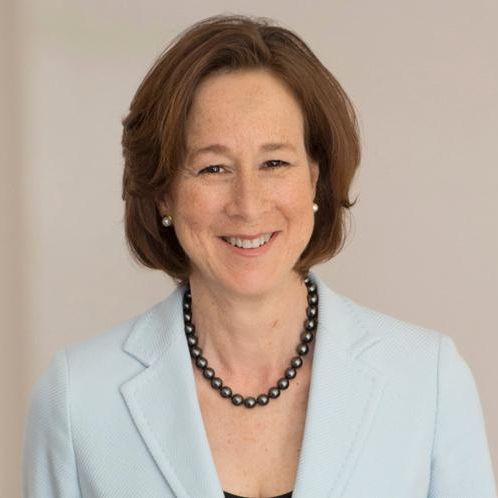
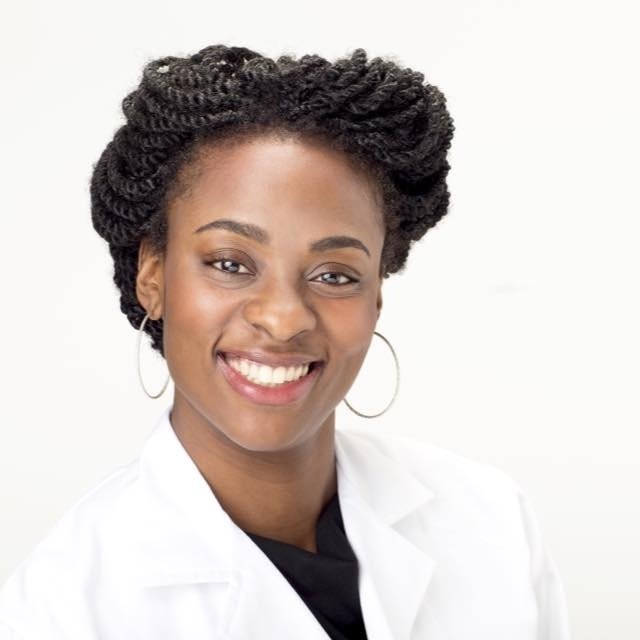
CLBB Co-Founder & Co-Director Dr. Judith Edersheim discusses her career trajectory and the Center of Law, Brain, and Behavior.
Highlight: “We are at a special moment in time right now, too, where there is such a polarized political context that science is the best answer for common ground. When we seek solutions, we need to use science because it puts politics aside. The biggest strides we’ve made are in developmental neuroscience to inform juvenile justice policy, asking, how are adolescents different from adults? How can we improve the justice system by treating them differently?"
| | | |
Virtual Congressional “Hill Visits” on Gun Violence Prevention Research Priorities
November 17, 2022
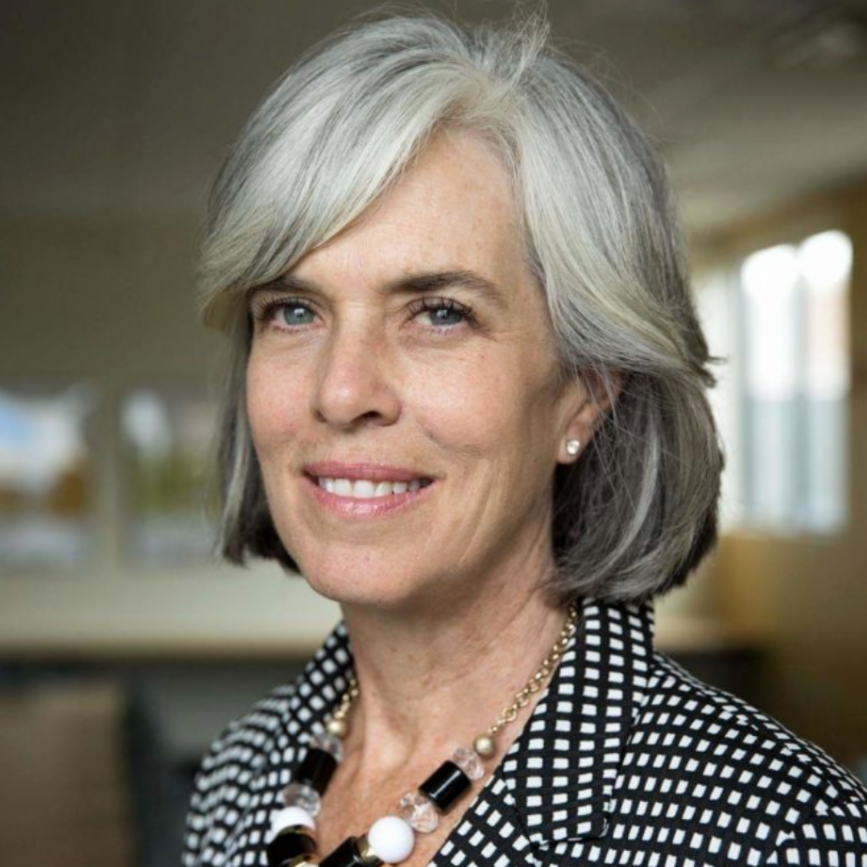
CLBB Executive Director Dr. Robert Kinscherff teamed with Dr. Lois Lee (Boston Children’s Hospital) and Dr. Jonathan Jay (Boston University School of Public Health) as members of the Gun Violence Prevention Research Roundtable Advisory Committee of the American Academy of Pediatrics to make a “virtual Hill visit” on November 17, 2022. As a Massachusetts delegation, they met with staff for Senator Elizabeth Warren, Senator Katherine Clark (a CLBB Advisory Board Member), and Representative Edward Markey to discuss federally funded gun violence prevention research priorities and offer subject matter expertise if it would be helpful to the legislators.
| | | |
"Judges, Mindfulness, and the Brain" Presentation
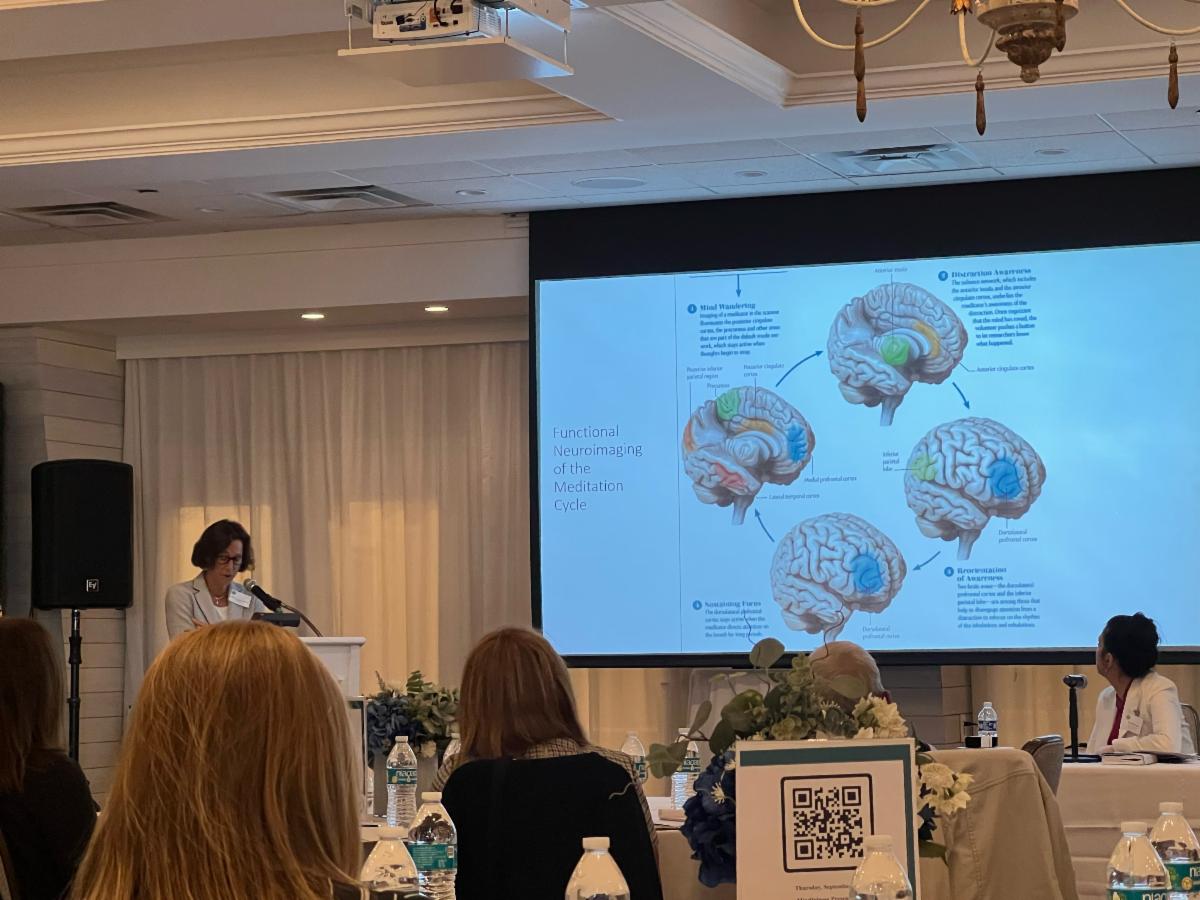
CLBB Director Dr. Judith Edersheim presented a “Judges, Mindfulness, and the Brain” Talk at the Federal District Judges New Jersey retreat at the invitation of Judge Esther Salas, a former attendee and now facilitator in our Annual Federal Judicial Center Workshop on Science Informed Decision Making.
| | | |
Des Moines Register | September 13, 2022
Pieper Lewis, a sex trafficking victim from Des Moines who pleaded guilty in the fatal stabbing of her alleged rapist, will not go to prison. CLBB Executive Director Dr. Robert Kinscherff evaluated Lewis in 2021 and 2022 at the request of her attorneys. He testified in the sentencing hearing saying that Lewis committed a "major offense” while she was a juvenile. While viewing her entirely as a victim can be helpful in addressing her current needs, she also needs to be taught accountability so she does not stumble back into the life that led to her involvement in sex trafficking and Brooks' death.
Highlight: Lewis needs continued counseling to assist her with her adjustment to the adult world and therapies that help her manage anxiety, depression and post-traumatic stress disorder. She needs to be placed in programs that teach her accountability and help her understand how she made decisions that led to her becoming "vulnerable to exploitation by other persons," he said.
| | | |
Unanimous Recommendation for Commutation from Massachusetts Parole Board
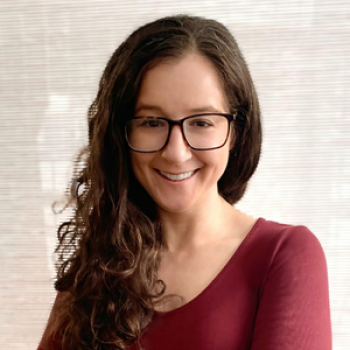
Ramadan Shabazz, a Black military veteran, was 21 years old at the time of his crime where he and another man committed an armed robbery that caused the deaths of two people. He had recently returned from serving his country in Vietnam while struggling with Post-Traumatic Stress Disorder and a severe substance use disorder. He is an ideal candidate for commutation to a parole-eligible life-sentence. He is 73 years old, and he has spent more than half a century in prison as a model prisoner with no record of violent or aggressive behavior either before or after his crime. He is deeply remorseful, and he has expressed that remorse consistently throughout the years. Senior Fellow in Law and Applied Neuroscience Stephanie Tabashneck testified at Mr. Shabazz’s hearing on late adolescent neuroscience, the relationship between PTSD and drug addiction, and the psychosocial effects of racism. Mr. Shabazz is one of only three people for whom the Massachusetts Advisory Board of Pardons has recommended commutation in a decade. The decision was unanimous. This is a step in a process that brings the matter to whoever is Governor for a final decision. Without the forensic psychology report, they would have seen Mr. Shabazz differently, this is a reminder that expert work matters in adolescent/late adolescent criminal and parole cases.
| | | |
Massachusetts Lawyers Weekly | October 21, 2022
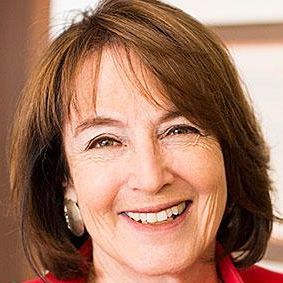
CLBB Managing Director Nancy Gertner is a member of Massachusett’s Forensic Sciences Oversight Board and spoke on restoring faith in the integrity of forensic evidence used in criminal trials understandably shaken by two drug lab scandals, along with issues with the Office of Alcohol Testing.
Highlight: “Uncovering the Farak scandal might still have required the diligence of defense attorneys to overcome prosecutors’ failure to meet their Brady obligations, but a stronger forensic board might have been able to help the system wrap its arms around the scope of the controversy, a process that took the courts years…that would make a difference, and the boards that are successful are the ones who have that ability.”
| | | |
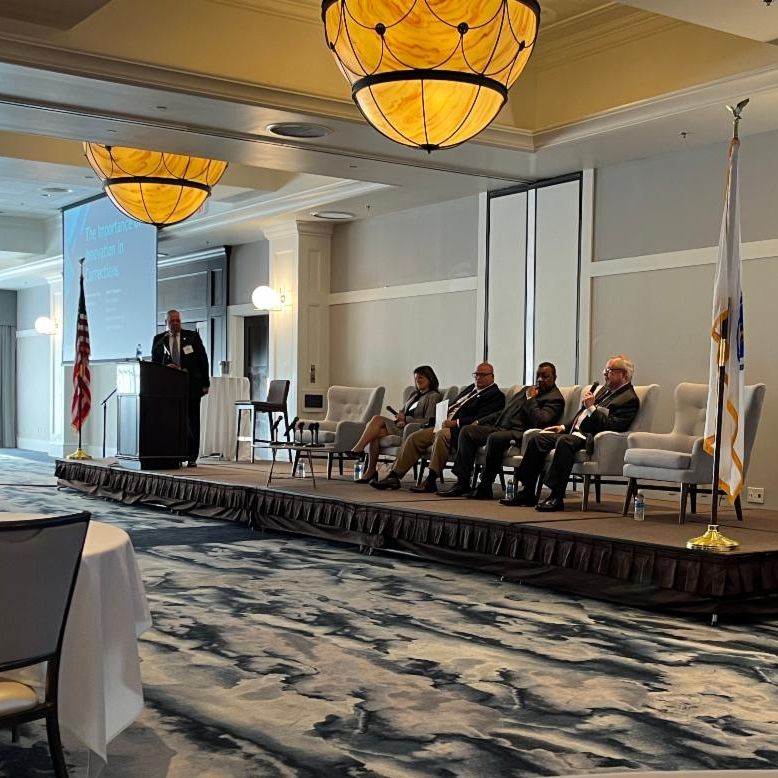
"Importance of Innovation Corrections" Panel
Massachusetts Emerging Adult Summit | Fall 2022
CLBB Executive Director Dr. Robert Kinscherff spoke at the Massachusetts Emerging Adult Summit, hosted by the Massachusetts Executive Office of Public Safety and Security (EOPSS). His panel was on The Importance of Innovation in Corrections and his subject was how the neurodevelopment of emerging adults can inform innovative models of habilitation in correctional settings.
| | Advisory Board Member News | | | |
Center for New York City Affairs | October 19, 2022
Jennifer Jones Austin, CEO and Executive Director of the Federation of Protestant Welfare Agencies and Chair of the New York City Board of Correction was interviewed on the proposed changes brought by New York City’s Racial Justice Commission to the City Charter that were intended to address structural racism and persistent inequality. Austin specifically spoke on the proposed change of requiring the adoption of a “true cost of living” measure.
Highlight: “The commission means to identify the actual income needed in New York City to meet essential needs including, but not limited to, housing, food, childcare, transportation, and other necessary costs, and without considering public, private, or informal assistance – in other words, what it costs for families today to make ends meet. Unless you truly understand what it costs to live and thrive, you cannot effectively measure who does not have the adequate resources to do so. This is a matter of racial justice because you cannot address or hope to eliminate poverty in America if you do not appreciate the inextricable link of poverty with race in America, or the disproportionate impact poverty and its corollaries have on persons and communities of color.”
| | | |
CBS News | September 26, 2022
Massachusetts Representative Katherine Clark introduces babies act that would support new mothers before and after giving birth. It would expand access to birth centers and midwives for Medicaid recipients. According to the March of Dimes, it's estimated that around 7 million women in the US live in maternity care deserts, where no hospital or provider offers obstetric services, or maternity care is limited. The bill is said to have bipartisan support.
Highlight: “What does that turn into? Skyrocketing rates in the United States for infant and maternal mortality, 60% of those deaths are absolutely preventable.”
| | | |
PRNewswire | October 4, 2022
Howard University announces the launch of credit-bearing college algebra course for high school students in partnership with Khan Academy and delivered to high schools in historically underserved communities by the National Education Equity Lab. It will allows these students to access rigorous, engaging algebra, while earning college credit at no cost. Leslie Cornfeld, Founder and CEO of National Education Equity Lab is excited to offer this course to schools in their network.
Highlight: “This effort is about helping the higher education system reach down into the country's most underserved school districts, to help break down the 'math barriers' that too often prevent talented students from pursuing their college and career aspirations…We are excited to offer this course to the schools in our network."
| | | |
Project Syndicate | September 30, 2022
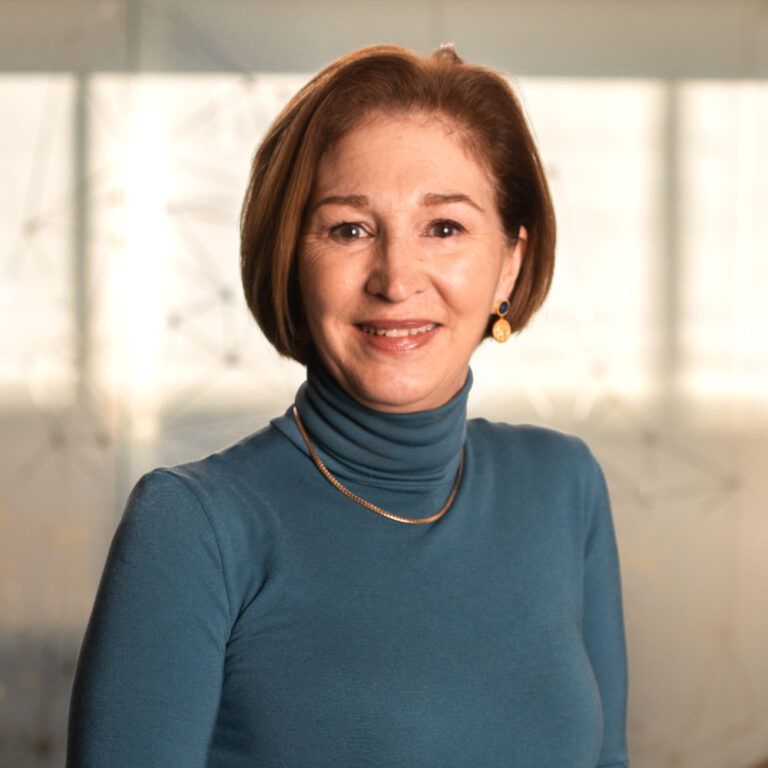
Dr. Anne-Marie Slaughter, CEO of New America wrote an article on how climate change poses an existential threat to humanity, but the US defense apparatus has not treated it accordingly because it does not fit the traditional definition of a national security threat.
Highlight: “Climate change is an existential threat, and the Biden administration and the US national-security establishment must treat it like one. Doing so would require reallocating substantial funds from the military to government agencies that focus on building domestic resilience and civil protection. It would also require creating new security agencies whose mandate would be to address global threats.”
| | | |
American Bar Association Criminal Justice | November 1, 2022
CLBB Faculty and Retired Judge Jay Blitzman wrote about how the Supreme Court has established from a constitutional perspective that children are not little adults. Relying in part on psychological research regarding the maturational arc of adolescence and fueled by brain imaging, the Supreme Court has abolished the juvenile death penalty, juvenile life without parole in nonmurder cases, and mandatory juvenile life without parole in murder cases, and that age is a key factor in juvenile interrogations. However, applying developmental science and the mantra that children are not little adults to practice is the challenge.
Highlight: “The weight of the evidence from a developmental and public safety perspective supports raising the age of juvenile court jurisdiction for late teens (18–21). As discussed previously, the neuroscience and social-behavioral science summarized in the CLBB White Paper reveal no solid scientific basis for a line drawn at 18 to end juvenile court jurisdiction. CLBB White Paper, supra, at 42, 43. Drawing a line at 18 “will lead most late adolescents who offend (and most will not offend with serious crimes against persons) to penetrate the criminal justice system just before the time when the significant majority of middle and late adolescent youth will self-desist (the age crime-curve occurring at ages 19–20) even if they have been violent and persistent offenders when younger.”
| | | |
Business Insider | September 13, 2022
People’s brains start to shrink in their 30s and 40s and as they get even older, it becomes harder to process information and remember things. But people, and presidents, age differently because of their genetics and unique circumstances. In this Business Insider article, CLBB Faculty Dr. Francis Shen would like to see information about political leaders’ cognitive health made public. He said it could be similar to how members of Congress have to disclose their personal financial investments. Cognitive health should be no different as it might affect the way presidents and members of Congress make important decisions.
Highlight: "We have many politicians and judges who continue to serve well into later life…and we have no system for objectively assessing their cognitive health. And, to me, that's a problem…Even if given that information, voters may still decide to cast their ballots for particular politicians because they like them…It shouldn't be disqualifying. But it should be part of the information we know…Especially since it is knowable. This does not have to be a mystery."
| | | |
Science Advances | October 7, 2022
CLBB Faculty Dr. Margaret Sheridan and other researchers linked psychosocial deprivation in early childhood to changes in cortical development to adolescence using longitudinal data from the Bucharest Early Intervention Project. The changes in cortical structure due to randomization to foster care were most pronounced in the lateral and medial prefrontal cortex in the white matter tracks connecting the prefrontal and parietal cortex. The causal impact of exposure to deprivation on neural structure development emphasizes the importance of early placement into family-based care to mitigate lasting neurodevelopmental consequences associated with early-life deprivation.
| | | |
Baltimore Sun | August 9, 2022
Roca, a non-profit anti-violence program in Baltimore provides training and life skills classes and it helps teens and young men recover from trauma and forge a new path by rewiring their brains. The program focuses on identifying “Think-Feel-Do” cycles and disrupting them to avoid potential negative outcomes. During a summit hosted by the University of Maryland School of Medicine in Baltimore, CLBB Faculty Dr. Kerry Ressler was one of the speakers. He said rates of post-traumatic stress disorder are higher in some urban neighborhoods than among military veterans and treatments like cognitive behavioral therapy (CBT) can result in measurable changes to brain activity that promote healthier outcomes.
Highlight: “From a psychiatric perspective, people really are living in war zones,” he said at the summit. “People are getting in trouble and contributing to cycles of violence in part because of untreated trauma.”
| | | |
Harvard Medical School | November 2, 2022
CLBB Faculty Dr. Edward Hundert has served as the Dean for Medical Education at Harvard Medical School for nearly nine years and will transition into new role in the Office of Alumni Affairs. He will maintain faculty duties and serve as alumni liaison and fundraiser starting summer 2023.
| | | |
SpringerLink | October 25, 2022
CLBB Faculty Dr. Alisha Moreland-Capuia and other researchers established and validated the Survey for Trauma-Informed Systems Change (STISC) which is a measure of culturally responsive trauma-informed care and services that can be administered to professionals in any field. The study supported the use of the STISC tool to measure the degree of an individual’s trauma-informed knowledge and positive attitudes toward trauma-informed system change and trauma-informed practices in the workplace. Further studies will aim to determine whether the STISC survey is sensitive to change to standardize trauma-informed systems change programs across multiple fields.
| | | |
PsyArXiv | October 6, 2022
CLBB Faculty Dr. Leah Somerville is one of the researchers that found self-reported risk-taking followed a non-linear trajectory across the lifespan, with a robust peak during mid-adolescence. This supports predictions of adolescence as the period with the highest risk-taking that potentially confers vulnerability to negative outcomes, including substance use. Substance use prevention strategies for adolescents that target developmentally relevant risk-taking behaviors may likewise be broadly applicable.
| | | |
Science Daily | November 3, 2022
CLBB Faculty Dr. Kerry Ressler and other researchers shed new light on brain activity related to dissociative symptoms. The study looked at nearly 100 women and found that patients with certain dissociative symptoms had increased connections within some brain networks and decreased connections within others. These findings may help clinicians diagnose and treat affected patients.
Highlight: “In the future, we could target brain activity related to dissociation as a treatment in and of itself.”
| |
The Petrie-Flom Center | October 27, 2022
View the recording of this event here.
Neuroscience is playing a key role in legal decisions about children and young adults serving life sentences. The US Supreme Court relied upon research on adolescent brain development to bar execution and limit sentences of Life Without Possibility of Parole for crimes committed under age 18. However, the U.S. Supreme Court case Jones v. Mississippi (2021) shifted the battleground from federal constitutional protections to protections afforded by state constitutions—with mixed results to date. This panel examined the latest neuroscience in the context of emerging case law.
Panelists:
Introduction: Carmel Shachar, Executive Director, Petrie-Flom Center
Leah Somerville, Professor of Psychology and Director, Affective Neuroscience and Development Laboratory, Harvard University
Stephanie Tabashneck, PsyD, JD, Senior Fellow in Law and Applied Neuroscience, CLBB and the Petrie-Flom Center
| |
Center for Law, Brain, and Behavior | November 3, 2022
View the recording of this event here.
On November 3rd, Dr. Joel Dvoskin and Dr. Adam Haar Horowitz presented on the neuroscience of solitary confinement and its current uses and abuses in the American correctional system. CLBB Executive Director Robert Kinscherff, PhD, JD organized and moderated the session.
| |
 | |
LAST CHANCE TO APPLY - Deadline Extended!
The Project Manager / Research Coordinator will play a critical role in facilitating the success of CLBB projects by providing substantive and administrative assistance to the Center's Directors in all CLBB-related endeavors. The Center for Law, Brain, and Behavior works at the vanguard of applied neuroscience: making neuroscience is actionable for the legal community in order to ensure just and positive outcomes for all those affected by the law. Primary research functions are conducting research in law and neuroscience, including scientific literature reviews, original writing, and supporting Center-related materials such as briefs and scholarly articles. Key administrative functions involve web content management, grant proposal preparation, and event coordination, among a wide and varied range of duties that support the needs of the Center.
The start date for this position is January 1, 2023 (negotiable). Qualified applicants must have a Bachelor's degree, with coursework or formal training in neuroscience, as well as expert administrative skills. Strong organizational and interpersonal skills are essential.
The deadline to apply is December 5, 2022. Applicants will be invited to interview on a rolling basis. More details about the directions for applying can be found on the MGH website posting by clicking here. Inquiries about this position can be directed to erehmet@mgh.harvard.edu.
| |
After a highly successful open call for proposals, the Dana Foundation is excited to announce the 11 US-based academic institutions awarded Dana Centers for Neuroscience & Society planning grants. The planning grants are the first phase of a two-part grants process; in the second phase, these 11 institutions will compete for two grants to establish a Dana Center to catalyze promising people and projects at the crossroads between neuroscience and other fields.
| |
The Shen Lab, which engages Law, Ethics, Neuroscience & Artificial Intelligence, is now hiring part-time paid and volunteer research assistants. The Lab is directed by Dr. Francis Shen, JD, PhD, a faculty member at the Harvard Medical School Center for Bioethics, MGH Department of Psychology, and Harvard University Affiliated Professor at Harvard Law School. The Lab motto is “Every story is a brain story,” and the mission of the Lab is to translate advances in brain science and artificial intelligence into better law and policy, and to identify and address the ethical, legal, and social implications of advances in neurotechnology and AI. Research assistants play valuable roles in all aspects of the Lab’s work, and over 200 Lab alumni have gone on to successful careers and top graduate programs in law, medicine, neuroscience, ethics, and beyond.
Applications will be reviewed on a rolling basis starting 11/1/22, so you are encouraged to submit your application as soon as possible.
| |
The Shen Lab, which engages Law, Ethics, Neuroscience & Artificial Intelligence, announces an immediate opening for a full-time or half-time Fellow to support the creation of a new Career Network in Neuroscience & Society. This is a grant-funded position, supported by the Dana Foundation. The Shen Lab is directed by Dr. Francis Shen, JD, PhD, a faculty member at the Harvard Medical School Center for Bioethics, MGH Department of Psychology, and Harvard University Affiliated Professor at Harvard Law School. About this Fellow position: The students, practitioners, and scholars who engage in neuroscience and society work—including neurolaw and neuroethics— are not representative along multiple demographic and cultural dimensions. To address this challenge, the Dana Foundation Career Network in Neuroscience & Society will: recruit new people, create and communicate new opportunities, and connect people and opportunities to catalyze new careers. The Career Network will be especially focused on reaching individuals, institutions and geographies that have not been previously active in neuroscience and society work. The Career Network Fellow will be mentored by Dr. Francis Shen, JD, PhD, and will support all aspects of the project.
Applications will be reviewed on a rolling basis starting 11/1/22, so you are encouraged to submit your application as soon as possible.
| |
With support from the Dana Foundation, an interdisciplinary team of researchers at Harvard is developing an innovative research initiative on Neuroscience & Society. The initiative will encompass topics such as neuroethics and neurolaw, and will utilize community-engaged and participant-centered approaches. There is an immediate need for part-time student research assistants at all levels (undergraduate, graduate) and research fellows (post-bac, post-doc, early career). This project reaches across multiple schools and departments at Harvard, and is being led by Gabriel Lázaro-Muñoz, PhD, JD, Francis Shen, PhD, JD, and Theresa Williamson, MD. Under the direction of the PIs, research assistant and research fellow responsibilities will include contributing to literature reviews focusing on Ethical, Legal, Social Implications (ELSI) issues; reviewing pertinent regulations and legal cases; formulating memos for the research team; synthesizing relevant literature; participating in conducting focus group interviews; and participating in project meetings. Mentoring will be provided to all research assistants and research fellows, including support for career development and opportunities for co-publishing.
The expected duration of the position is five months (Oct-Feb), ten hours per week. Hours will be flexible and remote work is possible. Click here to apply via Google forms. Additional information and requirements are noted on the Google forms application. Questions should be directed to Tiffany Campbell, Center for Bioethics, Harvard Medical School.
Applications will be reviewed on a rolling basis, so apply now!
| |
| | |
We are pleased to announce recruitment for a postdoctoral fellow position in bioethics/neuroethics at the University of Washington, Seattle. This position is funded by an NIH grant (#1R01MH130457-01) focused on ethical issues related to support for research participants in neural technology device trials (BRAIN Pioneers). The postdoc will work with the UW neuroethics team, a multi-disciplinary group led by Sara Goering and Eran Klein, based in the Department of Philosophy, with close connections to the UW Center for Neurotechnology (CNT). Work will involve conceptual, normative and empirical bioethics research related to neurotechnology. Disciplinary background is open (philosophy, law, anthropology, public health, science and technology studies, or related field), but the position will be housed in the Department of Philosophy. Full time research salary support for one year, with the possibility of renewal for additional years. Funding for conference travel and professional development will be included. The position is on-site at the University of Washington in Seattle.
Review of applications will begin on October 15, 2022 and will continue until the position is filled. We anticipate a start date in January 2023, but an earlier start will be considered. Details on materials requirement and submission information is available through Interfolio ( https://apply.interfolio.com/110316).
| |
Scientific American | August 26, 2022
Neuroscience News | August 29, 2022
Neuroscience News | August 26, 2022
Neuroscience News | August 27, 2022
Neuroscience News | August 11, 2022
Georgetown College | August 10, 2022
The Conversation | September 8, 2022
Neuroscience News | November 4, 2022
Neuroscience News | November 2, 2022
The Harvard Crimson | October 28, 2022
Legal Cheek | October 19, 2022
The New York Times | October 22, 2022
Technology Networks | October 14, 2022
Neuroscience News | October 18, 2022
| |
Juvenile Justice
WAFB9 | August 30, 2022
The Good Men Project | August 30, 2022
Vera | August 23, 2022
Star Tribune | August 28, 2022
The Advocate | August 29, 2022
Palestine Herald Press | October 7, 2022
Sentencing Law and Policy | September 9, 2022
Seattle Times | November 3, 2022
The New York Times | November 1, 2022
Kare 11 | November 3, 2022
WGBH | November 2, 2022
The New York Times | October 29, 2022
ABC | November 4, 2022
The Audacy | October 31, 2022
Elko Daily | October 14, 2022
| |
WHYY | August 29, 2022
CBS Philadelphia | August 29, 2022
The U.S. Attorney’s Office of Southern District of Florida | August 26, 2022
Pennsylvania Pressroom | August 17, 2022
The U.S. Department of Justice | August 17, 2022
Los Angeles Times | August 18, 2022
Forbes | October 7, 2022
Washington Post | November 1, 2022
The United States Department of Justice | October 5, 2022
Forbes | October 7, 2022
Wisconsin Department of Justice | October 21, 2022
The United States Department of Justice | October 19, 2022
The United States Department of Justice | October 28, 2022
| | | | |