- Conservation Note
- IRC and SER Highlight
- Upcoming Events
- 40th Celebration
- Recent Events
- Thank you to our sponsors
| | |
Linking sugarcane and cattle to the delivery of ecosystem
and ecological restoration
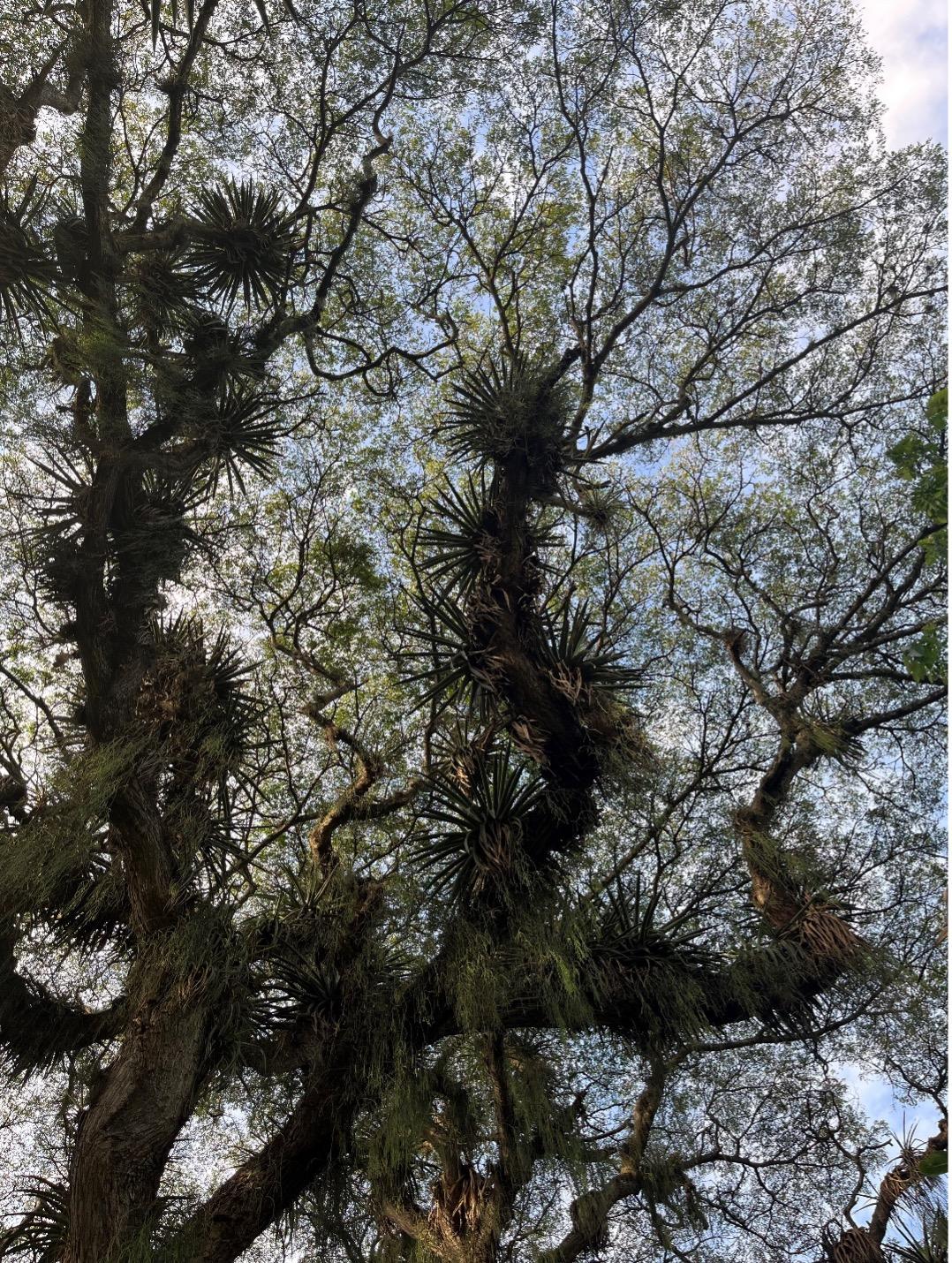
Following the conclusion of the United Nations Convention on Biological Diversity COP 16, early this month I had the opportunity to travel north of Cali, Colombia to visit a very special place, El Hatico Nature Reserve, where a complex agrosilvopastoral system has evolved over nine generations to become one of the global models of restoration potential within production landscapes (e.g., farming, ranching, timber production). Based on intensive versus extensive cattle ranching, organic sugarcane production, and the recovery of native forests and biodiversity, El Hatico delivers an economically robust and viable alternative to the business-as-usual farming and ranching known to cause environmental harm. Focusing on the restoration of soil, sugarcane is grown on very long rotations and is harvested without pre-harvest burning, which is a serious health concern in major sugarcane regions like South Florida. Weeds are controlled by grazers like goats and native biodiversity helps control pests. Cattle pastures contain a mosaic of native trees, laden with epiphytes that attract copious native biodiversity, between which highly productive grasses and palatable shrubs grow. Patches of native forests are protected, and restoration occurs along streams to increase connectivity.
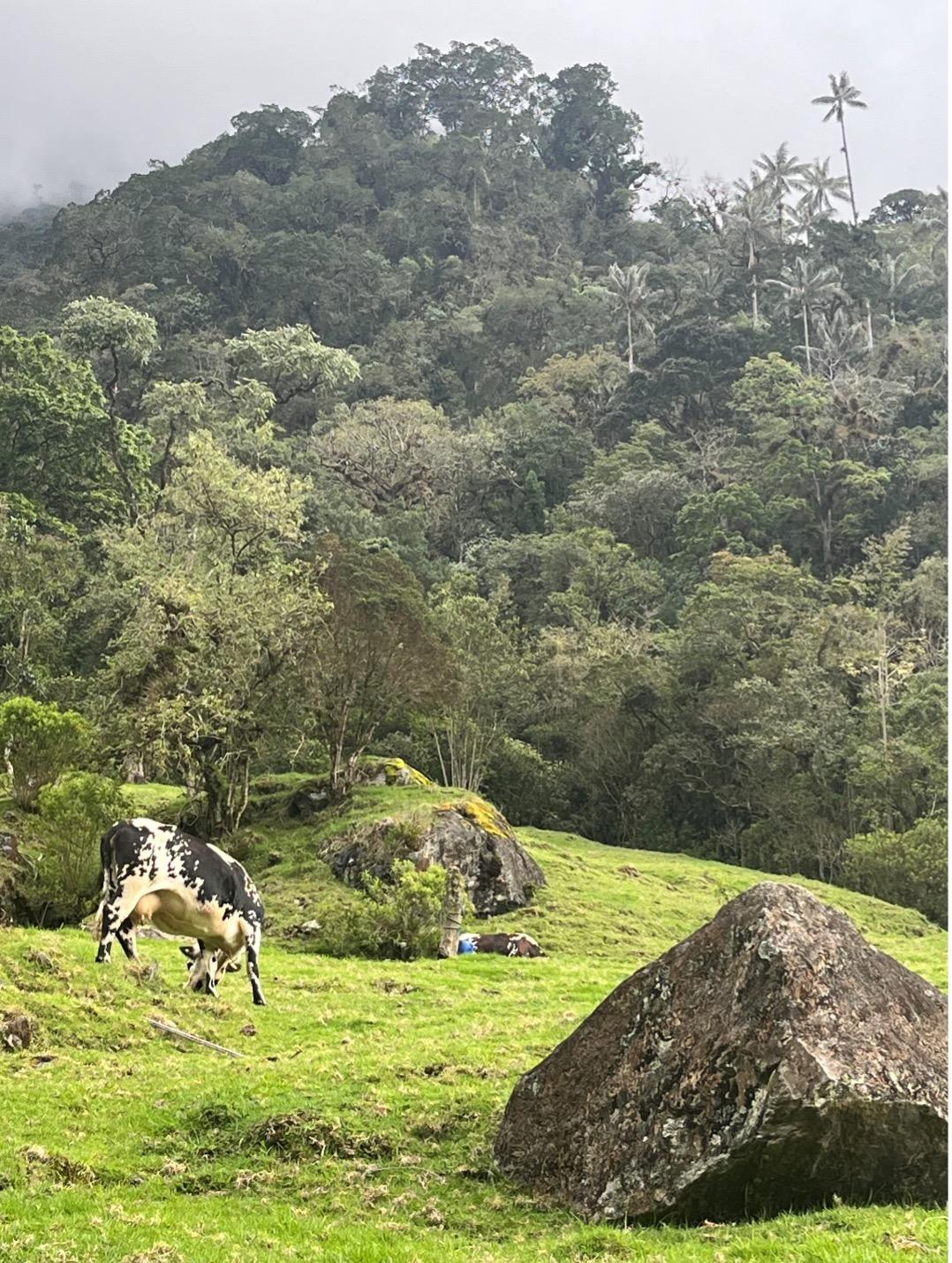
| | Photo on the left: Native trees laden with epiphytes and associated biodiversity within El Hatico Colombia. Photo on the right: Intensive compartmentalization and rotation grazing has allowed for the "release" and restoration of native forests on steeper slopes near Acaime Nature Reserve, Colombia. | | |
Further to the north, we visited Acaime Nature Reserve, which is located inside of an Andean forest under restoration for about 30 years, a project of the Colombia nonprofit CIPAV. In the ranching community downslope, CIPAV has pioneered a system of cattle ranching intensification that has allowed for the release and recovery of native forests on steep slopes through the region.
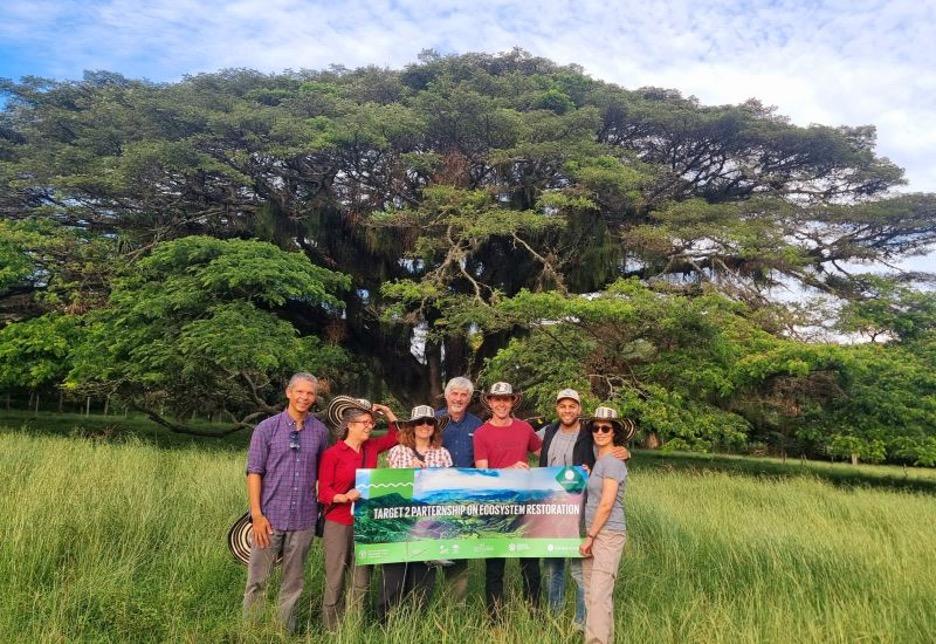
The trip was organized by the UN Global Biodiversity Framework Target 2 Partnership on Ecosystem Restoration, including the Society for Ecological Restoration, of which I was a representative, the UN Food and Agricultural Organization, the UN Convention on Biological Diversity, and the Center for International Forestry Research and World Agroforestry (CIFOR-ICRAF). We were particularly interested in the intersection of native ecosystem recovery and sustainable production, since we cannot achieve global aims for native biodiversity protection and restoration by working in publicly owned protected areas alone. At the global level, the aim is to break down barriers between conservation, restoration, and production, and increase knowledge sharing to deliver more for both people and nature.
The connection to Florida was also interesting, since both sugarcane and cattle are major industries in Florida that affect native biodiversity and ecosystems. While there is improvement in sugarcane production in the Everglades Agricultural Area, such as the implementation of organic and regenerative practices by some companies, there is still much work to be done regarding sugarcane burning, nutrient runoff, and other unsustainable practices. On the cattle front, Archbold Biological Station has been working for the past 30 years on its Buck Island Ranch, where nearly 3,000 head of cattle graze across a range of semi-native grasslands and improved pastures. Cattle ranchers have also been key to the implementation of the Florida Wildlife Corridor, which is essential to the survival and recovery of many plant and animal species in the state. As with sugarcane, this is a good start, but we need to give much more thought in Florida to elevating the importance of production and other human-dominated landscapes, like cities, to the restoration and long-term management of our natural heritage. As part of this effort, we should look to other exemplars across the planet, so that learnings about both successes and failures can be shared.
[editor's note: see our October newsletter for a brief story on CBD COP16]
George Gann
Founder & Executive Director
| | The Global Biodiversity Framework, Target 2 restoration partnership lead team at El Hatico, Colombia. | | IRC and SER are Official Collaborators | | |
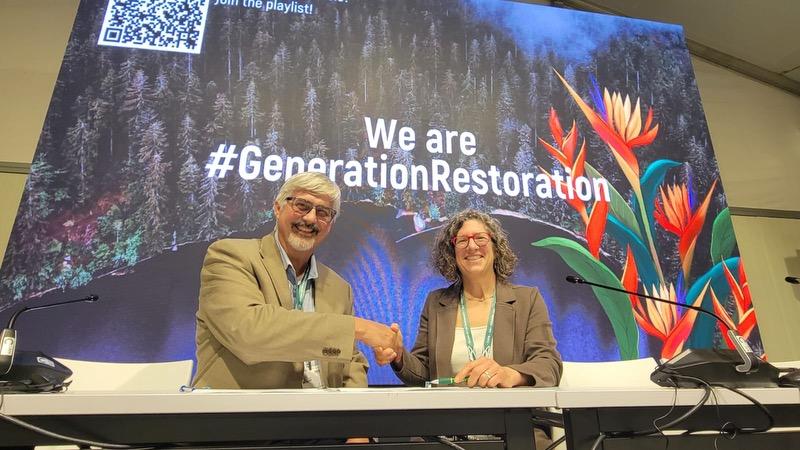
George Gann, IRC Executive Director and SER International Policy Lead with Bethany Walder SER Executive Director signing Memorandum of Cooperation between SER and IRC at the
United Nations Convention on Biological Diversity COP16
in Cali, Coloumbia, during Restoration Day, October 30, 2024.
| | | |
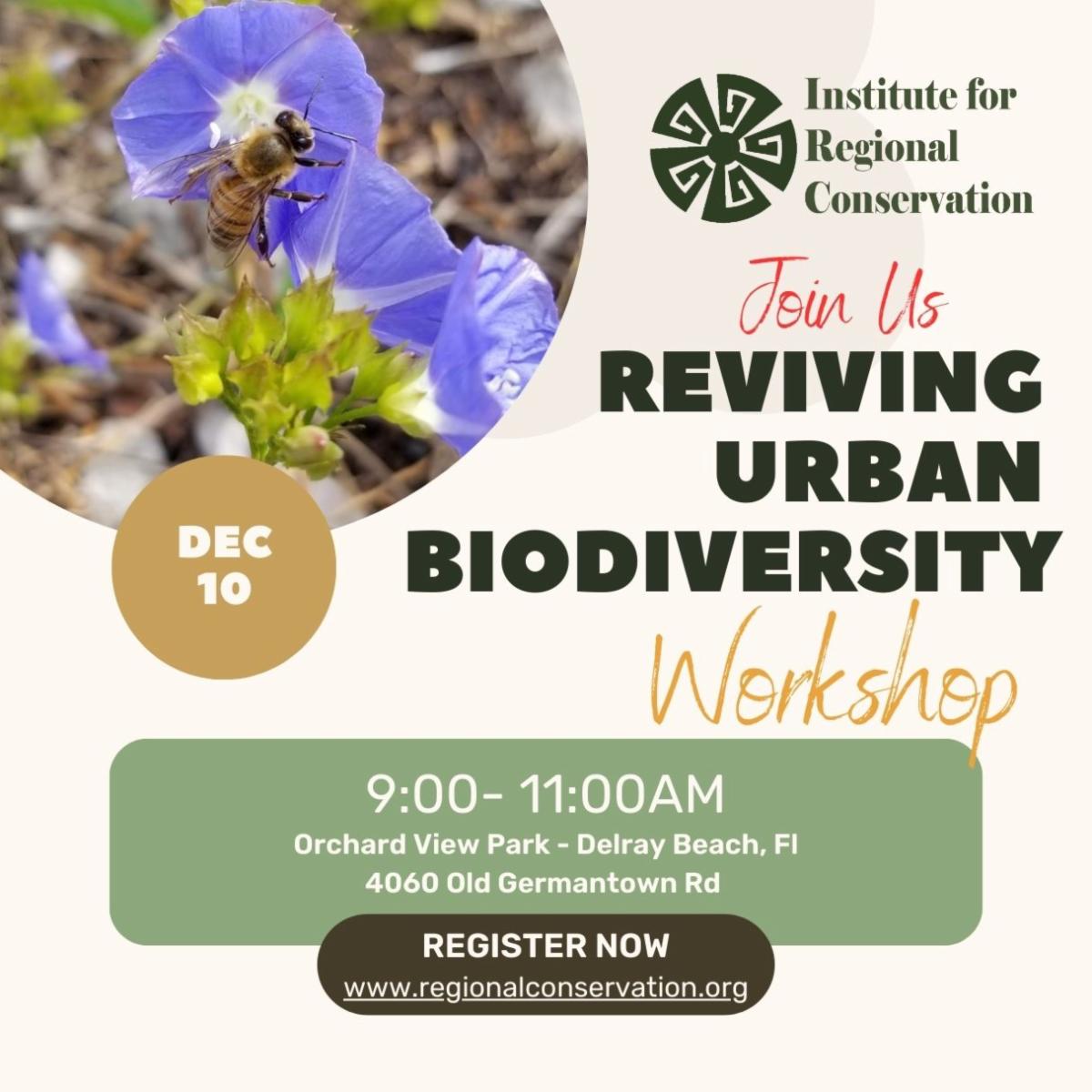
Reviving Urban Biodiversity Workshop- Delray Beach, Fl on December 10th (9am- 11am).
Join IRC for a workshop all about a new program called Reviving Urban Biodiversity at Orchard View Park in Delray Beach, Fl. This workshop is an opportunity to learn about native urban biodiversity and the importance of preserving remnant patches of urbanized natural areas. We will have a talk about invasives species and the threat the pose on native species, and discuss new emerging invasives in Palm Beach County. We will also host a guided nature tour, and brief invasive removal activity.
Click here to sign up.
| |
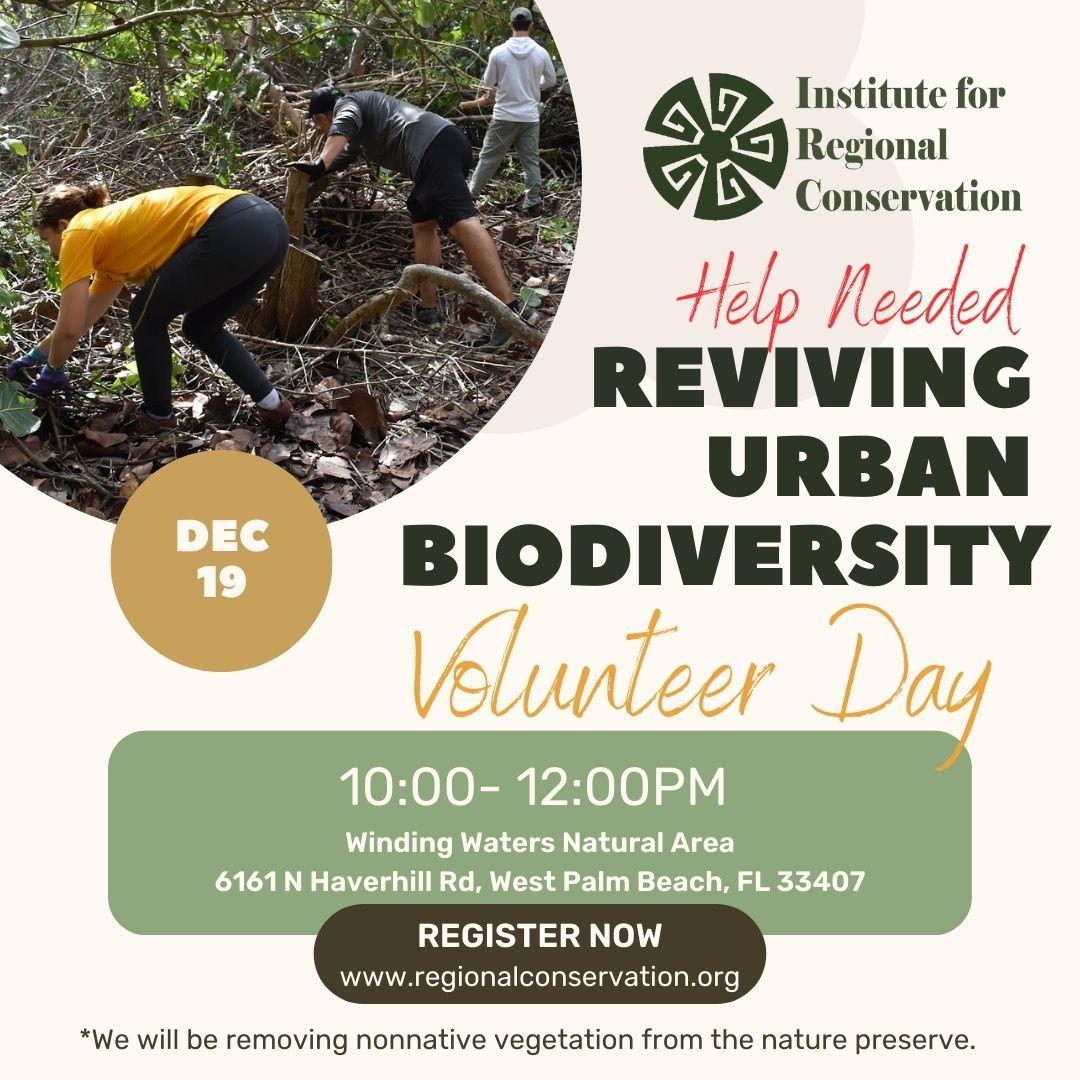
Reviving Urban Biodiversity Volunteer Day- Winding Waters Natural Area, Palm Beach, Fl on December 19th (10am-12pm)
Join IRC for a volunteer day to kick off a new program called Reviving Urban Biodiversity at Winding Waters Natural Area, Palm Beach, Fl. This is an opportunity to learn about native urban biodiversity and the importance of preserving remnant patches of urbanized natural areas. We will have a brief discussion about invasives species and the threat they pose on native species, and discuss new emerging invasives in Palm Beach County. We will then spend the majority of the time removing nonnative species from the natural area.
Click here to sign up.
| | | IRC Celebrates 40 Years of Conservation! | | |
IRC Executive Director George Gann and board members Patty Phares, Donna Shore and Robert Heinzeman.
George, Donna and Robert were founders of IRC 40 years ago!
| |
A Heartfelt Thank You!
On behalf of everyone at The Institute for Regional Conservation, we would like to extend our heartfelt gratitude to each and every one of you who joined us in celebrating our 40th anniversary. Your presence, support and commitment to our mission have made this milestone truly special.
This celebration was not only a chance to reflect on the incredible work we've done together, but also an opportunity to look forward to the future of our organization. None of this would have been possible without the unwavering dedication of our volunteers, supporters, and partners, and the hard work of our team.
We would like to acknowledge the generosity of our event sponsors and donors, whose support made this celebration possible. Thank you to:
Check out photos from our event here.
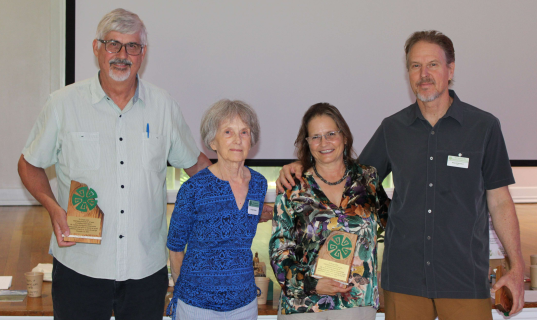
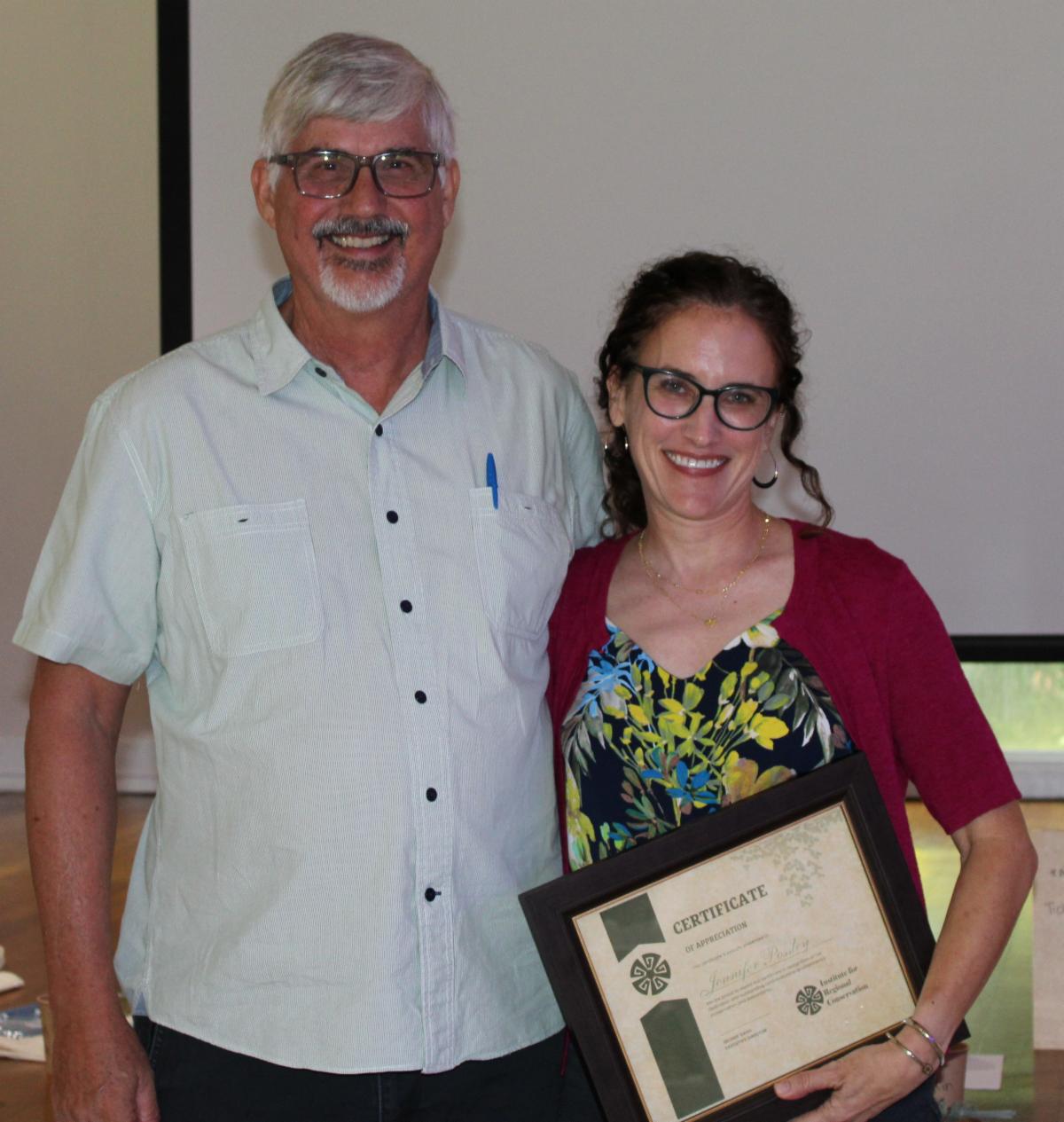
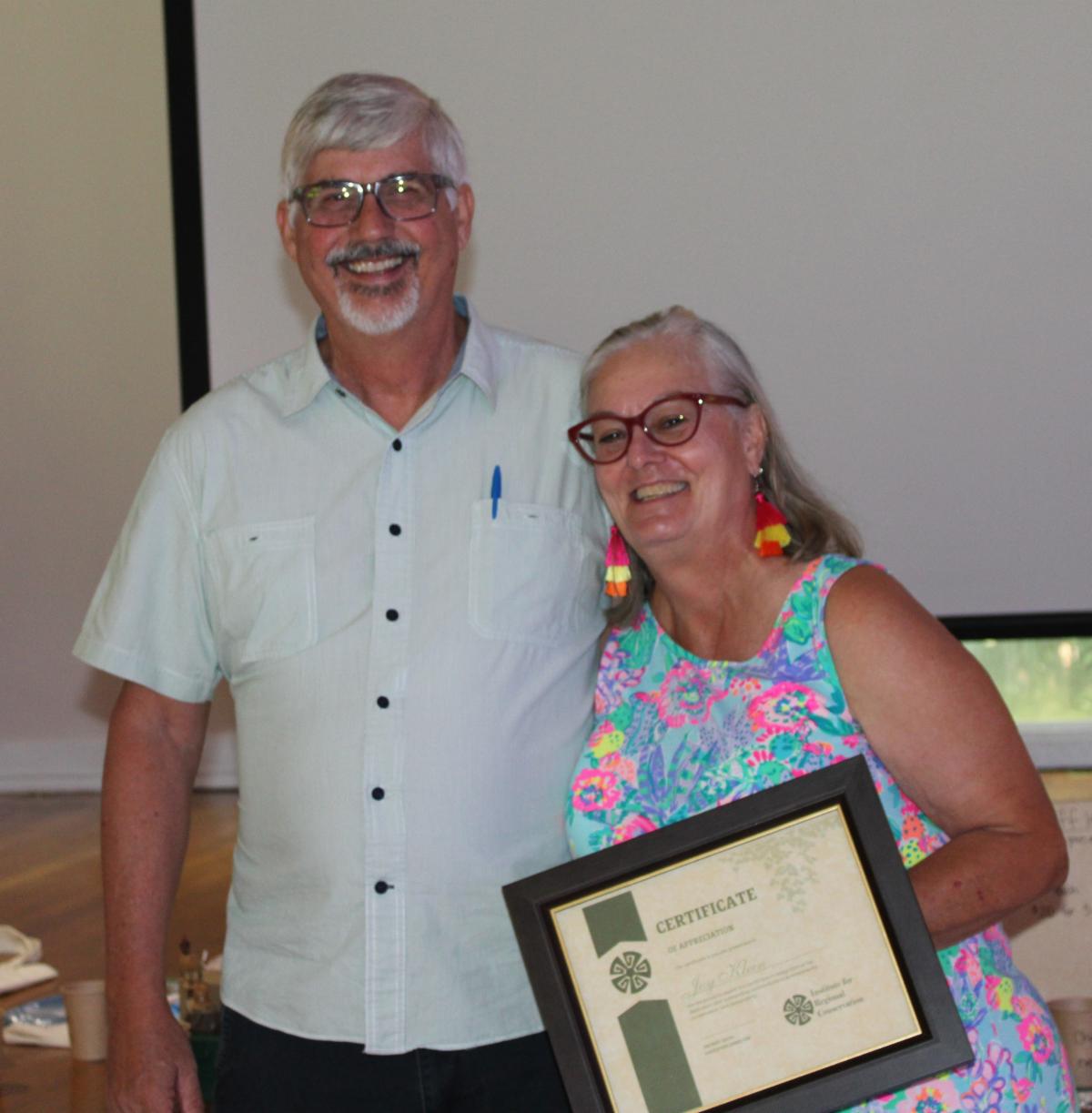
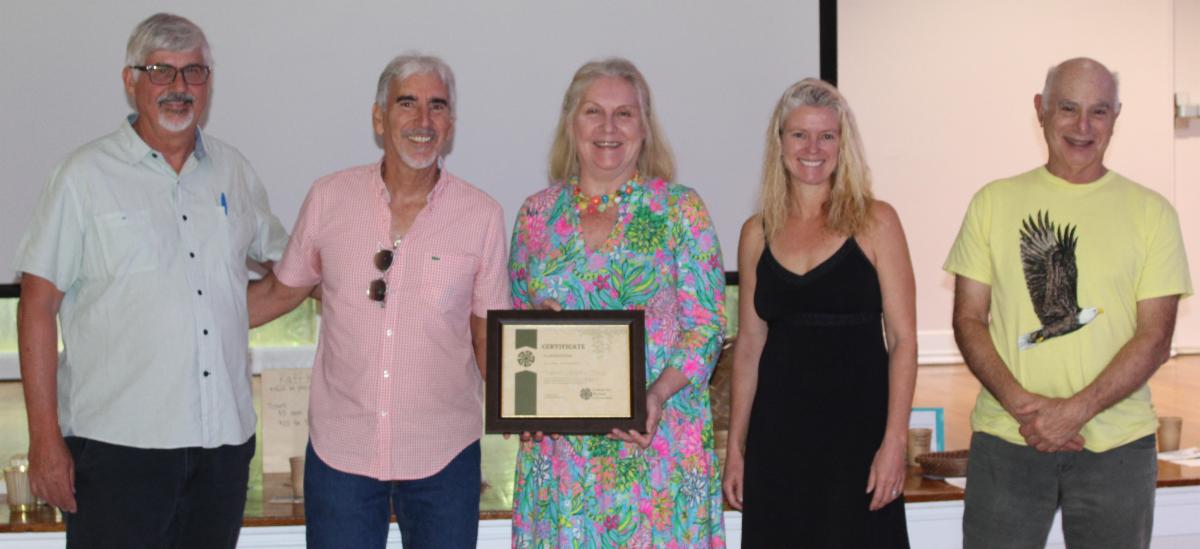
IRC honored a two people and an organization from the community that have made a lasting impact on IRC over the years. We honored Jennifer Possely from Fairchild Tropical Botanic Garden, Joy Klein from Miami-Dade County Environmentally Endangered Lands Program, and the Tropical Audubon Society. We truly appreciate all the support over the years.
| | George Gann with Jennifer Possely (FTBG) and George Gann with Joy Klein (EEL Program) | | |
George Gann with Tropical Audubon Society
(Jose Barros, Amy Creekmur, Kristen Hines, and Henry Block)
| | |
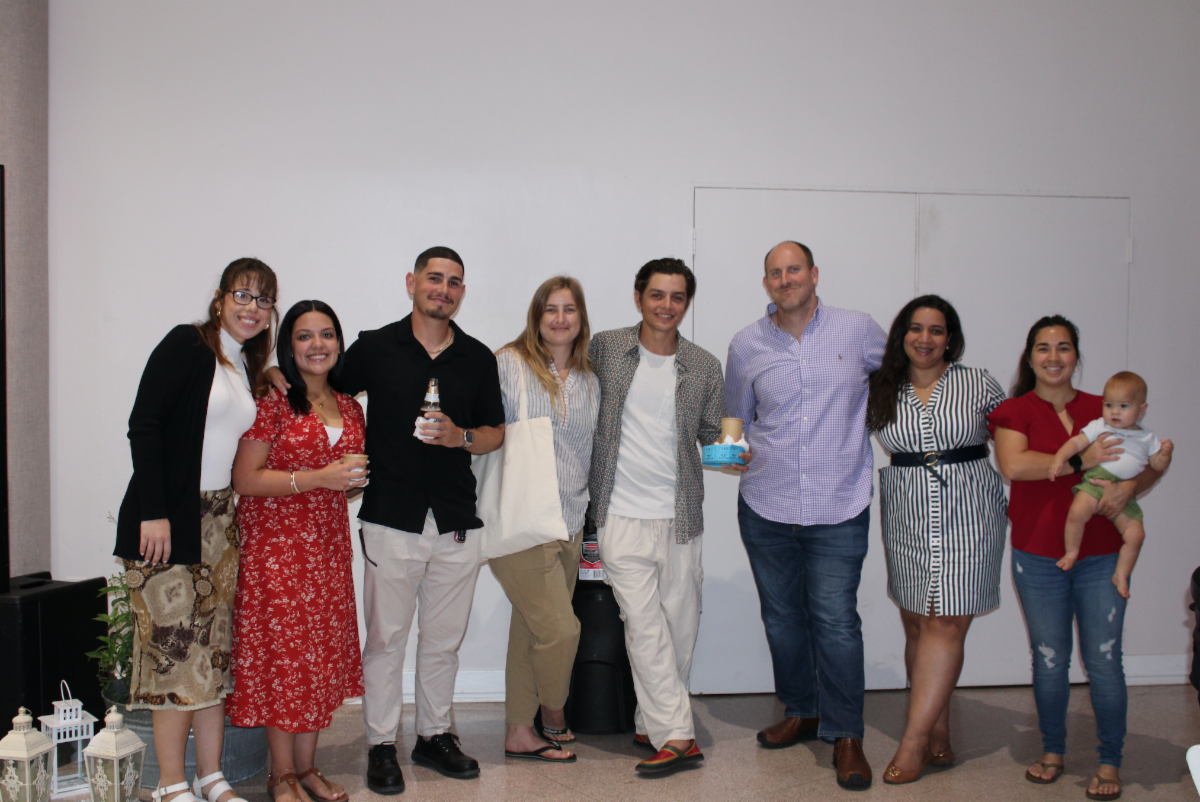
Current and past IRC Ecological Restoration Team and "plus ones" and
Michelle Smith our program associate.
| | |
Thank you for all your support on November 21st for Give Miami Day
Total donations were $3,610 but the final amount we receive
from Miami Foundation will be higher!
| |
Volunteer Day with EEL at
Hattie Bauer Hammock for an
Environmental Education Forum
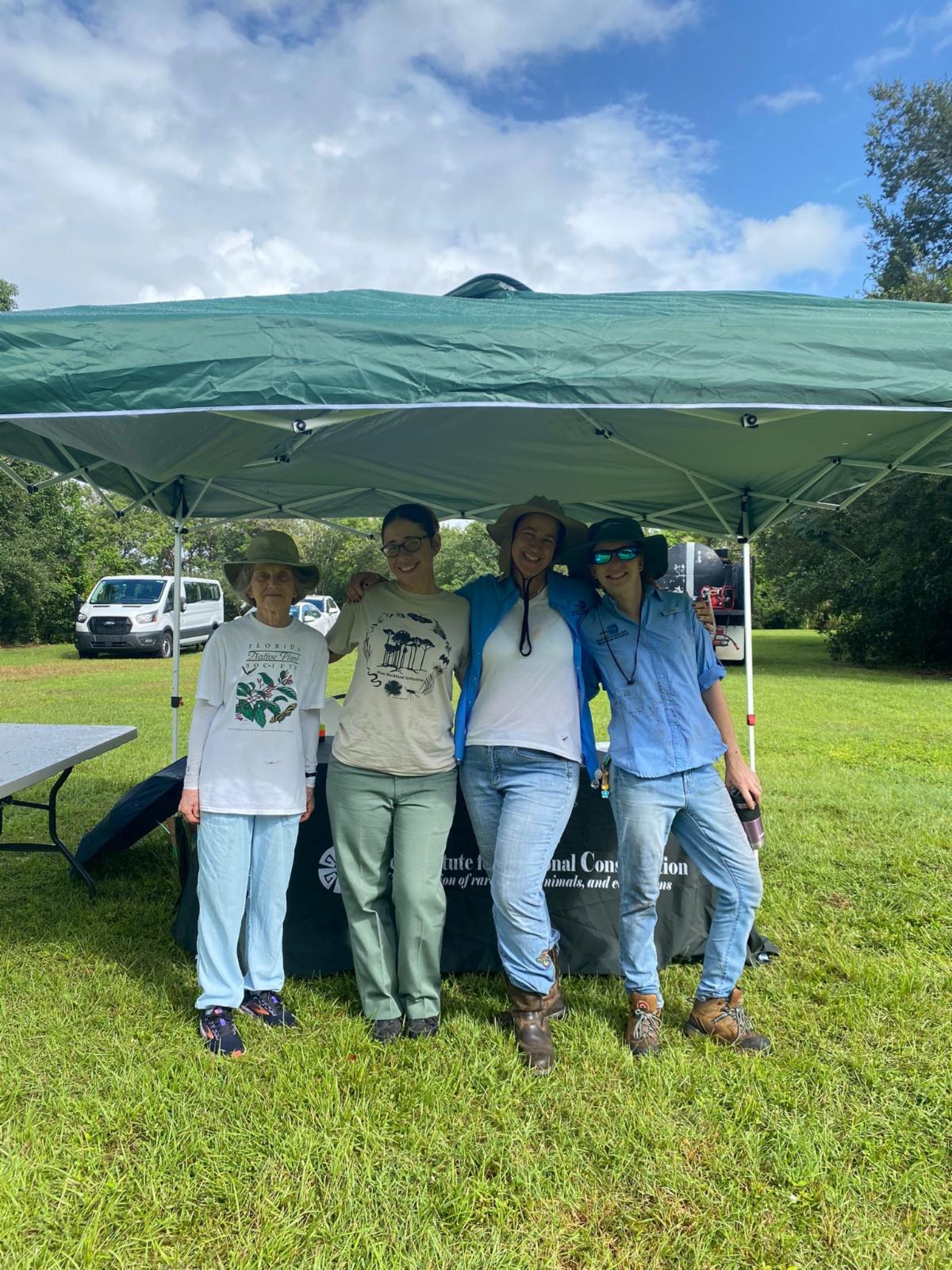
On November 2nd our ecological restoration team members Melany Flint and Alex Gascon joined Miami-Dade County's Environmentally Endangered Land (EEL) Environmental Education Forum at Hattie Bauer for a fun day of outreach. Participants were able to learn about different environmental organizations, and take part in different educational activities. Our team educated booth visitors about the importance of pine rocklands and the importance of ecological restoration.
| | |
Volunteer Day at Navy Wells 2
Pineland Preserve
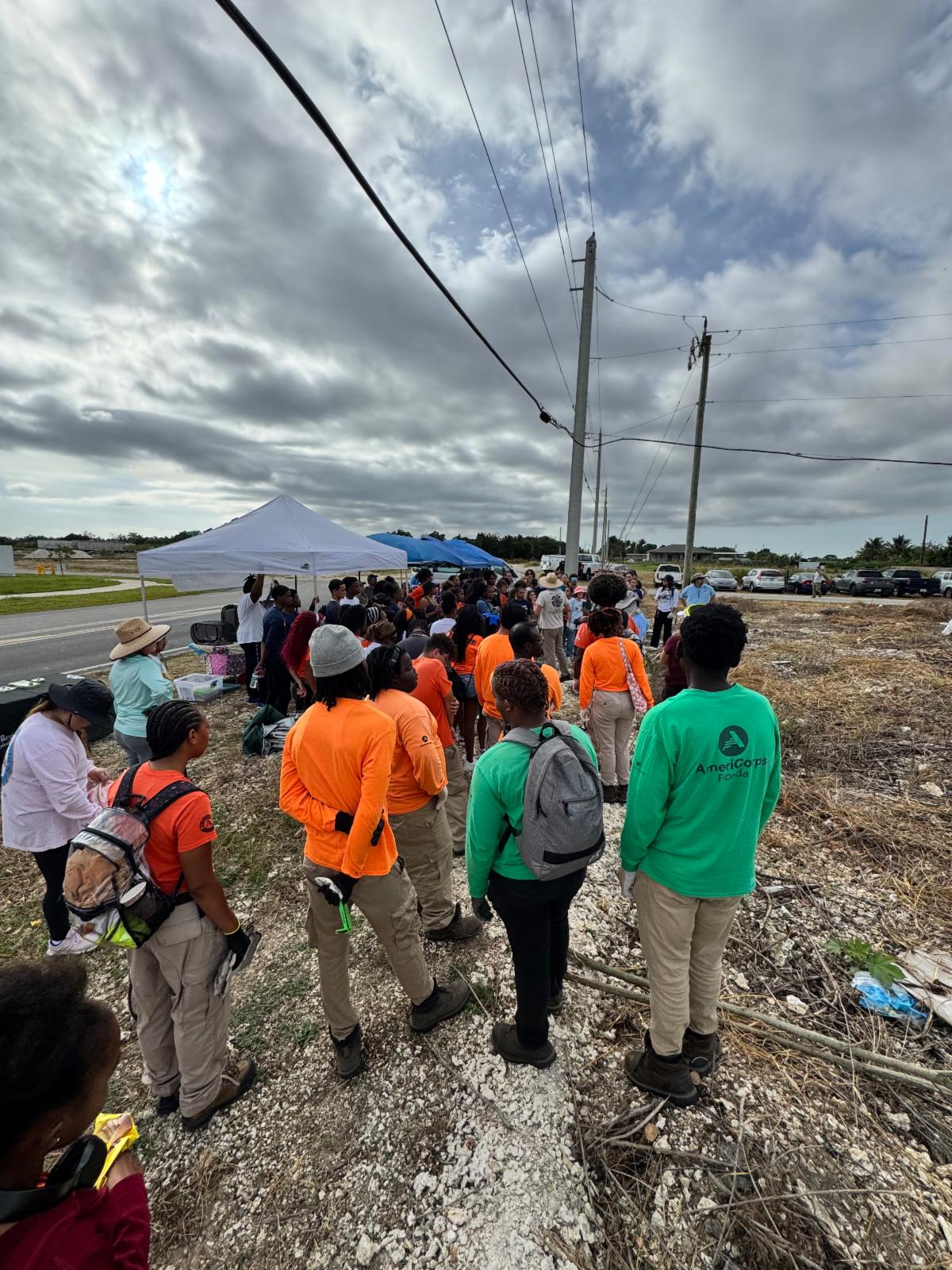
On November 20th IRC participated at Miami- Dade County's Environmentally Endangered Lands volunteer event at Navy Wells 2 Pineland Preserve. Ecological Restoration Team members Joel Otero and Jonathan Moreno hosted a booth to provide education about the importance of the pine rockland ecosystem. They also joined dozens of students and other volunteers to remove invasive plant debris and litter from a heavily degraded area of the preserve to prepare for restoration.
| | |
Coastal Conservation Workshop at Biscayne Beach Elementary
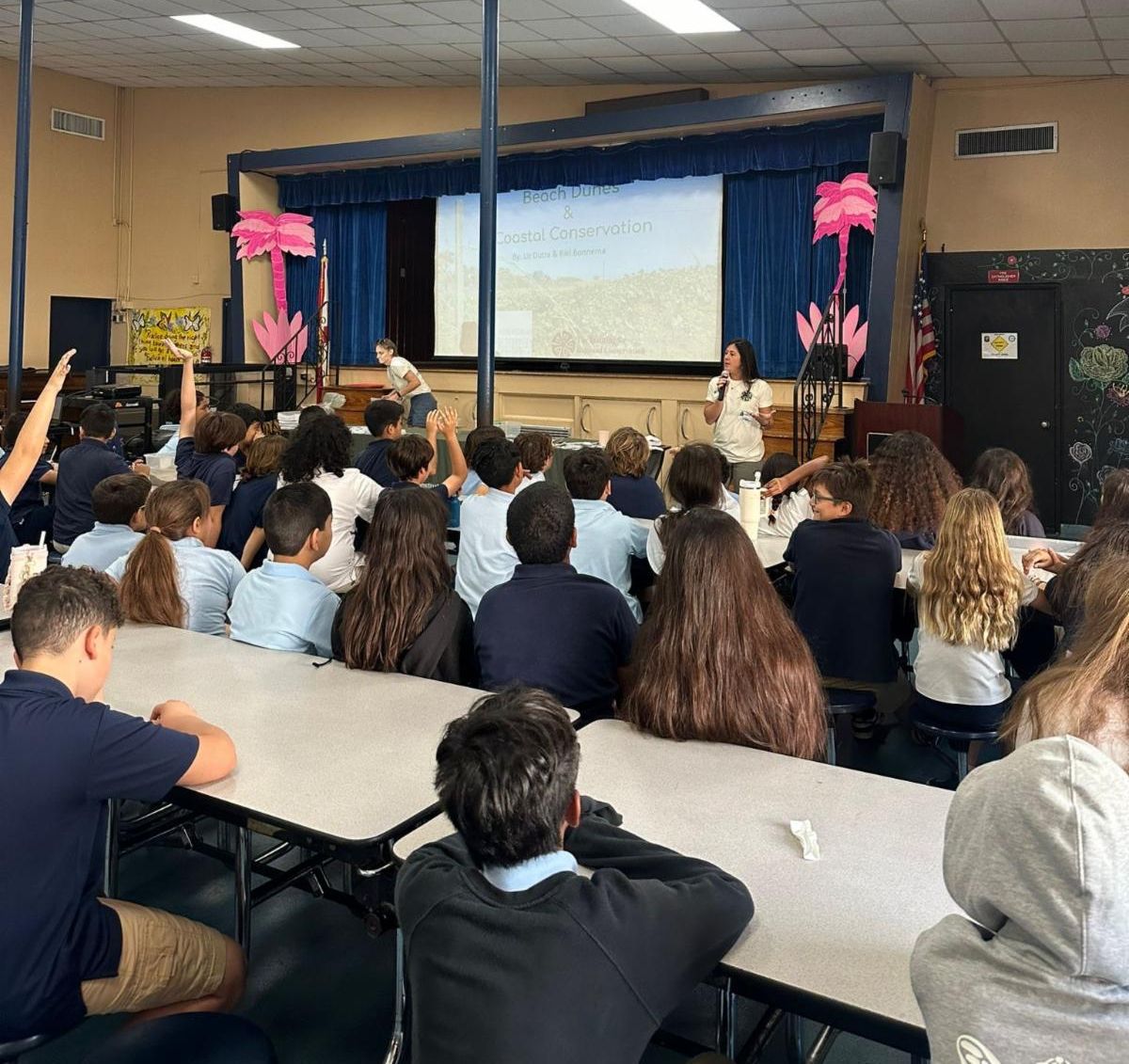
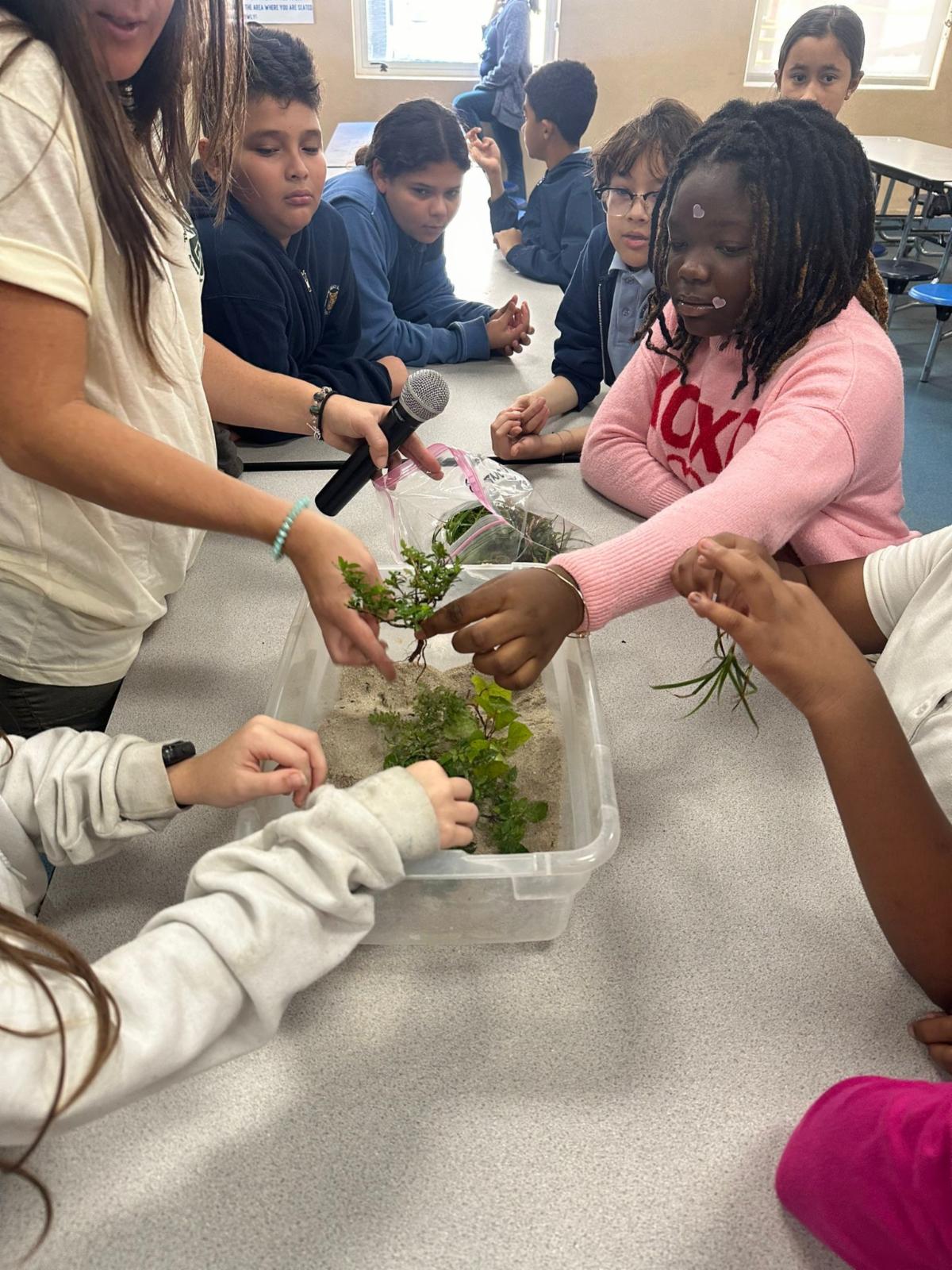
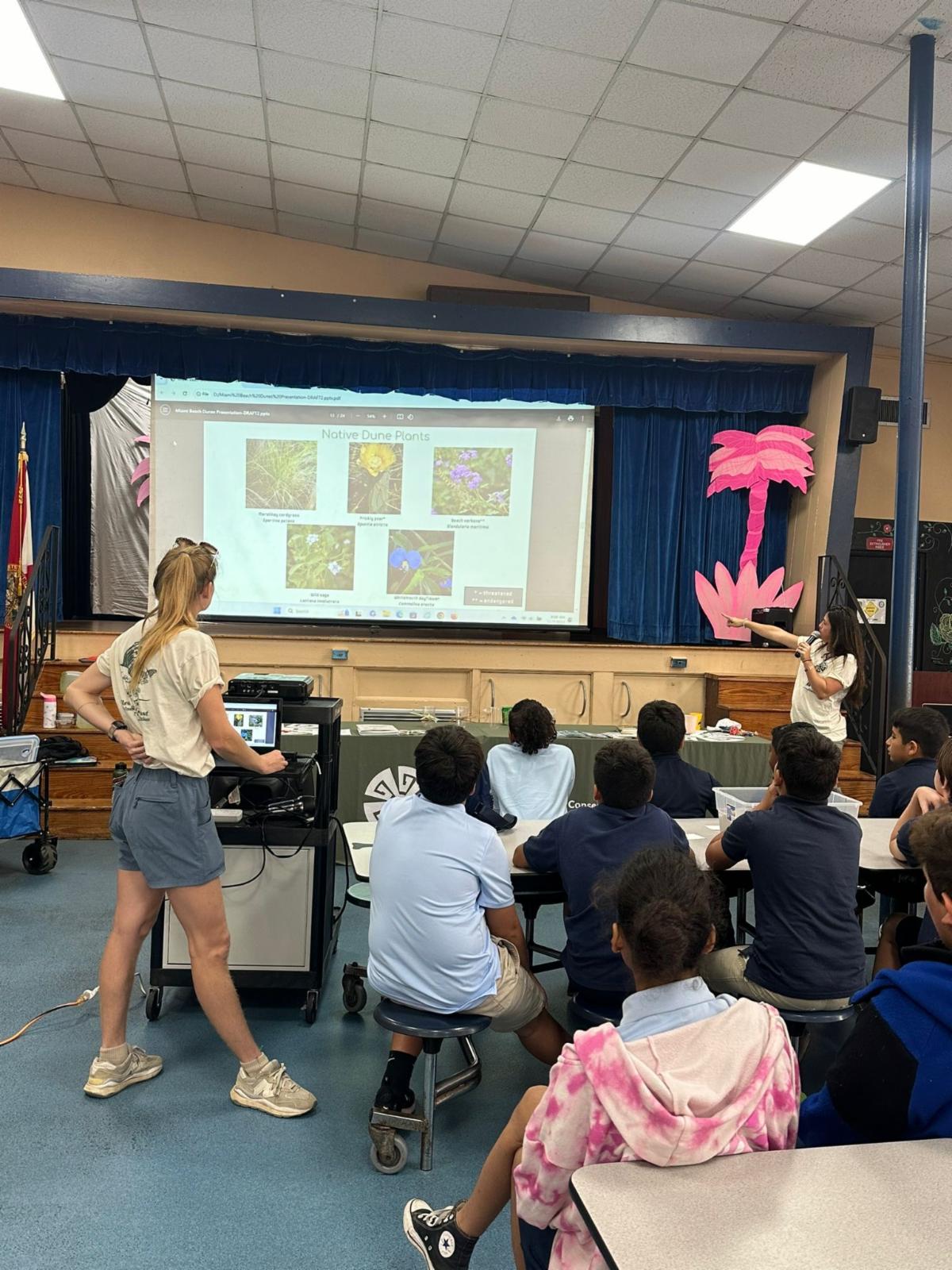
Through support from our Miami Beach Rising Grant we hosted a Coastal Conservation Workshop at Biscayne Beach Elementary with their 5th graders. During this workshop students learned about the importance of coastal biodiversity and how that enhances beach dune resilience. Students conducted two experiments where they were able to observe the difference in beach dune structure. They enjoyed the activities and are looking forward to exploring the beach dunes with a new understanding.
| | | |
Thank you to all who have supported IRC's programs with a $20 or larger donation in the last month: Cindy Dwyer.
Thank you to our Monthly Sustainers who donate $25 or more each month: Barbara McAdam, Maria Rowley, Lindsay Boehner and Valerie Seasholtz.
While we get funding for some great projects, those funds rarely cover all of our costs, so we really do need your support to continue our important work.
Consider supporting our efforts which allow us to provide important conservation services such as improving our free online resources, increasing protection of rare plants and animals, restoring native ecosystems, and advocating for better public policy. Click the button below.
| |  | |
If you're interested in being a sponsor of Natives For Your Neighborhood, please reach out to Katherine Hardial.
The Dade Chapter Florida Native Plant Society is a new NFYN sponsor and has a new online plant store.
IRC has an E-Trade account. Please contact us about giving gifts of stock.
| |
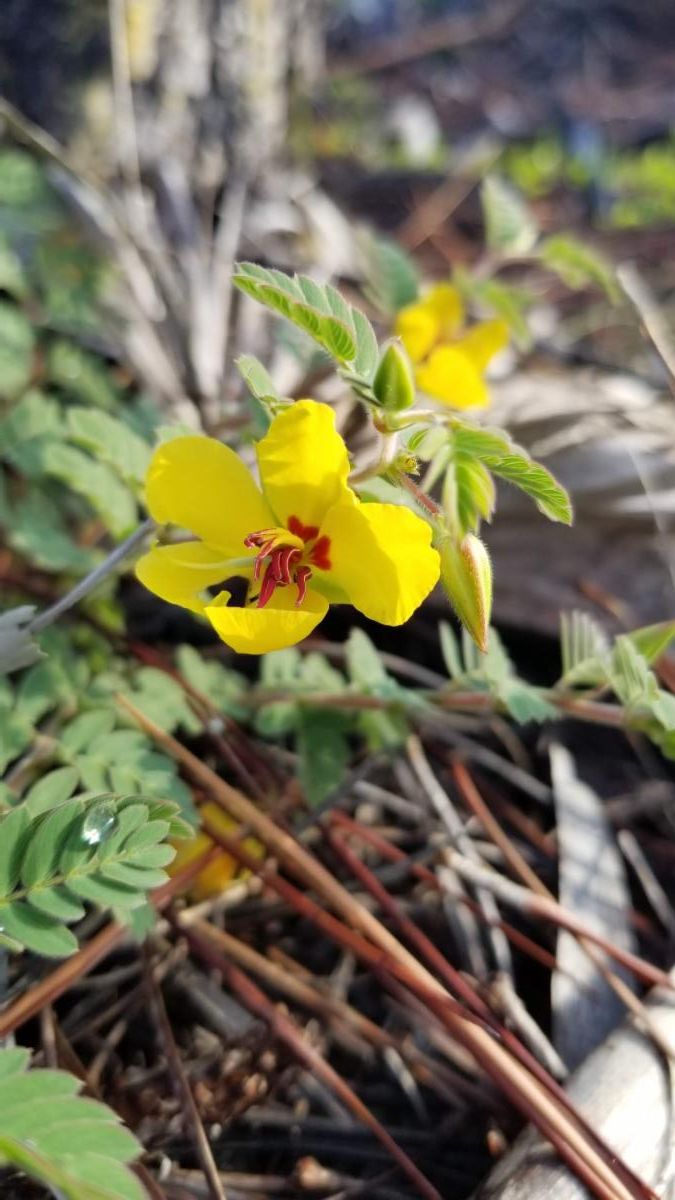
Deering partridge pea
(Chamaecrista deeringianna)
| | | Your donations empower us to enhance our free online resources, safeguard rare plants and animals, restore native ecosystems, and champion more effective public policies for conservation. | | Follow us on Social Media | | | | |
The best way to stay up to date on all things IRC is to follow us on social media! Every week we spotlight native plants for "Wildflower Wednesday" and give a glimpse into one of our many unique projects from our "From the Field Friday" posts. You can also follow our socials where we share our event photos and lots of relevant information about the environment and beyond.
So, if you haven't already, follow us on Instagram, Facebook and LinkedIn!
| |
We are a nonprofit conservation organization exempt from taxes under the
U.S. Internal Revenue Code Section 501(c)3.
| | |
|
The Institute for Regional Conservation | Website
Newsletter Editor: Liz Dutra
| |
| | | |