- Monthly Conservation Note - "People, Plants, and Ecosystems"
- Upcoming Events
- Florida City Pineland Volunteer Day
- Bioblitz at Spanish River Park
- Emerging Invasives Webinar
- Thank You to Our Donors
- IRC Hiring Three Positions
- Office Administrator
- Program Associate
- Field Technician
- Recent Events
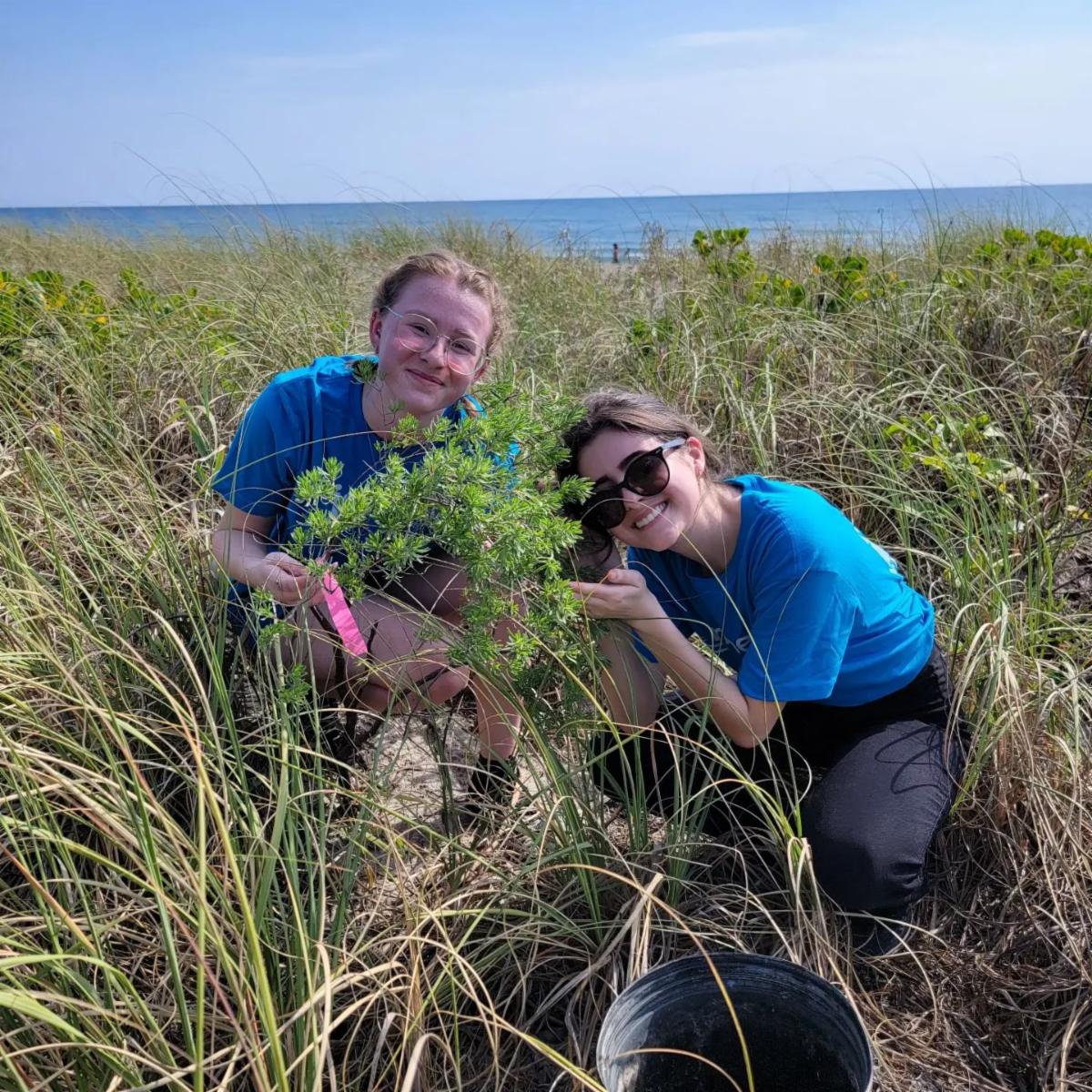
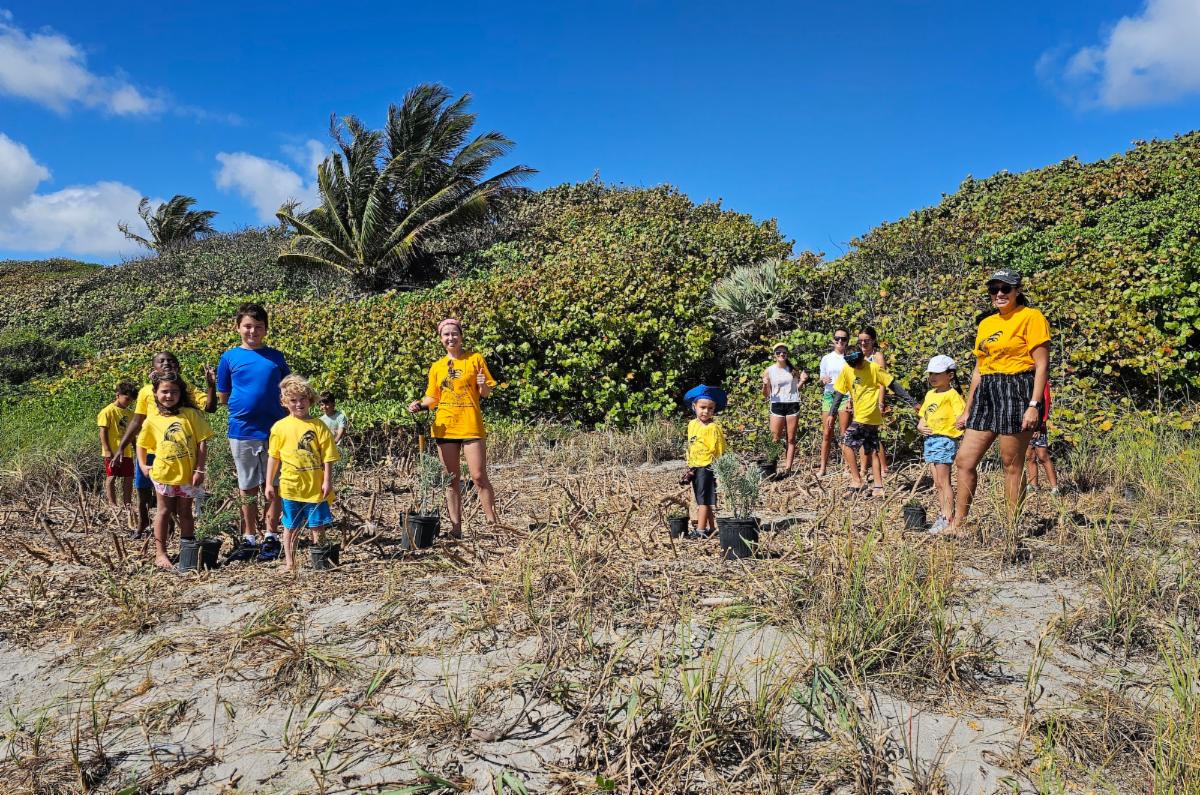
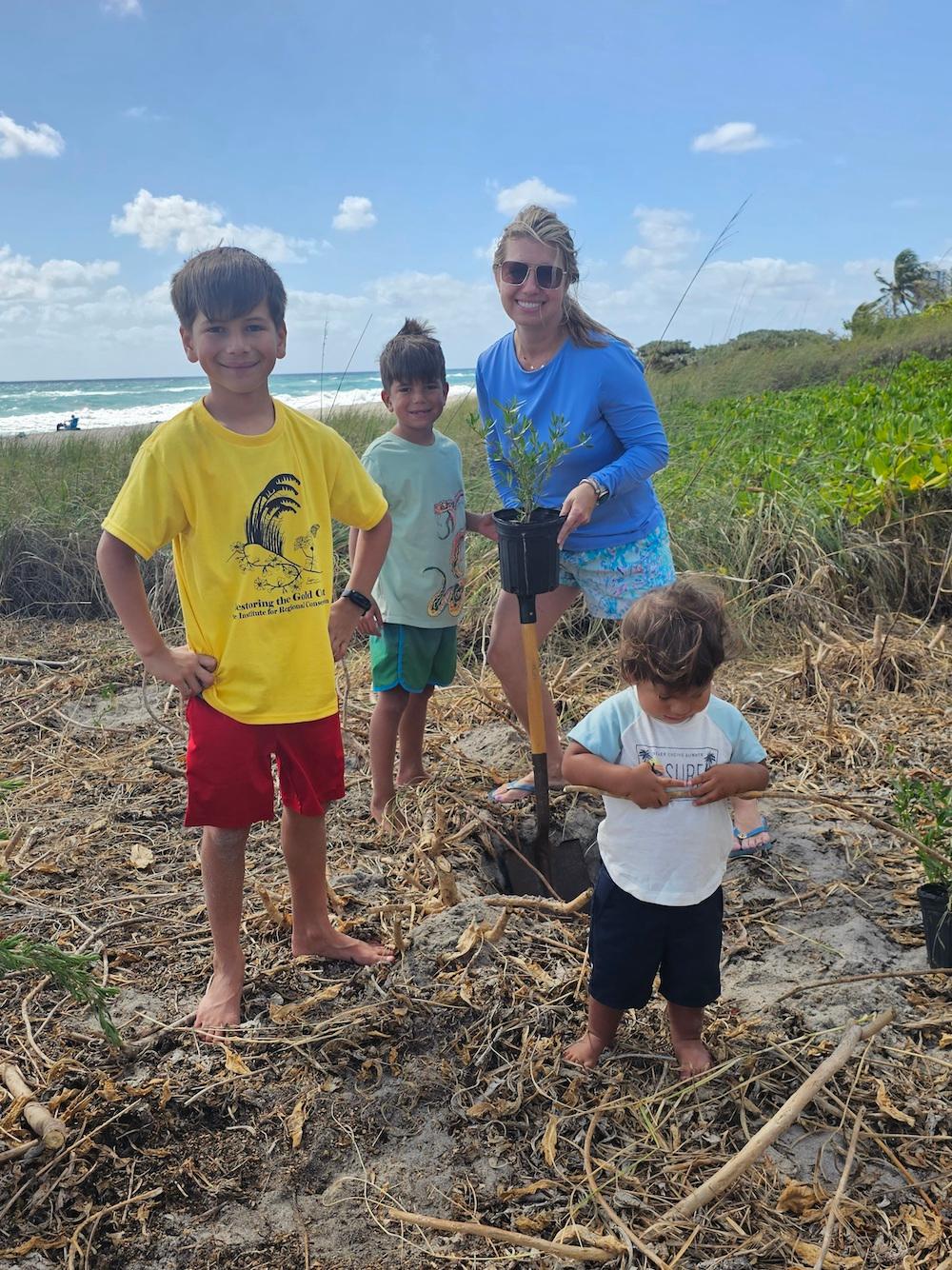
- Ecological Restoration Volunteer Day at South Beach Park
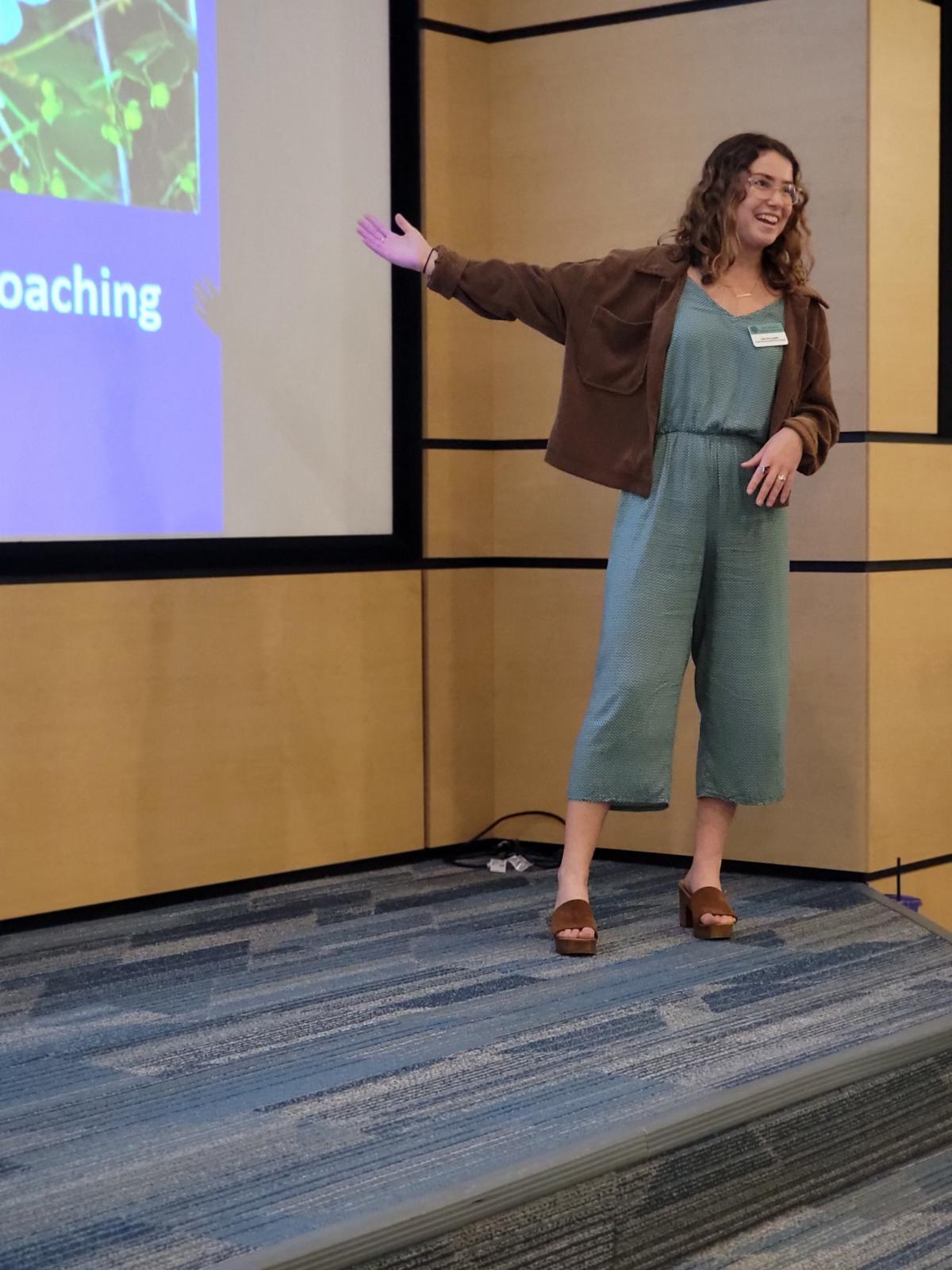
- TurtleFest 2023
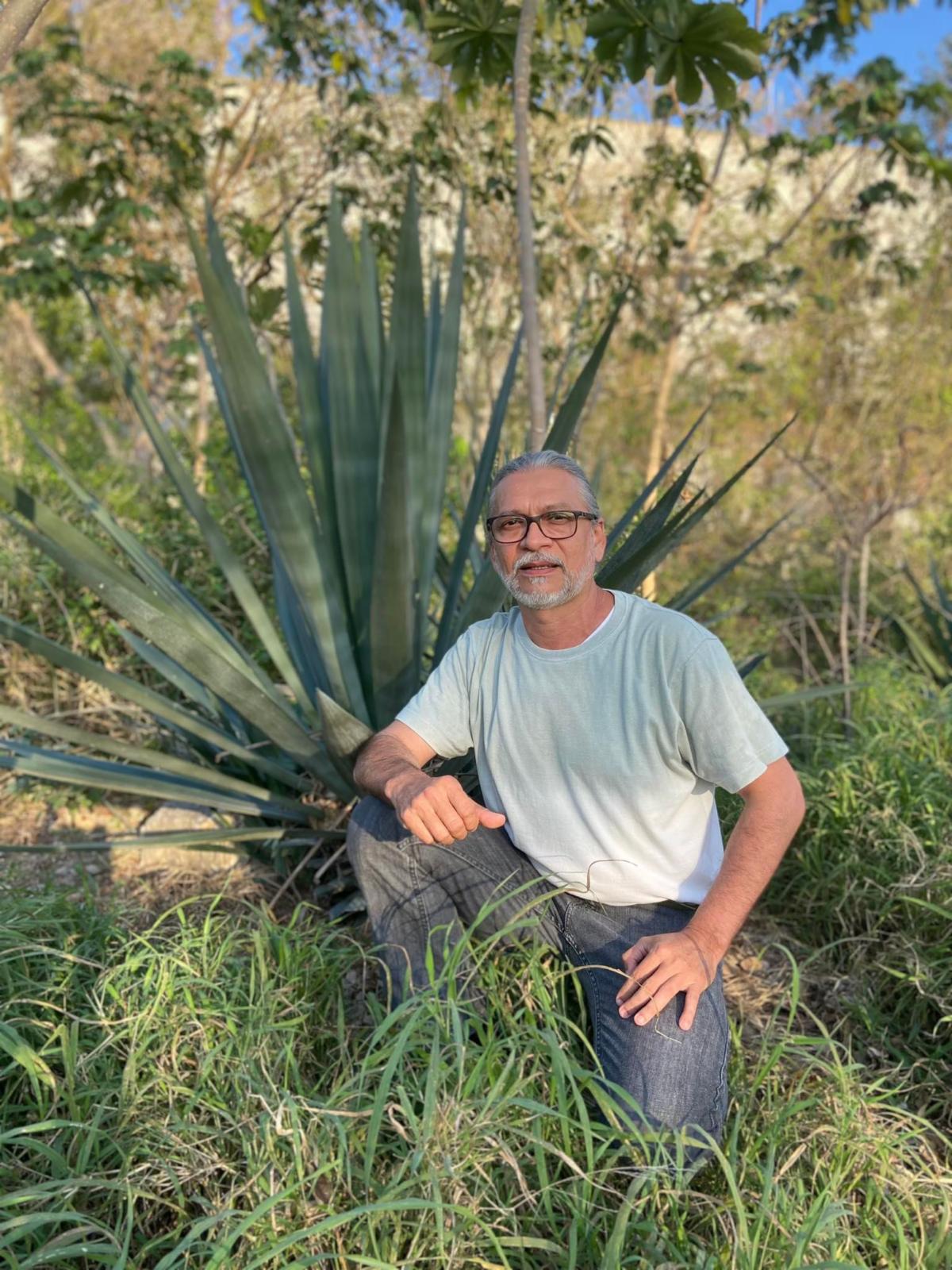
- Presentation on Agave sisalana
- Native Plant Day
- Ecological Restoration Volunteer Day at Red Reef Park
| | Monthly Conservation Note | | People, Plants, and Ecosystems | |
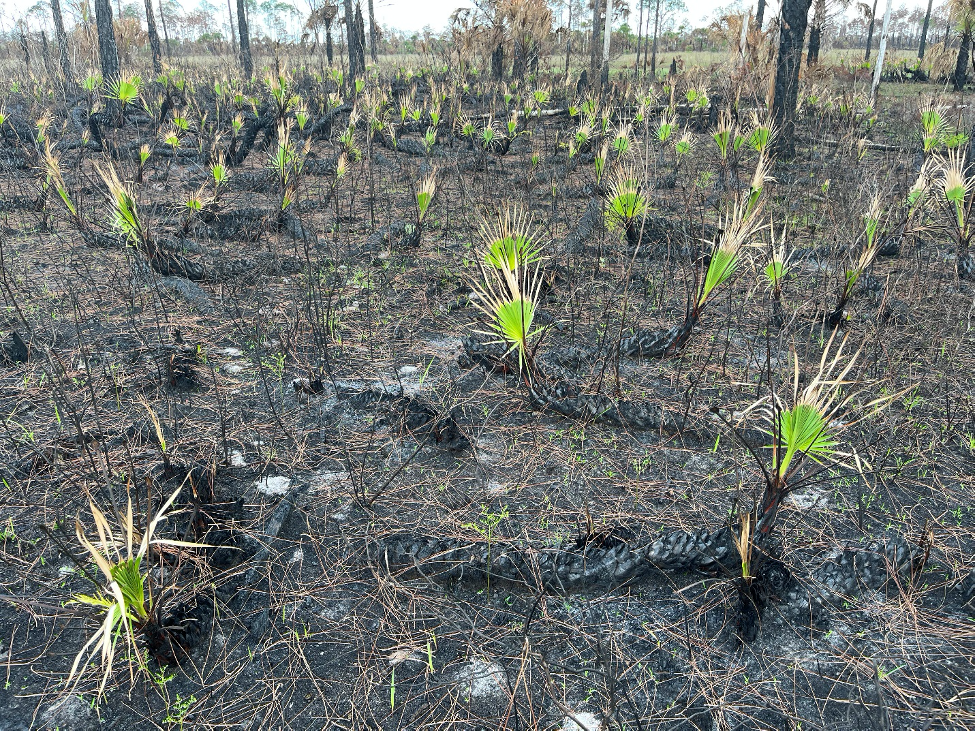
People have always interacted with nature, well, since we became people! As conservationists, we may assume that that interaction has mostly been good for people and bad for plants, but that is not always the case. We know, for instance, that traditional cultural ecosystems reflect the co-evolution of plants, animals, and humans in response to past environmental conditions (Gann et al. 2019). The extent to which native ecosystems have been created through human modification is often unclear, but it is well known that traditional practices (like indigenous burning) that mimic natural disturbances (like lightning-caused fire) are critical to the functioning of many ecosystems. In fact, the loss of traditional practices such traditional burning, grazing, harvesting, planting, and seasonal flooding can cause the degradation and even collapse of native ecosystems.
Within the practice of ecological restoration, we often try to determine what those lost practices were and how they operated, so that we can re-establish similar practices that can lead to ecological recovery. People also have interacted with plants through agriculture, including the selection of cultigens, or plants that owe their origin to human selection, often over long periods of time. In some parts of the world, these cultigens are important components of native biodiversity and become targets of biodiversity conservation and restoration efforts themselves; the story of Agave sisalana (below) is a great example.
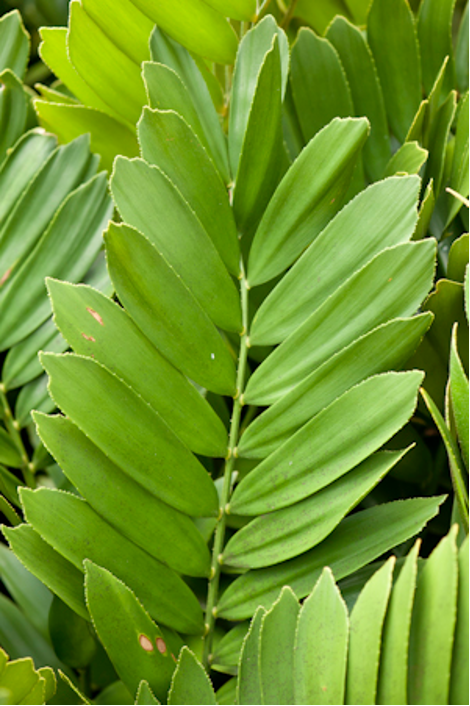
On the negative side, humans can cause plants to “misbehave”. Some plants and animals that have been transported far away from their natural habitats become invasive and cause tremendous environmental harm. What few consider is
| |
that we often have an opportunity to prevent invasive species from becoming established in the first place – see below for our upcoming webinar on “emerging invasives”. For you history buffs, if only Henry Perrine knew then what we know now about Agave sisalana in Florida!
George Gann
Founder and Executive Director
| Big Cypress National Preserve. Fire (natural and human) is essential to maintaining open, grasses ecosystems in many parts of the world. Without it, biodiversity is lost, and collapse is inevitable. Photo © George Gann. | Some very common landscape plants, like this cardboard-palm, are emerging invasives in South Florida. Photo © Keith Bradley. | | | | Florida City Pineland Volunteer Day |
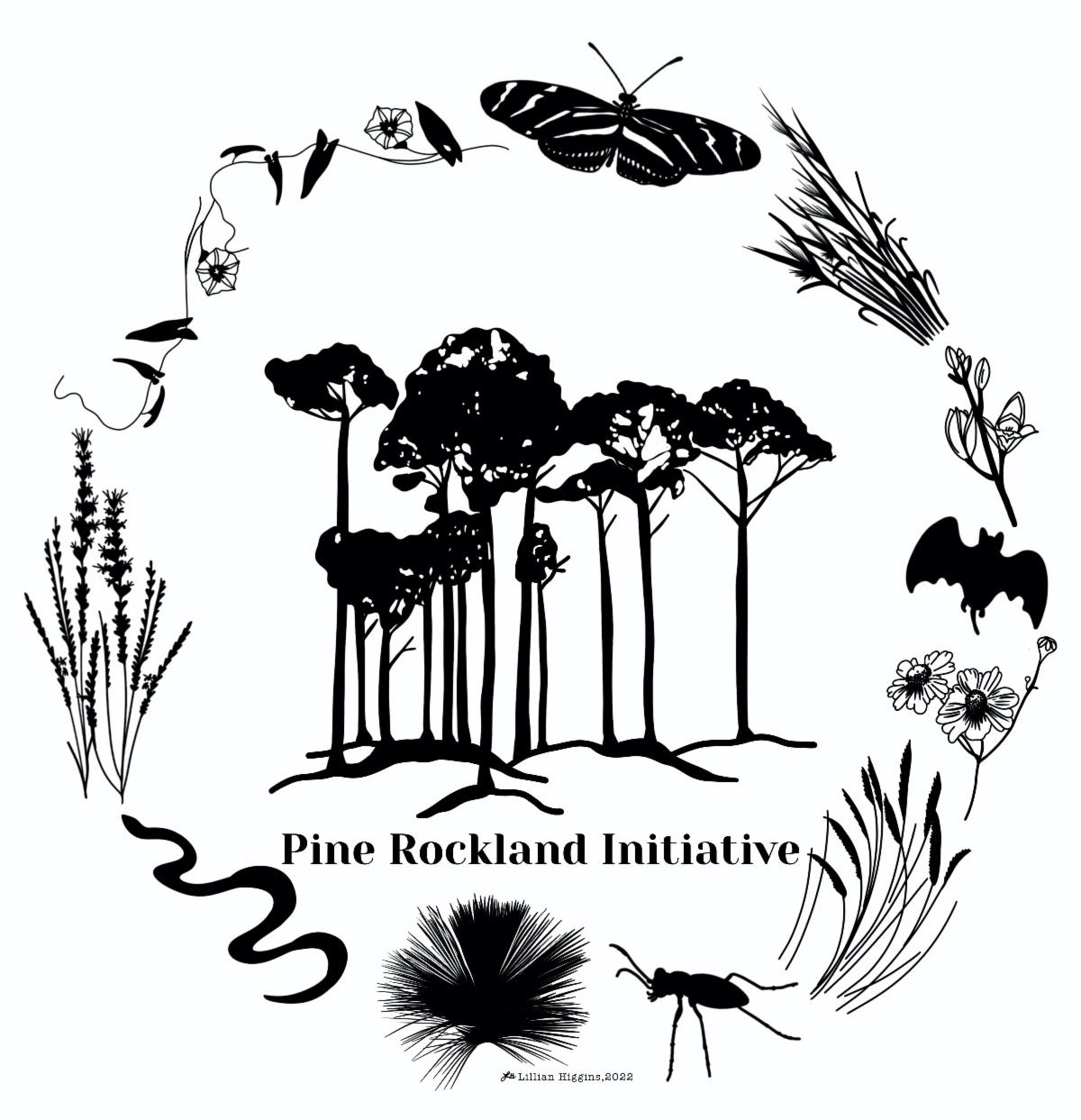
Together with Miami-Dade Environmentally Endangered Lands program (EEL) and other local organizations, IRC will be holding a planting volunteer day at Florida City Pineland on Saturday, April 8 from 9AM - 12PM. We invite you to join us for a morning full of educational and interactive activities! All participants will receive a free t-shirt featuring IRC's new Pine Rockland Initiative logo (pictured left) on it.
| | Bioblitz at Spanish River Park |
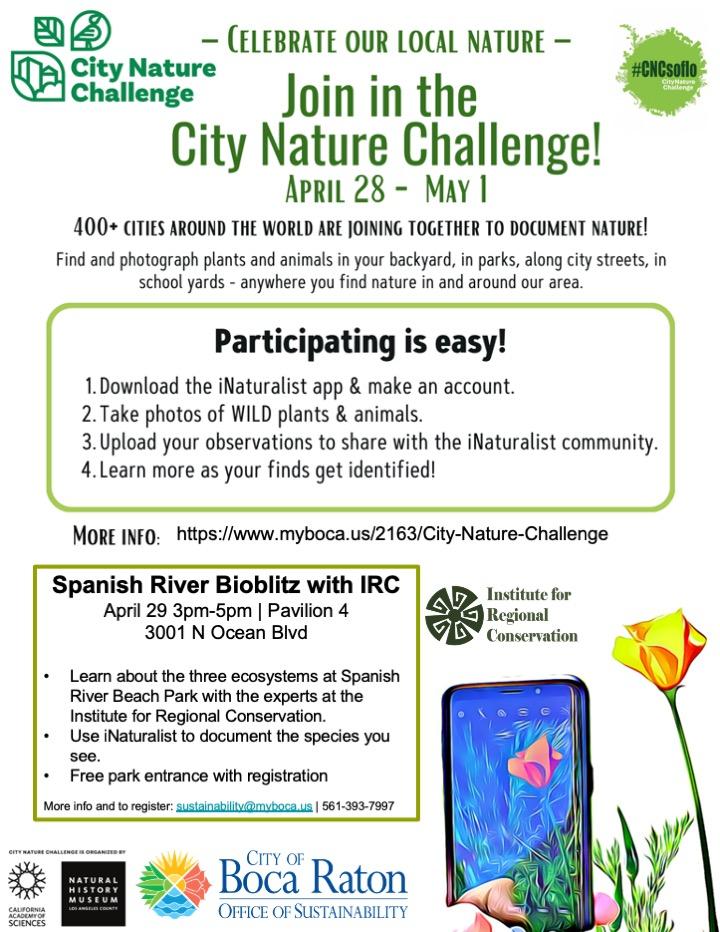
IRC is teaming up with the City of Boca Raton Office of Sustainability to participate in the global "City Nature Challenge". We will be holding a bioblitz at Spanish River Park on Saturday, April 29 from 3PM - 5PM.
We will teach participants about the three coastal ecosystems found at the park while seeing what rare plants and animals we encounter.
For more information and to register, contact Boca's Office of Sustainability at this email address.
| | | | | Emerging Invasive Species Webinar |
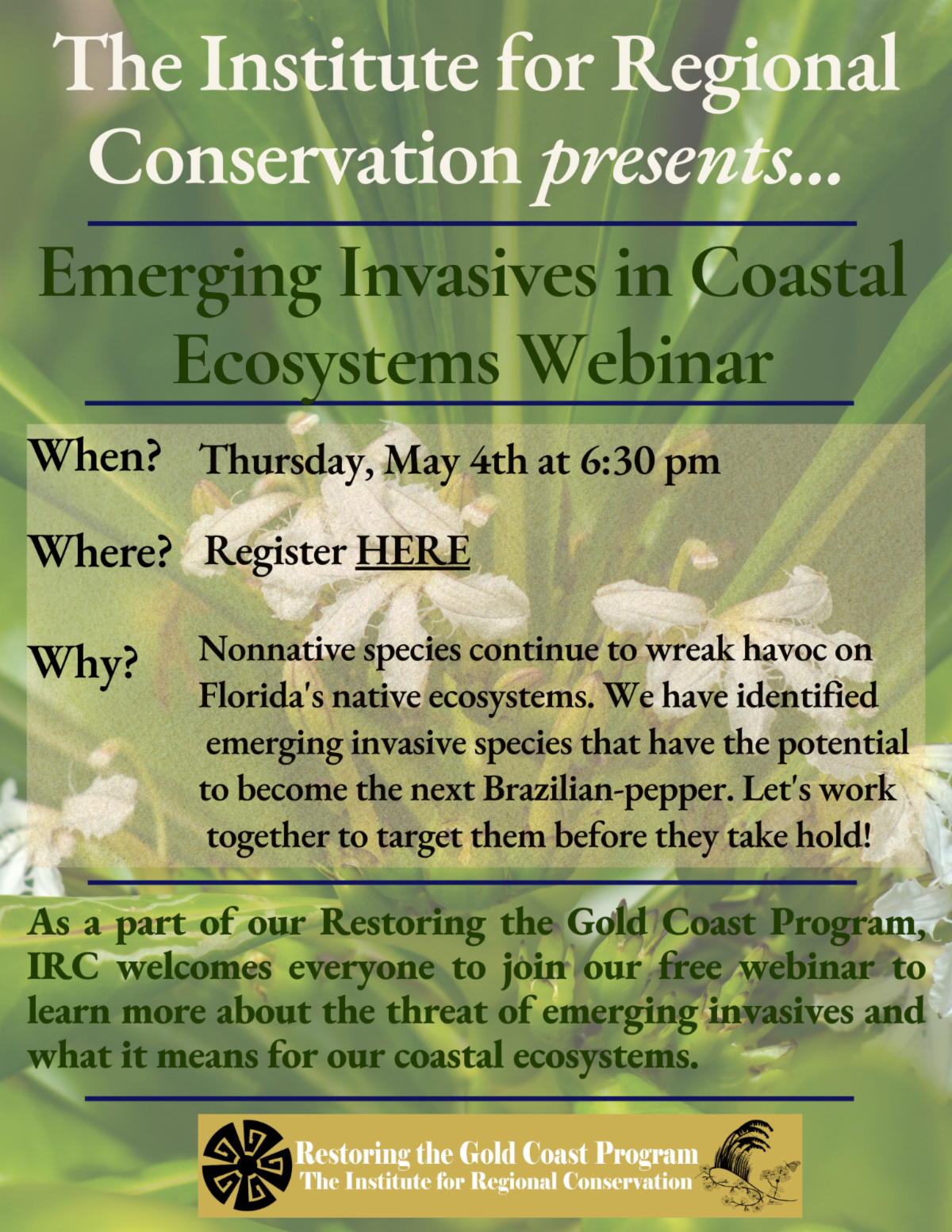
Nonnative invasive species continue to wreak havoc on Florida's native ecosystems. At IRC, we know firsthand the extensive amount of time and resources that are needed to combat these species.
WHAT IF we could identify species that have the potential to become the next Brazilian-pepper or Australian-pine and collectively target them in Palm Beach County (and beyond) before they take hold? WHAT IF we told you this was possible?
IRC is excited to host a free, virtual webinar on Thursday, May 4 at 6:30PM that will focus on the identification of several "emerging invasive" plant species (including at least one you will know!) that we at IRC have identified. We will discuss how to report your observations of these species to best influence the change that is needed. Although we are highlighting emerging invasive species for Palm Beach County, but we encourage people from all throughout Florida to join the webinar and learn with us!
| |
Thank you to all who have supported IRC's programs with a $20 or larger donation in the last month: Brenda Sutton.
Thank you to and our Monthly Sustainers who donate $25 or more each month: Barbara McAdam, Lindsay Boehner and Valerie Seasholtz.
While we get funding for some great projects, those funds rarely cover all of our costs, so we really do need your support to continue our important work.
Donations allow us to provide important conservation services such as improving our free online resources, increasing protection of rare plants and animals, restoring native ecosystems, and advocating for better public policy.
| |  |
IRC has an E-Trade account. Please contact us about giving gifts of stock.
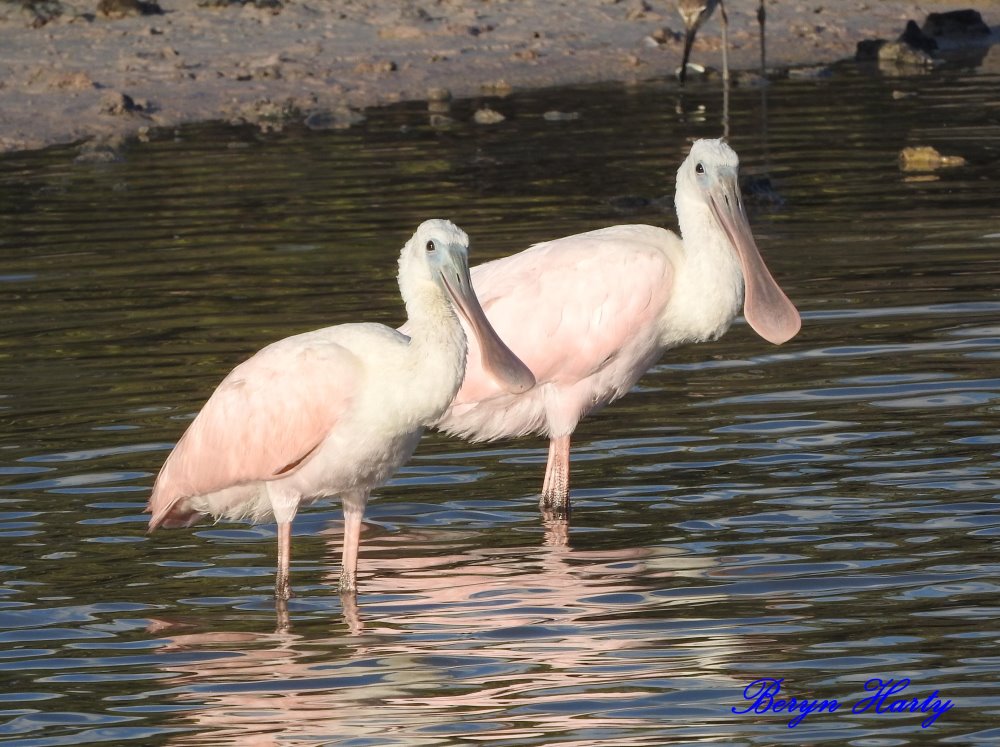
| Roseate spoonbills (Platalea ajaja). Photo by Beryn Harty. | | | IRC Hiring Three Positions | |
IRC seeks an Office Administrator who will be responsible for maintaining general office functions, coordinating with accountant on financials, managing calendars, tracking project budgets, and providing assistance with miscellaneous outreach tasks or events.
| |
IRC seeks a candidate for a (BRAND NEW!) full-time position to support our core conservation and restoration programs, with an emphasis on collecting and curating floristic, faunal, and ecological data, and supporting the design, implementation, and monitoring of standards-based ecological restoration projects. The candidate will help manage the integration of data collected and reported by IRC staff, research associates, colleagues, and citizen scientists into IRC’s popular online tools including The Floristic Inventory of South Florida and Natives For Your Neighborhood. Additionally, the program associate will provide technical support including the development of restoration guidance, report writing, GIS management, and website editing for IRC’s programs such as the Pine Rockland Initiative and Restoring the Gold Coast.
We are excited to add this new position to our staff!
To apply, send your resume and cover letter to Cara Abbott.
| | | |
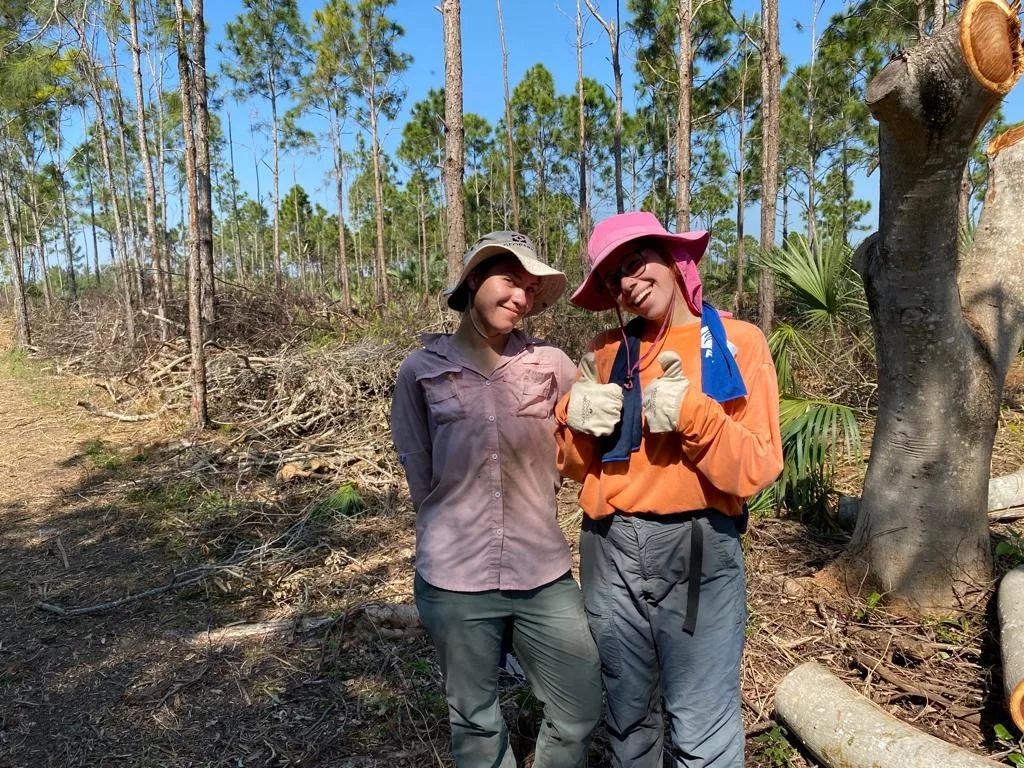
IRC seeks a field technician position for our Pine Rockland Initiative Program.
An ideal candidate would be someone willing to learn the safe use and handling of herbicide, and operation of machinery such as chainsaws and brushcutters. Must be able to lift and carry 50 pounds. A working knowledge of South Florida plants (native and nonnative) is preferred.
Our team members receive in depth training on restoration techniques and come away with an advanced knowledge of native and nonnative plant species.
To apply, send a cover letter and resume to Cara Abbott.
| | Ecological Restoration Volunteer Day at South Beach Park | | | | | On Saturday, March 18, IRC's Coastal Biodiversity Restoration Technician, Kelly McLoughlin, and Program Associate, Michelle Smith, participated in TurtleFest 2023 at Loggerhead Marinelife Center. They handed out educational materials and free native plants to attendees and Kelly gave a featured talk titled "Healthy Dunes". Be sure to check out this great annual event next year! | | Agave sisalana by Dr. Jorge Carlos Trejo Torres, an IRC Associate |
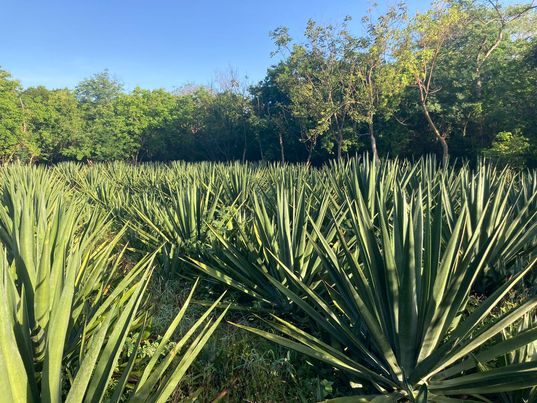
IRC Associate, Dr. Jorge Carlos Trejo Torres, was invited on a podcast hosted by National Autonomous University of Mexico (UNAM) and National School of Higher Education Mérida Unit (ENES Mérida). They discussed a once-forgotten plant in the Yucatan Peninsula of Mexico, Agave sisalana (Sisal, Sisal-hemp), a cultigen of worldwide importance. For more than half-a-century, Sisal was thought to be absent from the Yucatan and native to a different part of Mexico. In 2013, Carlos found a native population in the Yucatan and subsequent surveys have yielded plants at a total of 15 different sites in the Yucatan region. In 2018, an article was published by Carlos, George Gann, and Maarten Christenhusz, announcing the re-establishment of Sisal as a native cultigen of the Yucatan. A garden has been constructed and the plant is on display for the public to see it and understand its importance.
There are about 200 species of Agave worldwide and of those 50% are endemic to Mexico, including three endemic to the Yucatan Peninsula. Sisal is an excellent example of a plant that is very rare in it native range, yet invasive in other parts of the world – like South Florida – and historically a major agricultural crop. To watch the podcast, click here, and if needed, change the captions to auto-translate to English.
| | | | |
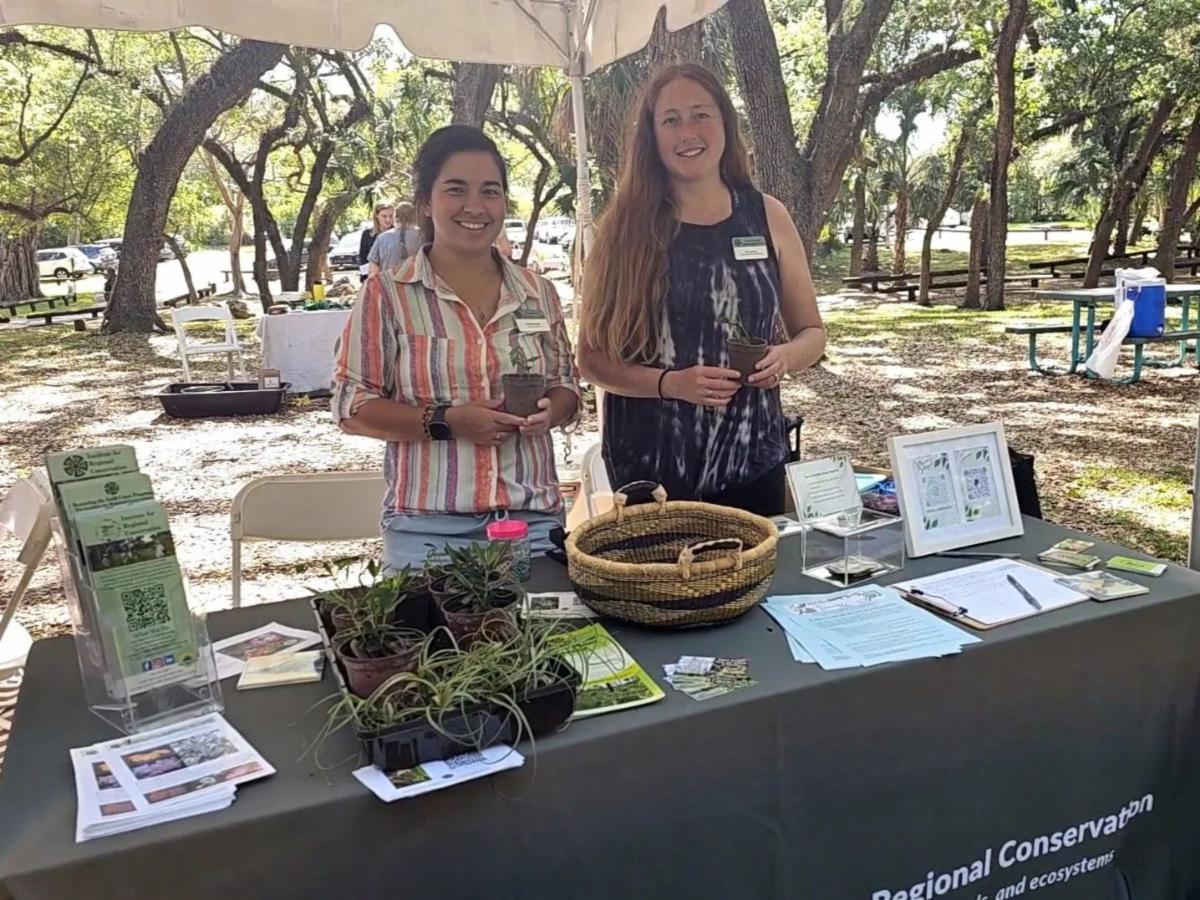
On Saturday, March 25, IRC Program Associate, Michelle Smith and Assistant Director of Programs, Cara Abbott, attended Native Plant Day hosted by the Dade Chapter of the Florida Native Plant Society. They handed out educational materials and handed out free native plants including Beach creeper, Jamaica caper-tree, and Reflexed wild-pine.
| | Ecological Restoration Volunteer Day at Red Reef Park |
Are you part of a group that would like to participate in a similar event this spring or even this summer? Contact Kelly McLoughlin for more information on how to make that happen in Palm Beach County!
| | |
We are a nonprofit conservation organization exempt from taxes under the
U.S. Internal Revenue Code Section 501(c)3.
| | |
The Institute for Regional Conservation | Website
Newsletter Editor: Cara Abbott
| |
| | | |