- Conservation Note
- Upcoming Events
- Ghost Orchid Proposed Protections
- Why Knowing the Origin of Native Plants Matters
- Victory for Urban Nature!
- Recent Events
- Spotlight on our NFYN Sponsors
- Thank you to our sponsors
| | Guardrails and the Never-Ending Fight | | |
When we think about guardrails, we think about highways and how guardrails are intended to keep us from driving off the road into a body of water, or off a mountain, or into oncoming traffic. But there are metaphorical guardrails too, like those intended to protect the integrity of democracy or the banking system. Guardrails also exist in conservation, including laws, regulations, and standards that help ensure the protection of nature and its restoration and management.
The proposal released earlier this month by the US Fish and Wildlife Service to list the ghost orchid as endangered is evidence that some guardrails do still exist in this new era of attacks on the environment (see story below). Other decisions, however, such as not designating critical habitat for the ghost orchid leaving it vulnerable in the Big Cypress, or the construction of Alligator Alcatraz in the eastern Big Cypress, show that these guardrails are limited at best. The fight to protect the Big Cypress started at the very location of Alligator Alcatraz in 1969, driven by an effort to prevent the construction of the Big Cypress Swamp Jetport. It was the Republican Nixon administration, during an era of bipartisan sensibility, that shut it down with support from many now legendary South Florida environmentalists.
| | |
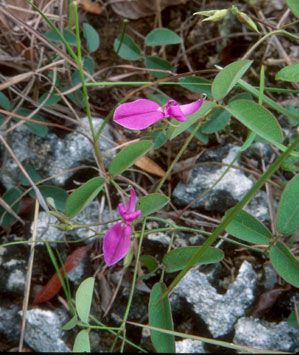
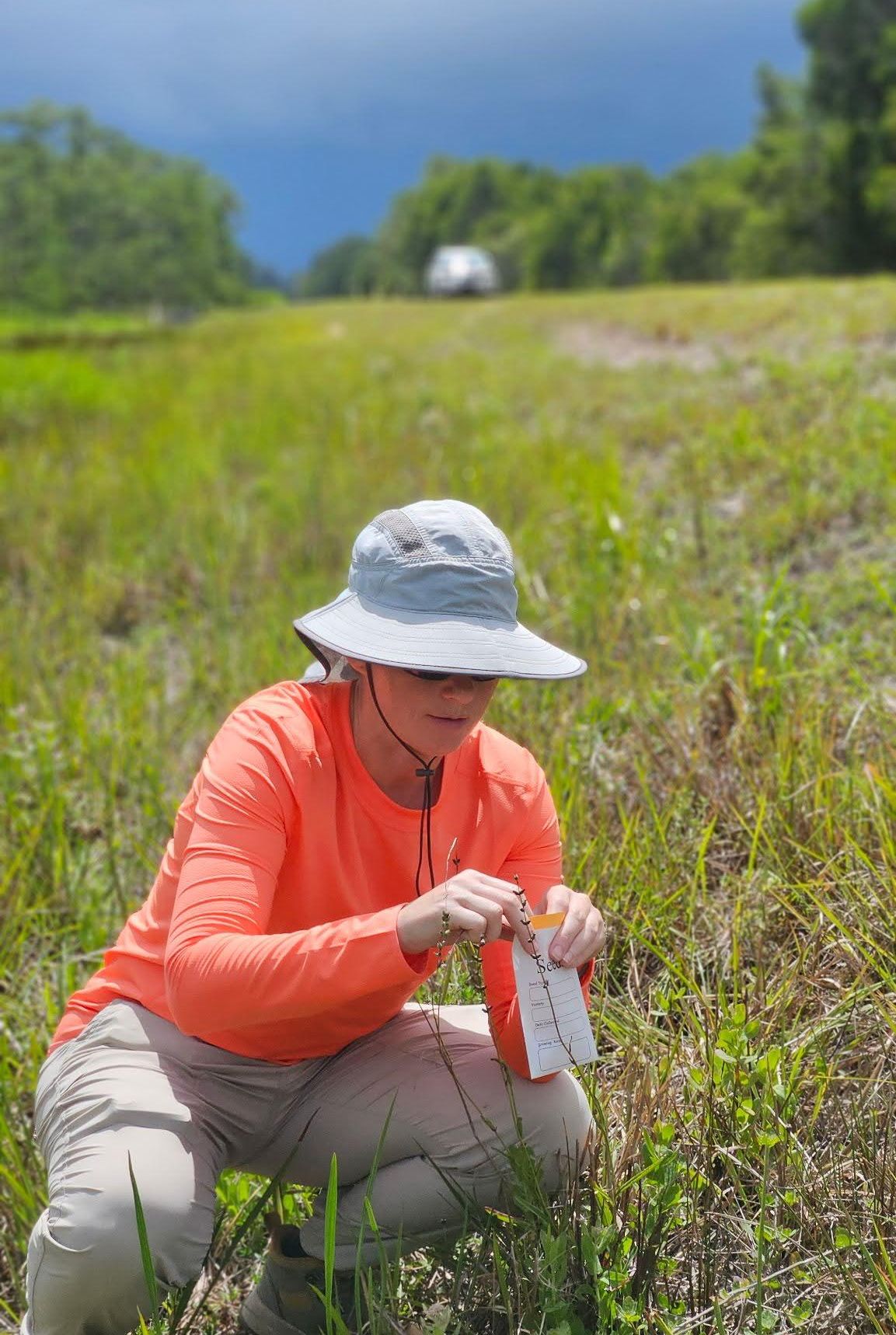
Photo left: Small's milkpea (Galactia smallii) by Roger L. Hammer.
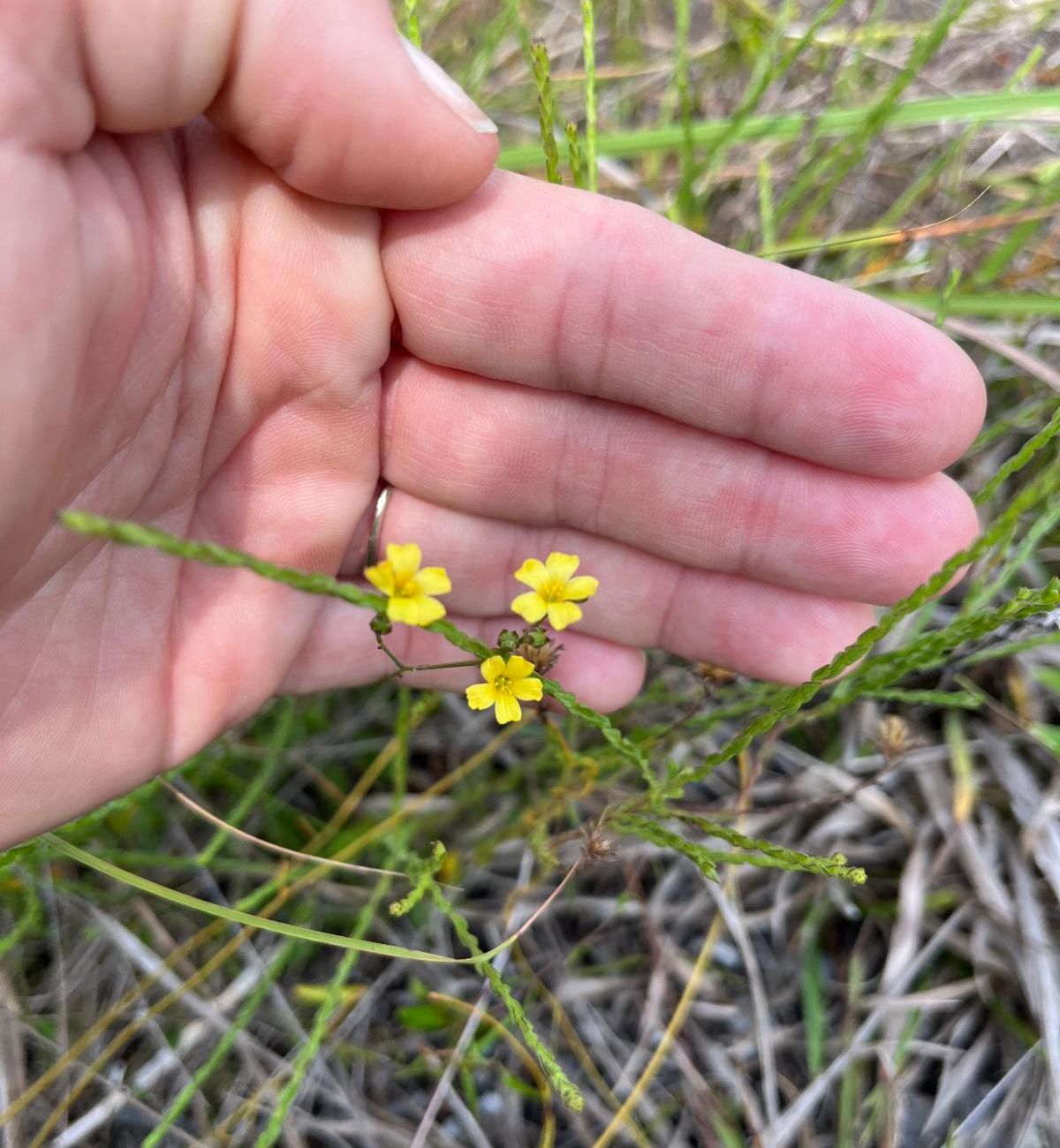
Photo right: sand flax (Linum arenicola) by Liz Dutra
| | But those sensibilities have been lost, and the Big Cypress and Everglades are threatened again, this time by watered down laws and regulations and public policy that has lost its way. Interestingly, in a policy statement by the Everglades Foundation, they suggested moving the immigration detention center to the Homestead Air Reserve Base (HARB). What they do not know, apparently, is that the mowed but undeveloped portions of HARB are full of super rare pine rockland plants, including the world’s largest populations of two federally listed species, Small’s milkpea (Galactia smallii) and sand flax (Linum arenicola). It never ends. For those of you familiar with the Tamiami Trail, all I can think about are all those additional vehicles bashing into the guardrails while driving at breakneck speeds to get to our home-grown Alcatraz. I can’t imagine what is going through Carl Hiaasen’s mind. Not to close on a low note, however, this is no time to sit down and weep. It is time to jump over the guardrails and into the political mud. We need every able body and mind for at least the next 3.5 years working as a team to set things right. | | |
George Gann
Founder & Executive Director
| | |
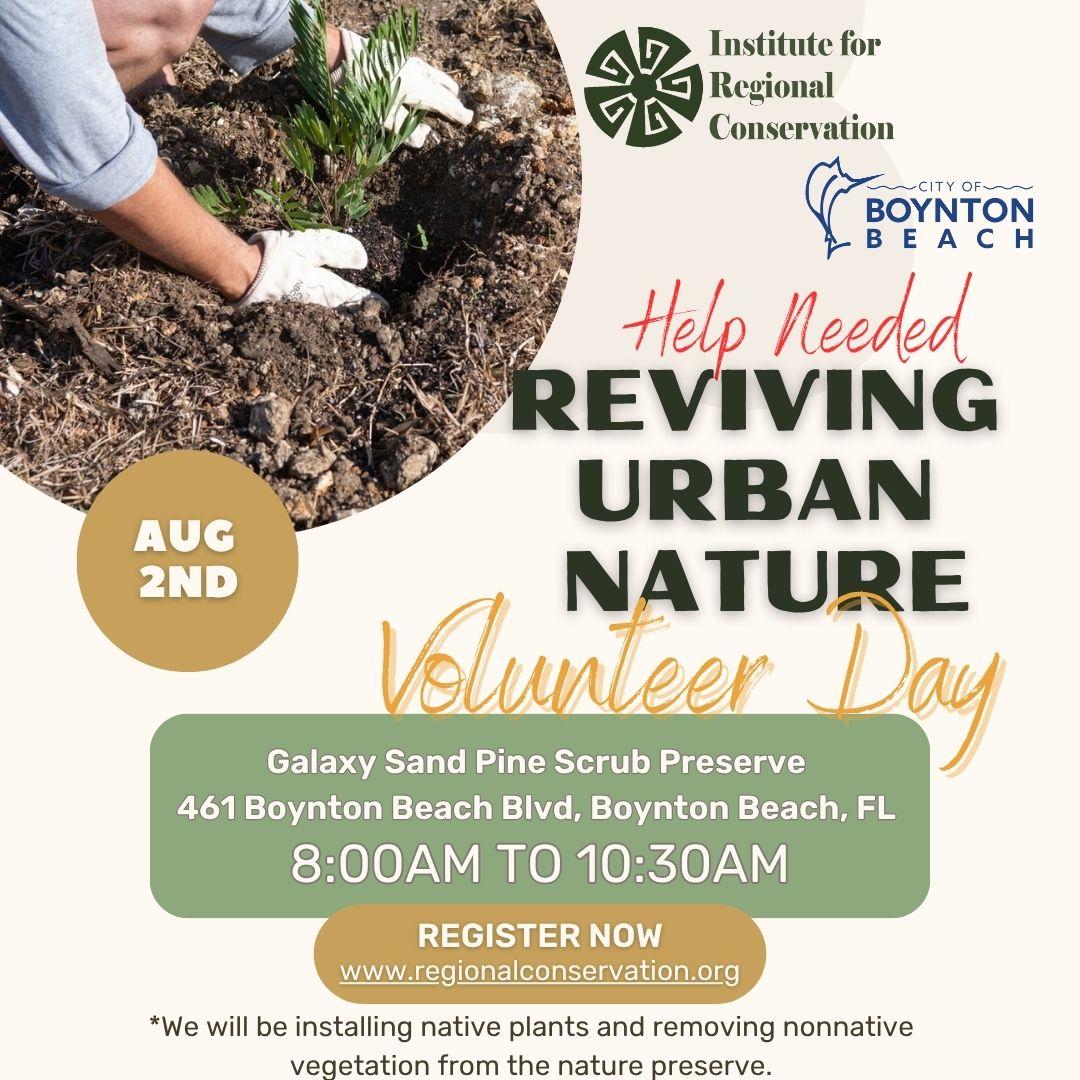
Saturday, August 2nd -
Ecological Restoration Day at
Galaxy Scrub Preserve
Join us for a volunteer day where we will learn IRC's RUN (Reviving Urban Nature Program). We need your help to install native plants at Galaxy Scrub Preserve in City of Boynton Beach. This is one of our new restoration sites in and we plan to revive the biodiversity in an area where invasive plants were removed. We will also remove some nonnatives that are encroaching into the natural scrub area.
We are excited about this new opportunity to collaborate with the City of Boynton Beach. We hope you will join us. To find out more information visit our events page here.
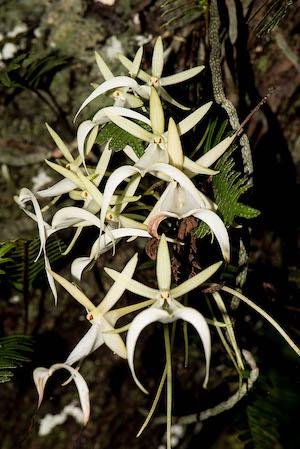
| | | Ghost Orchid Proposed for Protections! | Photo Credit: Roger L. Hammer | |
Together with IRC, the Center for Biological Diversity and the National Parks Conservation Association petitioned the U.S. Fish and Wildlife Service to list the critically imperiled Florida-native ghost orchid, (Dendrophylax lindenii), as threatened or endangered under the Endangered Species Act, and to designate critical habitat concurrent with listing. In early June, the U.S. Fish and Wildlife service finally proposed to protect the ghost orchid as an endangered species, however it declined to designate critical habitat for the species.
“This is great news in troubled times and demonstrates that some environmental safeguards are still operating in the United States, however, the decision not to protect critical habitat for the ghost orchid, while complicated by concerns of increasing poaching pressure, may reduce protections in areas under threat from oil drilling, off-road vehicles and other pressures” said our Executive Director, George Gann.
IRC is thrilled to know that action is being taken to protect the ghost orchid, but caution is needed. For one, we need the listing of the ghost orchid to be finalized, and for real protection to be put in place. We must continue to put pressure to protect, restore, and manage critical habitat for species like the ghost orchid and many more. The ghost orchid is perhaps the most famous rare plant in Florida, but its total population has declined by more than 90% globally and by up to 50% in Florida. Only an estimated 1,500 ghost orchid plants remain in Florida, and less than half are known to be mature enough to reproduce.
| | |
Why knowing the origin of
native plants matters!
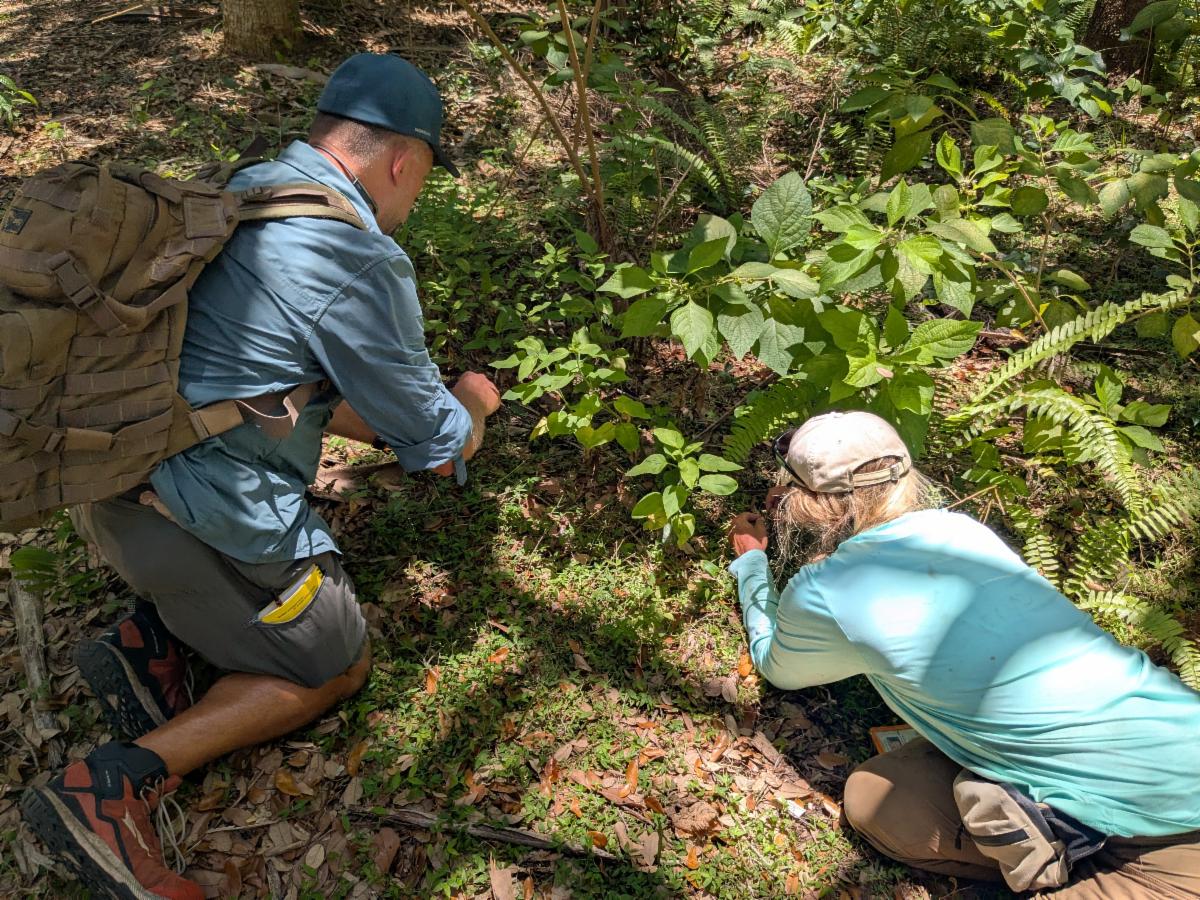
| | The horticulture team at The Preservation Foundation of Palm Beach is working to ensure that the restoration and rehabilitation of the ecosystems at Phipps Ocean Park are successful. Over eighty thousand plants are being installed at the Park, representing over 200 different species. Forty thousand of the plants are being grown specifically for this project, representing 130 species which are not commercially available in the nursery trade. | | | The genetic origin of the plant material used in a restoration project is critical to its success. Using geographically local plants as well as multiple different populations are our top priority as we gather seeds, cuttings, and other plant material for the project. Plants with geographically local genetics are adapted to the specific conditions in our area, increasing the likelihood of a successful population for many generations. Multiple genetic sources are imperative for a population to maintain resiliency as conditions change over time. | | |
In collaboration with the Institute for Regional Conservation, Grassy Waters Preserve, and Palm Beach County Environmental Resources Management, we have been able to gather local plant material from permitted locations in Southeast Florida for many species that we would otherwise not be able to grow such as American bluehearts (Buchnera americana) and Bahama nightshade (Solanum bahamense). Of the collected species, some are being grown by our horticulture team, and others are being shared with local nurseries to produce the vast amount of material needed for the project.
Once Phipps Ocean Park is open in late 2026, our team will be able to continue to grow these plants and give back to our community partners for future restoration projects.
Article From:
Mindi Ogden,
Ecologist with Preservation Foundation of Palm Beach and IRC Associate
| | Victory for Urban Nature: Nickels Forest Temporarily Spared in Boynton Beach | | |
(IRC) applauds the recent decision by the Boynton Beach City Commission to halt the proposed sale and destruction of the Nickels Forest. This remnant forest — a rare example of native South Florida habitat surviving within an urban setting — has long been a refuge for native plants, wildlife, and people alike.
On June 4, 2025, in a significant win for conservation and community voices, the Boynton Beach City Commission voted 3-2 to reverse its course and stop the land sale. Commissioner Thomas Turkin led the motion, with Mayor Ty Penserga and Commissioner Aimee Kelley voting in support. Their leadership reflects the growing awareness that our last remaining green spaces are irreplaceable.
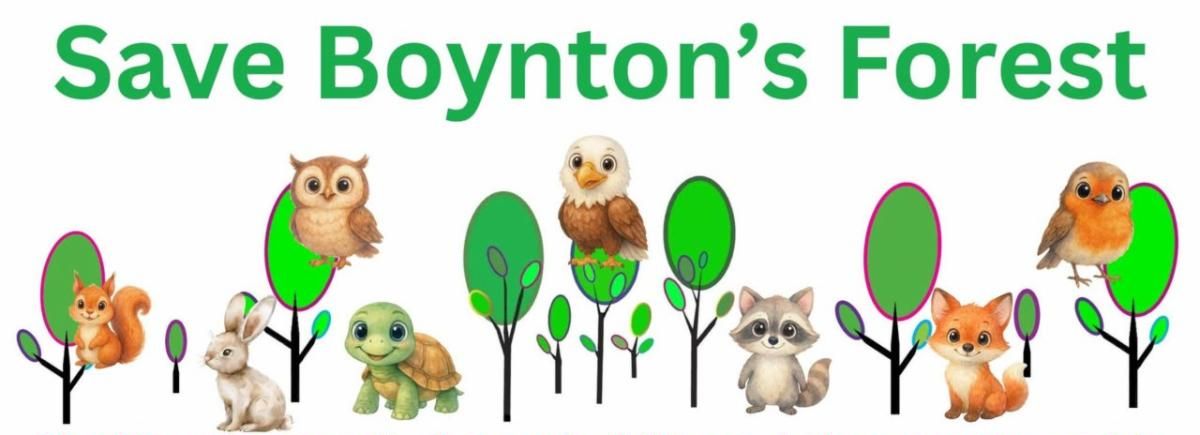
| | Top: Poster used to promote saving Nickel's Forest in Boynton Beach. | | |
For over 30 years, IRC’s research has shown the critical value of remnant ecosystems in urban areas. These green spaces are not just biologically important — they are essential for human wellbeing. As open space, they offer opportunities for passive, nature-based recreation, serve as green infrastructure in the face of climate change, and help communities stay connected to their natural heritage.
This decision sends a clear message that the City of Boynton Beach values nature, listens to its residents, and is willing to reconsider development plans when community concerns are raised. It also suggests that future land sales in the city may be met with greater public scrutiny and demand for transparency.
But stopping the sale is only the beginning. Urban nature requires active care, long-term planning, and community engagement. With standards-based ecological restoration and investment from both the city and its residents, the Nickels Forest can be transformed into a green jewel — a place of learning, healing, and pride for generations.
IRC stands ready to support the Boynton Beach and Palm Beach County communities as they take the next steps. Together, we can protect, restore, and celebrate the Nickels Forest — not just as a victory today, but as a legacy for tomorrow.
| | | |
Native Plant Installation and BioBlitz Volunteer Day at Red Reef Park, Boca Raton
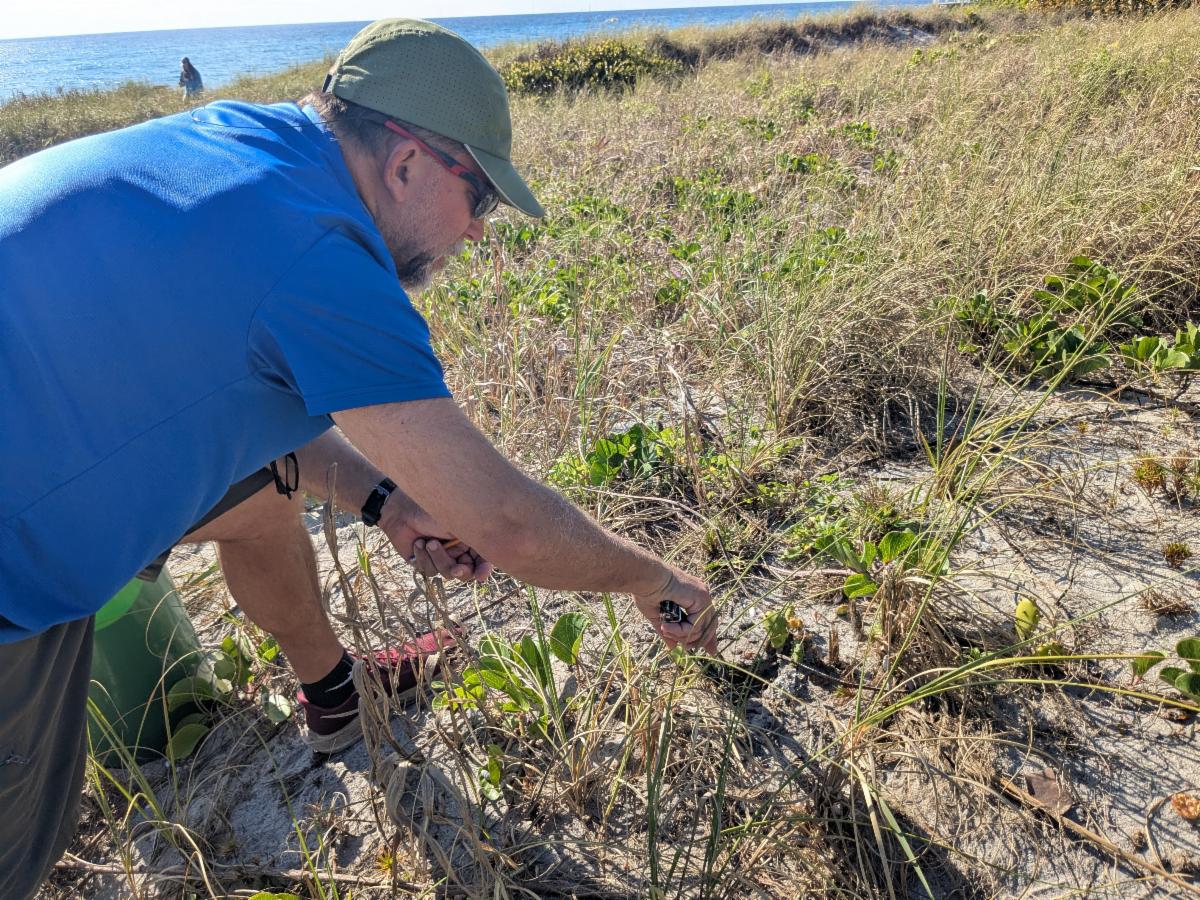
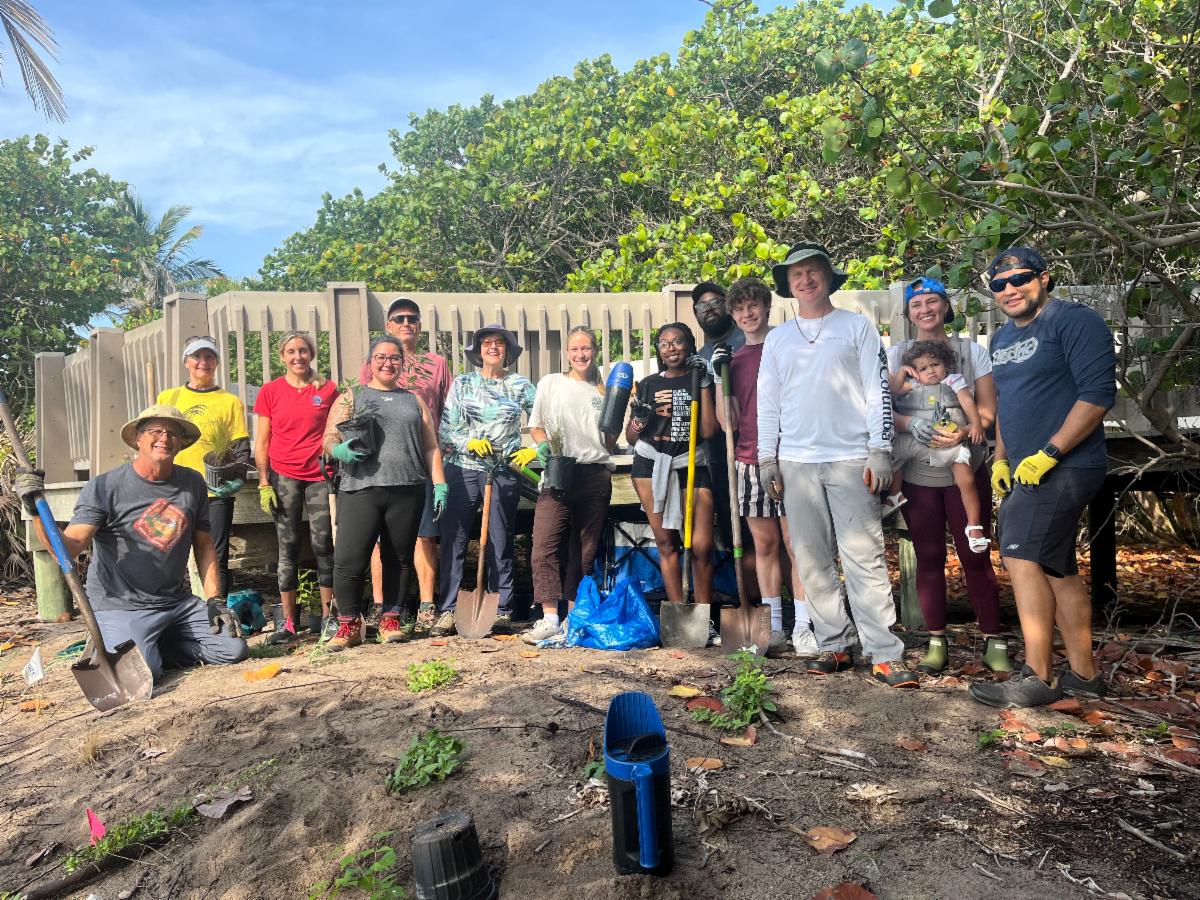
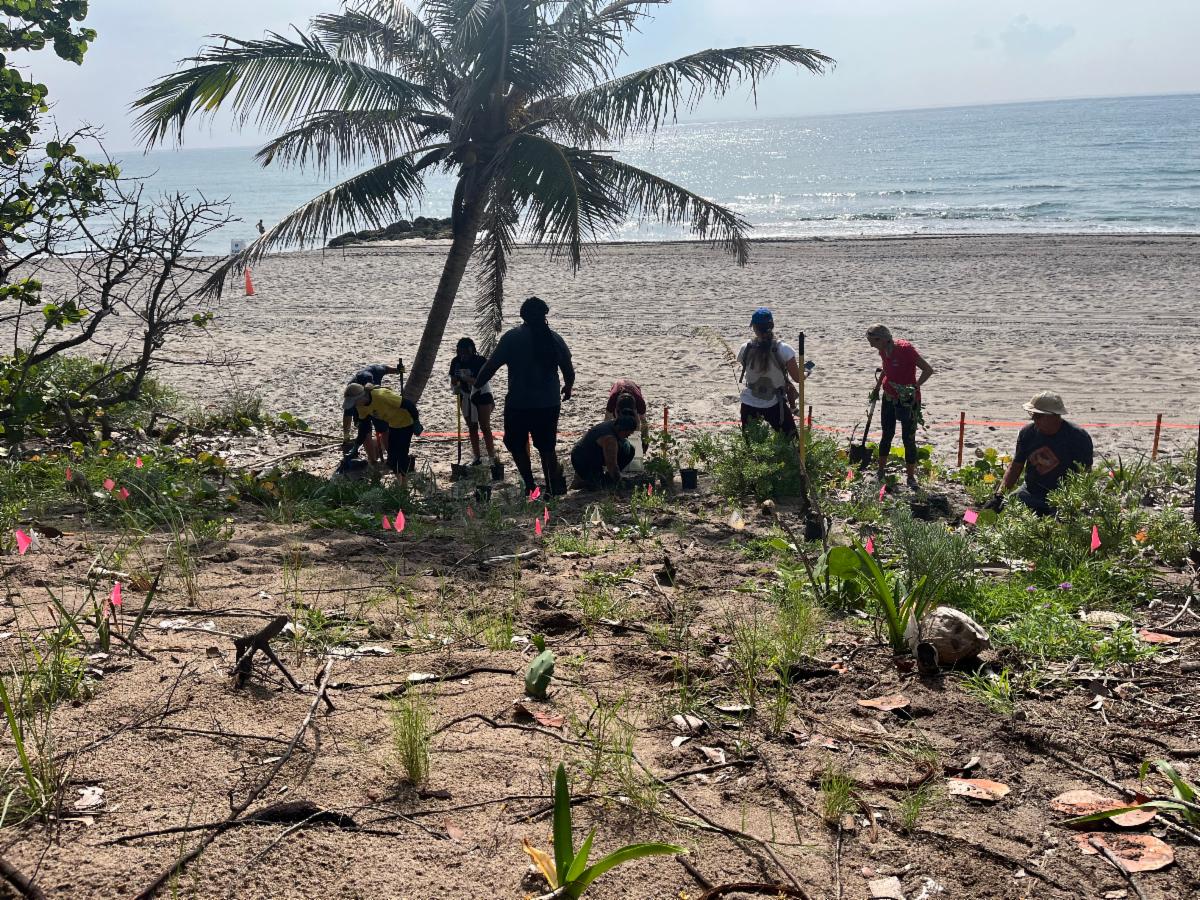
On Monday, June 2nd, IRC held a volunteer event at Red Reef Park in Boca Raton. With support from the City of Boca Raton and our volunteers, we successfully installed another 65 native plants to restore and stabilize an important part of the dune.
We planted native species such as Beach Jacquemontia, Partridge pea, Beach-elder, and Muhlygrass. Once the plants were installed volunteers took part in a BioBlitz as part of a global series of restoration events called MAD Week in collaboration with the Society of Ecological Restoration. Thank you to the City of Boca Raton and our volunteers who worked hard to make this ecological restoration day a success!
| |
Natives For Your Neighborhood
Sponsor Spotlight
| | |
Native Butterfly Flowers is a native nursery in the Melbourne area providing a large selection of native plants, consultations and installations.
What they offer:
Landscape Design
Native Plant Landscaping & Gardens
Maintenance
We thank Native Butterfly Flowers Nursery for being a proud sponsor of our
Natives For Your Neighborhood program.
| | |
Thank you to all who have supported IRC's programs with a $20 or larger donation in the last month: Ann Rossman and Leah Materna-Laurel.
Thank you to our Monthly Sustainers who donate $25 or more each month: John Campanola, James Duncan, Maria Rowley, Lindsay Boehner and Valerie Seasholtz.
While we get funding for some great projects, those funds rarely cover all of our costs, so we really do need your support to continue our important work.
Consider supporting our efforts which allow us to provide important conservation services such as improving our free online resources, increasing protection of rare plants and animals, restoring native ecosystems, and advocating for better public policy. Click the button below.
| |  | |
If you're interested in being a sponsor of Natives For Your Neighborhood, please reach out to Stacy Brown.
IRC has an E-Trade account. Please contact us about giving gifts of stock.
| | | |
Special Thank You Spotlight
We want to specially thank the Hornik Foundation for awarding us another grant for our Reviving Urban Nature Program. We look forward to hosting more restoration events this summer.
We want to thank the Chastain Charitable Foundation for their generous donation and support of IRC's programs.
| | Your donations empower us to enhance our free online resources, safeguard rare plants and animals, restore native ecosystems, and champion more effective public policies for conservation. | | Follow us on Social Media | | | | |
The best way to stay up to date on all things IRC is to follow us on social media! Every week we spotlight native plants for "Wildflower Wednesday" and give a glimpse into one of our many unique projects from our "From the Field Friday" posts. You can also follow our socials where we share our event photos and lots of relevant information about the environment and beyond.
So, if you haven't already, follow us on Instagram, Facebook and LinkedIn!
| |
We are a nonprofit conservation organization exempt from taxes under the
U.S. Internal Revenue Code Section 501(c)3.
| | |
|
The Institute for Regional Conservation | Website
Newsletter Editor: Liz Dutra
| |
| | | |