The content in this preview is based on the last saved version of your email - any changes made to your email that have not been saved will not be shown in this preview.

January 2025 Greener Davis Environmental News

View as Webpage

Yard Material Pile Reminders


Recology Davis continues to perform yard material pile pick-up every other week. The last pick-up of the season will be the week of February 24. 


Make sure your pile is prepared:

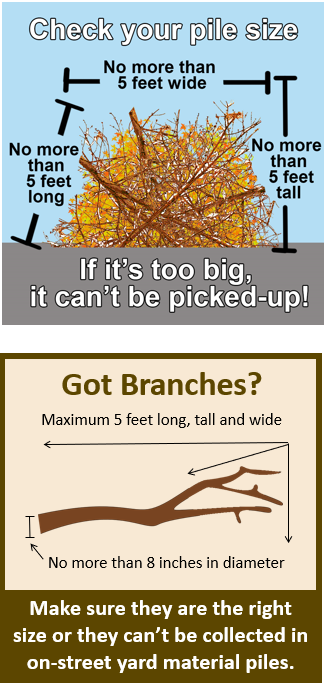
  • Make sure your pile is not sitting out on the street for more than seven days before pick-up. With stormy weather this time of year, timely placement can help keep leaves, branches and other yard debris off of streets and out of storm drains.
  • Include only branches, leaves and cut holiday trees in your piles. All other yard materials must be placed in your organics cart for weekly collection.
  • Place your pile directly adjacent to your property and not across the street or around the corner.
  • Piles cannot be placed in any portion of a bike lane.
  • Make sure your pile is not larger than 5 feet in any direction.
  • In order to keep our streets clean and ensure that yard material piles can get collected quickly and efficiently, small amounts of yard materials (such as piles of leaves or small branches) should always be placed in the cart.


More information on yard material collection

Don't Rush to Flush


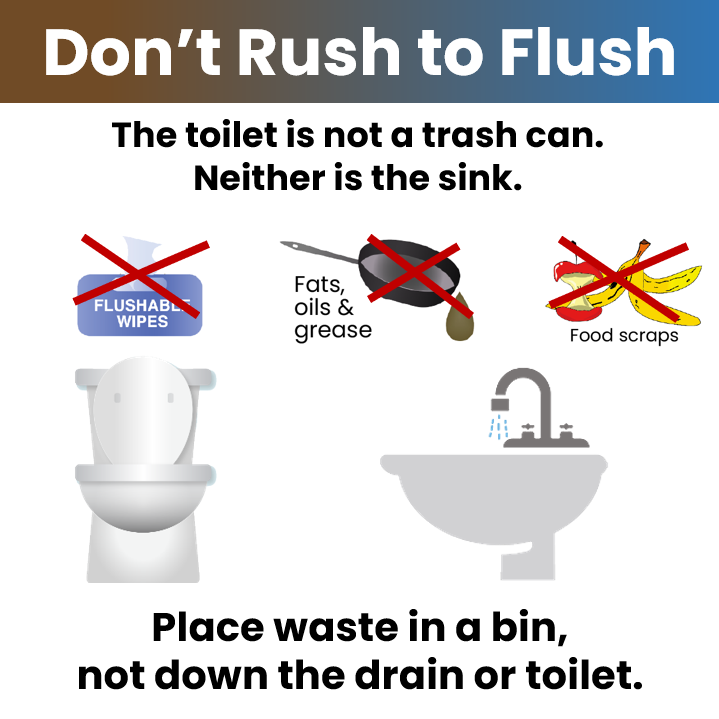
The toilet is not a trash can--only flush toilet paper! Just a small amount of household waste flushed down the toilet or washed down the drain can clog pipes and cause messy sewer backups that can ruin your home in an instant.


Also keep in mind that sink drains, even kitchen sinks with a garbage disposal, are not built to handle waste. Place food scraps and fruit and vegetable peels in your organics bin instead of your garbage disposal.


More information is available on our Down the Drain flier.

What to Do When the Weather Changes


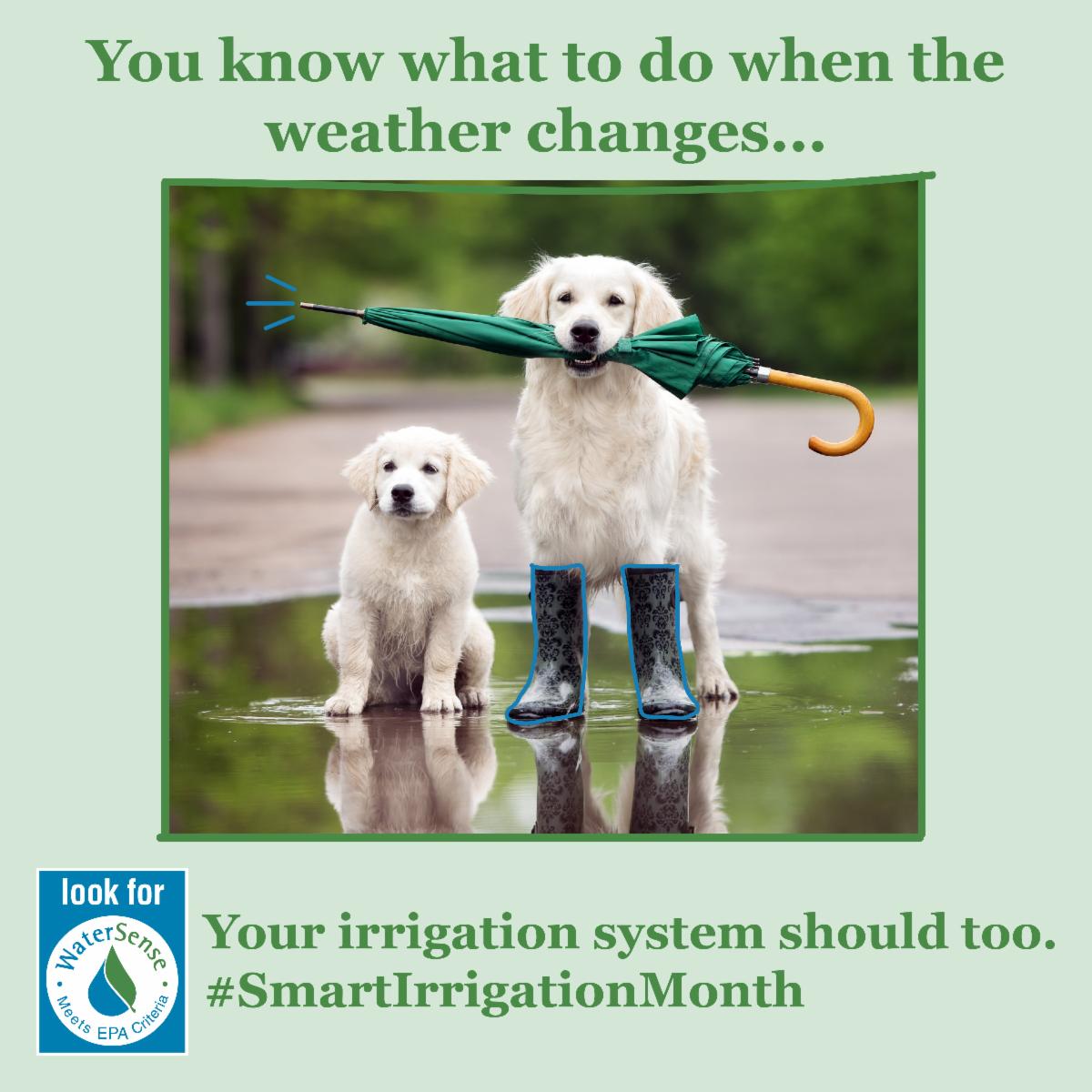
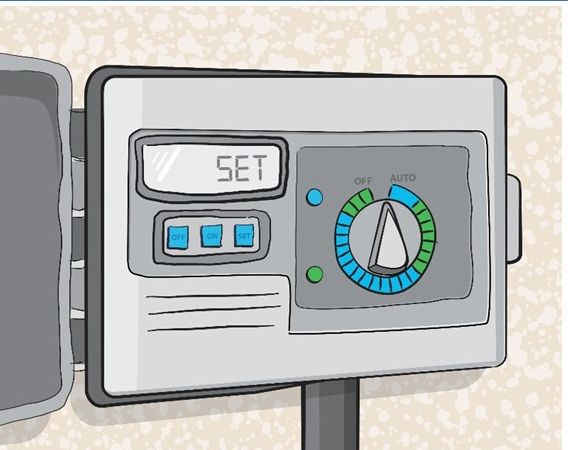
When the weather changes and you need to grab an umbrella, remember to let the rain do the work in watering your yard. Turn off your irrigation at the timer and at the irrigation shut-off valve (if your property has one). Turning irrigation off at the valve ensures the system is isolated and will not allow water into it if the timer malfunctions.


Other reminders:

  • Consider adding a rain sensor to turn your system off when it is raining or upgrade to a weather-based irrigation timer that will water based on weather conditions.
  • Check the back-up batteries in your timer so that it will not reset with a power outage.
  • Check updates for wifi-enabled timers and timer phone apps that can sometimes reset irrigation systems to factory default programming.
  • Most importantly, monitor your water usage in AquaHawk. Sign-up at SaveDavisWater.org if not already registered. Helpful information on using AquaHawk to assist in finding leaks can be found on the City’s website.
Image of two dogs in a puddle. One wearing rain boots and holding a green umbrella in its mouth.

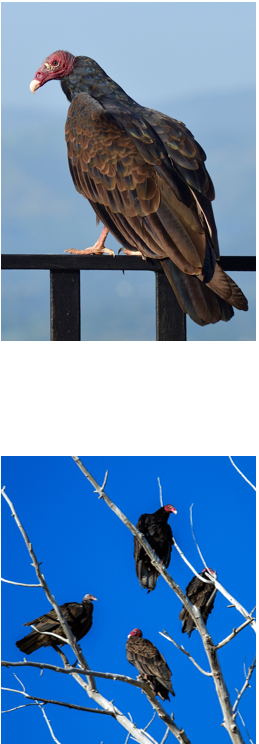
Wildlife Spotlight: Turkey Vultures


One of the largest and most unmistakable birds in Davis is the turkey vulture (Cathartes aura). These birds are huge! With a six-foot wing span and weighing in at around 4.5 pounds, this giant is capable of covering long distances in search of food. When soaring in flight, the wings point up slightly in a “V” shape. The bald red head and black feathers are reminiscent of wild turkeys…from which the vulture gets its name.


While most birds don’t have a very good sense of smell, turkey vultures are incredible as they are able to smell the faint odor of decaying flesh from many miles away. Once the sun has risen and warmed the air, they will set out from their roost site and travel to find dead prey. The lack of feathers on their head helps keep them clean when enjoying their messy meals.


Davis is home to a sizable turkey vulture roost. Not everyone is happy about the smell that develops around the roost, but turkey vultures provide an important ecological service for humans and other animals alike. Their very strong stomach acid is able to digest all kinds of decaying animals, including those killed by diseases like anthrax, botulism and cholera. This helps reduce future transmission of those diseases and expediates the cycling of nutrients back into the ecosystem. 


Fun Fact- turkey vultures don’t have a voice box and cannot sing or call like other birds. However, they are able to make hissing and grunting sounds.


More information about turkey vultures  

Are Our Recyclables Really Kept Separate?


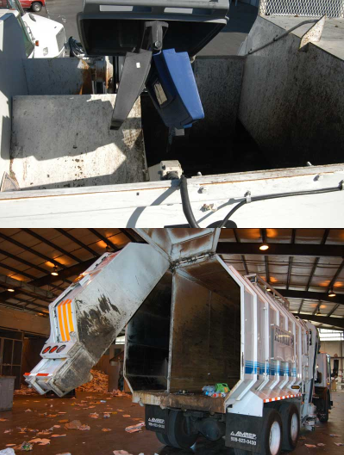
This is one of the most frequent questions we receive about our waste collection. Yes, even though the residential split-recycling carts are emptied into a single truck, the materials are kept separate.


But how you ask? The Recology Davis truck that picks up the split-recycling carts has two separate storage areas inside—one for paper and one for containers. When the arm of the recycling truck lifts the recycling cart and turns it upside down over the hopper, the lids on the cart flap open, directing the paper into one storage area and the containers into the other. The two recycling streams are kept completely separate. When the Recology Davis recycling truck empties the recyclables at the recycling center, it empties each side into different areas for processing.

Carton Recycling


Remember to save up those cartons from now on! Recology Davis is pilot testing a carton recycling drop-off program. They now accept empty and rinsed milk, juice, soup, broth and other gable top and aseptic (shelf-stable) cartons and ice cream cartons for drop-off recycling 24/7 at the Recology Recycling Center, 2727 Second St.


Learn more about the new carton recycling pilot program.

Check-up Time: How is Your Cart?


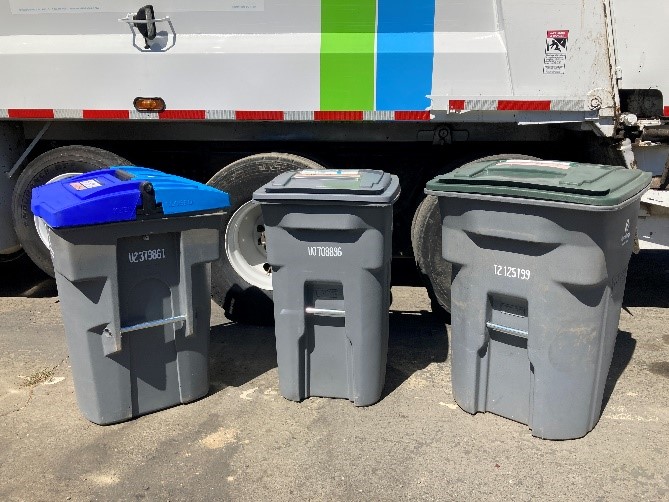
Does your trash, recycling or organics cart need a little TLC? Are the labels falling off (or missing)? Are the lids broken or is the side of the cart cracked? Our waste bins go through quite a bit of wear and tear, and some of them have been in service for more than 20 years.


If your cart needs repair or new labels, please reach out Recology Davis at RecologyDavis@Recology.com or 530-756-4646 so they can make the needed repairs. This is especially important for carts with missing or ill-fitting lids, since a closed lid will help keep litter in, and rainwater out.

Image of a recology truck with three carts in front of it one with two blue lids for recycling one with a grey lid for trash and one with a green lid for organics

Ask Greener Davis


Find additional FAQs on our website. If you have a question that you feel would be of interest to the community, please email it to PWWeb@CityofDavis.org, and you may see it featured in an upcoming e-blast or social media post.


Q. How do I get rid of my cut holiday tree when I'm done with it?


A. You can have your cut tree composted after the holidays! Remove the lights, ornaments, tinsel and tree stand. Place the tree in your organics cart (the lid must close, so the tree may need to be cut in half), or on the street for collection with other yard materials (trees can't be larger than 5 feet in any direction or have a trunk more than 8 inches in diameter, so make sure to cut it if it's too large).


Please note that trees may only be placed on the street seven days before a scheduled pick-up. Unfortunately, flocked trees are not compostable and must be placed in the trash bin instead of the organics cart or on the street for collection.


More information on yard material collection.


Q. What is "green infrastructure" and how can I update my home and landscaping to include it?


A. Stormwater (the water that runs off roofs and pavement when it rains) has traditionally been managed by transporting it to waterways quickly with hard infrastructure such as curbs, gutters, downspouts and pipes which unfortunately can lead to polluted waterways. Green infrastructure is the network of nature-based infrastructure and actions that uses plants, soils, permeable surfaces, and other media to capture and treat stormwater at its source. It relies on the natural processes of filtration, infiltration and evapotranspiration to manage stormwater. Examples of green infrastructure include rain gardens, rainwater harvesting, planter boxes, permeable pavement, green roofs and planting street trees.


Green infrastructure has many benefits to the community. It helps mitigate flooding, reduces stress on local water supplies, reduces heat island effects, can lower building energy demands, improves air and water quality, increases wildlife habitat and can even improve neighborhood values.


Next time you are working in your yard or on your home, think about where the water from your roof and landscaping goes when it rains. Consider directing downspouts to landscaping or rain barrels for later use, installing pavers instead of pavement or consider planting a tree in your front yard.


For more information on implementing green infrastructure at home:


More Ask Greener Davis questions and answers are available online.

Contact us:
530-757-5686
Facebook  Instagram  Youtube