|
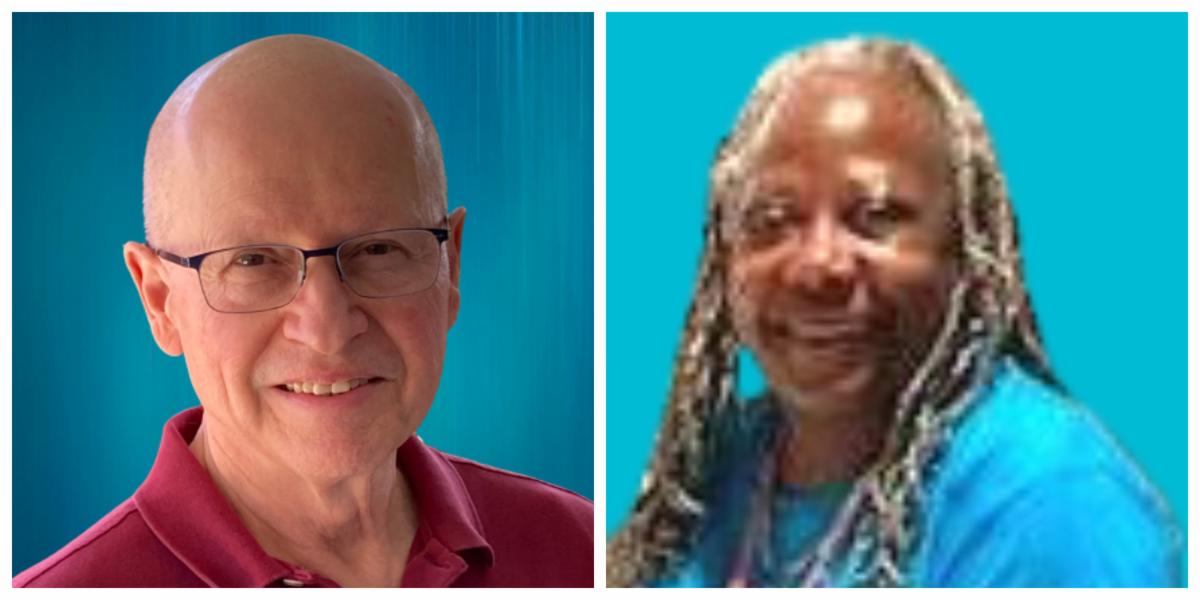
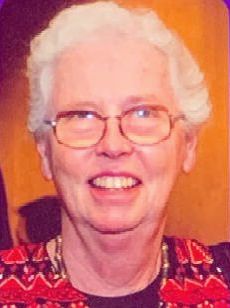
Chuck and Janice are asking older members of the chapter to write something about their YMCA careers. Tatsuo and Emiko Honma’s story began the storytelling last year. Here is mine.
My YMCA story begins at camp – Camp Widjiwagan, the St. Paul YMCA’s canoe tripping camp for teenagers in northern Minnesota. Whitey Luehrs was the camp director. I loved it.
I spent many summers there as a camper and counselor. Originally a boys’ camp, it had just begun to include girls. The camp was nervous, so in my first year, girls’ canoe trips included two female counselors plus two male trip guides to carry the canoes and choose the route. By my last year as a camper, girls’ trips were led entirely by women, and the girls carried canoes.
After college, I worked on a bookmobile in Nova Scotia and then as a district and camp director for the Girl Scouts. The camps had international staff from a program based in New York City. (It was ICCP, the program I later directed!)
Then graduate school and two years in Japan and Korea with the Scouts. By then, I knew I wanted a job with an international focus. I went to New York City, where many international organizations had their HQ, and was in and out of nearly every not-for-profit organization with "international" in its title. One called International Student Service at 291 Broadway turned out to be part of the National YMCA.
I think they hired me because my reference was my former camp director, Whitey Luehrs, who had become the Y’s national director of camping. I worked there for 36 years, first as director of the International Camp Counselor Program (ICCP) and later as director of a group of international programs.
The Y’s role in international student work has been special, and I have been proud to be a part of it. International Student Service (ISS) was begun by John R. Mott, the great YMCA leader, in 1911. ISS worked with colleges and refugee agencies and also met official guests of the U.S. State Department. It also managed camper and counselor exchanges.
When the National Y moved to Chicago, it was not initially clear whether ISS would move too. Chuck Ainsworth, who was on our staff then, will remember that nerve-wracking time. With Harold Smith’s assistance, ISS became a part of the YMCA of Greater New York.
Working with its Tokyo and Korean Programs and supporting branch partnerships became part of my job. Our office moved six times in the city as the corporate Y’s needs changed. We were the last tenants of Sloane House Y on 34th St. where every year we watched circus elephants parade by on their way to Madison Square Garden.
The Y has provided me lots of opportunity and space to try something new. Some special memories include: Arranging Soviet exchanges; representing the World YMCA at the United Nations’ NGO meetings; obtaining grants to support special programs like Mano A Mano Sin Fronteras (a young adult volunteer exchange with Mexican YMCAs) and a Winter Olympics international work camp for young adults from countries having winter sports.
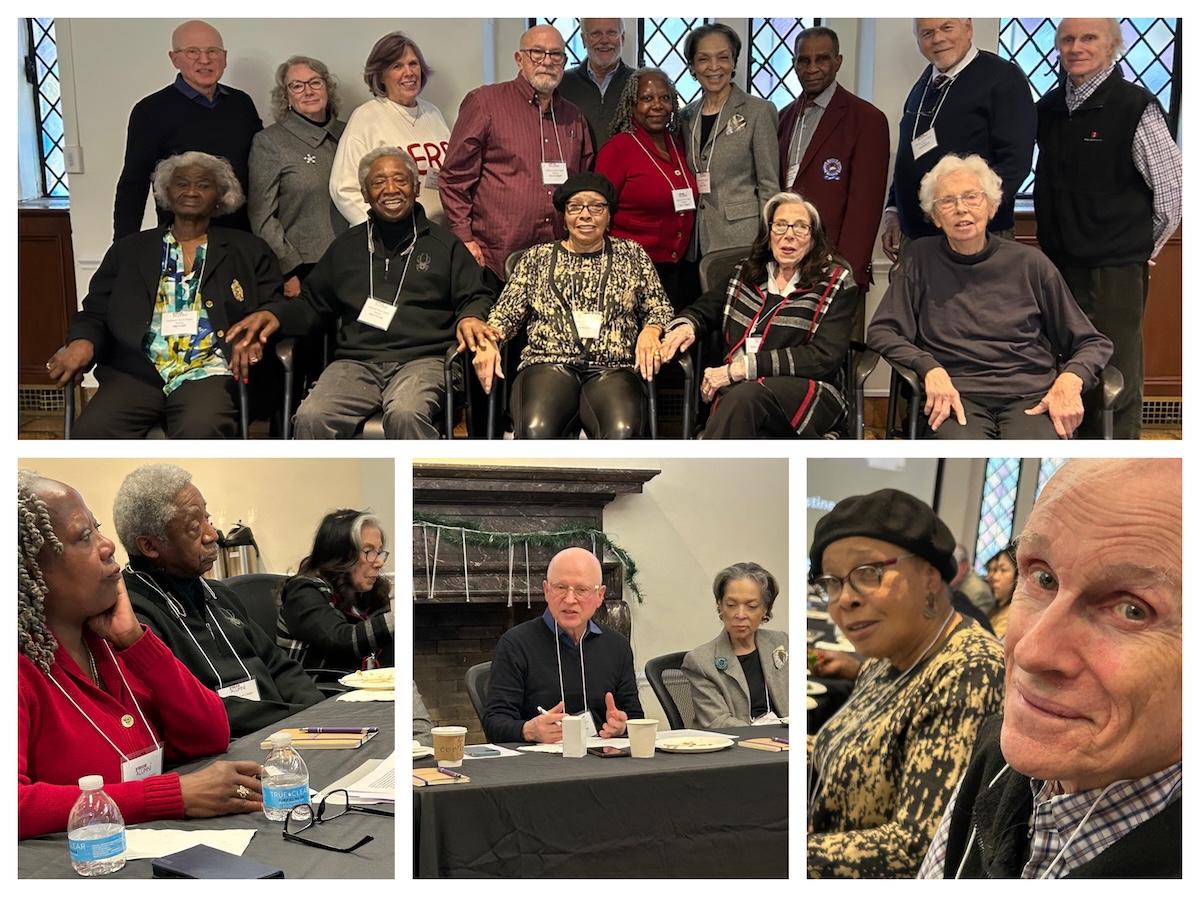
The Y has continued to be a big part of my retirement life primarily because I believe in the Y’s mission, and I want to keep up with people I worked with. For the New York Y, I led three trips to Jerusalem. With our chapter, I have held leadership positions including being co-president with Ralph Christian. I chaired the World Y’s Staff Emergency Fund committee (Secours Speciaux) for 15 years. I am on the YMCA Alumni’s International Service Corps committee and visited the Mexican Y’s home in Tijuana for migrant youth. With the World Fellowship of YMCA Retirees, I help plan virtual gatherings on Zoom. I thank the YMCA and the internet for allowing me to stay connected and involved in an organization I love.
---
Bonnie Mairs is a member of the YMCA Hall of Fame, inducted in 2016.
|