The content in this preview is based on the last saved version of your email - any changes made to your email that have not been saved will not be shown in this preview.

February 2025

THE LIVANTA

CLAIMS REVIEW

ADVISOR

A monthly publication to raise

awareness, share findings, and

provide guidance about Livanta’s

Claim Review Services 

Volume 1, Issue 37

www.LivantaQIO.com

Open in browser.

Higher-Weighted Diagnosis Related Groups (HWDRG) Validation – Third Year Review Findings

Medicare Part A

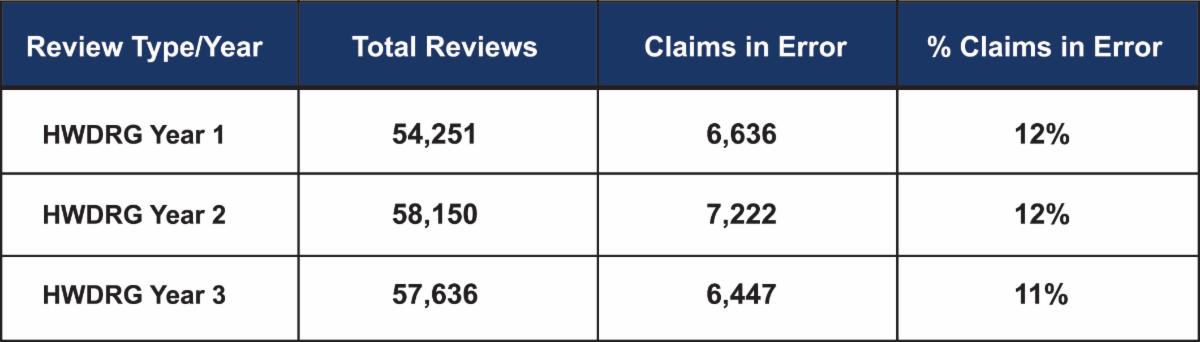
This month’s issue of The Livanta Claims Review Advisor reports findings from the third year of reviews under Livanta’s national Claim Review Services contract. Results for the third year encompass reviews completed from November 1, 2023 through October 31, 2024.


An adjustment submitted to a Medicare Part A claim that results in a higher-weighted DRG code triggers a potential review of that adjusted claim. This post-pay review ensures that the patient’s diagnostic, procedural, and discharge information is coded and reported correctly on the hospital’s claim compared to documentation in the medical record. HWDRG claim reviews entail two decisions: the medical necessity of the inpatient admission and DRG validation.


Review of these HWDRG adjustments is mandated under statute and instruction from the Centers for Medicare & Medicaid Services (CMS) as quoted in the CMS Quality Improvement Organization (QIO) Manual: “Perform DRG validation on prospective payment system (PPS) cases (including hospital-requested higher-weighted DRG assignments), as appropriate (see §1866(a)(1)(F) of the Act and 42 CFR 476.71(a)(4)).”


Source:

https://www.cms.gov/Regulations-and-Guidance/Guidance/Manuals/downloads/qio110c04.pdf


HWDRG reviews involve validation of codes on the claim by credentialed coding auditors and clinical review by board-certified practicing physicians as appropriate. Livanta’s coding auditors validate the DRGs based on the documentation in the medical record, using official coding guidelines, the American Hospital Association (AHA) Coding Clinics, and other authoritative coding references. Livanta’s credentialed auditors adhere to the accepted principles of coding practice to validate the accuracy of the hospital codes that affect the DRG payment. Audits also may involve a clinical review by actively practicing physician reviewers. These physician reviewers determine the clinical validity of physician queries, documented diagnoses and procedures, and the medical necessity of the inpatient admissions. Livanta’s rejections of requested HWDRGs can result from either coding audits, physician reviews, or both.


Livanta’s CMS-approved sampling strategy for HWDRG claims is described in the April 2024 edition of this newsletter, which can be found here:

https://www.livantaqio.cms.gov/en/ClaimReview/files/The_Livanta_Claims_Review_Advisor_April_2024.pdf

Overall Findings

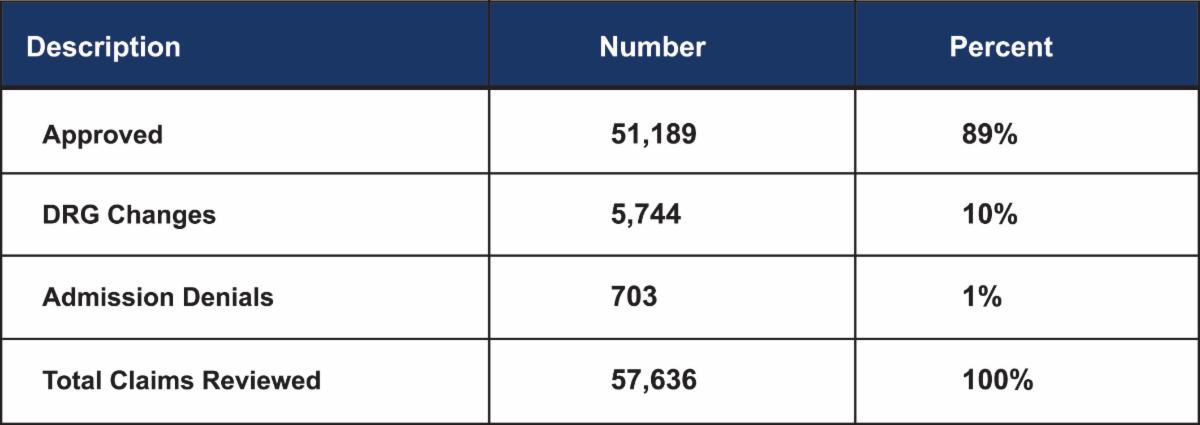
After review, 89 percent of HWDRG claims reviewed by Livanta were approved for the higher-weighted DRG that had been submitted and paid. For those found to be in error in Year 3, the breakout is below. Admission denials were all due to failure to meet the guidelines of the Two-Midnight Rule. 

Year 3 Findings by CMS Region

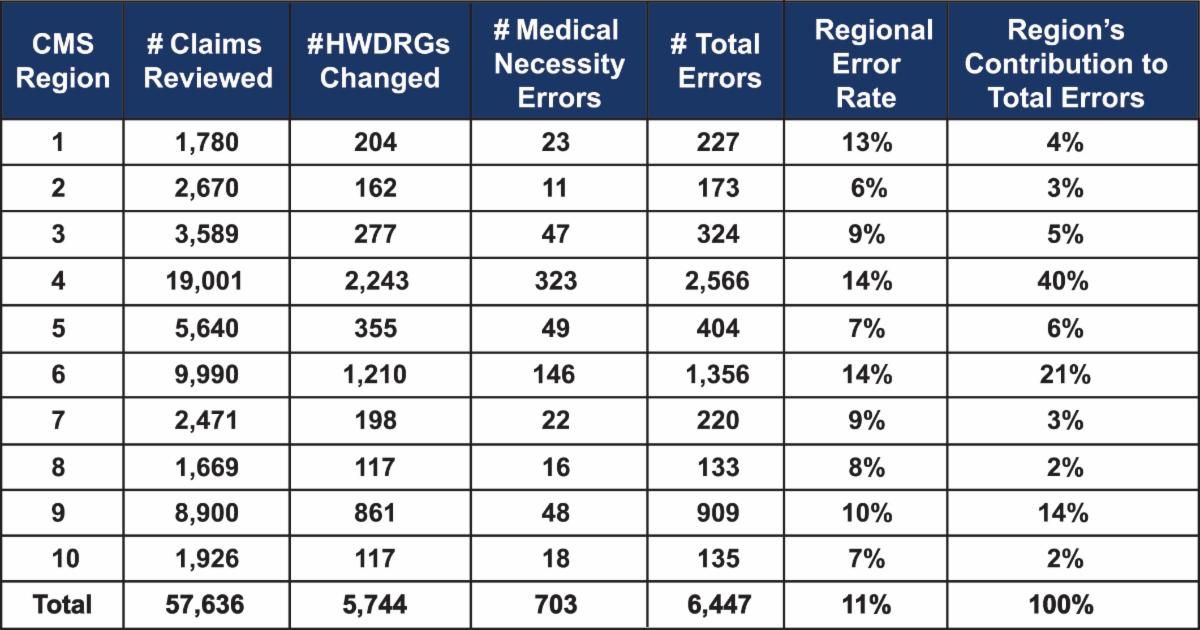
These regional findings are based on claims sampled and reviewed in accordance with the CMS-approved sampling strategy as outlined in the April 2024 edition of this newsletter and referenced above. 

Region 1 - Boston

• Connecticut, Maine, Massachusetts, New Hampshire, Rhode Island, and Vermont


Region 2 - New York

• New Jersey, New York, Puerto Rico, and the U.S. Virgin Islands


Region 3 - Philadelphia

• Delaware, District of Columbia, Maryland, Pennsylvania, Virginia, and West Virginia


Region 4 - Atlanta

• Alabama, Florida, Georgia, Kentucky, Mississippi, North Carolina, South Carolina, and Tennessee


Region 5 - Chicago

• Illinois, Indiana, Michigan, Minnesota, Ohio, and Wisconsin


Region 6 - Dallas

• Arkansas, Louisiana, New Mexico, Oklahoma, and Texas


Region 7 - Kansas City

• Iowa, Kansas, Missouri, and Nebraska


Region 8 - Denver

• Colorado, Montana, North Dakota, South Dakota, Utah, and Wyoming


Region 9 - San Francisco

• Arizona, California, Hawaii, Nevada, American Samoa, Commonwealth of the Northern Mariana Islands, Federated States of Micronesia, Guam, Marshall Islands, and Republic of Palau


Region 10 - Seattle

• Alaska, Idaho, Oregon, and Washington

Year 3 Code Level Changes

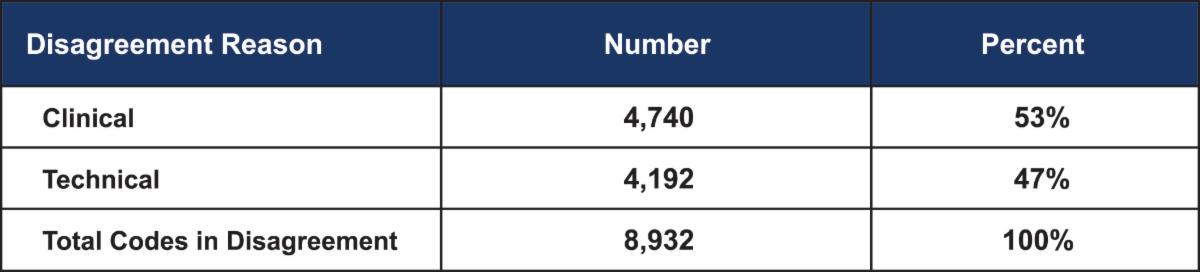
DRG changes occur at the individual code level. Coding errors are classified as either technical or clinical errors.

  • Technical coding errors involved inappropriate application of the ICD-10-CM/PCS coding guidelines.
  • Clinical coding errors were reviewed by Livanta physician reviewers and involved a lack of evidence to support the diagnosis represented by the code.

Most code disagreements were clinical in nature, and Livanta’s physician reviewers did not find evidence in the documentation to support the diagnosis that was added to the claim.

Reasons for DRG Change by Livanta

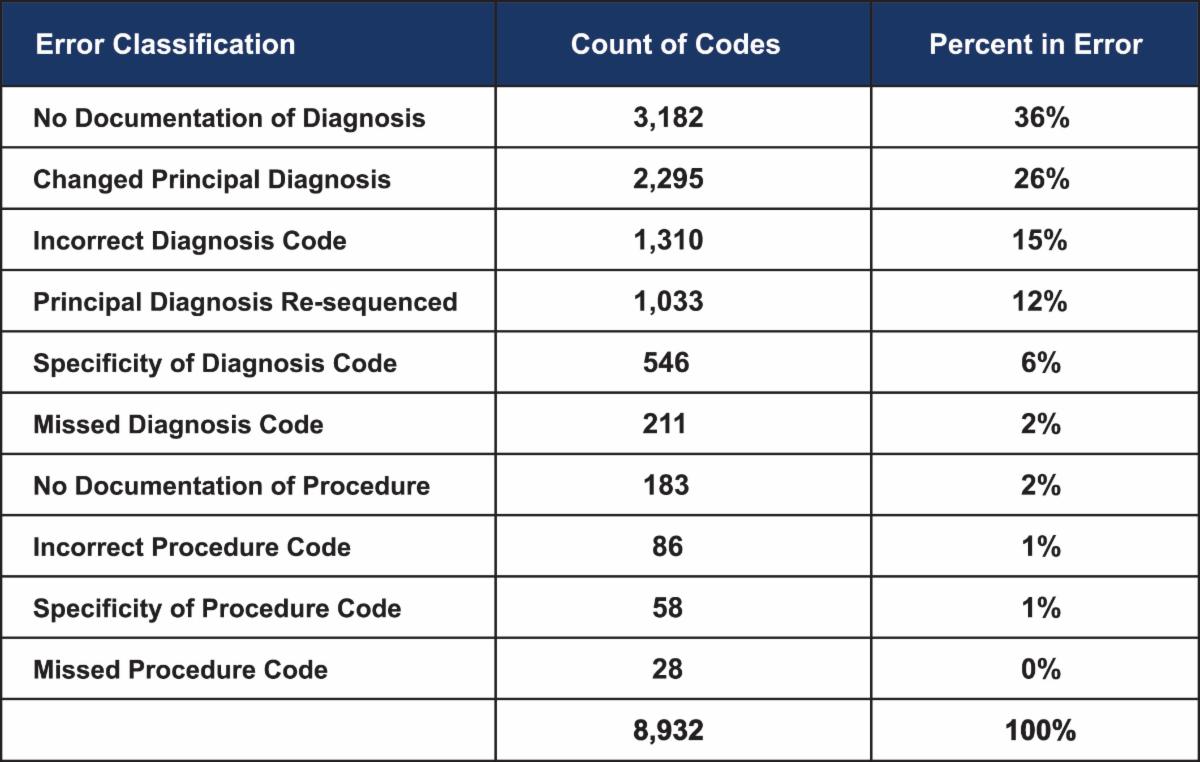
The most frequent reasons for HWDRG errors, as noted in the table above, are:

  • Changing the principal diagnosis and/or finding no documentation in the medical record to support an added diagnosis (62 percent, combined).
  • The principal diagnosis did not meet the accepted definition, and/or an added diagnosis code was incorrect (27 percent, combined).

Reversed HWDRGs

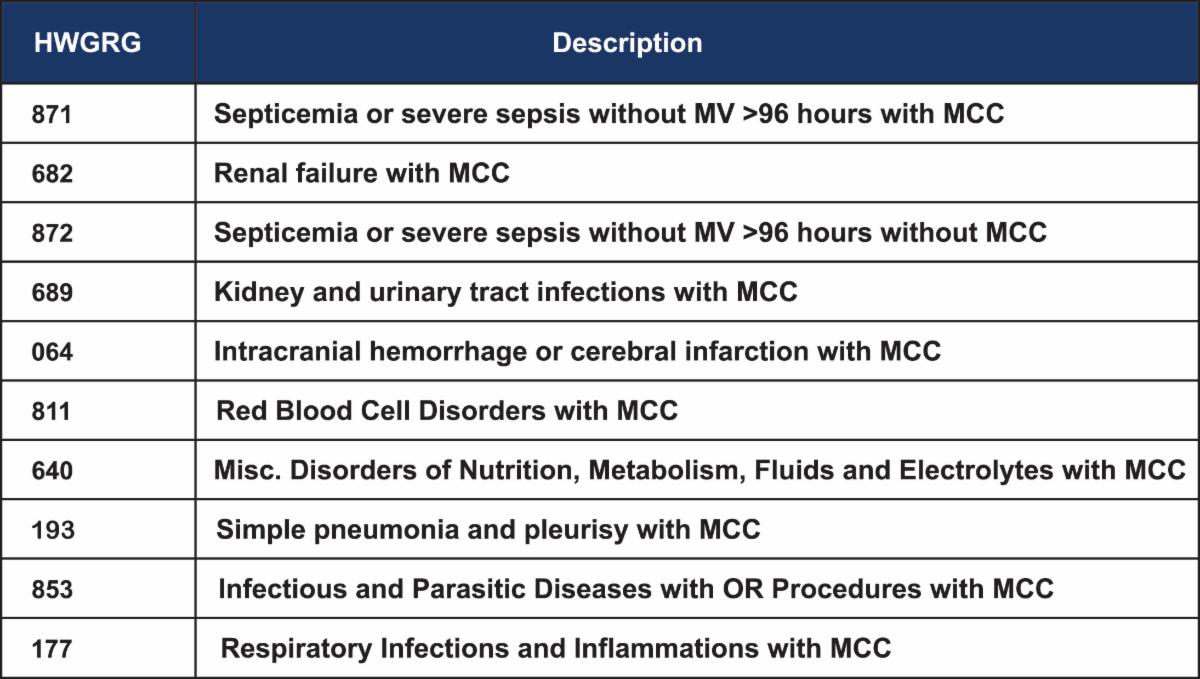
The table below shows the top 10 DRGs that resulted in Livanta reversing the HWDRG to the previously billed DRG. 

Overall, 68 percent of HWDRGs found in error were reversed to the previously billed DRG based on the documentation submitted in the medical record to support the HWDRG claim. 

Top Reasons for Denial 

1.    Selection of a principal diagnosis that is not supported by the medical record and coding guidelines.

Did you miss the April 2022 Livanta Claims Review Advisor related to principal diagnosis? Click here to catch up: https://www.livantaqio.com/en/ClaimReview/files/The_Livanta_Claims_Review_Advisor_April.pdf


2.    Submission of a major complication or comorbidity (MCC) or CC that is not supported by the documentation in the medical record. Common diagnoses in this category are sepsis, encephalopathy, and malnutrition.


Read Livanta’s August 2022 publication on sepsis: https://www.livantaqio.com/en/ClaimReview/files/The_Livanta_Claims_Review_Advisor_August_2022.pdf


Read Livanta’s October 2022 publication on encephalopathy:

https://www.livantaqio.com/en/ClaimReview/files/The_Livanta_Claims_Review_Advisor_October_2022.pdf


Read Livanta’s April 2023 publication on malnutrition:

https://www.livantaqio.cms.gov/en/ClaimReview/files/The_Livanta_Claims_Review_Advisor_April_2023.pdf


3.    Inappropriate query submissions and unsupported responses.

Did you miss the latest December 2023 Livanta Claims Review Advisor related to physician queries? Click here to catch up: https://www.livantaqio.cms.gov/en/ClaimReview/files/The_Livanta_Claims_Review_Advisor_December_2023.pdf

Top HWDRGs Changed 

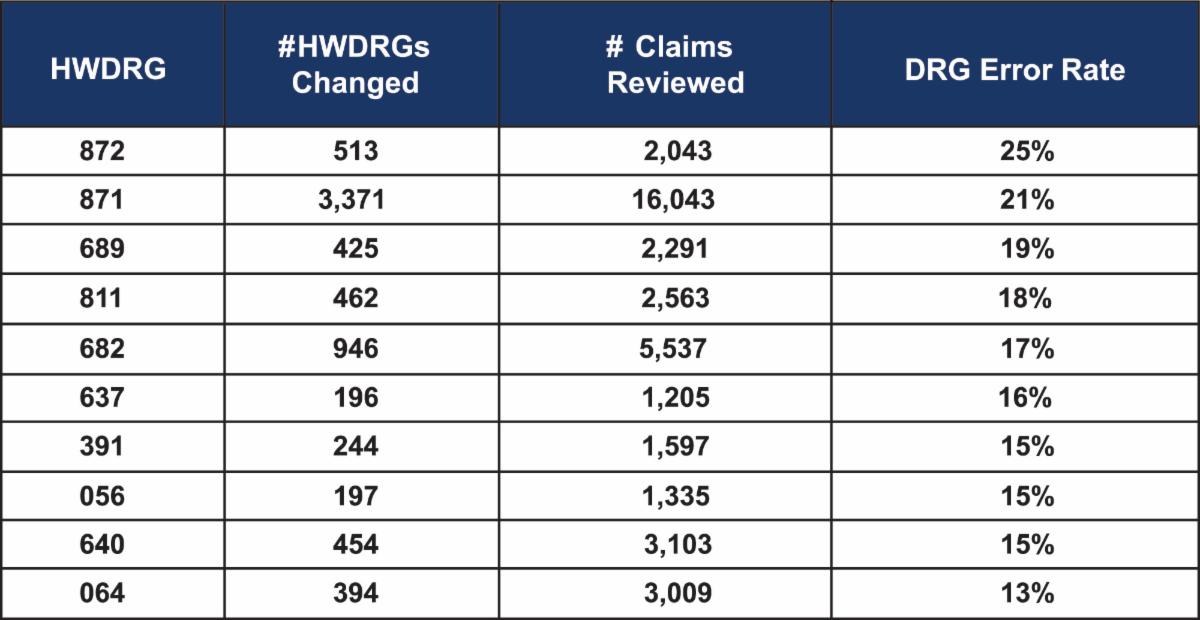
The top 10 HWDRGs found to be in error are noted in the table below. 

Sepsis DRGs (871 and 872) together account for nearly half (46%) of the DRGs found to be in error. 

Focused Training

Based on Livanta’s HWDRG claim reviews, hospitals could benefit from focused training on proper documentation and coding guidelines. Accurate coding based on the coding conventions and guidelines and thorough documentation in the medical record helps ensure proper claim submission and payment.


Please e-mail Livanta at Claimreview@Livanta.com if your hospital is interested in focused training on specific coding topics. 

About Livanta

Livanta is the national Medicare Claim Review Services contractor under the Beneficiary and Family Centered Care – Quality Improvement Organization (BFCC-QIO) Program. As the Claim Review Services contractor, Livanta validates the DRG on hospital claims adjusted to pay at a higher weight. The adjusted claim is reviewed to ensure that the patient's diagnoses, procedures, and discharge status reported on the hospital’s claim are supported by the documentation in the patient’s medical record. Livanta’s highly trained, credentialed coding auditors adhere to the accepted principles of coding practices to validate the accuracy of the hospital codes that affect the DRG payment. When needed, actively practicing physicians review for medical necessity and clinical validity based on the presence of supporting documentation and clinical indicators.


Post-payment review of these HWDRG adjustments is mandated under statute and in the Centers for Medicare & Medicaid Services (CMS) QIO Manual: Perform DRG validation on prospective payment system (PPS) cases (including hospital-requested higher-weighted DRG assignments), as appropriate (see §1866(a)(1)(F) of the Act and 42 CFR 476.71(a)(4)).


Read more: CMS, Quality Improvement Organization Manual, Chapter 4 - Case Review

https://www.cms.gov/Regulations-and-Guidance/Guidance/Manuals/downloads/qio110c04.pdf

Questions?

Should you have questions, please email ClaimReview@Livanta.com, or visit the claim review website for more information: https://www.livantaqio.cms.gov/en/ClaimReview/index.html

ABOUT LIVANTA LLC AND THIS DOCUMENT - Disclaimer

This material was prepared by Livanta LLC, the Medicare Beneficiary and Family Centered Care - Quality Improvement Organization (BFCC-QIO) under national contract with the Centers for Medicare & Medicaid Services (CMS), an agency of the U.S. Department of Health and Human Services. The contents presented do not necessarily reflect CMS policy and are intended for educational purposes only 12-SOW-MD-2024-QIOBFCC-TO351

Facebook  Instagram  LinkedIn  X