|
The Weekly Owl
December 10, 2025
| | |
IMPORTANT DATES & REMINDERS:
-
December 15-19: Scholastic Book Fair
-
December 18: Elementary Science Fair and Art Show (6:00-8:00 p.m.)
- December Closure Dates & Early Dismissals:
-
Early Learning: Out December 22-26; 3:00 p.m. dismissal on December 31; closed on January 1
-
Preschool: Out December 22-26; optional care available on December 29 & 30; 3:00 p.m. dismissal on December 31; closed January 1; optional care available on January 2
-
Elementary: Out December 22-January 5 (Return on January 6)
-
January 2: Optional Care for Preschool
-
January 16: 100th Day of School
-
January 19: Martin Luther King Jr. Day - No School for Elementary; Optional care available for Preschool
-
January 29: Career Day for Elementary
| |
Safe and Fun Toys that Match Your Child’s Age
| | |
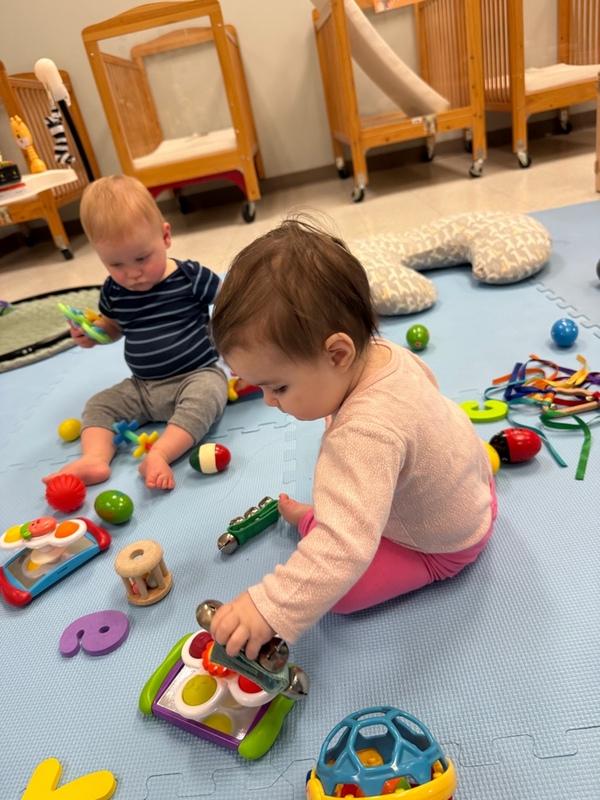
When holiday shopping for your child, keep in mind that the best toys spark imagination and support learning while keeping your child engaged. Following age guidelines will help you choose toys that are not only safe but also align with your child’s developmental stage. For infants from birth to 8 months, it is best to get toys that stimulate their senses. At this stage, infants enjoy bright colors, soft textures, and gentle sounds. Toys that encourage reaching, grasping, and listening give them new ways to learn. Examples include soft cloth rattles or wrist rattles, play gyms with hanging toys, baby-safe mirrors, and soft fabric books with textures.
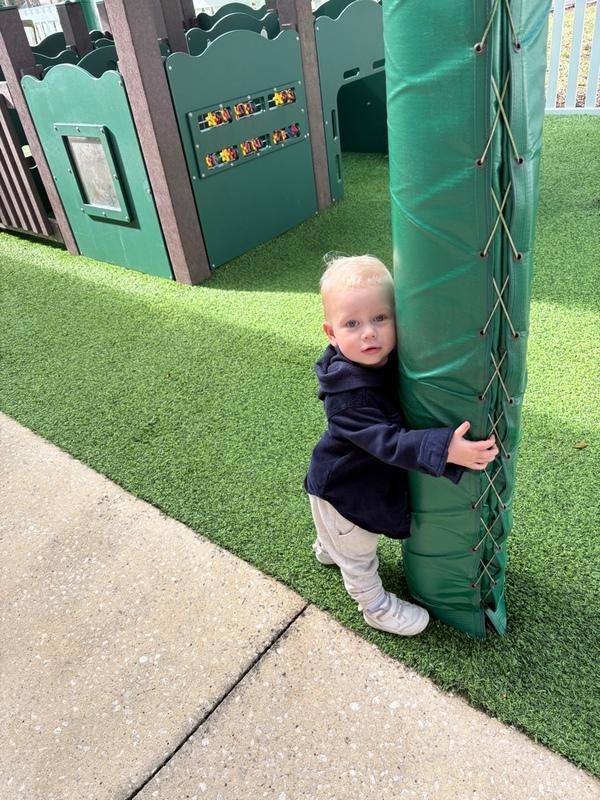
For babies 9-18 months, toys should build motor skills, spark curiosity, and allow babies to imitate actions they see adults do. At this stage, children are on the move and eager to explore the world around them. Examples include push toys with handles (such as toy lawn mowers or shopping carts), stacking rings or nesting cups, large knob puzzles, or musical toys with buttons to press.
For toddlers 19-24 months, toys that promote independence and creativity work best. Children at this age enjoy simple challenges that build problem-solving skills, such as ride-on toys with foot power, shape sorters with large pieces, pretend cleaning tools (like a child-size broom or duster), and foam bath blocks or pouring toys.
| |  | | For toddlers 2 to 3 years old, pretend-play toys boost imagination and social skills. Children at this age benefit from toys that encourage active play, such as play kitchens with pretend food, toy tool sets with chunky pieces, large wooden building blocks, and ride-on scooters (three-wheel for stability).
For preschoolers 3 to 4 years old, toys that support storytelling and hands-on learning strengthen communication and fine motor skills. Examples include train sets or car tracks, easels with chalk or dry erase boards, matching card games, and playsets with animals or people figures.
For preschoolers 4 to 5 years old, toys that encourage both independence and teamwork build important social skills. Look for games that involve sharing and cooperation to prepare children for group play, such as board games with simple rules, craft kits with stickers or stamps, picture books with longer stories, and child-sized sports gear (like plastic bowling sets or T-ball stands).
Remember, supervision matters at every age. Be sure to clean toys regularly, and discard toys with broken parts, loose pieces, or sharp edges. By choosing age-appropriate toys, you can make playtime safe and fun while supporting your child’s development.
| | |
Celebrating Together:
A "Thank You" to Our Families & More
Holiday Fun Ahead
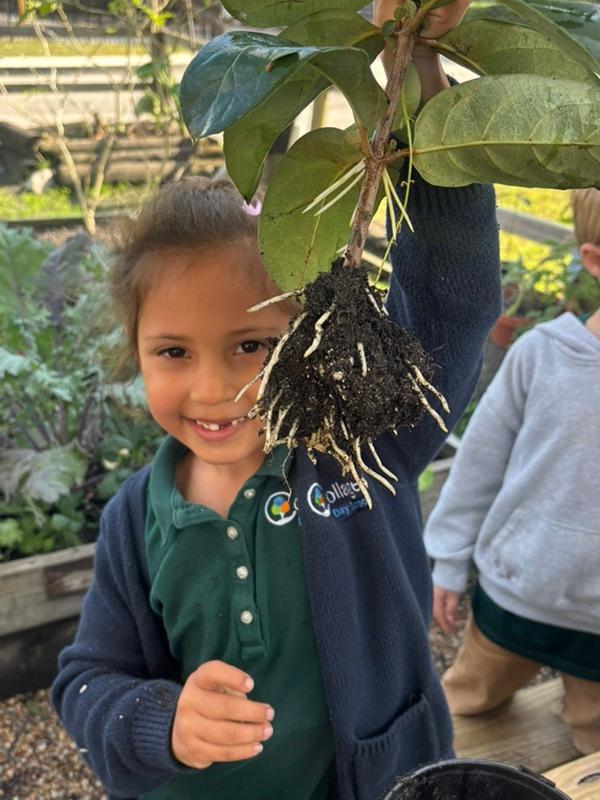
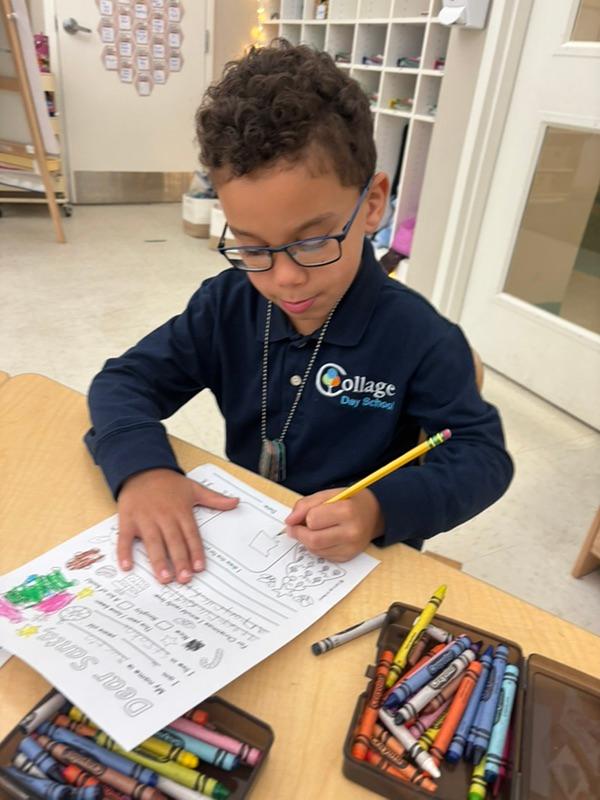
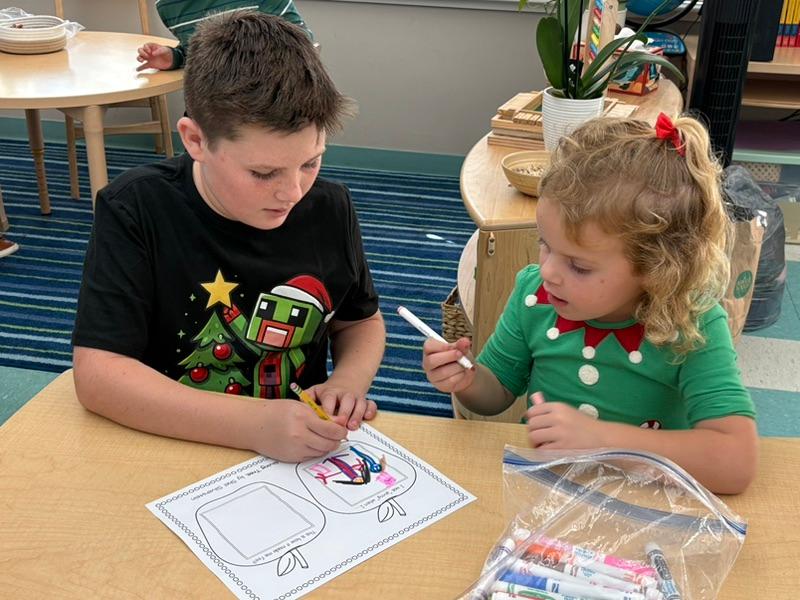
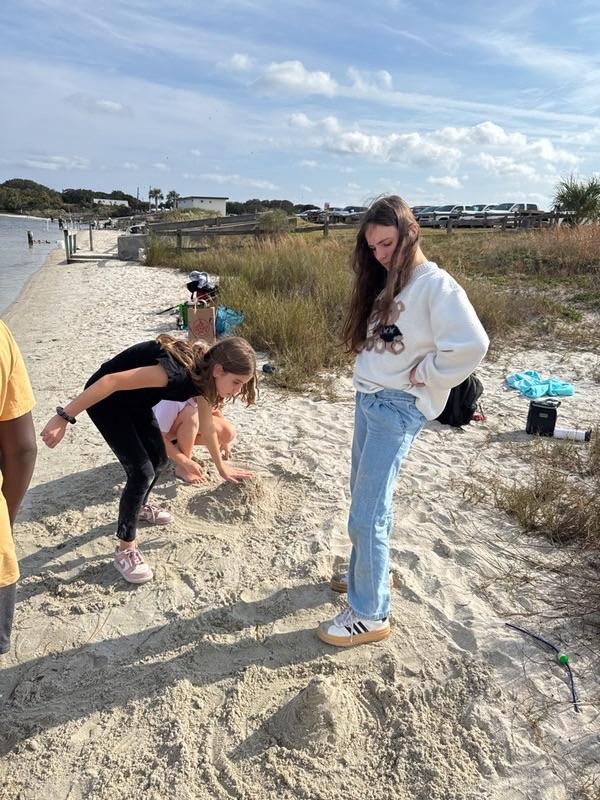
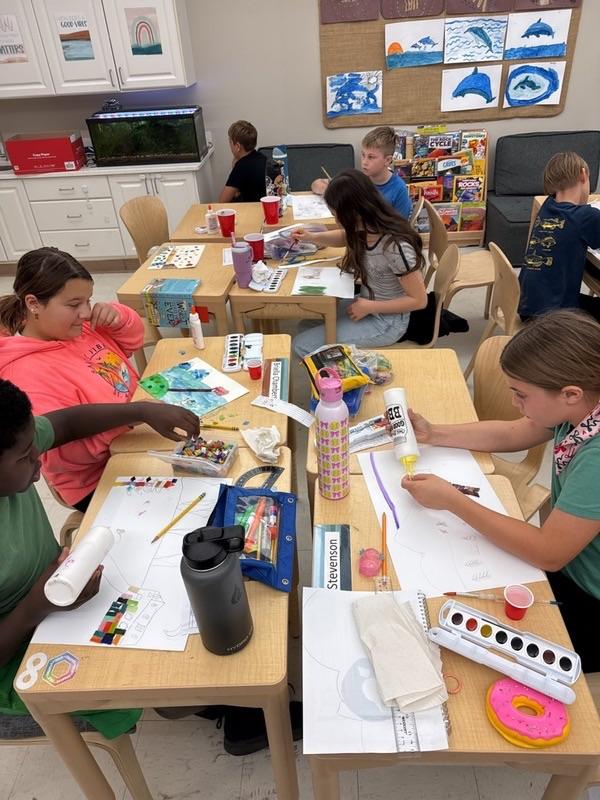
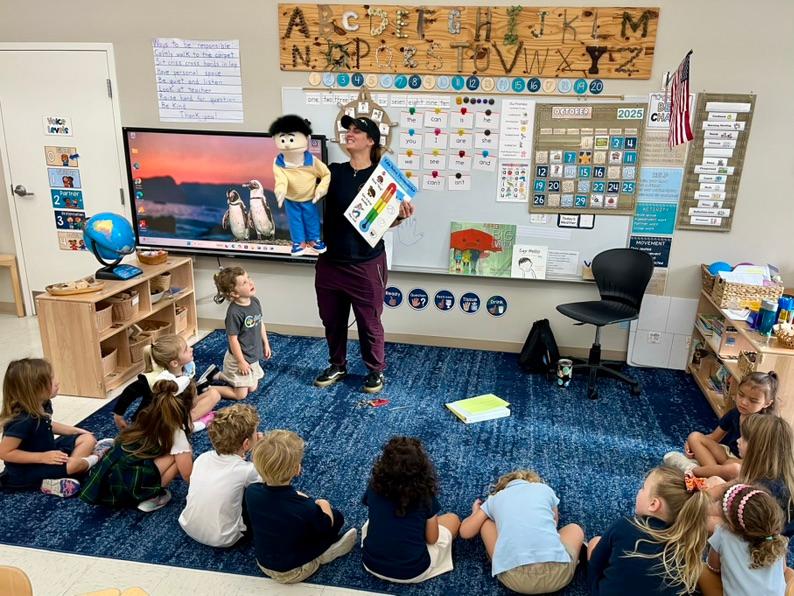
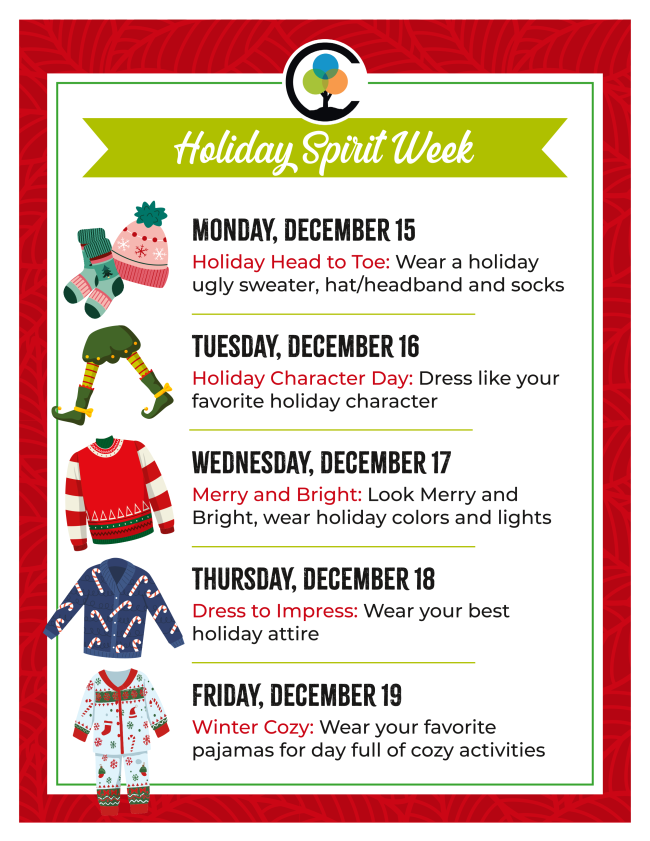
| | We want to extend a heartfelt thank you to all of our families for joining us at the Holiday Show. Your presence, enthusiasm, and support made the evening truly special. Our students shined on stage, and it was wonderful to see our community come together to celebrate the season. | | | As we move into the final week before winter break, we’re excited for a fun-filled week of holiday activities on campus! Students can look forward to festive spirit days, classroom celebrations, and joyful moments that bring our community even closer together. We can’t wait to share in the excitement and end the year with warmth, laughter, and holiday cheer. Check out the flyer below for all the details! | | | Outdoor Learning and Resource Fun | | Our class has been having a blast with Mrs. Abby and outdoor learning! We visited the Guana River Dam and Research Reserve, where we learned the various aspects of fishing. We tested four different types of bait and managed to catch a crab! | | | We've also been enjoying learning how to play soccer with Coach Bill and creating personalized holiday-themed art with Ms. Rose. | | | Dinosaur School is a fun, supportive program designed to help young children build the social and emotional tools they need to succeed at home, in school, and with friends. Through playful lessons, stories, and interactive activities, children learn how to recognize and express their feelings, follow directions, solve problems, handle frustration, and practice kind, cooperative behavior. | |
December Resource Spotlight: Dinosaur School
Parents also receive simple strategies they can use at home to support these skills and keep the positive momentum going. Dinosaur School helps kids grow confidence, resilience, and stronger relationships, one small dinosaur step at a time!
| | |
Mental Health Moment of the Week: The Importance of Identifying Feelings
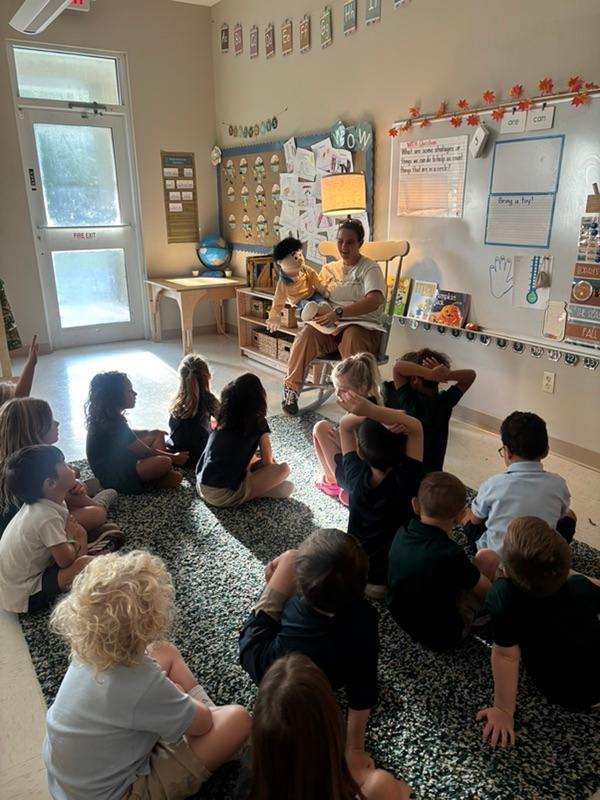
Identifying feelings is an essential communication skill, especially during moments of conflict. A brief statement that names your feelings can quickly communicate what’s going on internally.
Take some time this week to look up a “feelings wheel,” a helpful tool for becoming more comfortable identifying and discussing emotions within your family.
| | | |
|
Note from Nurse Chelsea
Seasonal Foods for Seasonal Strength
Why it matters: Foods grown in season carry nutrients our bodies need most in colder months.
Tips for parents:
-
Pumpkin & squash - They're rich in vitamin A for immune support.
-
Apples - This sweet fruit contains fiber & antioxidants for gut and overall health.
-
Sweet potatoes - They've got vitamin C & beta carotene, which boosts immunity.
-
Soups + stews - Enjoy a warm, nutrient-packed comfort meal!
| | | | |
Eat the Rainbow: Powered by Pineapple!
Lower school students continue learning through Collage's Eat the Rainbow program. Students are exploring foods by color each month. This month's color is yellow.
Learn more about Pineapple:
-
Nutrient Spotlight: Pineapples are loaded with vitamin C, manganese, and bromelain, an enzyme that supports digestion.
-
Health Benefits: They strengthen the immune system, help the body heal, and support healthy digestion.
-
Kid-Friendly Tip: Serve fresh pineapple chunks on skewers, blend into smoothies, or freeze pieces for a cool snack.
| | We encourage families to join in at home. Let's all make healthy eating fun and colorful! | | PARENT COMMUNITY ALLIANCE (PCA) NEWS | | |
Looking for a simple way to support Collage? Join our PCA Volunteer List!
Volunteering is a great way to get involved, meet other families, and make an impact. From fun nights to fundraisers, we rely on our amazing volunteers.
Whether it’s helping with set-up, check-ins, clean-up, or behind-the-scenes tasks, there are plenty of ways to lend a hand. When an event is scheduled, we’ll send out a sign-up form outlining the roles needed—just choose what works best for you!
📌Click here to learn more.
Stay connected: Follow us on Facebook at CDS Parent Community Alliance.https://www.facebook.com/profile.php?id=61567861563027.
Bridget L. Van Landingham
President, CDS Parent Community Alliance (PCA)
| | THANK YOU TO OUR SPONSORS: | | | | |