| |
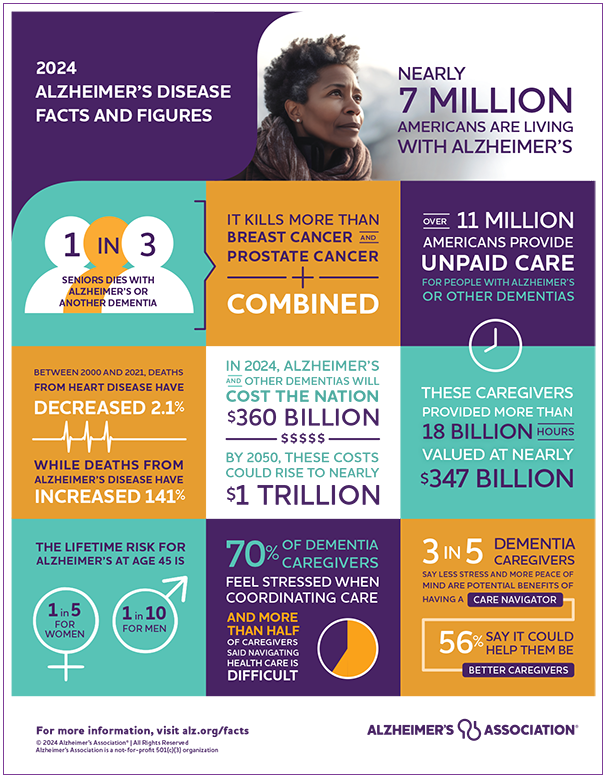
- Living with Alzheimer’s? 6.7 million.
- Providing unpaid care for people with Alzheimer’s or other dementias? 11 million.
| | |
|
By analogy, while coronary artery disease relates to heart function, Alzheimer’s disease concerns brain function. When nerve cells are damaged, it harms brain neurons crucial to thinking, talking, walking and all human capacities.
Are you unsure how to distinguish between dementia and Alzheimer’s disease?
- Dementia refers to characteristic symptoms including challenges with language, memory, problem-solving and abilities to take care of activities of daily living.
- Alzheimer’s disease is a primary cause (60-80%) of dementia cases, with chronic changes that degrade brain neuron functionality.
|
| | To assess dementia’s societal impact, these Facts & Figures from the Alzheimer’s Association® speak volumes. | |
View larger
Does someone in your circle of life have memory difficulties and appear apathetic, depressed or confused? Do their behavioral changes on basic tasks reveal poor judgment?
Research studies make known that proactively managing Alzheimer’s disease can improve quality of life for affected individuals and caregivers struggling to assist with daily needs, medical complications and emotional stress. With respect to Nature & Nurture, while genetics cannot change, personalized treatment plans should include:
- Expertly guided use of an expanding array of treatment options
- Meaningful participation in mentally stimulating social activities
- Maintaining self-identify and emotionally rewarding relationships
- Effective training and versatile support of vital caregivers
- Well-coordinated medical management of coexisting conditions with other healthcare providers
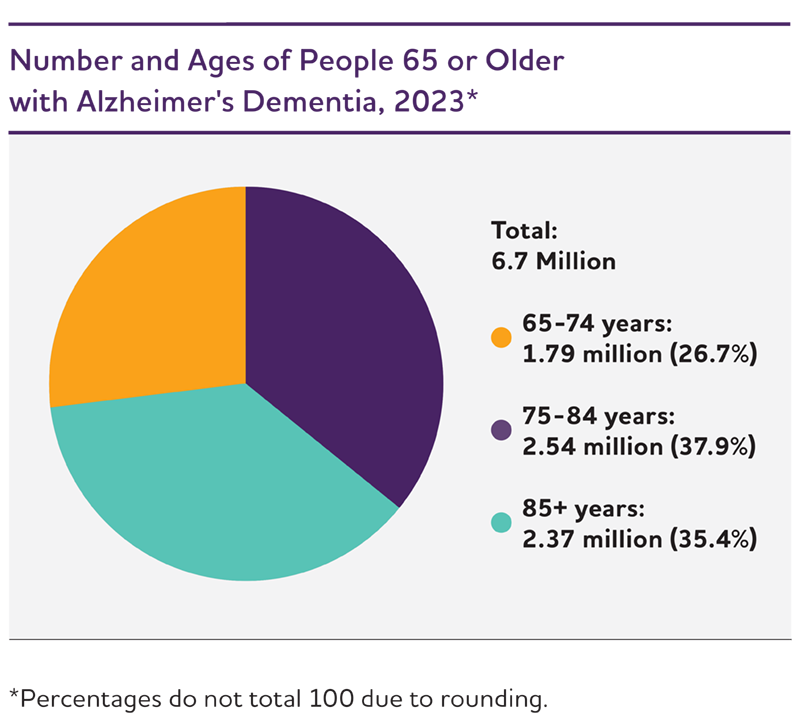
How old are your loved ones of concern?
| | |
View larger
Chart source: Alzheimer’s Association®. 2023 Alzheimer’s Disease Facts and Figures. Alzheimers Dement 2023;19(4). DOI 10.1002/alz.13016.
|
|
As a highly respected medical journal states, “Acting now on dementia prevention, intervention and care will vastly improve living and dying for individuals with dementia and their families, and in doing so, will transform the future for our society. Overall, about 80% of dementias are in people aged 75 years and older, while the number of people with this condition is expected to increase to 66 million by 2030 and 131 million by 2050, driven by rising numbers of older adults.” 1 | |
The Lancet study indicated hearing loss is one of the most important modifiable risk factors, along with related medical conditions and lifestyle issues such as diabetes, hypertension, smoking, social isolation and depression. Evidence shows social isolation may be a risk factor for dementia, indicating the essential role of communication wellness in quality of life.
| |
Remarkable research further details how Dual Sensory Impairment, hearing and vision, increases dementia risk. As stated:
“Persons with dual sensory impairment may be a particularly vulnerable subgroup because, unlike individuals with single sensory impairment, it is more difficult to employ sensory substitution (eg, using the auditory system to compensate for loss in functioning associated with visual impairment or vice versa) to preserve functioning.” 2
“The observed associations between functional sensory impairments and dementia may be explained through several potential mechanisms. Sensory impairments may causally increase dementia risk through changes in brain structure and function, particularly through increases in cognitive load. In older adults with sensory impairment, greater cognitive resources are needed to support visual and auditory function, thus leaving fewer resources available to support cognitive tasks. Additionally, sensory impairment can lead to depression, social isolation, and reduced physical activity, all known factors associated with increased risk for dementia.” 2
“Further, among participants without dementia at baseline, functional sensory impairment was associated with a higher likelihood of incident dementia over 7 years of follow-up. The strongest association was observed for participants who reported functional dual sensory impairment; compared with no impairment, functional dual sensory impairment was associated with a 50% higher hazard of incident dementia over 7 years.” 2
| | | | |
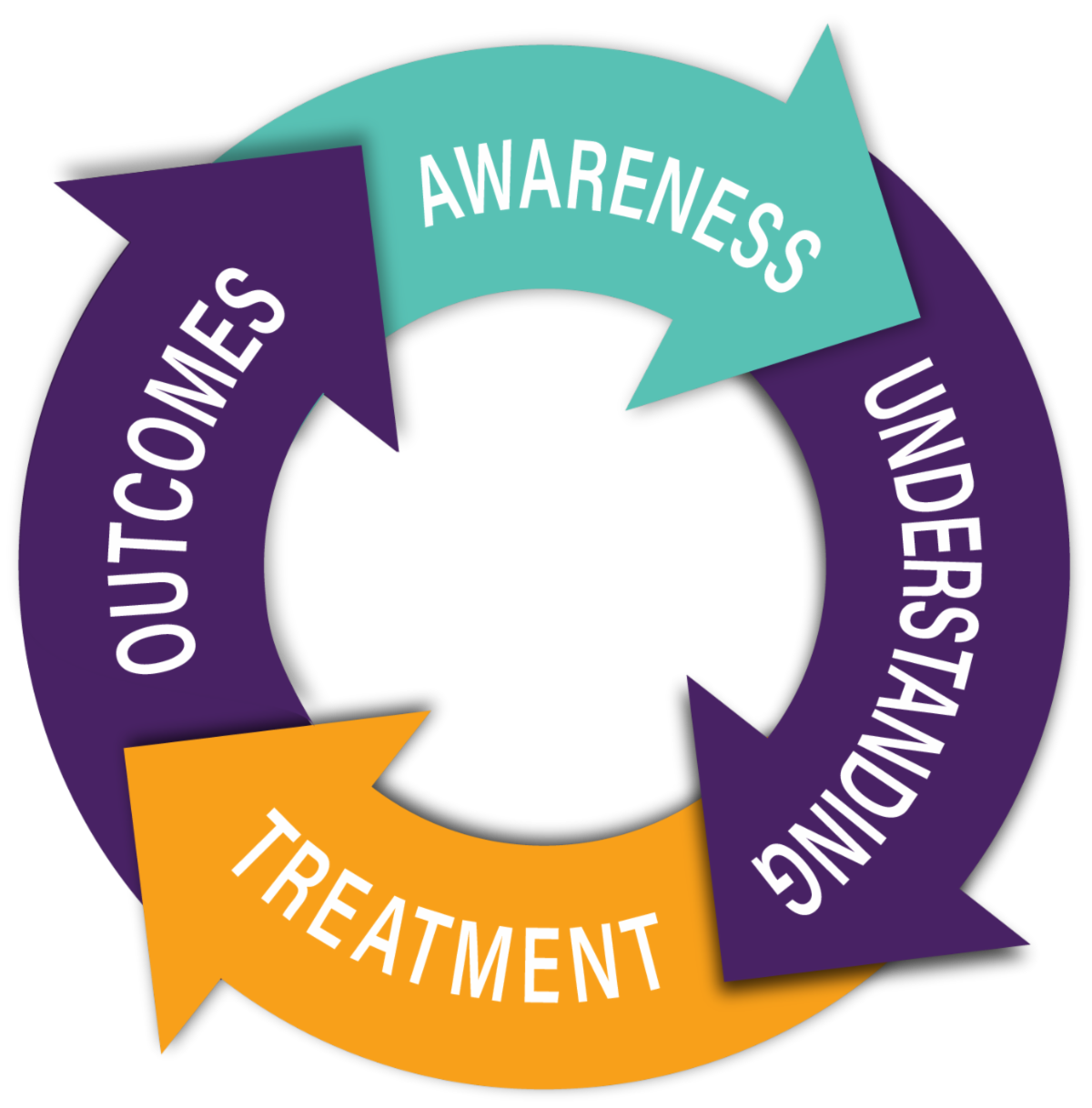
In recognizing dementia’s epidemic proportion, debilitating impacts, economic costs and proactive treatment options, it is imperative we promote positive cycles of community education and engagement.
Each of us can Join the Fight with the Alzheimer’s Association® this June and beyond, to boost ...
| |
-
Awareness that “Worldwide, more than 55 million people are living with Alzheimer’s or another dementia.
-
Understanding that Dual Sensory Impairment (DSI) increases risk
-
Treatment goals which ensure best vision and hearing abilities
-
Outcomes that enhance sensory abilities, brain health and quality of life
| | | |
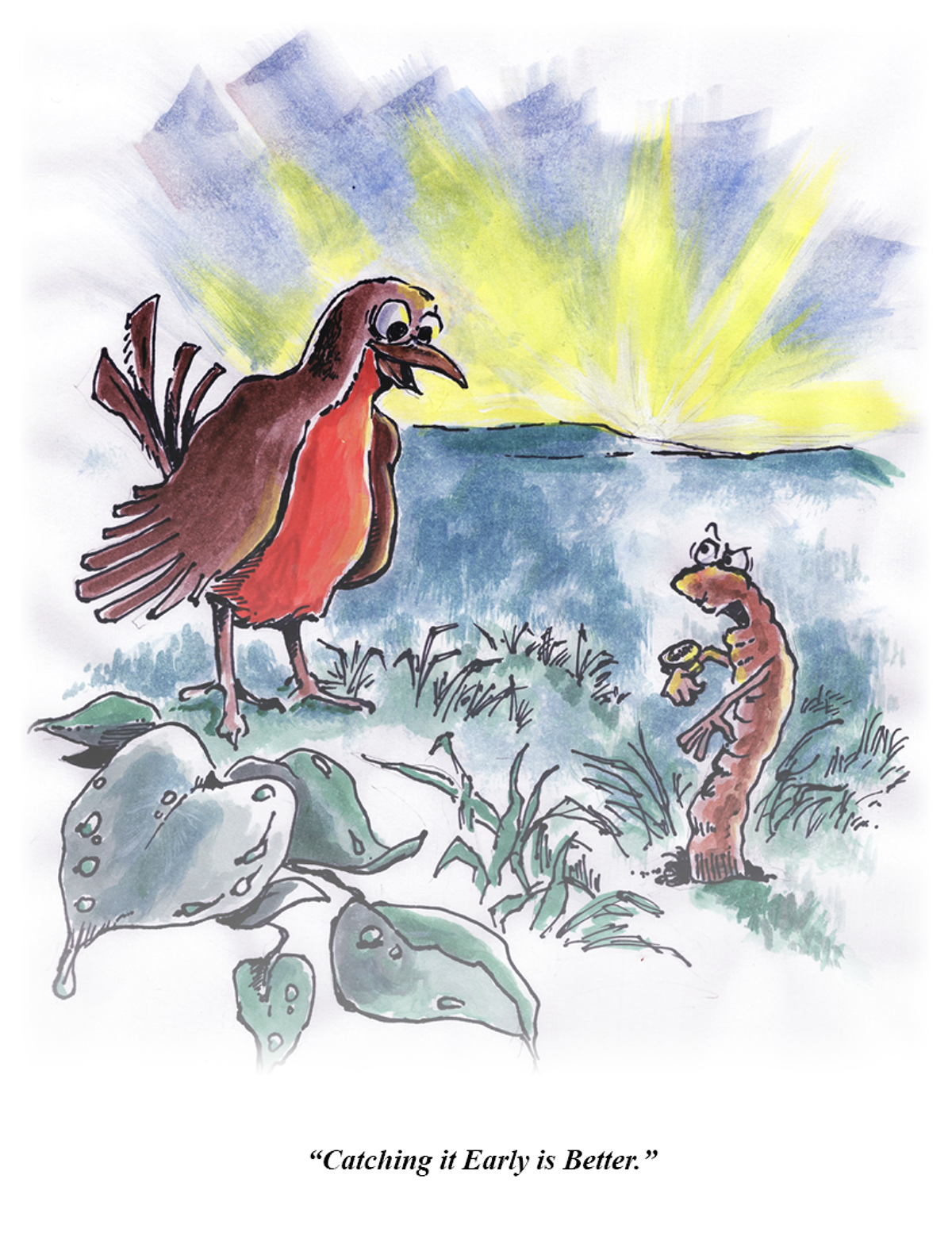
While we take your hearing care seriously, a little laughter goes a long way.
Good Humor, Healthy Hearing
| | |
Amplify impact by advising loved ones of influential research asserting:
“Because the public health burden of dementia will increase over the next three decades, evaluation of vision and hearing function in older adults may help identify patients at elevated risk of developing dementia.” 3
| | | |
|
1 The Lancet DOI:https://doi.org/10.1016/S0140-6736(17)31363-6
2 Kuo PL, Huang AR, Ehrlich JR, Kasper J, Lin FR, McKee MM, Reed NS, Swenor BK, Deal JA. Prevalence of Concurrent Functional Vision and Hearing Impairment and Association With Dementia in Community-Dwelling Medicare Beneficiaries. JAMA Netw Open. 2021 Mar 1;4(3):e211558. doi: 10.1001/jamanetworkopen.2021.1558. PMID: 33739429; PMCID: PMC8601132.
3 Hwang, PH, Longstreth, WT, Brenowitz, WD, et al. Dual sensory impairment in older adults and risk of dementia from the GEM Study. Alzheimer's Dement. 2020; 12:e12054. https://doi.org/10.1002/dad2.12054
| | Taking care of your ears and eyes is clearly wise. Dual sensory wellness matters! | | | | By seeing us and vision care providers for periodic evaluations, we can accurately diagnose your current hearing status and provide personalized solutions which empower you to hear your best, socialize in pleasurable ways and promote mental resilience. Spring forward, schedule your appointment and be Happy to Hear! | |
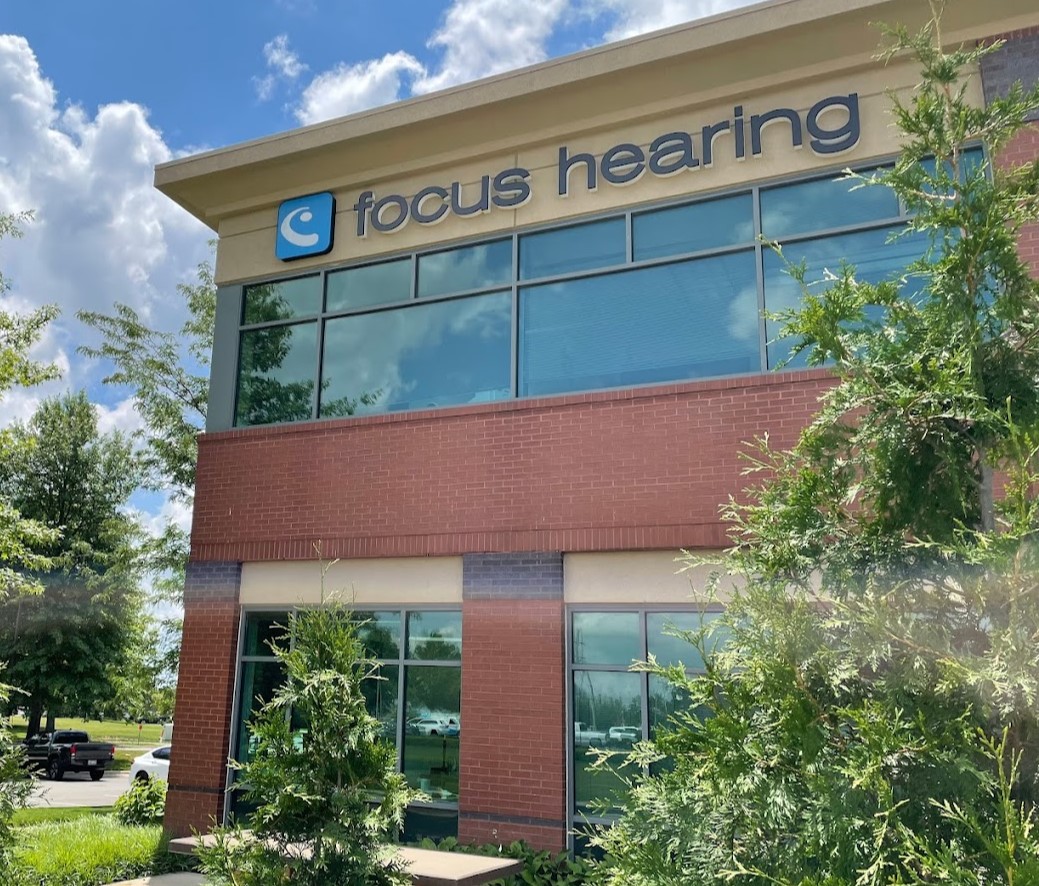
VISIT OUR NEW LOCATION
Exciting news! Focus Hearing has expanded, and we're thrilled to announce our new location. New office, same exceptional hearing care!
| | | | Word jumble answers: pinna, cochlea, noise, restaurants | | | |
Our Patients Say It Best
“Awesome folks! A real pleasure! Thank you so much for helping me!”
— Mark D.
|
|
Walk-In Service Hours
Monday – Friday 10:00 am – 3:00 pm
| | | |
|
The information contained herein is provided for general educational purposes. Regarding specific questions, please talk to your Doctor.
© 2024 HIGH DEFINITION IMPRESSIONS,
All rights reserved.
| | | | |