|
Every February is American Heart Month, an opportunity to raise awareness about how to manage and improve cardiovascular health.
Given heart disease prevalence, most of us are directly or indirectly impacted. Keeping awareness goals top of mind, here are 3 infographics to learn from:
| | | |
|
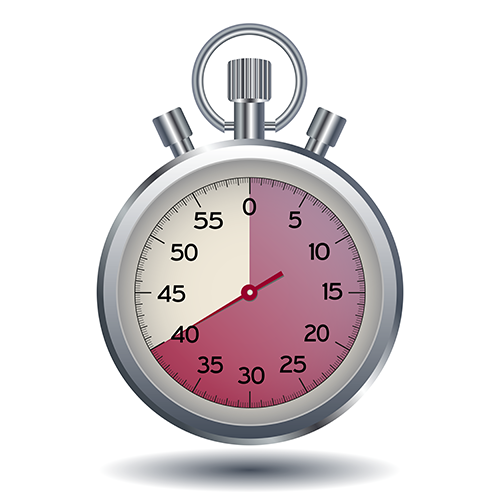
What is every 40 seconds?
The estimated frequency of someone in the U.S. having a heart attack.
| |
|
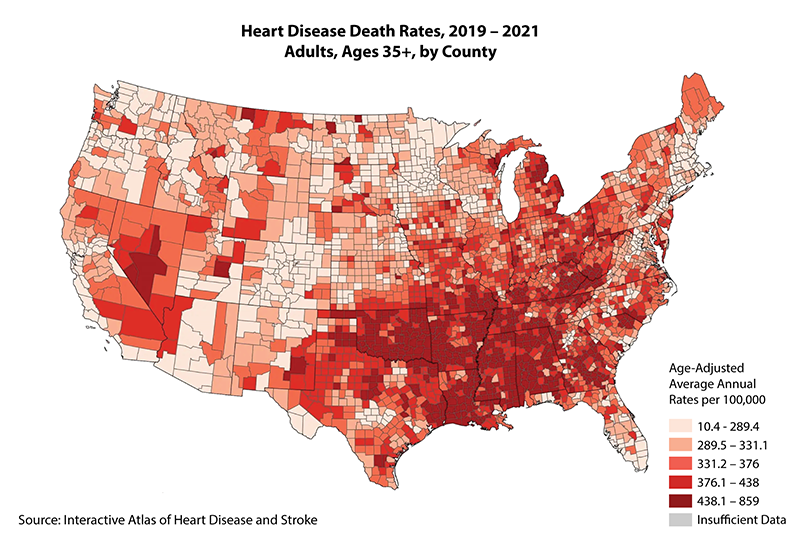
Statistically, at a national level,
widespread incidence rates look like this:
| | |
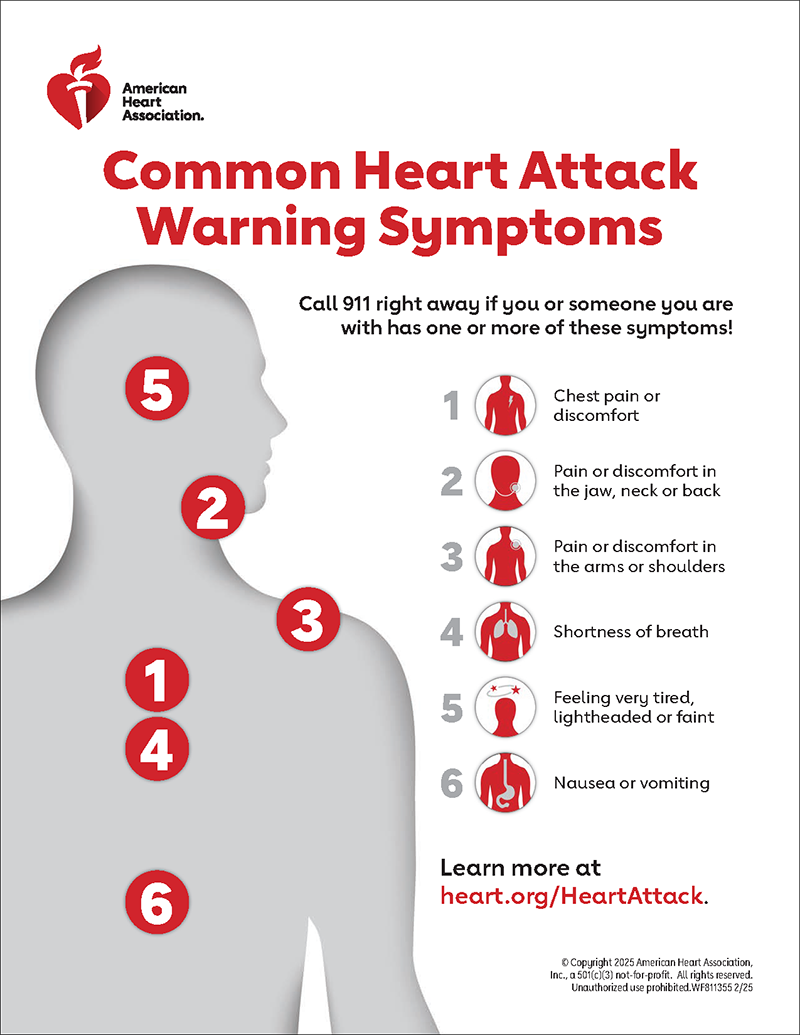
Common Heart Attack
warning signs are ...
| | Gaining baseline knowledge is a Smart Start in taking care of your heart. With a wealth of educational materials readily available, learning more is advised. On purpose, discover reputable resources, determine vital questions and Ask Your Doctor. | |
You should Hear the Facts about how hearing loss relates to heart disease. As previously discussed, Did You Know some types of hearing loss should be considered risk factors which can be systemically associated with heart disease and strokes? Research indicates your inner ear’s sensitivity to blood flow, as well as vessel trauma, may enable hearing loss to be an early indicator of and screening test for heart problems. While few are in the know, most are surprised to realize your ears can be a “window to your heart.”
As studies show good blood flow circulation is vital to healthy hearing, the lack of it may damage delicate hair cells in our cochlea, which translates noises in our ear into electrical impulses that our brain can recognize as everyday sounds. Simply stated, healthier blood flow can help sustain better hearing, while hearing challenges can be an early warning system for cardiovascular issues.
| | | In addition to heart disease systemically relating to hearing loss, kidney disease and hypertension, you should know that it may be linked to being in noisy working conditions. | |
|
Extensive research suggests long-term exposure to loud noise is associated with Cardiovascular Disease (CVD) outcomes in occupational settings. This study reported, “workers who were chronically exposed to loud noise in the workplace had a twofold to threefold increase in the presence of coronary heart disease (CHD) compared with those not exposed to loud occupational noise.”
This research proposes certain types of hearing loss are accurate and objective indicators of long-term exposure to harmful decibel levels (loud noises) in occupational settings, namely:
- Bilateral (in both ears)
- High-frequency or high-pitch, which can make it difficult to hear and understand conversations, especially when background noise is present.
Defined: “Bilateral high-frequency hearing loss: average high-frequency hearing threshold ≥25 dB in both the right and left ears.”
“In a noisy environment, both ears are exposed to loud noise simultaneously, and noise-induced hearing loss most commonly develops at high frequencies. Therefore, we used bilateral high-frequency hearing loss as an indicator for personal chronic exposure to loud noise in assessing the association with the presence of CHD.”
| | | | Their informative studies unlock valuable knowledge with these: | |
- Those with bilateral and high-frequency hearing loss are about twice as likely to have Coronary Heart Disease (CHD), being approximately 4X riskier for persons currently or previously exposed to very noisy workplaces.
- “Compared with those with normal high-frequency hearing, participants with high-frequency hearing loss were older, less educated and physically inactive; they were more likely to be male, Caucasian, current or former smokers, and have diabetes, angina pectoris, myocardial infarction or CHD.”
- “There were no significant associations of CHD with any types of hearing loss for participants who were not exposed to loud noise in the workplace or leisure time, suggesting that it was chronic exposure to occupational noise that was responsible for the observed association between bilateral high-frequency hearing loss and CHD outcomes.”
| | |
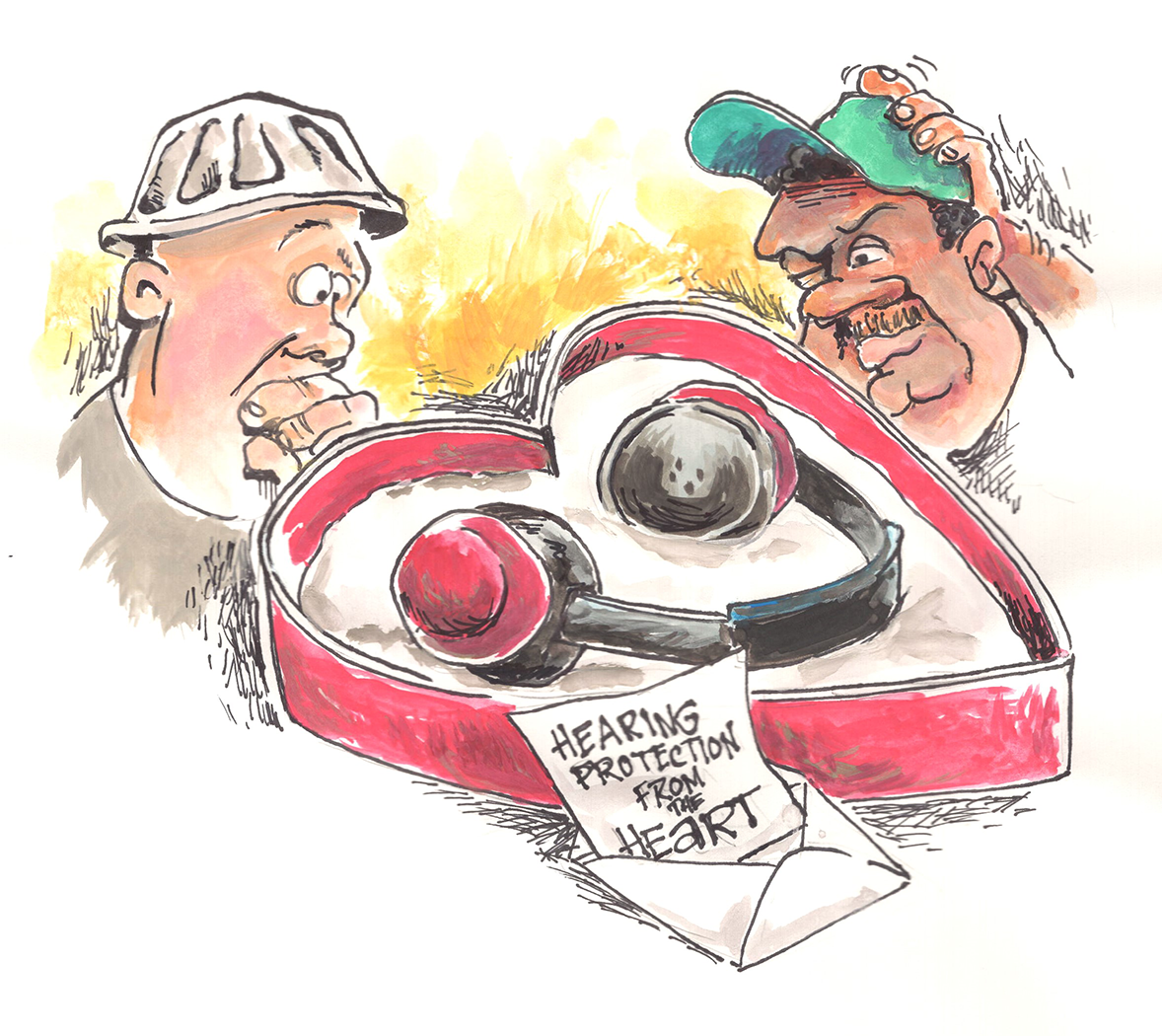
While we take your hearing care seriously, a little laughter goes a long way.
Good Humor, Healthy Hearing
| | |
How can decibel levels in noisy-related work environments be practically measured? The National Institute for Occupational Safety and Health (NIOSH) makes this Sound Level Meter app easily downloaded and used. As described: “The app was created to empower people to test noise levels in their workplace, make informed decisions about noise exposure, and prevent occupational hearing loss.”
The app is free and hearing loss savings may be positively life-changing, including protecting heart health.
| | | Do you have heart disease or a family history which increases heart disease risk? Please see us for periodic evaluations to accurately assess your type and degree of hearing loss. In close coordination with other healthcare providers, we will ensure you are aware of hearing-related cardiovascular risk factors. |
| 🎧 Tune In to Our Podcast! | | We’re excited to share our podcast, where we dive into the latest in hearing health, patient stories, and tips for better hearing. | | 👉 Stay In the Loop with the Latest in Hearing Health | |
Improving Your Experience at Focus Hearing
Focus Hearing's Quivira location will undergo a comprehensive renovation beginning in 2026. We are committed to enhancing our facilities to better serve our clients and staff.
Further details will be provided as plans progress.
| | | | |
|
Our Patients Say It Best
“Focus Hearing is very thorough and thoughtful. The staff is very friendly and helpful. The doctor is the best! She listens to you about your needs and does her best to get you what you need. The price is right if you are on social security. Don't know if you aren't. But I'm sure they will work with you.”
— Pamela C.
|
|
Walk-In Service Hours
Monday – Friday 10:00 am – 3:00 pm
| | |
Walk-In Service Hours
Monday – Thursday 10:00 am – 3:00 pm
Closed for Lunch 12:30 pm – 1:00 pm
| | | |
|
The information contained herein is provided for general educational purposes. Regarding specific questions, please talk to your Doctor.
© 2026 HIGH DEFINITION IMPRESSIONS,
All rights reserved.
| | | | |