|
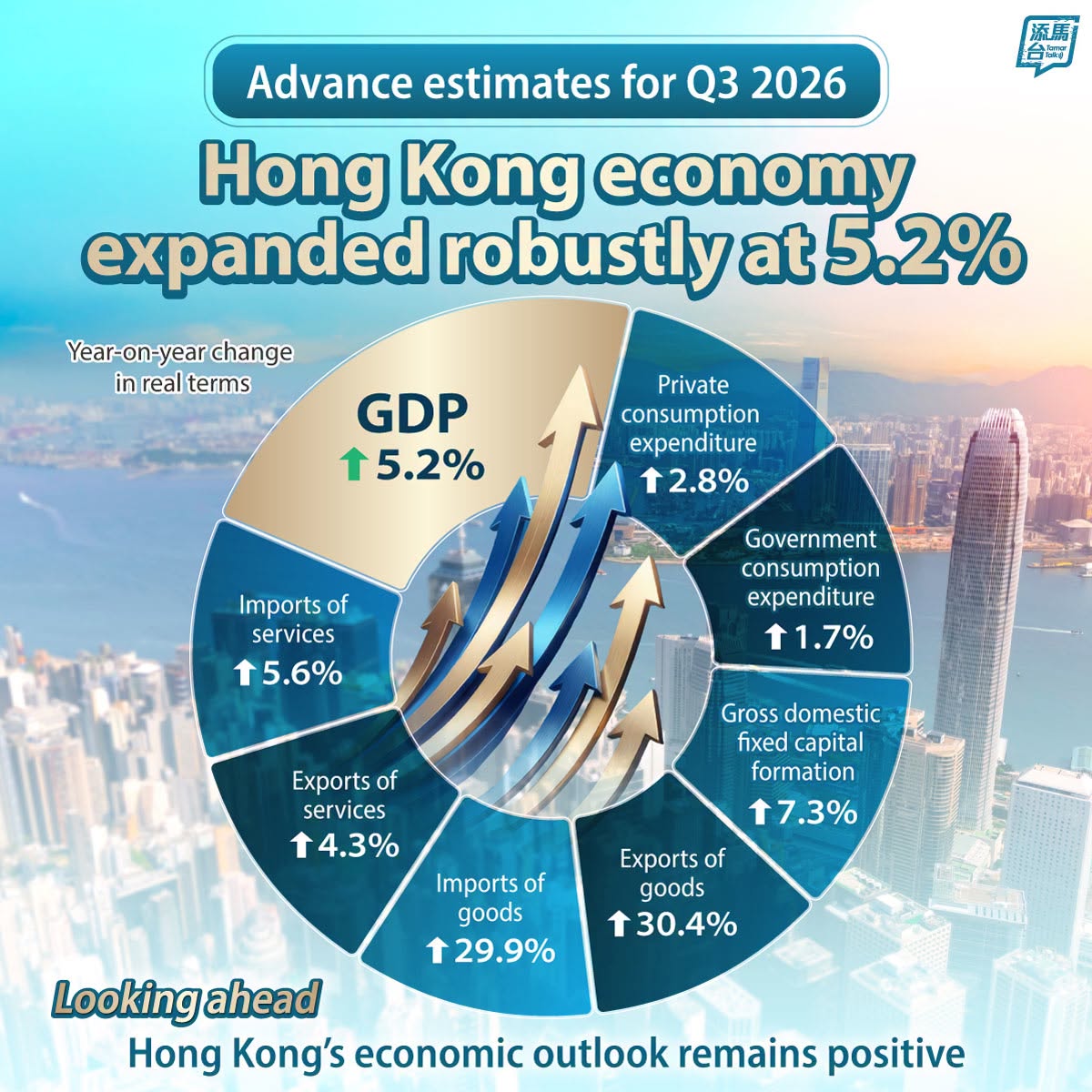
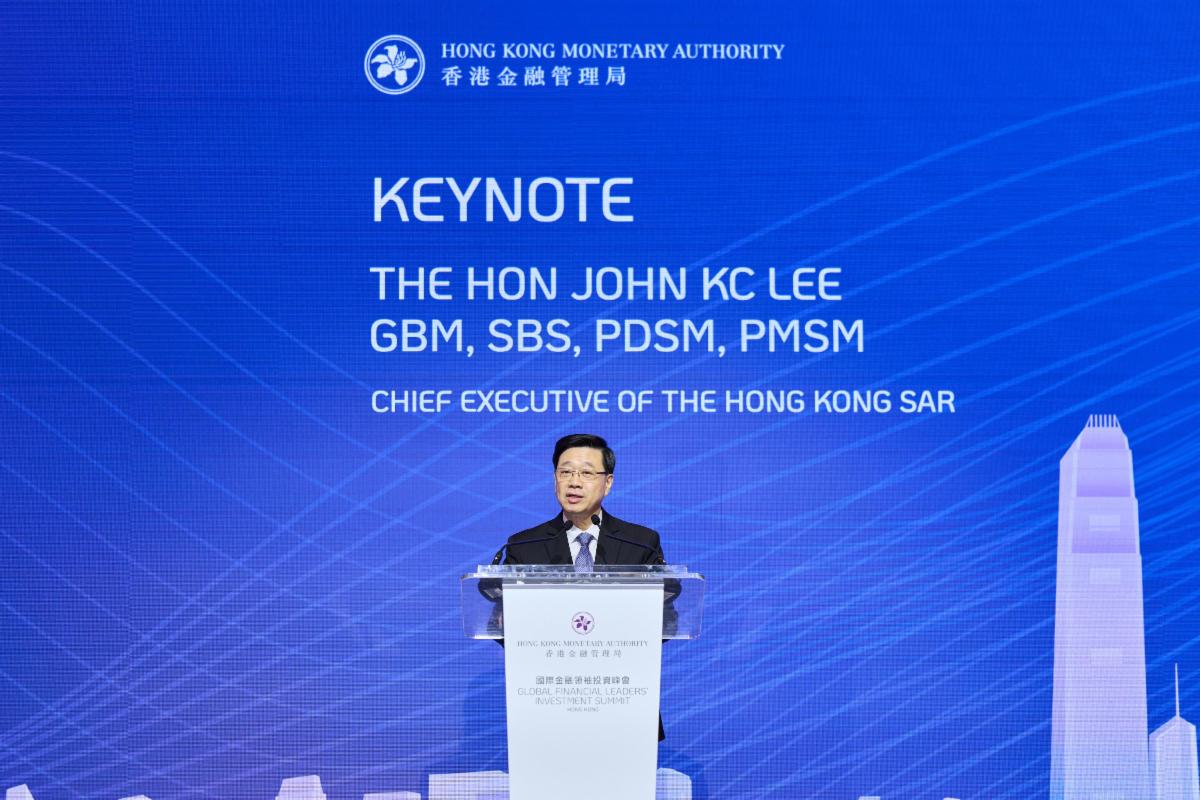
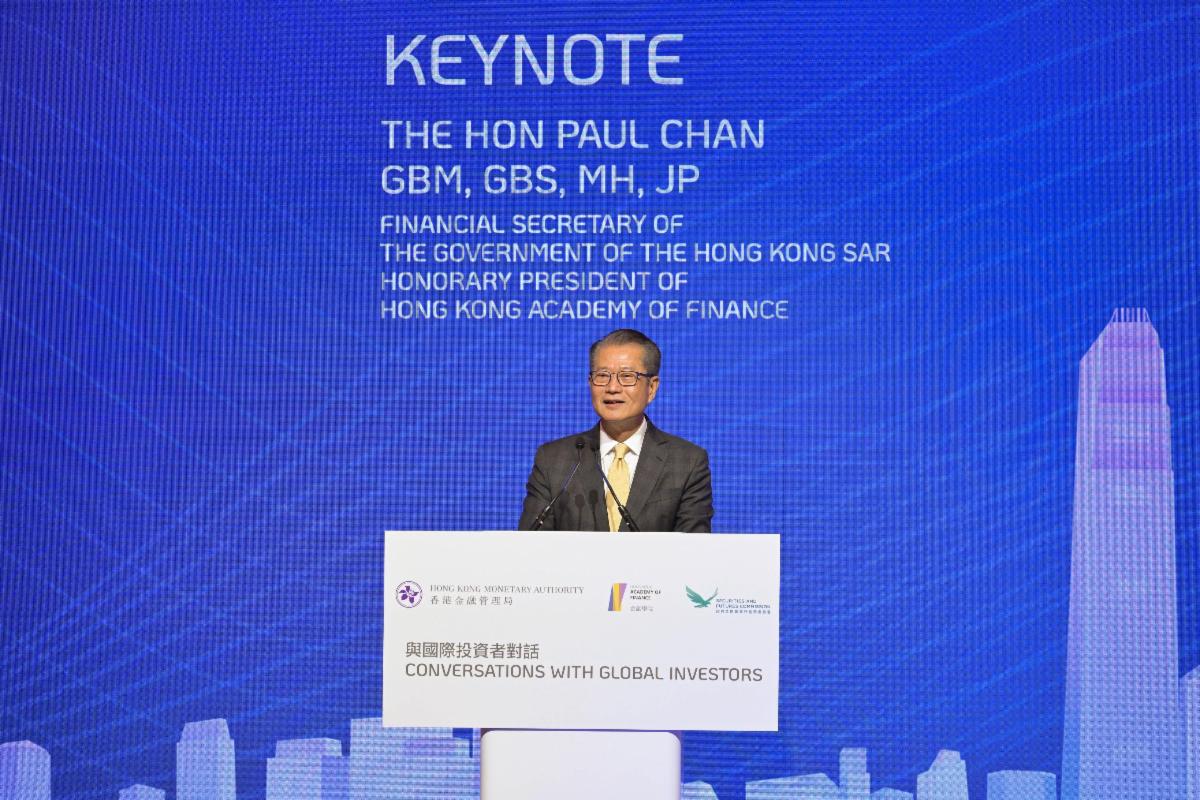
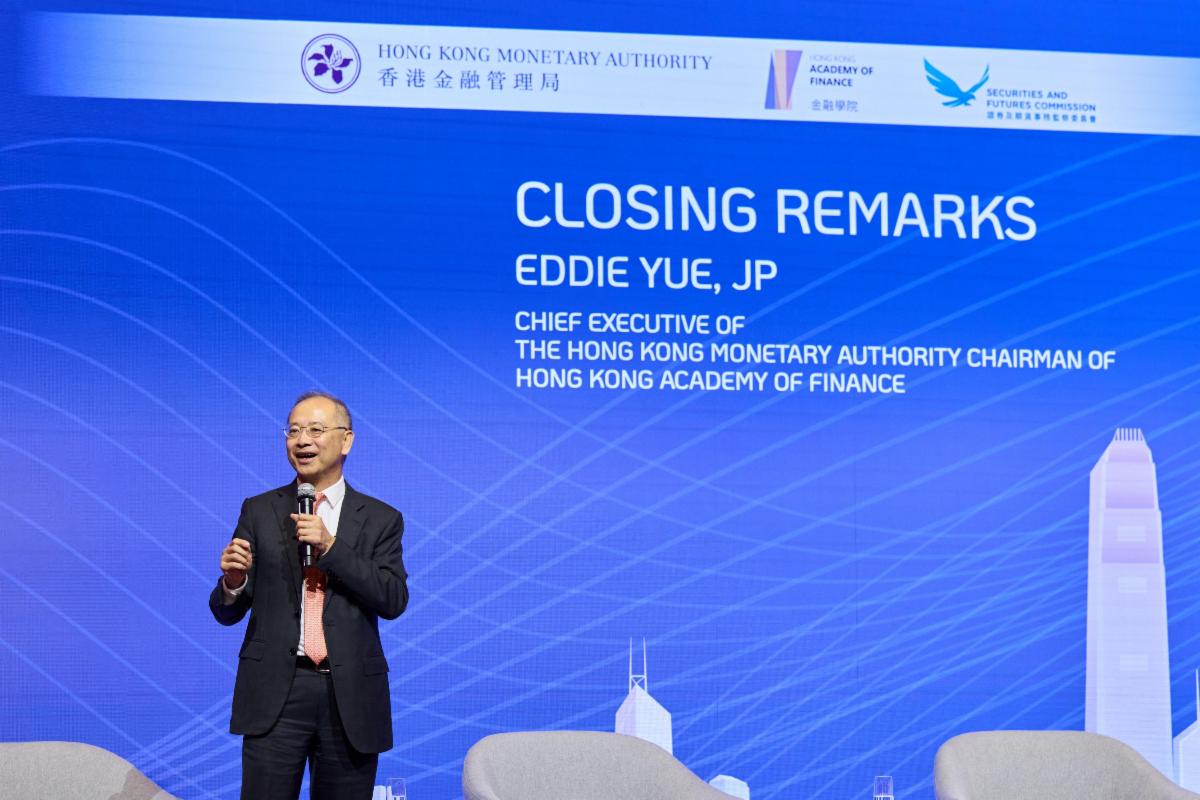
| Third quarter economy grows 5.2% | Hong Kong’s economy expanded robustly in the third quarter of 2026, underpinned by accelerating growth in exports and solid domestic demand. Advance estimates, released on November 3, showed that real GDP grew further by 5.2% in the third quarter over a year earlier, up from the revised 4.2% growth in the preceding quarter. For the first three quarters of 2026 combined, real GDP grew by 5.1% over a year earlier, the fastest growth for the corresponding period in five years. Looking ahead, Hong Kong’s economic outlook remains positive, with incoming data pointing to sustained growth momentum. Robust global artificial intelligence investment should continue to underpin Hong Kong’s merchandise exports. Exports of services should also benefit from sustained growth in inbound tourism, vibrant cross-boundary traffic and active financial market activities. Domestically, steady economic expansion, rising employment earnings and a positive business outlook should lend support to consumption and investment. | | Global financial leaders gather in Hong Kong to rethink the future of finance | The Global Financial Leaders’ Investment Summit 2026, organised by the Hong Kong Monetary Authority (HKMA), concluded successfully in Hong Kong on November 4, bringing together over 300 global and local financial leaders, including more than 100 chairpersons and chief executives of the world’s most leading financial institutions, for three days of discussions under the theme “Rethinking the Playbook”. Discussions explored macroeconomic trends, financial market developments, emerging investment opportunities and risks, asset and wealth management, alternative investments, Asia’s growth, and AI-driven portfolio management and risk assessment. Addressing the summit, Chief Executive John Lee said Hong Kong is rethinking its playbook as the city creates strategic blueprints for its development while maintaining the value propositions under the “one country, two systems” principle, adding that Hong Kong delivers the certainty, clarity and confidence investors are seeking amid a rewritten global financial playbook. Financial Secretary Paul Chan highlighted AI as the key driver of future growth, and outlined Hong Kong’s “Finance+” strategy to connect capital, innovation and talent, support technology enterprises, strengthen global investment links and expand into new asset classes, including gold and commodities. HKMA Chief Executive Eddie Yue said the Summit was increasingly important for international dialogue and reinforced Hong Kong’s role as a leading innovative, connected and resilient international financial centre. | |
| |
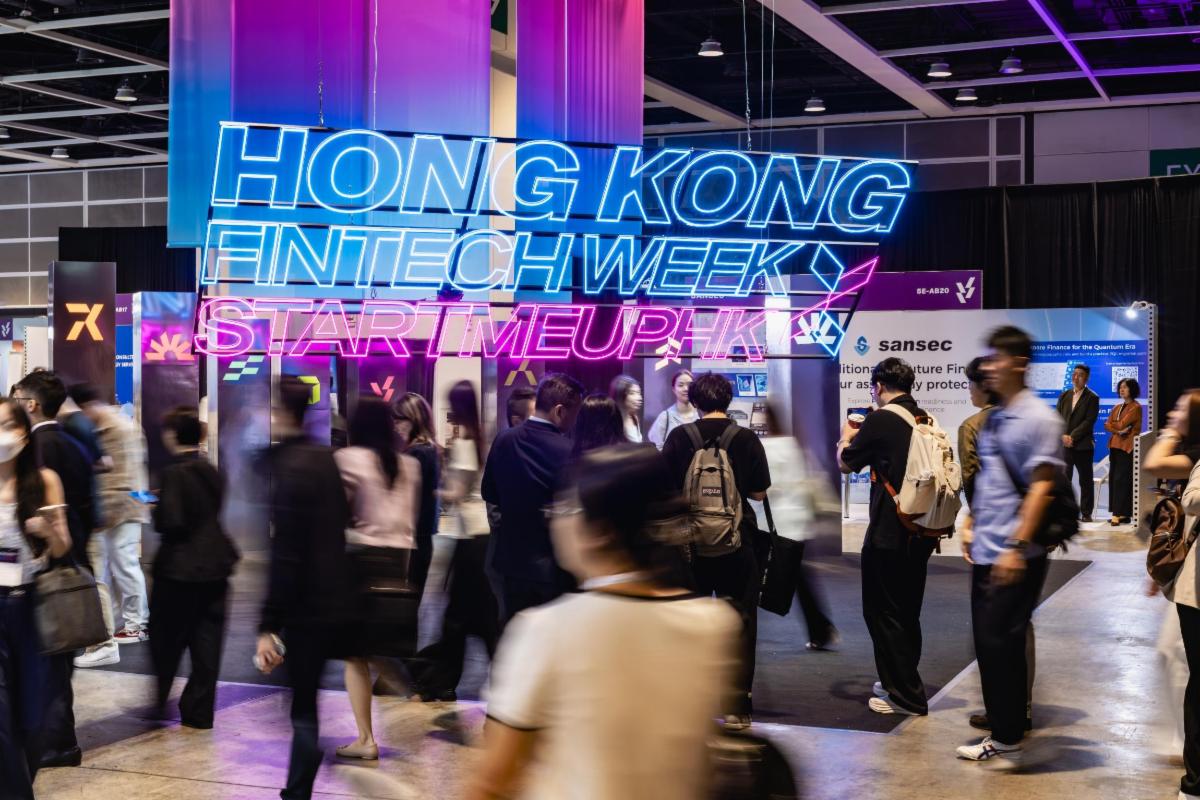
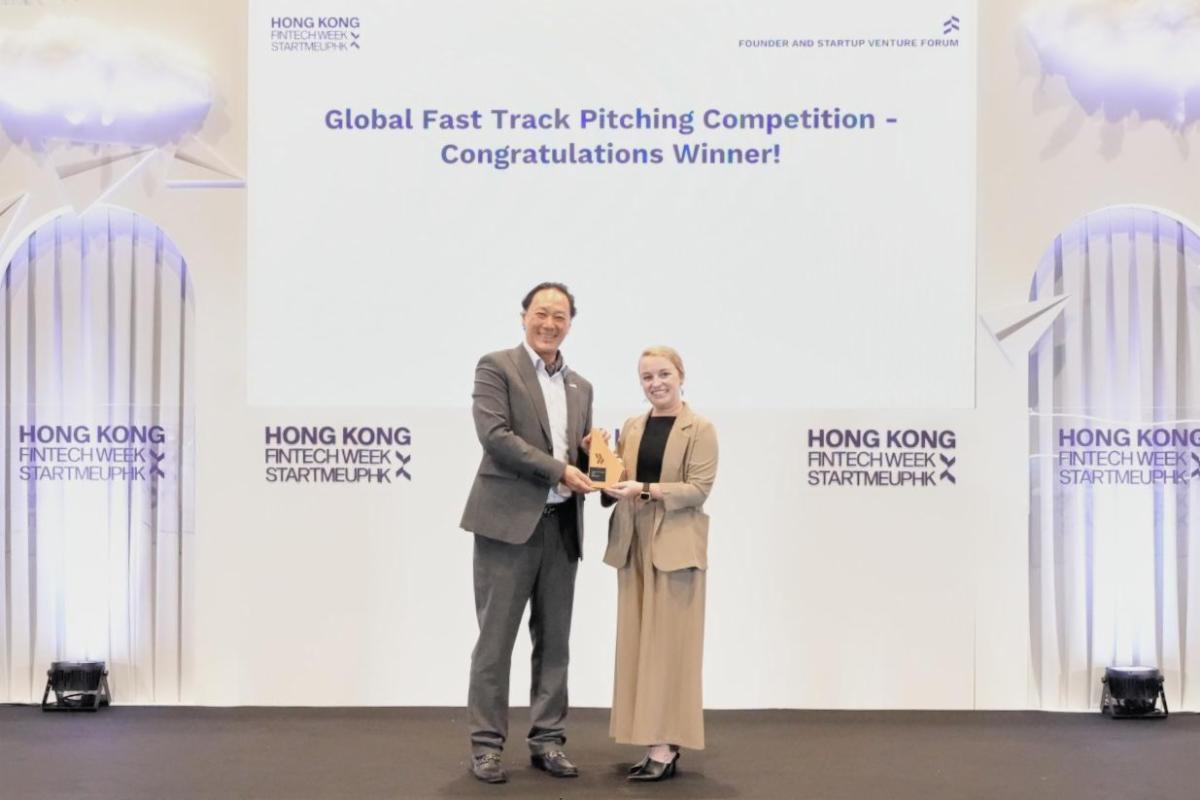
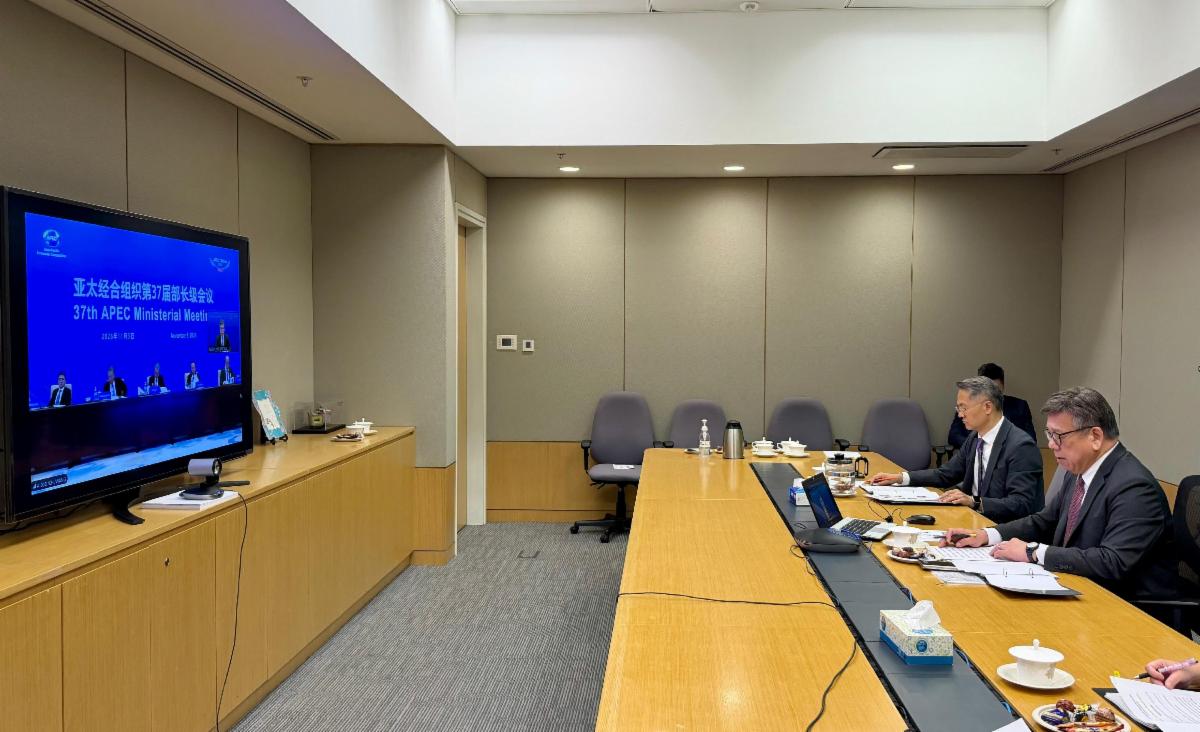
| FinTech Week showcases Hong Kong’s global innovation and technology hub | Hong Kong FinTech Week x StartmeupHK 2026 concluded on November 6, capping a week of discussions, business exchanges, startup showcases and ecosystem activities that attracted more than 48,000 visitors from over 120 economies. The event featured over 1,100 speakers and 800 exhibitors, and welcomed more than 30 international delegations, bringing together policymakers, entrepreneurs, investors and innovators. Discussions focused on how financial and technological innovation, such as AI, are reshaping industries, business models and global markets. A key highlight was the finale of Global Fast Track 2026, connecting startups and scale-ups with corporate leaders, investors and potential business partners. Opening the event, Chief Executive John Lee highlighted the Hong Kong’s inaugural Five-Year Plan, aligned with the National 15th Five-Year Plan, and its vision of positioning the city as a multi-hub powerhouse and driving regional synergy with Shenzhen and the wider Greater Bay Area with the Northern Metropolis serving as a new “South-North dual engine”, to unlock opportunities. Financial Secretary Paul Chan highlighted Hong Kong’s fintech priorities including connected payment systems and tokenisation, financial inclusion and robust regulation and governance of stablecoins and AI agents. He urged the industry to bring practical applications to everyday business, supported by reliable infrastructure, clear regulatory frameworks and greater cross-border connectivity. | | Hong Kong calls for stronger APEC cooperation and connectivity | Secretary for Commerce & Economic Development Algernon Yau joined the video conference of the 37th Asia-Pacific Economic Cooperation (APEC) ministerial meeting, themed “Building an Asia-Pacific Community to Prosper Together” on November 4. Mr Yau called for enhanced dialogue and co-operation among members economies to achieve shared prosperity amid rapidly evolving global landscape and technological advancements. Citing digital transformation, he said practical co-operation is essential for member economies to harness digital technologies strengths in a people-centred and inclusive manner. Hong Kong is also strengthening its research capacity in frontier technologies and promoting public awareness and responsible AI use. He also urged stronger regional connectivity to enable the efficient flow of goods, services, capital and people, while narrowing development gaps. Mr Yau pointed out that enhancing economic integration remains a core objective of APEC, with the advancement of the Free Trade Area of the Asia-Pacific and Hong Kong’s bid to join the Regional Comprehensive Economic Partnership. He also called for trade digitalisation, stronger multilateral cooperation and continued support for World Trade Organisation reforms to sustain an open, rules-based trading system. | |
| |
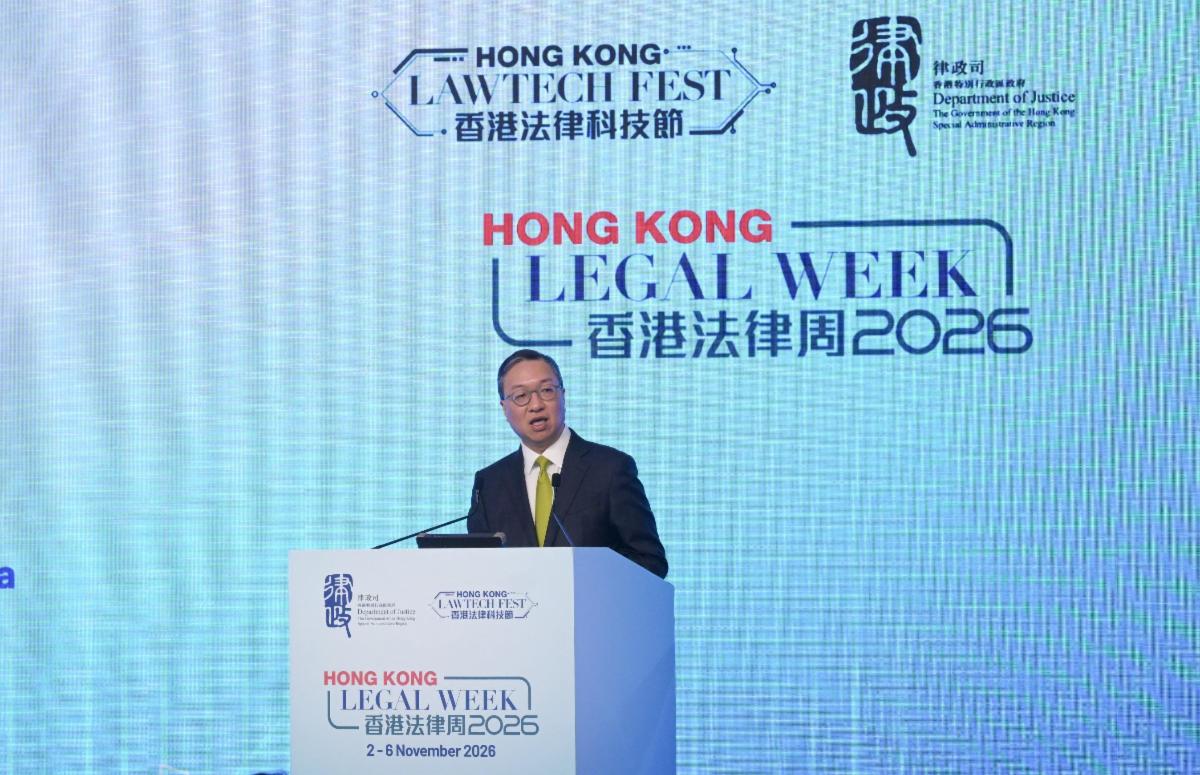
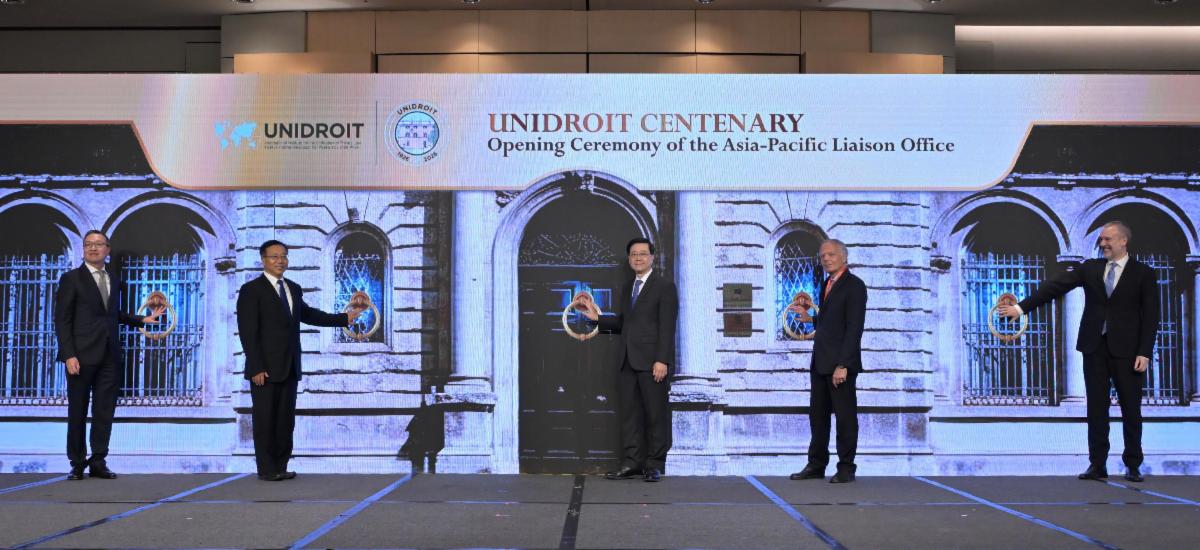
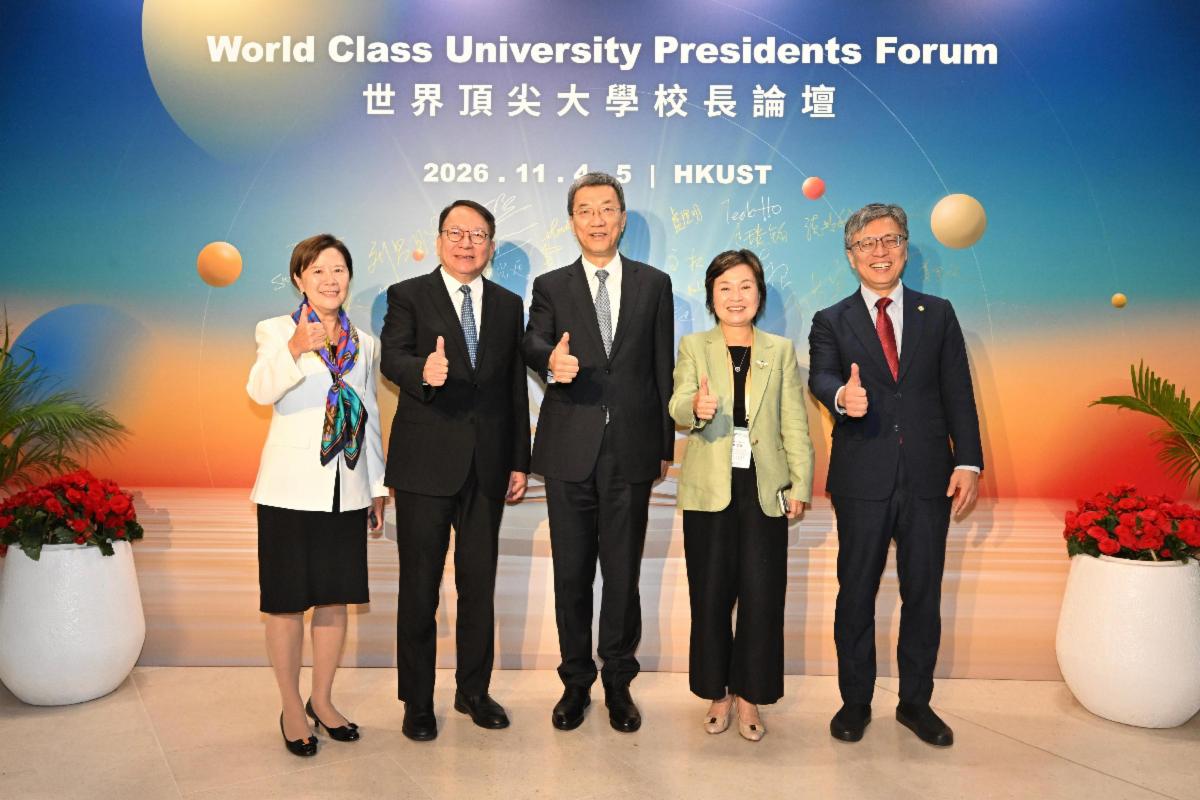
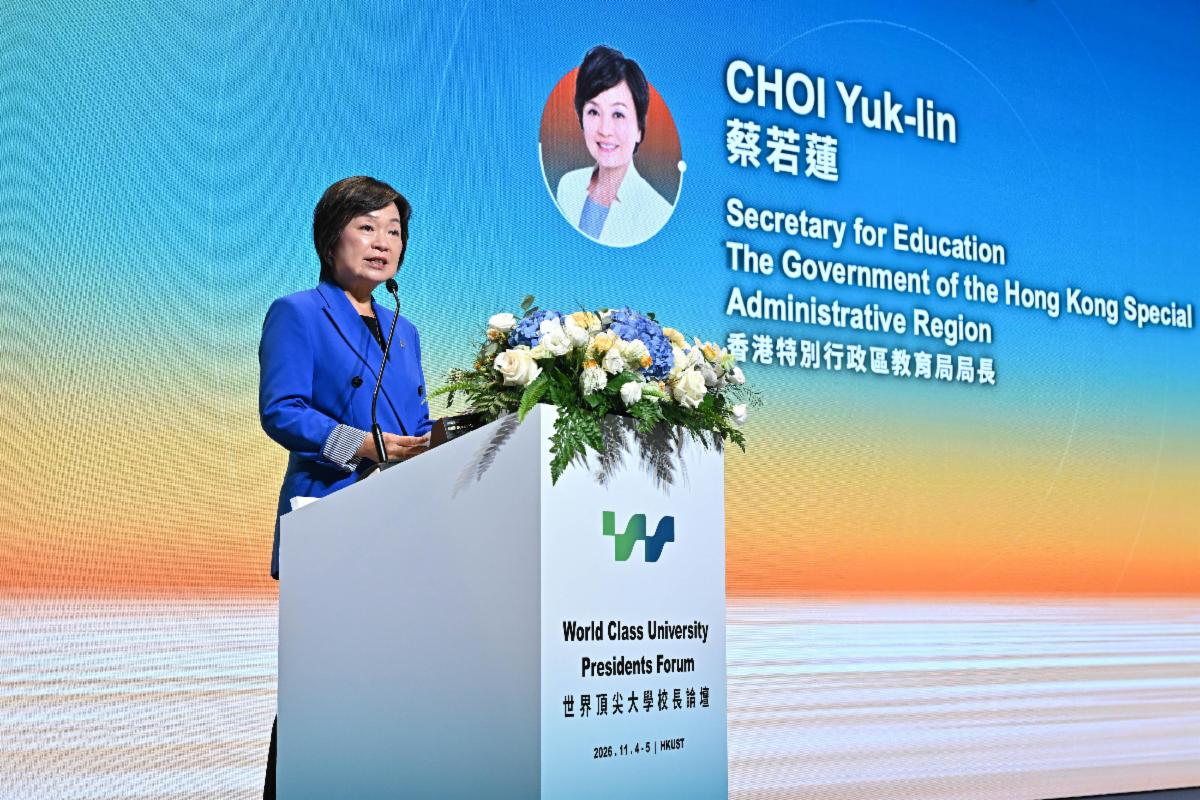
| Hong Kong strengthens international legal hub status with UNIDROIT Office opening | Hong Kong Legal Week 2026, the flagship annual event of the Department of Justice (DoJ), concluded on November 6, attracting more than 6,000 registrants from over 50 jurisdictions. Themed “Collaboration & Innovation: Legal Synergy for a Shared Future”, the event reaffirmed Hong Kong’s role as an international legal hub. Key events included the Fourth Legal Forum on Interconnectivity and Development, which examined Hong Kong’s role in dispute resolution and foreign-related rule of law, and the Second Greater Bay Area (GBA) Lawyers Forum, which explored cross-border dispute resolution, legal talent integration and LawTech and green finance. Secretary for Justice Paul Lam outlined initiatives to strengthen Hong Kong’s position as an international legal and dispute resolution hub, building on its unique common law system, independent judiciary and professional expertise. These include setting up the Hong Kong International Commercial Court, and enhancing mediation and arbitration frameworks and building international legal facilities. Chief Executive John Lee officiated the opening of the Asia-Pacific Liaison Office of the International Institute for the Unification of Private Law (UNIDROIT), its first outside Rome, describing it as a symbol of Hong Kong’s international legal standing. The DoJ also launched a LawTech funding programme to support technology adoption and innovation in the legal sector. | | University Presidents Forum highlights Hong Kong’s vision as international talent hub | Global education leaders, including university presidents and renowned scholars from more than one-third of the world’s top 50 universities, gathered in Hong Kong for the World Class University Presidents Forum 2026 on November 4-5. Discussions focused on talent cultivation in the intelligent age, technology and innovation driving the future economy, and universities’ response to major global challenges, reinforcing Hong Kong’s position as a global higher education hub. At the opening ceremony, Acting Chief Executive Chan Kwok-ki highlighted the city’s key academic achievements, adding that this reflects the results of sustained government investment, clear policy direction and the city’s commitment to excellence, openness, academic freedom and institutional autonomy. Secretary for Education Dr Choi Yuk-lin reaffirmed the city’s aim to strengthen its global standing, with its educational future taking shape through the development of the Northern Metropolis University Town, guided by the “One town, Five elements” framework, integrating higher education, advanced research, market innovation, vibrant living spaces, and top-tier talent to build a holistic campus ecosystem. | |
| |
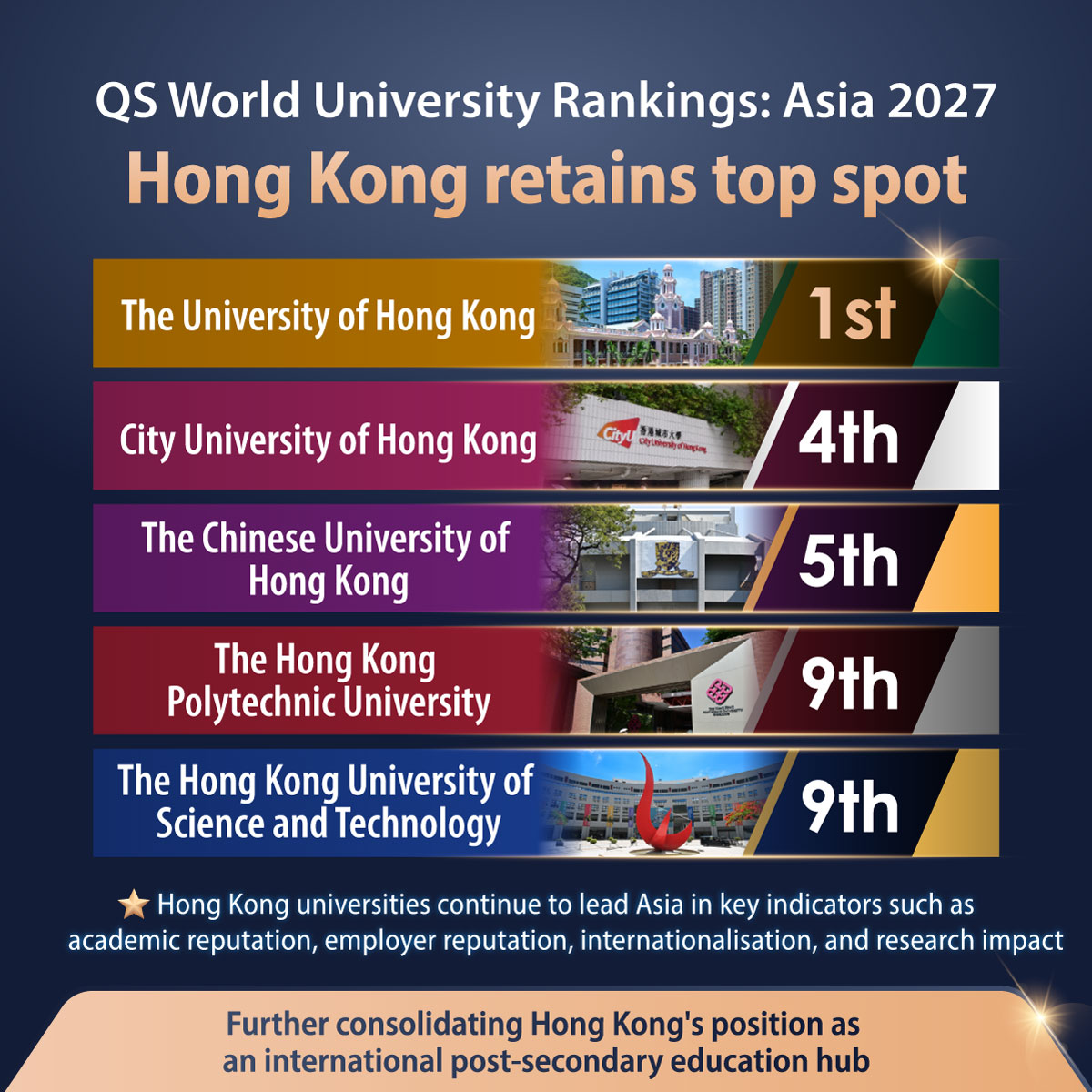
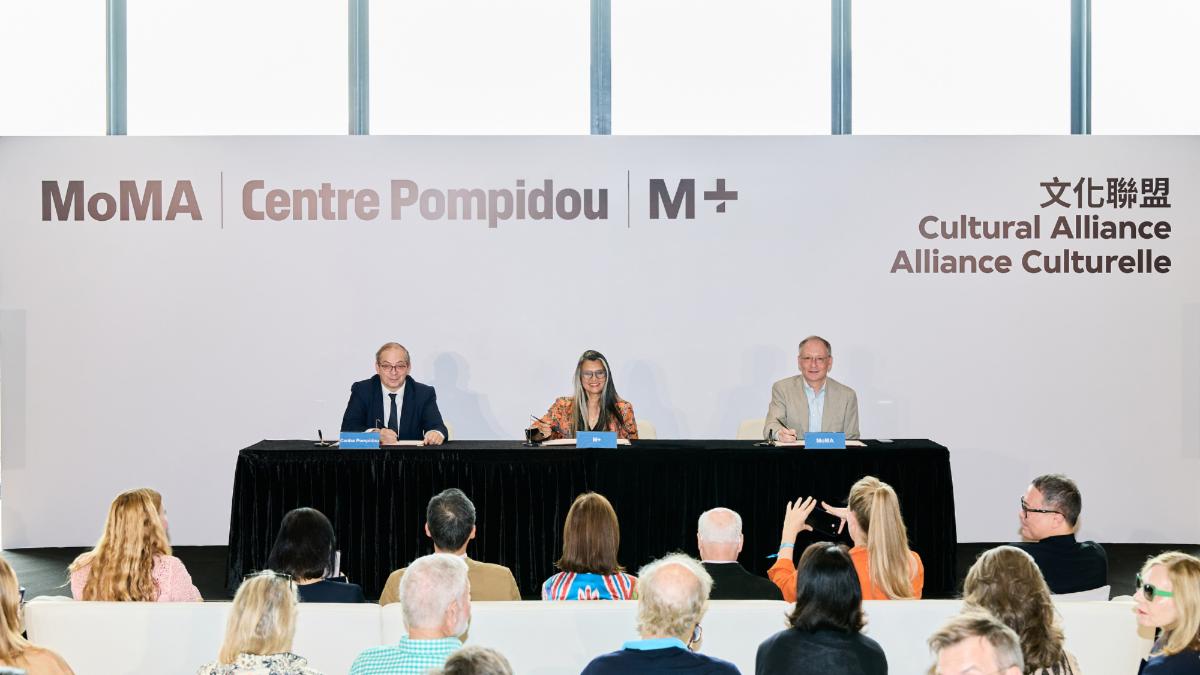
| Five Hong Kong universities in Asia’s top 10 | Hong Kong’s higher education institutions have delivered a stellar performance in the “World University Rankings: Asia 2027” released by Quacquarelli Symonds on November 3, demonstrating outstanding international competitiveness and academic excellence. Five Hong Kong universities are among Asia’s top 10, with the University of Hong Kong retaining the top spot in Asia. Three Hong Kong universities featured in the top five: the University of Hong Kong ranked first, City University of Hong Kong ranked fourth, and the Chinese University of Hong Kong fifth. Eight local universities improved their rankings this year, with all 11 ranked Hong Kong institutions featuring among the top 500 in Asia. The HKSAR Government will continue to fully support local universities to reach new heights and further enhance the international leadership of Hong Kong's higher education through various policies and measures, including proactively taking forward the development of the Northern Metropolis University Town, continuously attracting top international research talent and students, and deepening cross-boundary and international academic collaborations. | | M+ forms cultural alliance with MoMA and Centre Pompidou | Hong Kong’s M+, the Museum of Modern Art (MoMA) in New York and the Centre Pompidou in Paris have formed a wide-ranging cultural alliance to co-organise exhibitions and programmes, share their collections with one another’s audiences and collaborate across research and conservation. This will also provide expanded opportunities for their combined 10 million annual in-person visitors and 125 million visitors online. While each institution will maintain its independence and identity, they will function together with greater capacities than are possible individually. The museum leaders signed a Framework Agreement at M+ on October 30. | |
| |
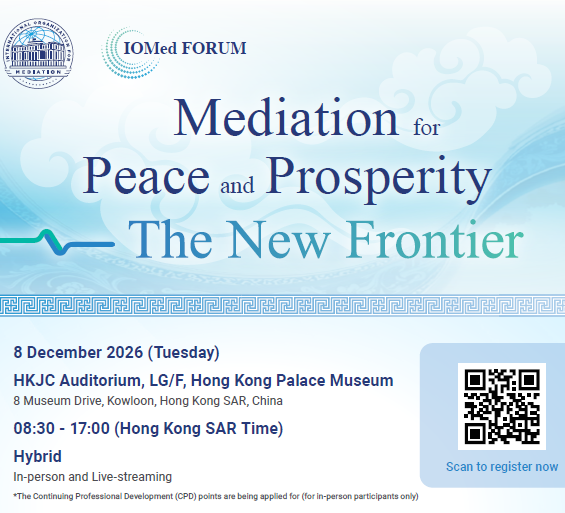
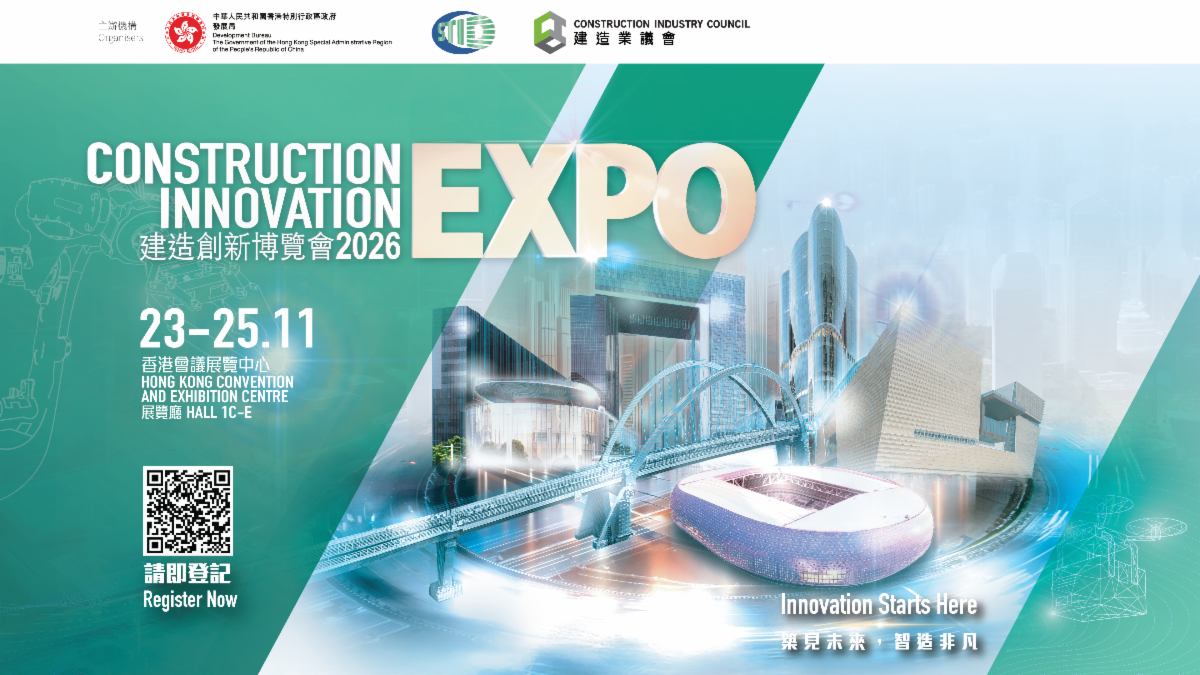
| Inaugural IOMed Forum to be held on December 8 | The International Organization for Mediation (IOMed) will host its inaugural IOMed Forum, themed “Mediation for Peace and Prosperity — The New Frontier”, on December 8 in Hong Kong. The Forum will bring together government officials, business leaders, mediators, legal professionals and scholars from around the world to explore the role of mediation in resolving State-to-State disputes, investor-State disputes and international commercial disputes and boost global mediation ecosystem development. The Forum will be held in hybrid mode, with live-streaming available for guests who are not able to join in person. More details can be found here. | | Construction Innovation Expo 2026 to be held Nov 23 - 25 | The three-day Construction Innovation Expo 2026 will be held from November 23 to 25 in Hong Kong, bringing together more than 190 exhibitors across 12 countries/regions. It will showcase cutting-edge technologies and solutions across four themed exhibition zones, offering visitors a comprehensive view of the latest developments shaping the future of the construction industry in four main areas: robotics, advanced machineries & materials; pioneering innovation; AI & smart construction; and safety & sustainability. Access to the exhibition, online conference and mainstage programme is free. | |
| ADMINISTRATION AND CIVIC AFFAIRS | | |
| Government rejects remarks on sentencing | The Hong Kong Special Administrative Region (HKSAR) Government issued statements rejecting foreign criticisms of the sentencing of Wong Chi-fung for “conspiracy to commit collusion with foreign countries or with external elements to endanger national security”. On November 5, the Government dismissed comments by the US Consulate General in Hong Kong. It described the sentence as well-reasoned, sound and necessary for deterrence. On November 6, it reiterated that the conviction was based on deliberate acts of collusion with foreign forces after the National Security Law (NSL) took effect, rather than on the defendant’s political beliefs or earlier activities. On November 7, it rejected a joint statement by 10 countries, including the US, accusing them of distorting facts and smearing Hong Kong’s judicial system. The HKSAR Government reiterated that Hong Kong upholds judicial independence, due process and national security legislation, stating that the laws protect Hong Kong’s stability, residents’ rights and economic development, adding that residents’ rights and freedoms are must be exercised within the law and cannot be used to endanger national security. | | |
The Basic Law (BL) is the constitutional document of the HKSAR. It provides the guarantees to maintain our existing way of life, including socio-economic development, the rights and duties of Hong Kong people, the rule of law and other areas. The Basic Law was put into effect on July 1, 1997.
Q: Who can become the Chief Executive of the HKSAR?
A: According to Article 44 of the Basic Law, the Chief Executive of the HKSAR shall be a Chinese citizen of not less than 40 years of age who is a permanent resident of the Region with no right of abode in any foreign country and has ordinarily resided in Hong Kong for a continuous period of not less than 20 years. (BL Article 44)
| | | | |