|
Winter 2026 Edition
- Scott’s Thoughts
- 2025 — Snips & Pics
- A Snake Success Story, by Amanda Porter
- New Faces at Muskoka Conservancy
- Be Part of Something Wild: Volunteer Enrollment Coming Soon
- Mark Your Calendars 2026
- Muskoka Conservancy supporters are stars! (And not just Martin Short)
- More Ways You Can Help
| |
Scott's Thoughts
There’s high demand for nature conservation. It’s time to rally.
Muskoka Conservancy is experiencing the most rapid growth in our 39-year existence, and we have an enormous opportunity ahead of us. From 2020 to 2025, your local land trust has more than doubled the acreage of lands we protect, including securing our three largest-ever nature reserves. On top of that, we have a dozen inspiring land conservation projects teed up, with more opportunities arising every day. The phone is ringing off the hook.
Awesome, right? So what will it take to keep the nature boom booming?
Fun fact: the Conservancy achieved this historic growth without any increase in staff. Ten years ago, MC had 30 protected areas and three employees. In 2025, we still had three employees, but now steward over 60 protected areas. For several long stretches over that decade, there were just two of us. That says a lot about the team, especially the incredible volunteer force behind our mission. I am immensely proud of everyone who contributed to our success story, it’s been a great run.
We know everyone loves a scrappy little outfit that punches above its weight, but it’s time for Muskoka Conservancy and its supporters to face some facts. First, for each of our 62 protected areas we have made a public promise to protect that land forever—that is our greatest responsibility. People have put a lot of trust in us, so there should be no excuse for the organization to be stretched so thin that we put our stability at risk.
Second, Muskoka is under pressure. Look south and you’ll see absolutely zero evidence that land development is going to magically stop at the Severn River. The prime lots are taken, so developers are looking to marginal lands where ecosystems are often more sensitive. Finally, there is huge demand for land trusts to do more. People see the pressure building and want Muskoka protected forever. Not to mention there’s compelling tax benefits as the greatest wealth transfer of all time is underway. Now is the greatest opportunity in our lifetimes to conserve nature. We must act now.
To fulfill our promises and seize this opportunity, it is time for Muskoka Conservancy to grow. We need to boost our capacity. To do that, we need to grow our community of support. We need you.
Our dedicated supporters are nature lovers who embrace our mission to protect Muskoka forever. You’ve been backing us for a long time, and we can’t thank you enough! Now we need more people just like you. We need to grow the base, starting now. We need our key people to make the ripple that becomes a wave.
Yes, we are asking you to please boost your support as much as you are able. But even more importantly we are asking you to share our story with your network of family, friends and colleagues. When flooding and forest fires are in the news, that’s a great opportunity to talk about nature-based solutions that are happening right here in our own backyards. Solutions you can hike on. That can be a rallying point to support the nature conservancy of Muskoka. That’s a message that resonates, your friends will get it, and a ripple becomes a wave.
~Scott Young is Executive Director of Muskoka Conservancy.
Reach him at syoung@muskokaconservancy.org
| |
| What did Muskoka Conservancy get up to last year? | |
- 4 new protected areas
- 1,428 new acres protected
| |
|
- 9 new species-at-risk records
- 50+ ticks encountered
| |
|
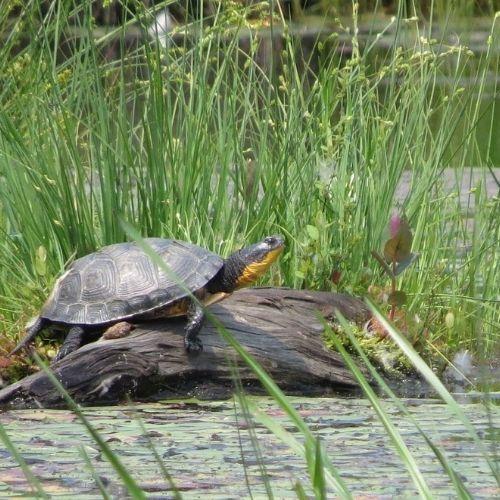
- 9 turtles helped across the road
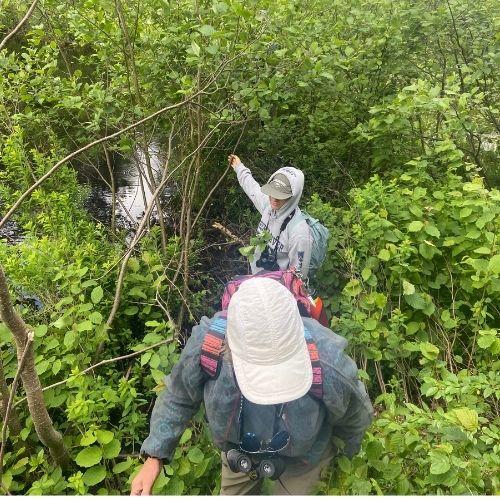
- 20+ beaver dams crossed
| |
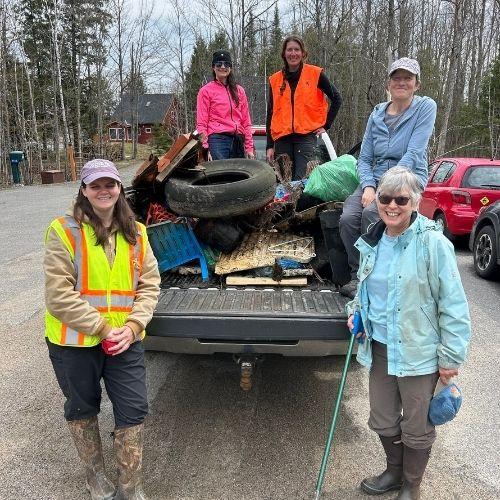
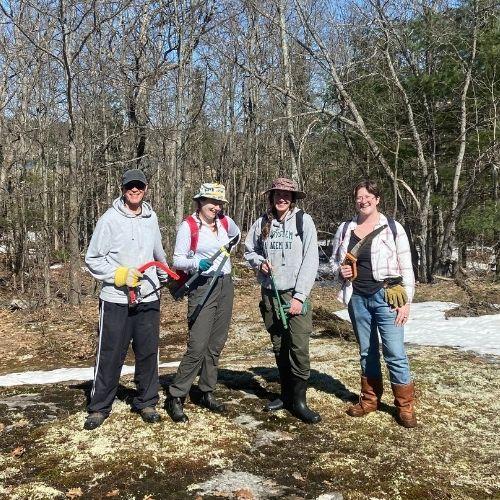
| | | - 150+ volunteer participants
| |
| To our supporters, volunteers, donors... Thank you! | |
| Here's to more of Muskoka protected forever in 2026! | |
| A Snake Success Story, by Amanda Porter | | On a spring visit to the newly protected Severn Southwood Nature Reserve, staff and volunteers made an extraordinary discovery: a communal gestation site for threatened Eastern massasaugas. By summer’s end, three gravid females had given birth to 15 neonates—powerful proof of conservation in action. | | |
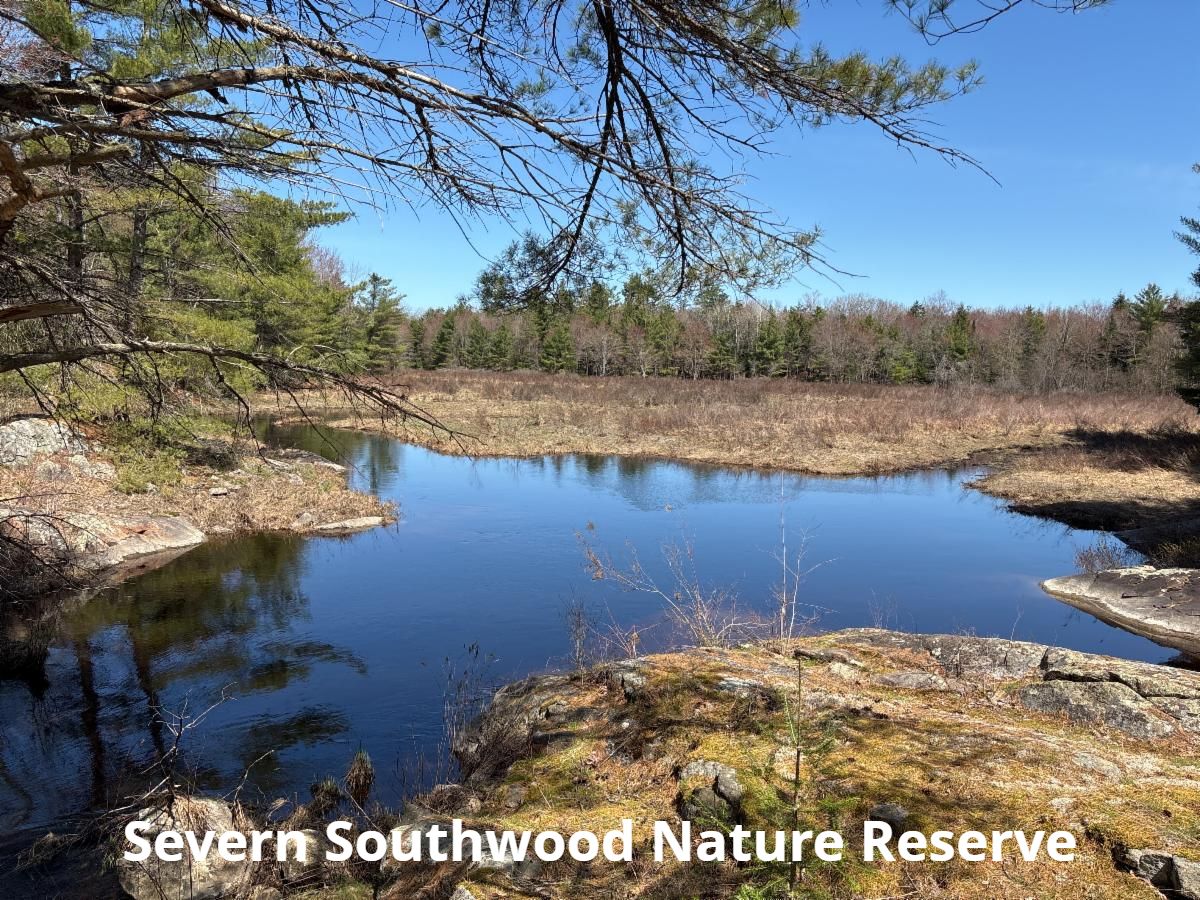
In May 2025, I headed out with conservation summer staff Taylor and Cameron, and volunteer Land Stewards Ken and Allison, for our first visit to the newly protected Severn Southwood Nature Reserve—a 390-acre property of upland forest and wetlands.
As usual, we began with a health and safety review, noting the slim—but possible—chance of encountering an Eastern massasauga, Ontario’s only venomous snake and one of Muskoka’s most threatened reptile species. Although the Nature Reserve lies within their range, the habitat is largely closed-canopy forest with limited open areas. These sunny openings are essential for massasaugas, allowing the cold-blooded snakes to thermoregulate and warm themselves.
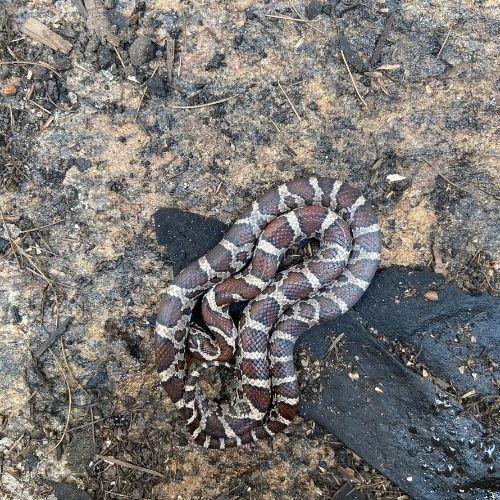
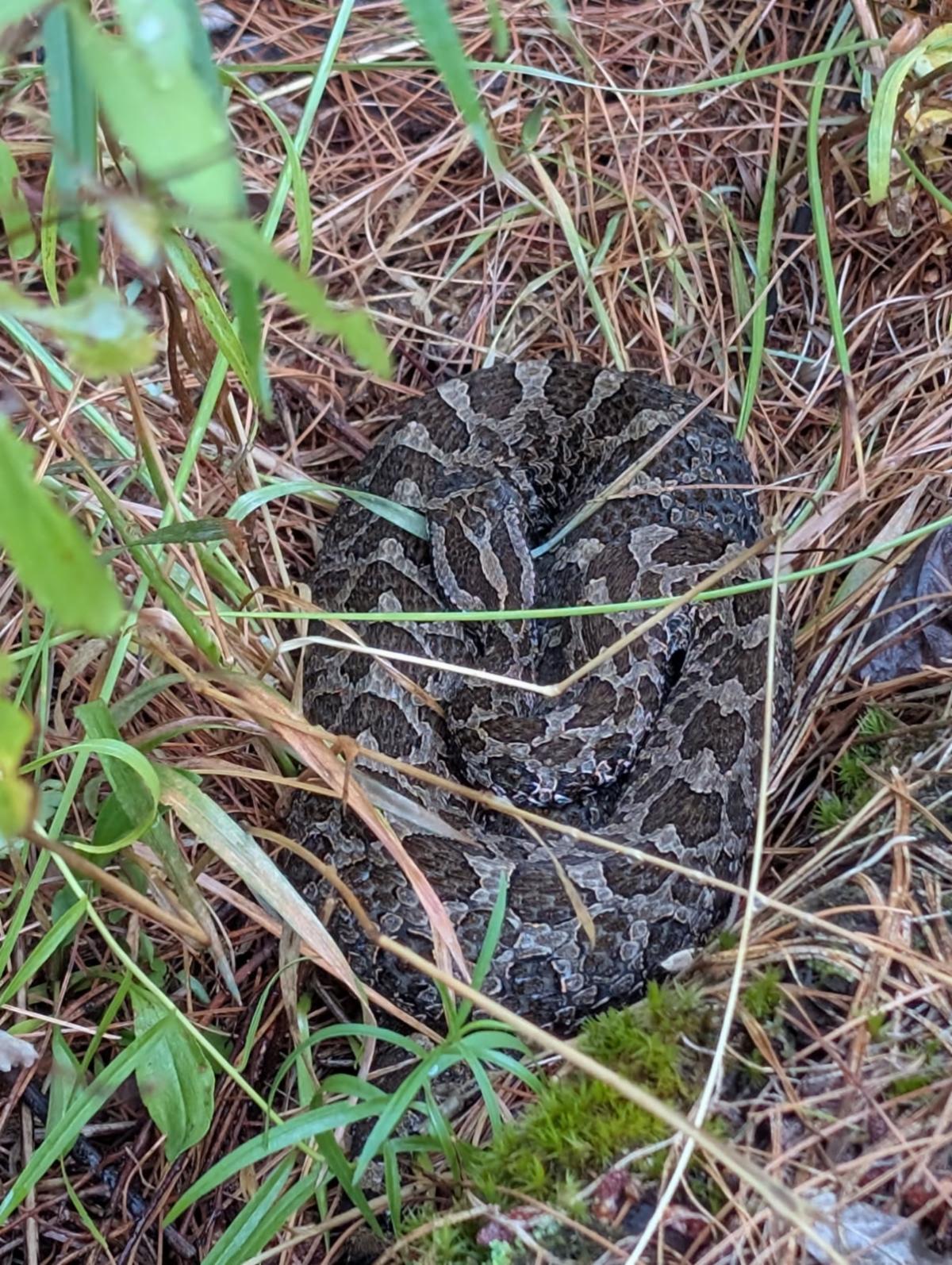
Eastern massasaugas are easily identified by their stout grey-brown bodies with dark saddle-shaped blotches, vertical viper pupils, and the rattle at the tip of the tail. Despite their reputation, they are docile and elusive. When approached, they typically remain still but alert, rattling or retreating if disturbed, and biting only as a last resort.
| |
| | |
We spent the morning exploring, documenting plants and noting old hunting materials slated for removal, before arriving at our final stop: a long-abandoned log house in an open rocky clearing, surrounded by debris—from lawn chairs and piping to a rusted Volkswagen Beetle.
Cameron and Allison walked through the grassy clearing first. I followed, with Taylor just 0behind me. As Taylor stepped forward, we heard the unmistakable buzz of a rattle. I turned to see a beautiful adult Eastern massasauga curled in the grass just a few feet behind him, calmly watching us after all four of us had passed by. We stepped back to regroup, ensured everyone knew the snake’s location, snapped a few photos, and continued on—thrilled to know this habitat was now protected in perpetuity.
| |
| |
Given the mid-May timing, the snake was likely near a hibernation site, lingering until temperatures rose. We wondered whether the area might also serve as a gestation site for females. Only continued monitoring would tell.
I returned in mid-June with TAG Team volunteers Leah, Delia, Hollee, and Lucas to inventory plants and animals and survey habitat for species at risk, including the Eastern massasauga. After a full day in the heat—and already documenting five additional species at risk—we reached the old log house again. We were doubtful but hopeful we might encounter another massasauga.
Just as we were leaving, the air filled with a loud, familiar rattle—louder than any of us had heard before. We spotted movement in the grass and watched, in awe, as not one, not two, but three magnificent massasaugas slipped into taller shrubs. Excitement buzzed through the group. The timing and number of individuals strongly suggested a communal gestation site.
| |
| | |
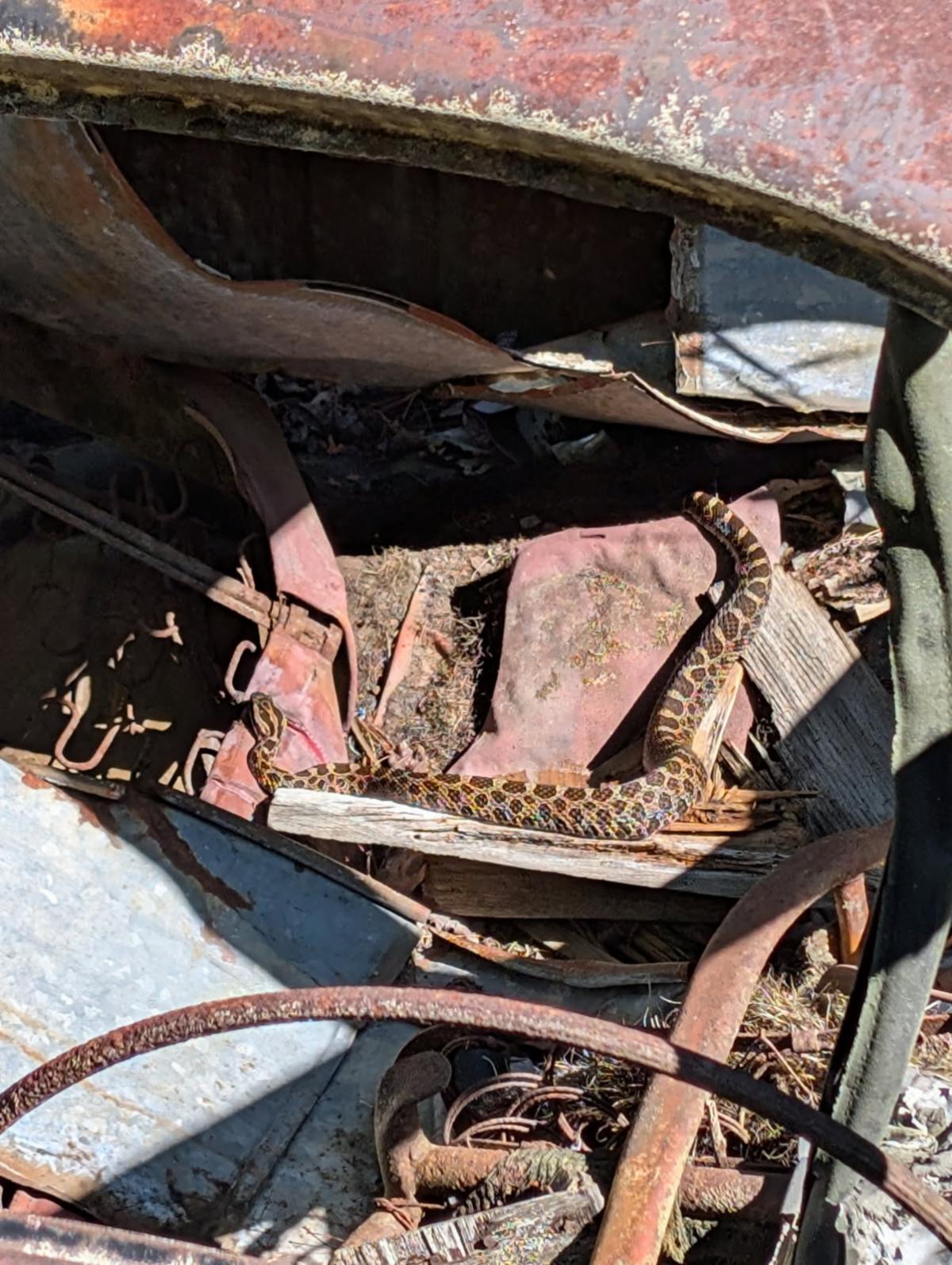
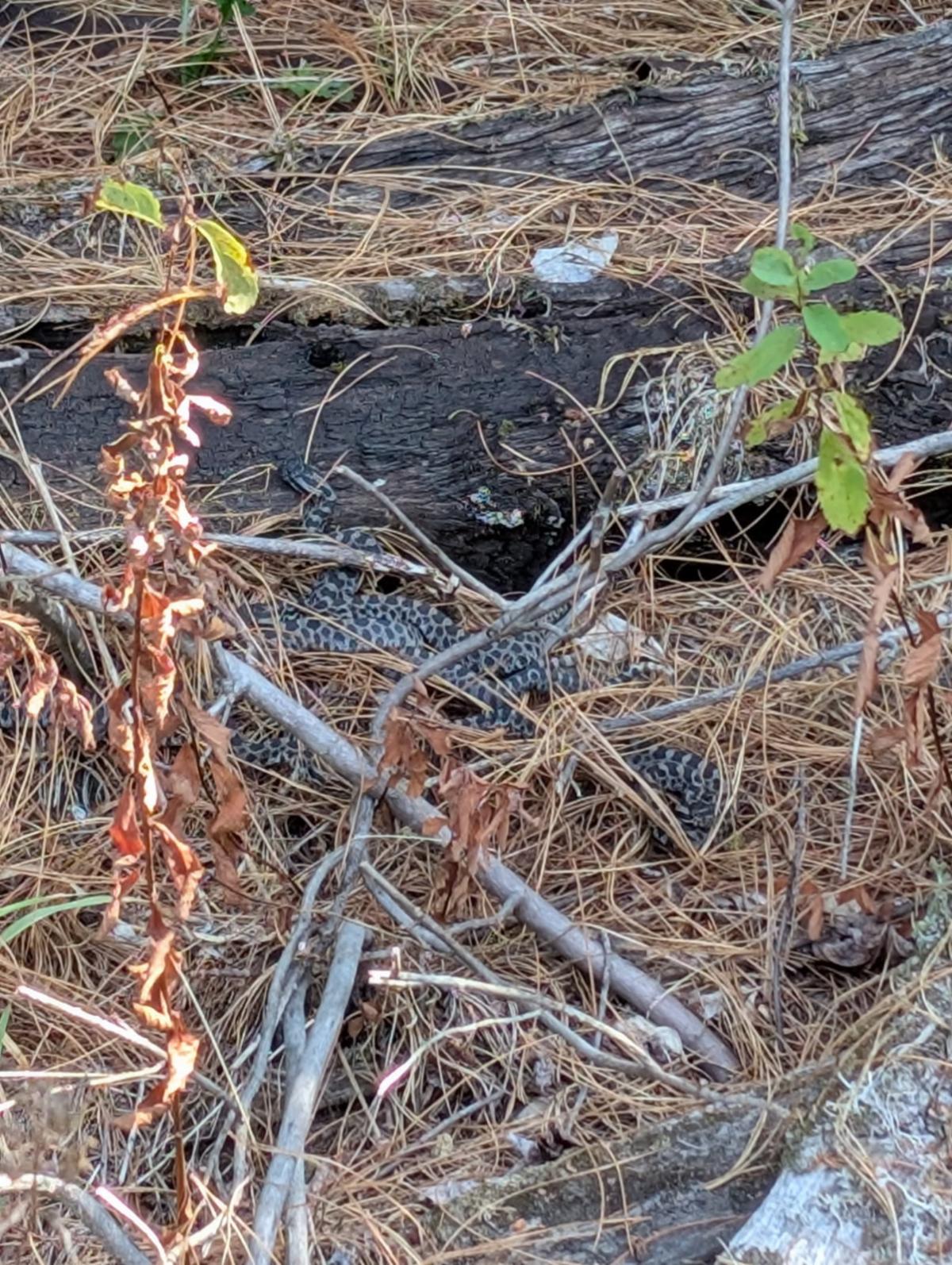
Leah, who has a special interest in herpetofauna and worked nearby, offered to monitor the site regularly. She connected with local herpetologists, and within months it was confirmed: three gravid (pregnant) females were gestating there. They were frequently observed basking on wood piles and even inside the rusted Volkswagen.
In early August, the big day arrived. Two females had given birth, and soon after, the third clutch appeared—an estimated 15 neonates in total. Neonates remain near their mother’s gestation site only briefly, dispersing after their first shed. The next evening, Lucas and I hurried out to document them before they disappeared into the landscape.
We carefully searched the first site, staring at a log pile until our eyes finally focused on a perfectly camouflaged neonate. Tears welled up. It appeared to have recently shed and would soon disperse. At the second site, we found five siblings curled together, several with cloudy blue eyes—a sign they would shed within days.
| |
| |
There is something extraordinary about stepping onto newly protected land and encountering such an elusive, misunderstood species—let alone witnessing the arrival of new life into a threatened population.
Eastern massasaugas face ongoing threats from habitat loss and fragmentation, road mortality, and persecution. Through Muskoka Conservancy’s conservation efforts, this gestation site is now protected forever. Stories like this remind us why our work matters: protecting Muskoka’s landscapes and the wildlife that call them home. It is an honour to witness these conservation successes—and even more meaningful to share them with our community.
| |
| | Muskoka Conservancy is Growing | | Have you heard? Muskoka Conservancy is expanding! In addition to adding four more protected areas in 2025, our staff has grown too! Joining Executive Director Scott Young and Conservation Manager Amanda Porter are three more staff: | | |
Tamsen Tillson, Communications, Marketing and Fundraising Coordinator (PT) came aboard in November.
A longtime Muskoka resident and perennial volunteer (you may know her from Climate Action Muskoka), Tamsen has a master’s degree and has spent most of her career in journalism, marketing and communications. She loves to snowshoe and canoe camp and is thrilled to marry her skills and passion for protecting nature at Muskoka Conservancy.
Contact Tamsen at comms@muskokaconservancy.org
| | |
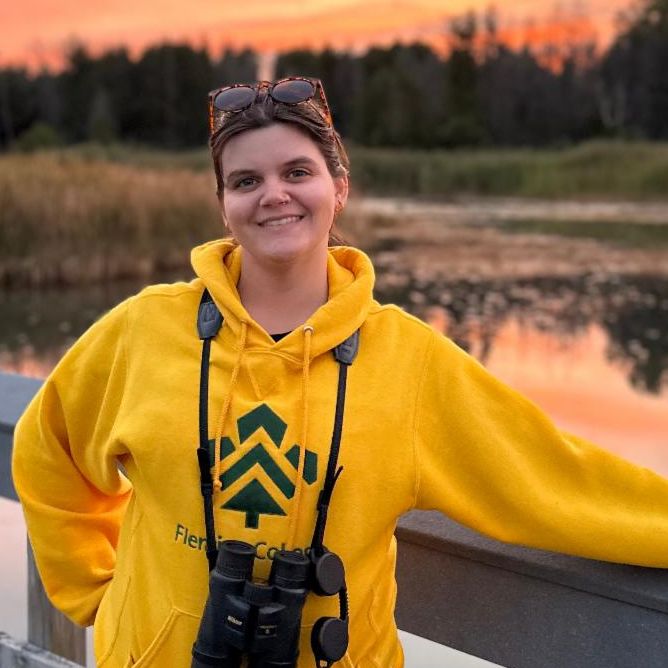
Reegan Sargent joined the team as Conservation Technician (PT) in December.
A graduate of Fleming College’s Ecosystem Management program, summers spent up north sparked Reegan’s passion for protecting natural spaces and the wildlife that call them home.
She has held various positions in animal care and species-at-risk and is excited to put her knowledge and experience to work for Muskoka Conservancy.
Contact Reegan at technician@muskokaconservancy.org
| | |
Derek Berkhout was welcomed as Director of Operations on contract in January.
Derek brings a strong background in banking, along with years of experience leading teams, strengthening operations, and turning strategic plans into real results. He’s also an avid outdoor enthusiast who enjoys backcountry paddling, hiking, traveling, cross-country and alpine skiing. He’s thrilled to join MC and is excited to put his skills to work in support of our mission.
Contact Derek at ops@muskokaconservancy.org
| | Be Part of Something Wild | |
Volunteer Enrollment Coming Soon
Volunteers are at the heart of Muskoka Conservancy. Every year, about 100 volunteers step up to play a hands-on role in protecting the special places we all care about.
Our annual volunteer enrollment is coming up in March!
Please note that even if you are an existing volunteer, you still have to register for the 2026 season.
Keep Reading...
| | | |
Earth Week — April 19 - 25
Earth Day — April 22
Volunteer Appreciation Event — April 25
Native Plant Sale: Order form goes live — March 12
Native Plant Sale: Plant pick-up — May 9
Photo Contest — May (exact dates TBC)
Muskoka Conservancy Bursary: Applications Due — June 1
AGM — June 5
| |
| | Muskoka Conservancy Supporters are Stars!
(And not just Martin Short) | | Watch Marty's video in support of Muskoka Conservancy | | |
When we say all our supporters are stars, we truly mean it.
We’re proud to count beloved Canadian comedian Martin Short and renowned actor RH Thompson among the supporters of Muskoka Conservancy.
But there are so many others who aren’t necessarily household names; our donors, volunteers, members, partners, and champions are just as important in bringing to life our mission to protect natural spaces in Muskoka in perpetuity.
Keep Reading...
| | |
To the many enthusiastic supporters of Muskoka Conservancy: THANK YOU!
For those of you who are looking for ways to do more, we have a couple of suggestions to match your mood.
| |
Shout it from the Rooftops
We invite you to share an endorsement that we can include in our website or on our social media.
Get in touch with our comms guru Tamsen at comms@muskokaconservancy.org to discuss.
| |  |
Speak softly and carry a big stick
Know someone who, as part of their legacy or estate plan, may wish to sell or donate their ecologically significant parcel of land in Muskoka to the Conservancy to protect in perpetuity?
We encourage you to raise the issue with them and/or to provide an introduction.
Reach out to Executive Director Scott Young at syoung@muskokaconservancy.org
| | | | |