|
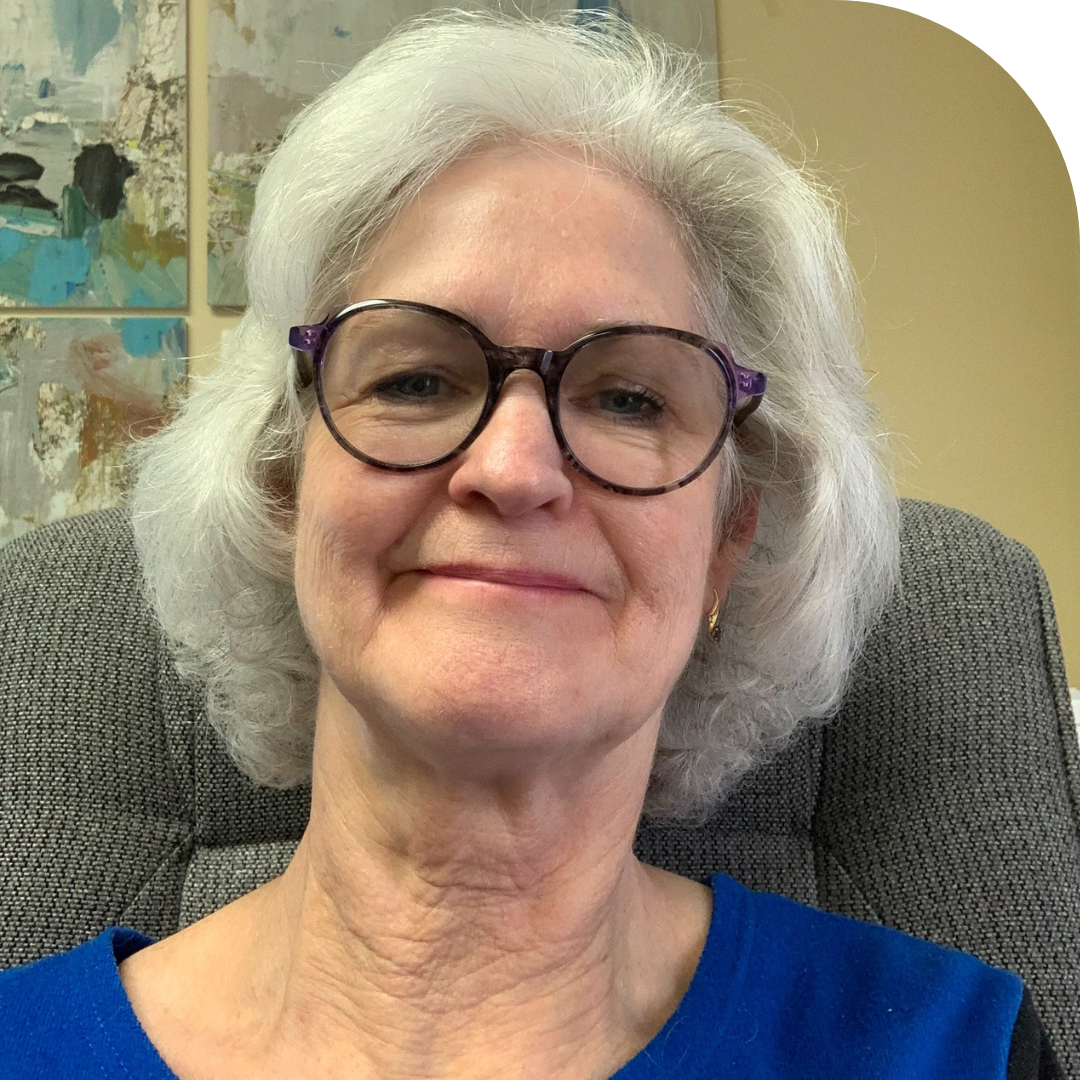
From the Desk of Vickie Smith |
 | |
Welcome to our Fall edition of For Better Times. We are dedicating this edition to all the survivors who work in the movement to end gender-based violence. They are legion and their dedication is immeasurable.
With the advent of the #METOO movement, more and more people have spoken up about experiences of violence and coercive control either during their childhood or as an adult. There is now the inevitable backlash witnessed by the civil trial brought by Johnny Depp against his former wife, Amber Heard. Here in Illinois we have seen this play out in a case where a woman posted on her social media about her rape experience and a judge issued an (inappropriate) order of protection against her for the person who raped her. These incidents serve to silence any victim who may be seeking help.
But the time has passed where victims need to be silent about the harm done to them. The backlash is fruitless and will pass as another attempt to maintain the status quo. The silence happens because the victim is always made to feel shame. No one should feel shame when harm is inflicted upon them. We all need to be more aware of what domestic violence really is so we can better assist those who need help. Everyone knows someone who has experienced abuse and we need to be alert to who in our circle of family and friends is living with domestic violence. Survivors are also very attuned to the need to create broader opportunities for the people choosing violence to be able to change.
The movement to end gender-based violence was started by survivors. The services and safety efforts are fueled by survivors. The development of methods to support behavior change in those who choose violence were created by survivors. Survivors are everywhere, and their lived experiences are the best knowledge with which to continue creating the means to end the violence in our families, our homes, and our communities. Please join us in raising the voices of all survivors toward our mission of creating networks to end and prevent abuse. You will make our movement stronger.
| |
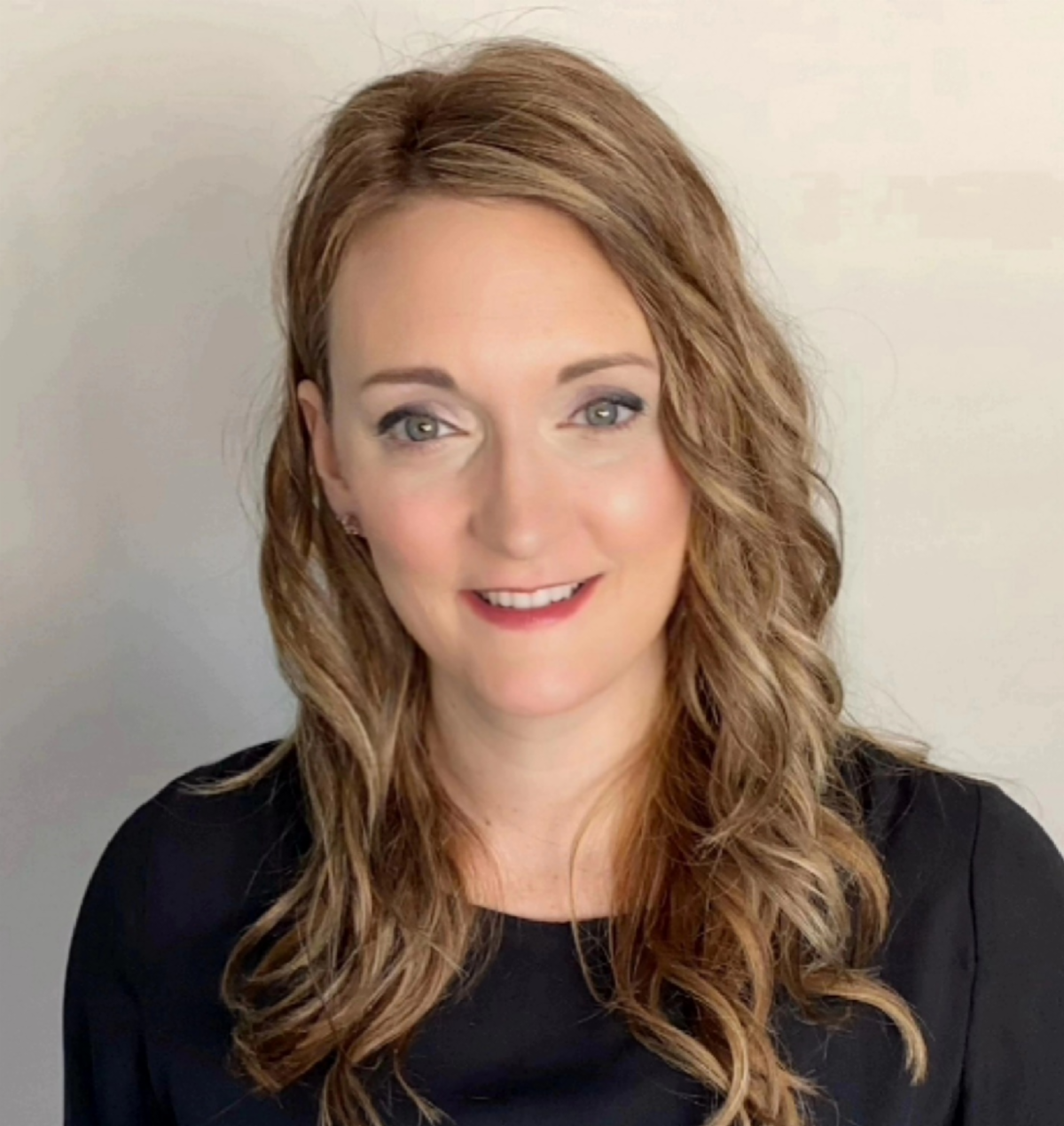
Vickie Smith
President and CEO
| |
Member Agency Spotlight
WINGS Program, Inc.
| |
Recent conversations amongst the ICADV Program Council membership have emphasized the importance of recruiting survivors into the movement in creative ways. Of course, we know survivors are already the foundation of our organizations. They are the advocates working directly with survivors in shelter. They are providing counseling services for children of other survivors. They are Program Directors, Executive Directors, and Board members. While it is important to recognize the role survivors already play as employees at our organizations, it is also important to find new ways to incorporate the voices of survivors into services when they do not choose to work in the field.
One organization that is setting the stage with an impactful program that promotes survivor leadership is WINGS Program, Inc. In March of 2021, the organization launched the Survivor Lifeline Mentoring Program, which has recently been awarded the National Purple Ribbon Award for Outstanding New Service Launch!
Emily Hinrichsen, the Director of Training for ICADV, met with April Flores-Brayton to discuss the program. April Flores-Brayton is the Director of Community Based and Suburban Safe House Services at WINGS. The Survivor Lifeline Mentoring Program matches mentors, who are survivors themselves, with mentees, who are survivors currently receiving services from WINGS or other community partner agencies. Survivors in mentorship roles have either previously received services from WINGS or are members of the community.
Elizabeth Santoyo is the Coordinator for Survivor Lifeline, and she tries to pair people with like situations. For example, a mentor and mentee may be paired because they have similar religious views/practices, live in a certain area, have children or do not have children, etc. Mentors typically only work with one mentee at a time, but they can have up to three depending on the circumstances. Pairs usually meet once a week for mentors to provide support and guidance from the perspective of someone who has potentially had similar experiences or gone through similar processes.
| |
To prepare mentors to have meaningful and genuinely helpful conversations with mentees, WINGS provides them with various trainings. First, mentors are required to complete the 40-hour domestic violence training that all advocates are required to complete. This ensures that mentors can have confidential conversations with mentees, but it also provides WINGS with information on if an individual is ready to serve as a mentor due to the in-depth nature of the content included in the training. Mentors are also trained on the basics of mentoring, such as how to ask open-ended questions, the importance of confidentiality, what it means to be a mentor, and relevant WINGS policies and procedures.
In addition to the 40-hour training and basics in mentoring, mentors are provided with quarterly trainings on various topics. These quarterly trainings may cover new laws in the county or state that could affect the mentee, budgeting, financial planning, cultural humility, and more.
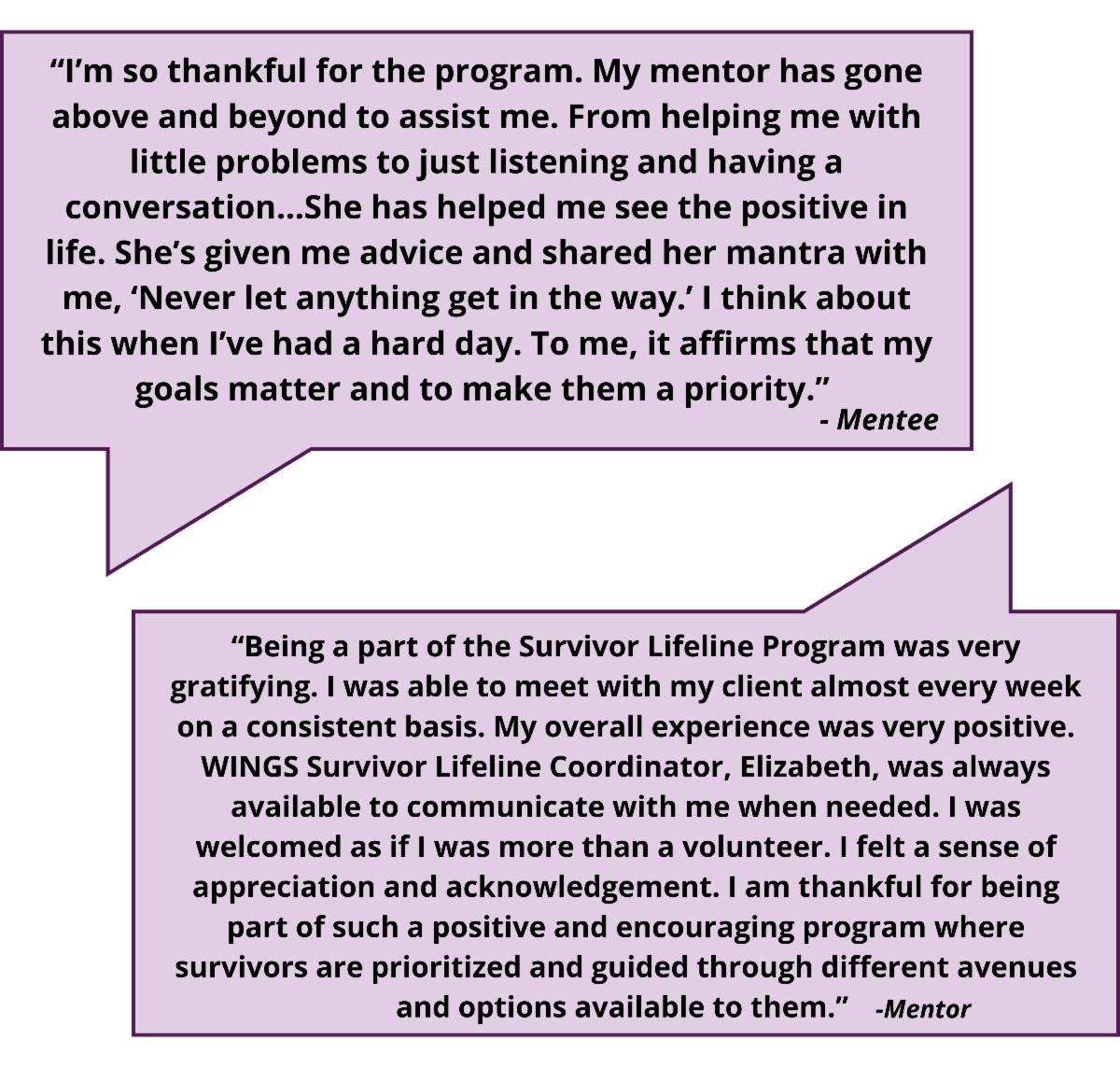
WINGS recently received a grant so they can provide a stipend to survivors for their mentorship, and the organization also reimburses mentors for travel. They are constantly improving the program and finding ways to support mentors so they can develop meaningful mentorship relationships with mentees. The program has very clearly been impactful for everyone involved, which can be seen through the following quotes from a mentor and mentee.
| | If you have questions about the WINGS Survivor Lifeline Mentoring Program, please reach out to April Flores-Brayton at AprilF@wingsprogram.com. | |
A Survivor Speaks
Maria's Story
| | | | Every survivor's story is different however, some tactics used by those who choose to cause harm can be found in story after story. Domestic violence is ultimately about power and control over another person. Maria shares her story to educate others, to help individuals who might be experiencing some of the same things in their relationship right now. Despite the coercive tactics used by her abuser (love bombing, isolation, name calling, and physical violence, to name a few), Maria's story is one of resilience, of hope, of caution, and of healing. | |
Board Member Spotlight
Shelly Torrez
| | |
Shelly Torrez was elected to the ICADV Board of Directors in June of 2021. She initiated contact after researching ICADV and the services we provide. Shelly brought with her experience as a human resources and training professional because she wants to make sure everyone is aware of the full complexities and dangers of domestic violence. She is committed to helping businesses understand the impact they can have if they make addressing domestic violence a priority for their employees and their communities.
Shelly highlighted the importance of VESSA – Victims Economic Security and Safety Act. This law allows any victim of domestic violence or sexual assault time off work to address medical or court appointments related to their victimization. She recommends that businesses include this in EAPs for employees. Employers should not be afraid to discuss this and to make sure it is available to all employees when they need it. A safe workforce is a productive workforce and businesses should be using all tools available to support safety and security for their employees.
Shelly believes that we should all be more open to discussing what domestic violence is, how it effects families, businesses and communities. As a Board member, Shelly is supporting ICADV in developing methods for increasing marketing to businesses so they are more aware of their professional codes of conduct and how they come into play in the treatment of employees. Her professional background and her personal experiences bring much to the efforts of ICADV to increase training to broader audiences in order to expand awareness.
Everyone knows someone – the theme for Domestic Violence Awareness Month - is true for us all. Shelly is committed to helping ICADV increase the understanding that safety in the home is a basic human right and everyone deserves assistance where they can access it, including in the workplace.
| |
She wants ICADV to facilitate trainings that connect with hearts and minds, not just provide facts and data, and is committed to this during her tenure on the Board.
Shelly recognizes that many people, both in business and in the courts, are not yet fully attuned to the full gravity of coercive control and that often, imbedded processes will bring greater harm to adults and children who have experienced violence in their homes. She believes that providing more guidance, training, and awareness across sectors creates opportunities to reduce domestic violence and its downstream impacts. Shelly wants to get the message out that every door is an opportunity to reduce domestic violence. Businesses must do their part and she is dedicated to making that happen.
The ICADV Board of Directors is dedicated to recruiting diverse people to open seats on the Board. The Board welcomes interest from individuals with experience in finance, investments, media, faith practices, and people of color, varied orientations and areas of the state. If you might have an interest, please contact Vickie Smith at smith@ilcadv.org.
| | Domestic Violence Awareness Month | |
We don’t talk about domestic violence. Because of that, domestic violence thrives in silence.
In order to support survivors, and to prevent domestic violence in the future, we all need to normalize talking about it openly and candidly. We need to change the conversation around domestic violence – and we need your help to do it.
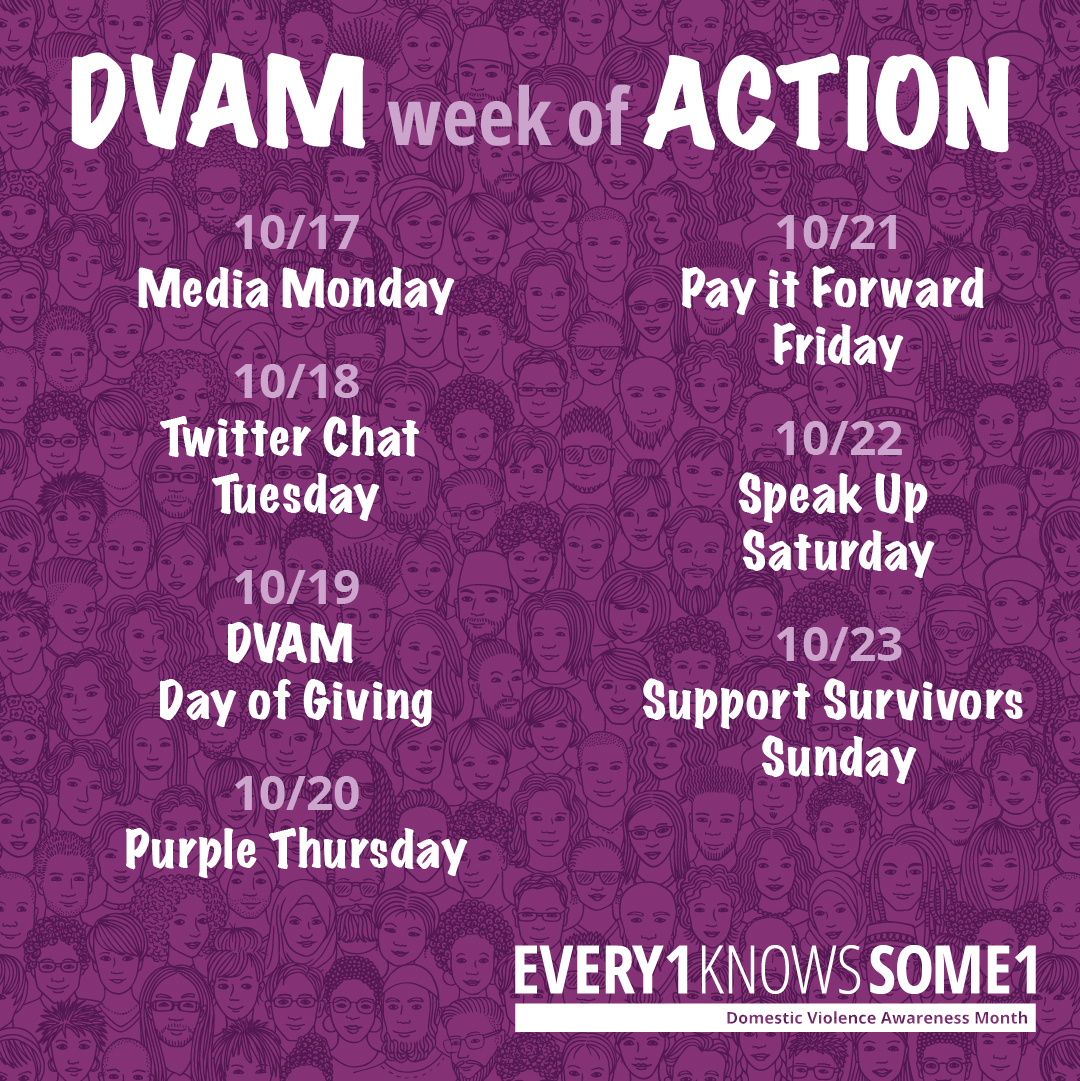
This fall ICADV is joining the National Network to End Domestic Violence (NNEDV) in their national combined campaign for Domestic Violence Awareness Month (DVAM) and #GiveForDV.
The campaign runs from October 1-November 30 with many opportunities for YOU to participate throughout!
➤ Show your support for victims and survivors by following our social media accounts and sharing the content we’ve already prepared with your own networks throughout the month of October with the hashtag #Every1KnowsSome1.
➤ Having informed conversations about domestic violence requires understanding what it is—that it’s much more than physical abuse—and why ‘just leaving’ isn’t so simple for survivors. You can learn more by visiting https://www.ilcadv.org/what-is-domestic-violence/. Supporters like you can help educate your friends, families, and communities, and get these conversations started!
| |
➤ Participate in one (or both!) of the official #GiveForDV Days of Giving (during the DVAM Week of Action on October 19 or GivingTuesday on November 29). On these respective days of giving, you can make a donation that directly impacts survivors – and encourage your friends and family to join you with your own mini campaign!
As a society, we all have a role in changing the narrative about what domestic violence is, to whom it happens, and how we can support those who are experiencing it, and, ultimately, prevent it entirely. #Every1KnowsSome1 who is impacted by domestic violence, and Every1 has a part to play in supporting our work to end domestic violence.
Thank you for joining us in the work to end domestic violence in Illinois.
| | Together We Can Be the Voice of Change | | | |
Address:
806 S. College St.
Springfield, IL 62704
Phone:
(217) 789-2830
| | | | |