|
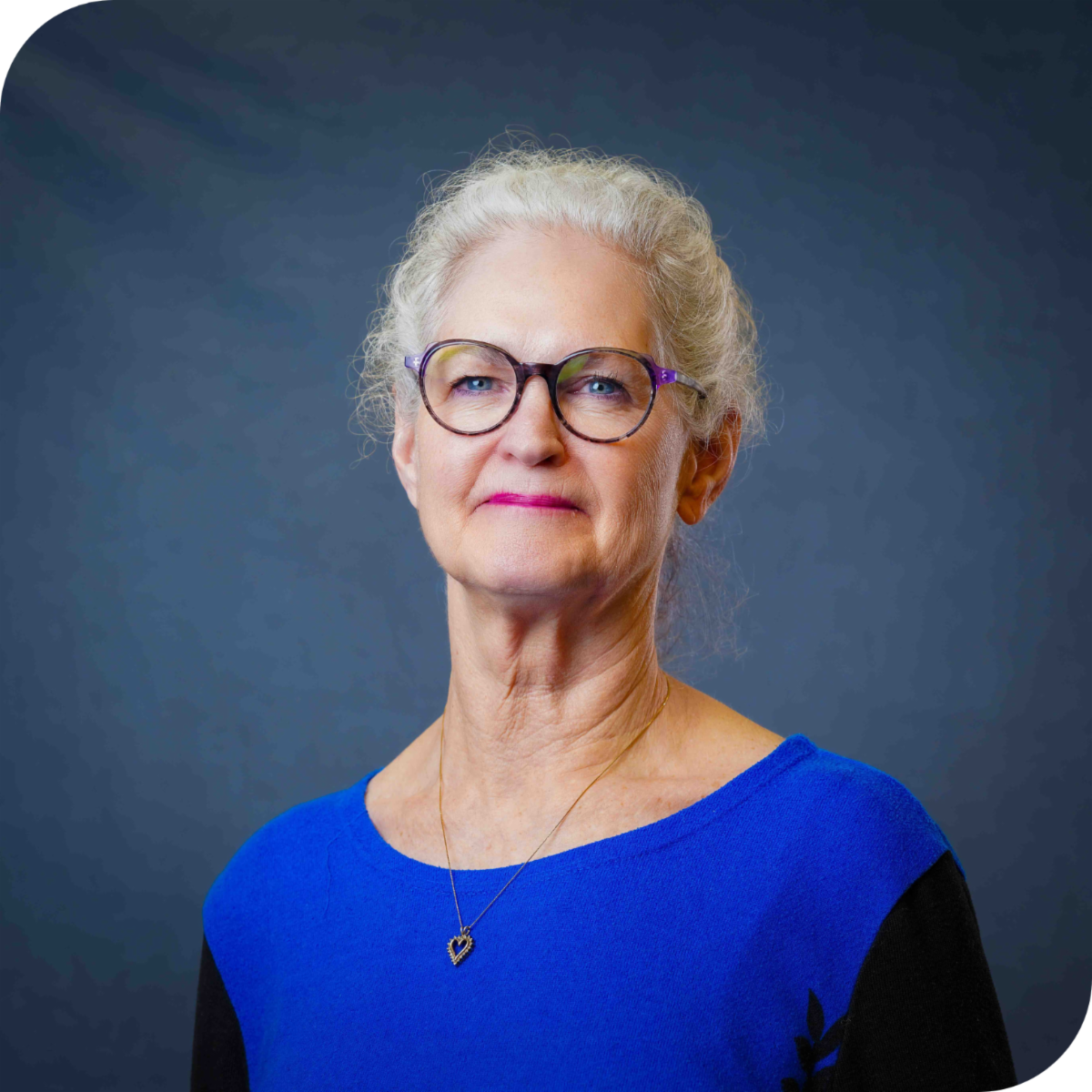
From the Desk of Vickie Smith | |
Change is always hard even when it is for the right reasons. As humans we are most comfortable with what we know and adjusting to anything new takes time. But change is also a time for reflection and re-evaluation to determine how to improve.
ICADV is facing some important transitions in the next few months as I prepare to retire, and the Board is working to find a new CEO. I have been the CEO now for 15 years and many of our members have only known me in this position. Except for one staff member, no one who works at ICADV has known a different leader.
This edition of For Better Times is about transition. You will read about a member program director who is also getting ready to retire, the evolution of her agency and what she hopes will happen once she has left. You will also read about our current Board chair who will be leaving at the end of the next calendar year.
Some change has already occurred here at ICADV. We have grown tremendously over the past year and a half by doubling in staff size. This means we have dramatically increased the amount of training, education, and outreach we are able to accomplish.
Growth and the capacity to increase output often comes with stumbles along the way. Even the best laid plans can go awry if not carefully monitored and evaluated as the plans take shape. One thing I am so proud of at ICADV is our ability to flex and pivot when necessary. We can’t afford to get stuck in “this is the way we do it” mindset. We are always seeking knowledge about what survivors need and what our member agencies need to be accessible and available.
After living through COVID and its changes to the way we work and live, watching multiple devasting wars around the globe, dissension, and disagreements here in the United States, we must keep adapting but remember our core goal: ending violence in all its manifestations and work toward safe homes for all.
As you get busy with the holidays, end of year activities and think about going into the new year, please consider supporting ICADV in its mission to build networks of support for and with survivors, and advance statewide policies and practices that transform societal attitudes and institutions to eliminate and prevent domestic abuse.
| |
Vickie Smith
President and CEO
| | ICADV Welcomes New Staff Member | | Get to know the most recent addition to our team! | |
| |
➤ Coffee or Tea: Pepsi (primary caffeine source) or water
➤ Dogs or Cats: We have a dog (Sapphire), a cat (Churchie), and we had a pet turtle named Rocket.
➤ Cubs or Cards: I enjoy watching and attending Blackhawks hockey games.
➤ Favorite Season: Fall – I enjoy walking around Legion Park along Sugar Creek as the fall colors begin to appear. Love the sound of crunching leaves when I am walking on a trail.
➤ Three Words to Describe You: Loyal, Loving, Silly
➤ Favorite Quote: “If you want to test a man’s character, give him power.”
-- Abraham Lincoln
| | |
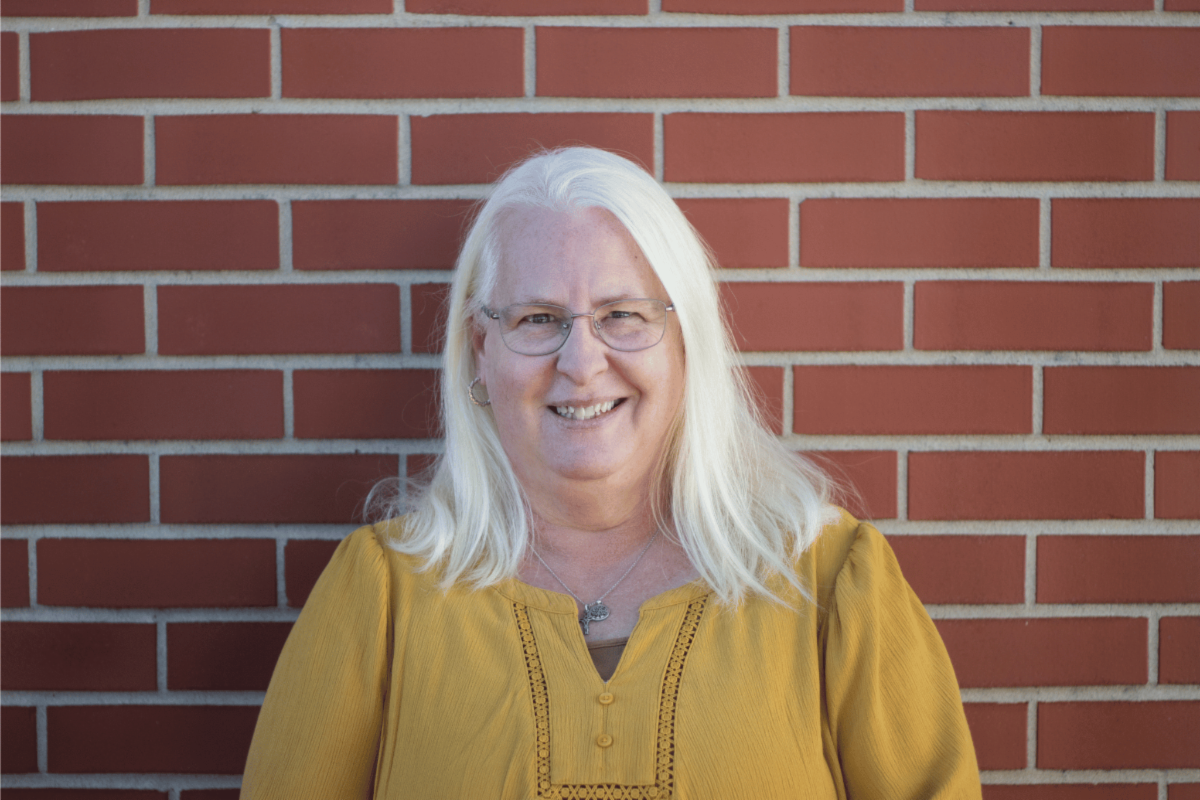
Jody Stoops
she/her
Fiscal Monitoring Coordinator
| The Fiscal Monitoring Coordinator completes the review of passthrough grant budgets and conducts fiscal monitoring reviews for the pass-through funds. They review subrecipients’ capacity for successful implementation of fiscal management of those grants ensuring ICADV’s ability to maintain compliance and continued funding. This position also helps carry out the mission of ICADV by helping funded agencies identify areas where financial and administrative requirements associated with a specific funding source may need improvement. | |
➤ Favorite Book: Tuesdays with Morrie by Mitch Albom
➤ Fun Fact About You: I used to work in a medical lab as a Phlebotomist.
➤ Why ICADV?: The remote, flexible schedule is important in caring for my Mother.
| | | | |
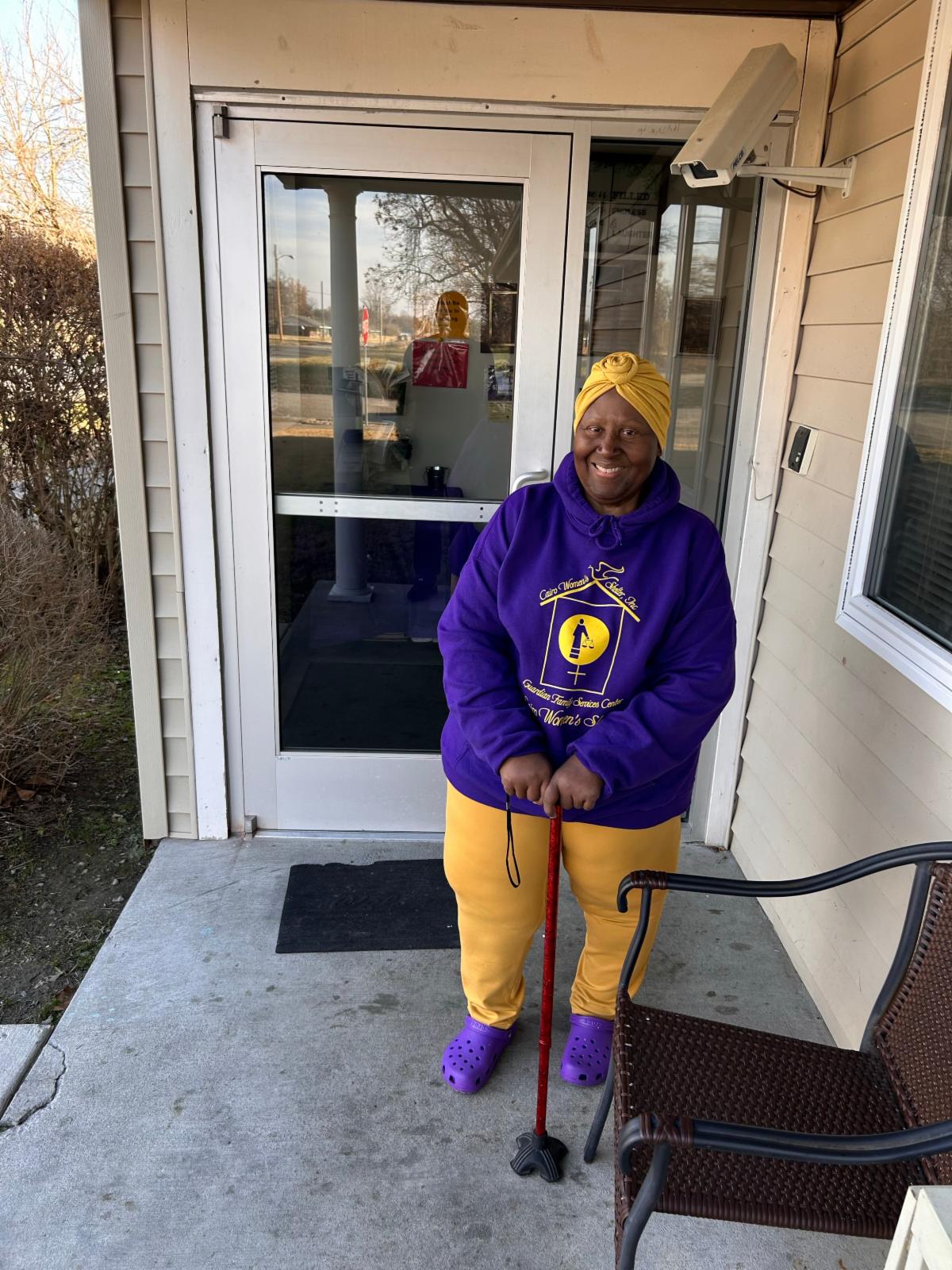
Jeannine Woods, Executive Director of Cairo Women’s Shelter (CWS) is retiring next June. CWS is located where the Ohio and Mississippi rivers meet. CWS also operates a 24 hour shelter in Metropolis and they collectively provide services to those experiencing domestic violence in Alexander, Hardin, Massac, Pulaski, Pope, and southern Union counties. If you pull up a map of Illinois, you will see two little fingertips in the southernmost part of our state. Cairo is on the western finger and Metropolis is on the eastern finger.
The idea for CWS started in 1981 when previous Alexander County Sheriff Warren “Buddy” Mitchell was taking victims to his home because there was no other place for them to go. Conversations were started with Community Health and Emergency Services, Inc (CHESI) and the program was opened on March 1, 1982, coinciding with the effective date of the original Illinois Domestic Violence Act. The shelter had been housed in a Victorian house but with the help of the Poshard Foundation and many donations of money and services the current shelter was opened in December 2003. They were providing services in Alexander, Massac, Pulaski, and Union counties.
Because Metropolis was a larger community and an hour away, CWS was also providing services there. When the Harrah gambling operations arrived in Metropolis a group was ready to begin operating a shelter under the name Guardian Family Services Center. However, they were unable to continue and CWS absorbed the program to continue with 24-hour shelter and other services. CWS now also provides services to the southern half of Union County as well as Hardin and Pope Counties.
| | |
Jeannine started working at CWS on January 2, 1982. She became the Executive Director on November 1, 1990. When she started at CWS, she really thought she wouldn’t be there long because she was convinced (as many of us were) that they just needed to let the public know what domestic violence was and then everyone would want to help end it. She was always a very active member of ICADV and never hesitated to remind us all of the challenges of advocating for victims in very southern, very rural Illinois.
I was curious about her thought process for deciding to retire. She has had some health challenges in the past few years. A lot has changed with how advocacy is done. The ideas and concepts for helping survivors and moving to prevention remain the primary work but technology has added a layer that helps but also requires constant learning. The work to get financial resources has also become more complex and requires more time and attention. She concluded that it is time for newer energy and flexibility to move into her position.
She wants to leave CWS in good hands. She says she has done the best she could while recognizing areas that were not her strengths. For the future, she is hopeful that CWS and the new leader will be able to engage more with the community and do more public speaking and education about DV and the services provided by CWS throughout their area. Jeannine is hopeful that the community will learn more about services being available to all survivors at CWS, including male victims of DV. She is hopeful that CWS can revise the services for the abusers so that there is a more wholistic approach to ending DV. She is also hopeful that services for victims of sexual assault can be instituted in the area.
Jeannine looks forward to more time with her family, being able to travel, being more active in her church and community and “make a few memories before its too late”.
| |
Jeannine Woods, Executive Director,
Cairo Women's Shelter
(standing outside of the Cairo location)
| | |
Changes in the Movement on Inclusion and Belonging
by Chloé McMurray, Chief Capacity Building Officer
| |
That buzzword: DEI. What does it mean to you? Does it mean a box checked off for a grant? Does it mean another training? Or does it mean an active effort to analyze your biases and under the lens through which you see the world?
DEI is (sadly) becoming a buzzword and folks are not investing the kind of time for the deep conversation and thoughtfulness that true equality demands. But the DEI work at ILCADV and work to do our best for all survivors is about this: belonging. Think about what you need to have that feeling. Think about what it feels like not to belong, to be excluded, to go to check a box and not having one. Let me share this story with you that I think illustrates true belonging:
I have an aunt who could probably be nominated for Sainthood. She is kind and selfless, thoughtful and intentional. About ten years ago, I stopped eating red meat and pork. And about five years ago, I met my wife who was a vegetarian. For Christmas one year, my aunt got her nieces and nephews a “Christmas Morning Breakfast Kit.” It’s got pancake mix, syrup, jellies and jams, frozen biscuits, bacon, and all the other breakfast fixings. It’s a ready-made kit she buys from the store. However, the year she did this, she went the extra mile to custom make mine with turkey bacon. Not only this, but she also bought vegetarian sausage for my wife. She didn’t buy a ready-made kit and replace the meats—she made us our own. Meanwhile, I have other family members that, to this day, do not remember that I don’t eat red meat and pork.
What my aunt did—that is true inclusion and belonging. It is not enough to have diversity—to extend the invitation to breakfast. You must make everyone a seat at the table. This means making sure they have enough room, making sure they have a seat that gives them equal access to reach every part of the table where the food lies, plus the silverware and a nice view. It’s making sure you cook the foods they like and the foods they can eat. It’s getting to know each person at the table, not just holding the discomfort still in your body until they leave. It’s paying attention to the details of each person as a whole, not just as some “other” that you don’t know how to talk to.
Change is uncomfortable sometimes, but it is necessary for growth. It is necessary to be the kind of movement we have always been: to be intentionally giving voices to the voiceless.
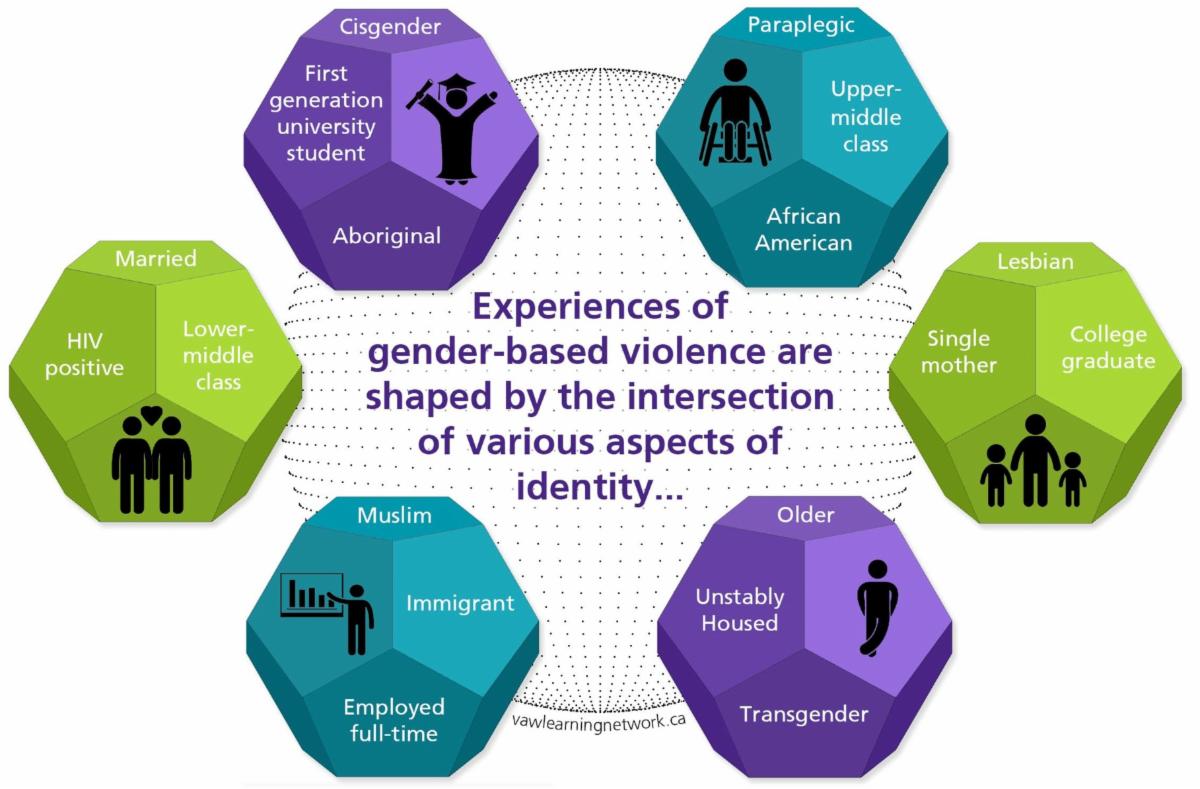
This kind of change might mean more effort, more work from us— but the lives of survivors depend on it. The lives of all survivors: BIPOC, non-English speaking, LGBTQ+, Muslim, Jewish, Hindu, Arabic, AAPI, prisoner of war, veteran, survivors and survivors with substance use disorders, mental health illnesses, disabilities—their lives depend on the services you provide. And if a survivor cannot be fully present with every piece of themselves, how much can we really help them? If a survivor is holding back part of themselves—expending energy to hide themselves—how can we expect them to fully show up?
| |
Does that mean we all need to be experts in everything? No. I am firmly against the phrase “culturally competent.” No one can ever be culturally competent. But what we can all be is culturally responsive. We can be willing to ask the hard questions, learn something new, and advocate for what each survivor needs. Acknowledging these multiple facets of a person’s identity allows them to lower their walls, be fully present with their advocate. Being culturally responsive means having cultural humility: a mind-shift and long-term commitment to diversity, equity, and inclusion work. Being willing to acknowledge the levels of discrimination survivors face enables better crisis response services—it’s that simple.
Here at ICADV, we are committed to deepening our understanding of empathy, of intersectionality, of holistic approaches to gender-based violence. We are not perfect. We try every day to help undo harmful rhetoric and fight for everyone’s humanity. We developed an internal DEI committee that puts together a bimonthly newsletter featuring important information about the latest DEI efforts going on at programs, the state, the nation, and even the world. We developed our brochures into 13 languages. These things are not triumphs for which we should pat ourselves on the back. They are simply the start of being more inclusive.
As part of organizations that prevent and treat harm, we must make sure we are treating all harm. We cannot stay quiet when hate is loud. We cannot sit back while harm is done. Our missions are only as strong as the individuals who dedicate themselves to them. So, let’s be intentional. Let’s invest in the survivors we serve. Let’s fight for purpose and create a culture of belonging. And let’s continue to learn, adapt, and grow, so our organizations can continue to be beacons of light in our world.
Best wishes to you and happy holidays,
Chloé
| | | |
Board Member Spotlight
Maria Doughty
| | |
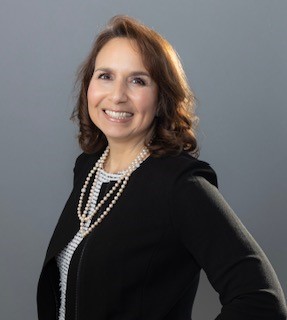
Maria Doughty joined ICADV’s Board in 2016 after Vicky Dinges retired. Both had come to the Board as representatives from Allstate. Maria became Board President in 2019 and will remain in that role until December 2024, overseeing the transition of CEO. Maria worked at Allstate for 23 years overseeing global public policy and then managing regulatory investigations and examinations. She became the Executive Director of Chicago Network, a nonprofit committed to empowering women to lead. Her one piece of advice: don’t start a major career move like this at the height of a global pandemic!
Maria is first generation born of Italian immigrants. She didn’t speak English until she went to kindergarten. She recognized very early how she could use her voice to advocate for herself and for her family. When she graduated high school, she wanted to go to college far away from home so ended up at Emory University in Atlanta, Georgia. It provided her with opportunities that she had been shielded from, including participating in marches for civil rights. She attended St. Andrews in Scotland and then back to Emory for law school. When she was a freshman at Emory she interned for Jimmy Carter as he was opening the Carter Center.
Her love of advocacy and learning led her to volunteer on hotlines and in shelters when she was in college. She developed a love for servant leadership. Maria feels it is very important to pass on what she received because she feels she would not have accomplished all that she has if not for the mentors, coaches and teachers she has had.
| | |
Maria has always had a heart for being in the DV world. When she was the President of Junior League, they helped open the DV shelter in Evanston. When she was young, she was in a relationship that she realized would be very dysfunctional and she left it quickly. She has been married for 30 years in a very healthy relationship. At Allstate she was very proud of the focus on helping DV victims improve their financial abilities for a greater chance of escaping violent relationships.
Maria has given back by moving from direct service while in college to strategic planning and leadership through her civic efforts and now being on the ICADV Board. However, she feels that when her term ends next year, she is ready to go back to providing direct services in some way. As she says, DV is in her heart and she will always be involved. We agreed that DV won’t end in our lifetime but we both know that we are building on a foundation where future leaders will end DV.
| | |
Language Access and Resources
for All Survivors
by Oyindamola Olawepo, Communications Coordinator
| | |
There is that popular saying that ‘change is the only thing that is constant in life’; in all our lives, we all experience this differently. As an individual, I have experienced a lot of change myself, and one of the biggest is when I left my home country (Nigeria) to study in the United States. While studying and living in the States, one of the most constant questions and remarks I got was how good my English is, and I must explain that I have been taught in English from my pre-school days, and I learned in English until I was done with my Undergraduate Studies (mostly going on a tangent about that). I am multilingual but there are lots of languages in the world that we might not have access to due to where we live.
The United States is considered the melting pot of the world, and people from various parts of the world are represented here. Some, like me, have experience with English, while others come with little to no knowledge of the English language (fun fact they are multilingual, and English is just not one of their languages). These people may also experience domestic abuse, and one way or the other, may have trouble understanding or relating the issue without a working knowledge of English. Or they may not even completely know their rights due to the language barrier, lack of education on U.S. laws, or lies told to them about their immigration situation (different conversation - we will not dwell too much on that). Having materials available in multiple languages is a huge asset that enables survivors to be properly informed without inference or misinterpretation.
| | |
At the Illinois Coalition Against Domestic Violence (ICADV)), we have had our brochures translated into 13 languages (English, Spanish, Hindi, Vietnamese, Polish, Korean, Simplified Chinese, Traditional Chinese, Urdu, Tagalog, Arabic, Russian, and Gujarati). Now in my role at ICADV, I am excited to see language inclusivity. If you do not know, all our brochures are available in 13 languages online and now all 13 have been printed and hard copies can be ordered.
You may wonder how the languages were chosen; they were picked from the Census of the most spoken languages in the State of Illinois. Would you believe that outside English and Spanish, the most spoken language in Illinois is Polish? Check it out: The Most Spoken Language in Every U.S. State (Besides English and Spanish). As it has been proven that Polish is the most spoken language other than English and Spanish in Illinois, you may be wondering if we are done translating and the answer to that is ‘NO’. As previously mentioned, there are lots of languages that we still need to translate our materials into to give as much representation as we can, and we will continue, to the best of our abilities, to ensure that resources are made available and inclusive to all who need them.
Feel free to reach out to us if you are interested in checking out resources in various languages (the ones we already have) and if you have a need for a language we do not yet have, we will do our best to find that resource for you via our vast network of sister coalitions and other partners. We are all about "One Mission, One Voice" – in as many languages as possible.
| | |
ICADV's Annual Meeting
Voices of Reflection and Change
| | |
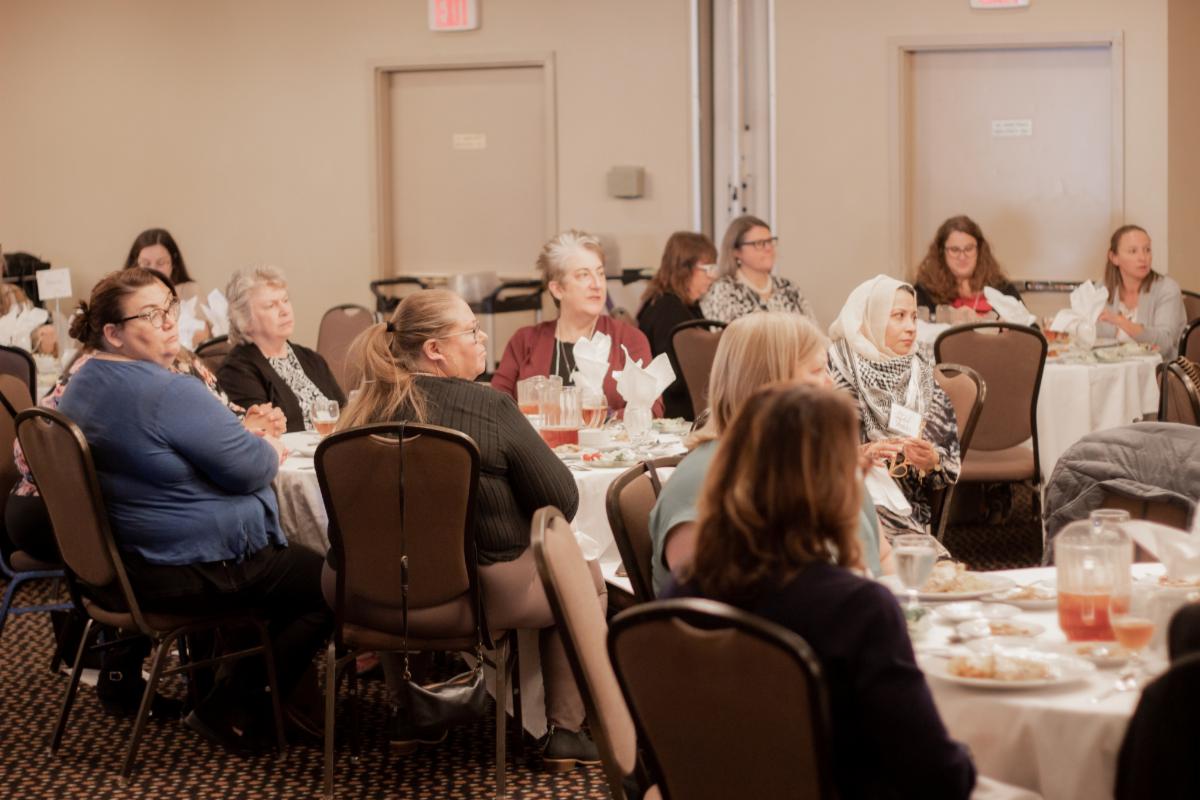
On November 16, 2023 representatives from our member agencies located throughout Illinois were joined by ICADV board members for ICADV’s Annual Meeting and Luncheon. This is always an exciting point time to reflect on the successes – and challenges - in the most recent year and look ahead at the challenges we face as we imagine new strategies and envision the change we want to make in the coming year to make Illinois safer for families.
| | |
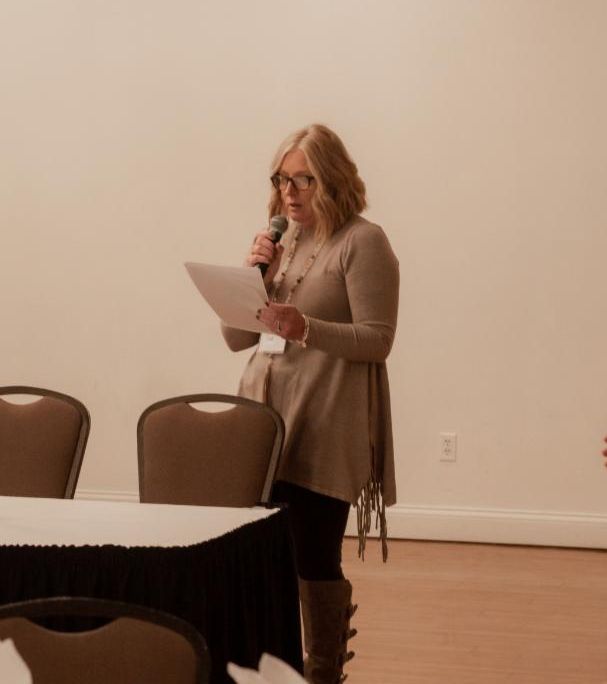
Pam Kostecki, Convener of the ICADV Program Council, acknowledged the incredible resilience the individuals working tirelessly in communities throughout the entire state – 24 hours day, 7 days a week, 365 days a year. This was a year of incredible growth and agencies experienced even more change on the heels of the COVID 19 pandemic, yet they continued to thrive. They prioritized building their agencies’ own capacities to create and maintain a sustainable workforce that is diverse, equitable and inclusive so collectively they are better able to meet the diverse needs of all survivors who need their support. As ICADV embarks on another year of change with the retirement of long-time President/CEO, Vickie Smith on the horizon, Pam reminded ICADV members to…
“…Continue to be warriors, continue to do all the good you can. By all the means you can. In all the ways you can. In all the places you can. At all the times you can.
To all the people you can. As long as you can !”
| | |
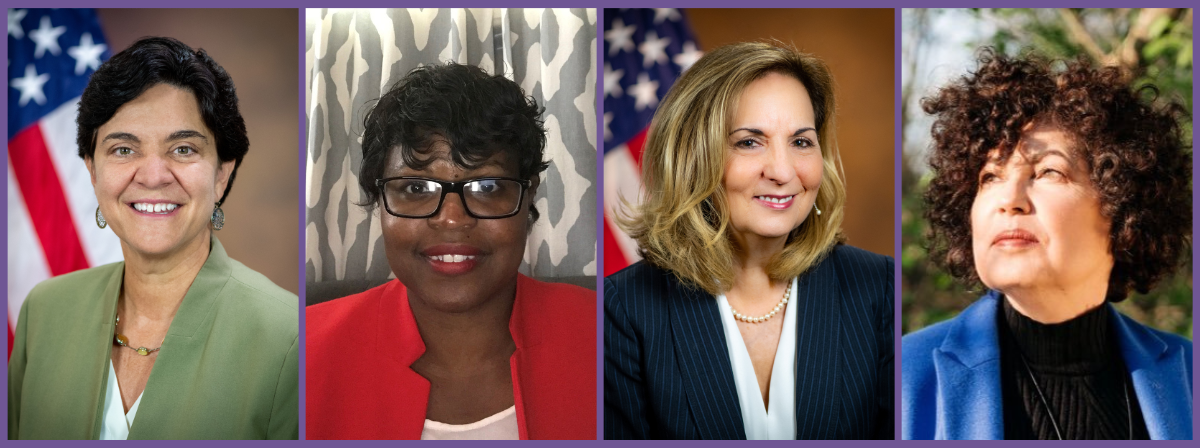
We were honored to be joined by the leaders of the federal agencies that support our work:
- Rosie Hidalgo, Director of Office on Violence Against Women;
- Shawndell Dawson, Director of Office of Family Violence Prevention and Services Program;
- Kristina Rose, Director of Office of Victims of Crime; and
- Lynn Rosenthal, Director of Sexual and Gender-based Violence at the Department of Health and Human Services.
| | L to R: Rosie Hidalgo, Shawndell Dawson, Kristina Rose, and Lynn Rosenthal | | Each shared their path to their current position, their vision for the work they are doing, and what we as advocates can do to support them. Collectively, these four leaders have decades of experience in advocacy at the ground level before landing in their current positions. They each requested ongoing feedback from the field to inform them of the work they do in their agencies and across the federal government. A big thank you to Directors Hidalgo, Dawson, Rose, and Rosenthal for spending the afternoon with us. | | Each year the Board of Directors takes a few moments at the ICADV Annual Meeting and Luncheon to honor the domestic violence direct service staff and volunteers who demonstrate the spirit of true advocacy, and who work to make a difference in the lives of survivors, showing respect for the dignity, worth, and humanity of each individual; those who go above and beyond every day to meet the needs of survivors. While there are hundreds of advocates and volunteers throughout Illinois embodying the true spirit of advocacy, being the change makers of Illinois, this year, the board honored the following Champions (click each name to read more about that Champion): | | Together We Can Be the Voice of Change | | | |
Address:
806 S. College St.
Springfield, IL 62704
Phone:
(217) 789-2830
| | | | |