The content in this preview is based on the last saved version of your email - any changes made to your email that have not been saved will not be shown in this preview.

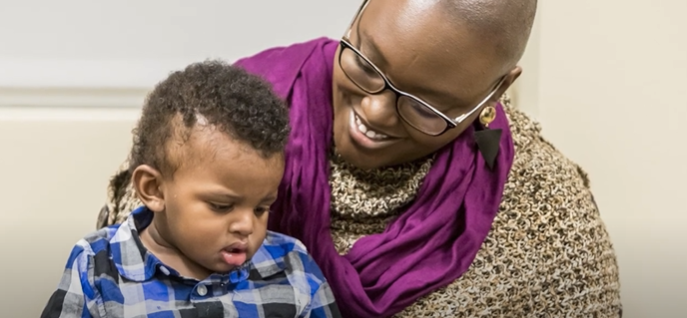
Greetings – May is National Foster Care Month—a time to honor foster and kinship caregivers who open their hearts and homes to children. This month encourages us to champion policies and practices that enhance the well-being of children and youth and reinforce the support systems that caregivers and young people need


The Duke Endowment’s Child & Family Well-Being program area partners with public agencies and private organizations to prevent, treat and mitigate the effects of child maltreatment to improve outcomes for children and families at imminent risk of involvement or currently in the child welfare system.


*To ensure that this newsletter keeps reaching your inbox, please mark this email as "not spam."


Tamika Williams, Director  

Christina DiSalvo, Senior Program Officer  

Kate Gaskin, Senior Coordinator


View this newsletter in browser

The State of Foster Care in the Carolinas


There are more than 11,000 children in North Carolina and 3,000 children in South Carolina in the foster care system as of February 2026, with roughly 7,920 licensed foster parents in both states combined.


Recent data demonstrates, nearly 30 percent of children in foster care in the Carolinas were placed with relatives or kin, which is commonly referred to as kinship care. Foster parents and kin caregivers can experience challenges, resulting in 30-50 percent of licensed foster parents quitting each year due to a lack of consistent support, emotional burnout and system complexity. The loss of caregivers directly affects children’s outcomes and emotional and relational well-being, which are key factors in developing a sense of belonging and connection with peers and supportive adults.

What Can You Do: Join us in strengthening foster care

Continued investments in policies and practices that support foster and kinship providers, especially those that lift the voices of youth, are crucial to changing outcomes for children and families. Examples include:


The Power of Child Advocacy Centers


Child advocacy centers provide coordinated services for children who have experienced physical or sexual abuse, witnessed domestic violence or suffered severe neglect. They utilize a trauma-informed multidisciplinary team model that enhances safety, supports healing and promotes long-term well-being.


North Carolina’s 54 centers served more than 12,000 children and South Carolina’s 31 centers provided services to more than 14,000 children in 2025.


Funding reductions limit access to vital, no-cost services provided by child advocacy centers, including forensic interviews, child medical examinations and mental health care. These services are critical for investigating and prosecuting child abuse cases and ensuring children and their families receive the comprehensive support needed to heal from trauma.

This video showcases the value of child advocacy centers and the state networks that support them.


Since 2003, The Endowment has supported efforts to strengthen and expand child advocacy centers across the Carolinas, including recent grants to:


What Can You Do: Join us in supporting child advocacy centers

Increased investments in child advocacy centers ensure timely, essential services for vulnerable children are provided.

In the News


Please complete this brief survey to help us better understand and support your priorities.