This House Has Gone Viral! | |
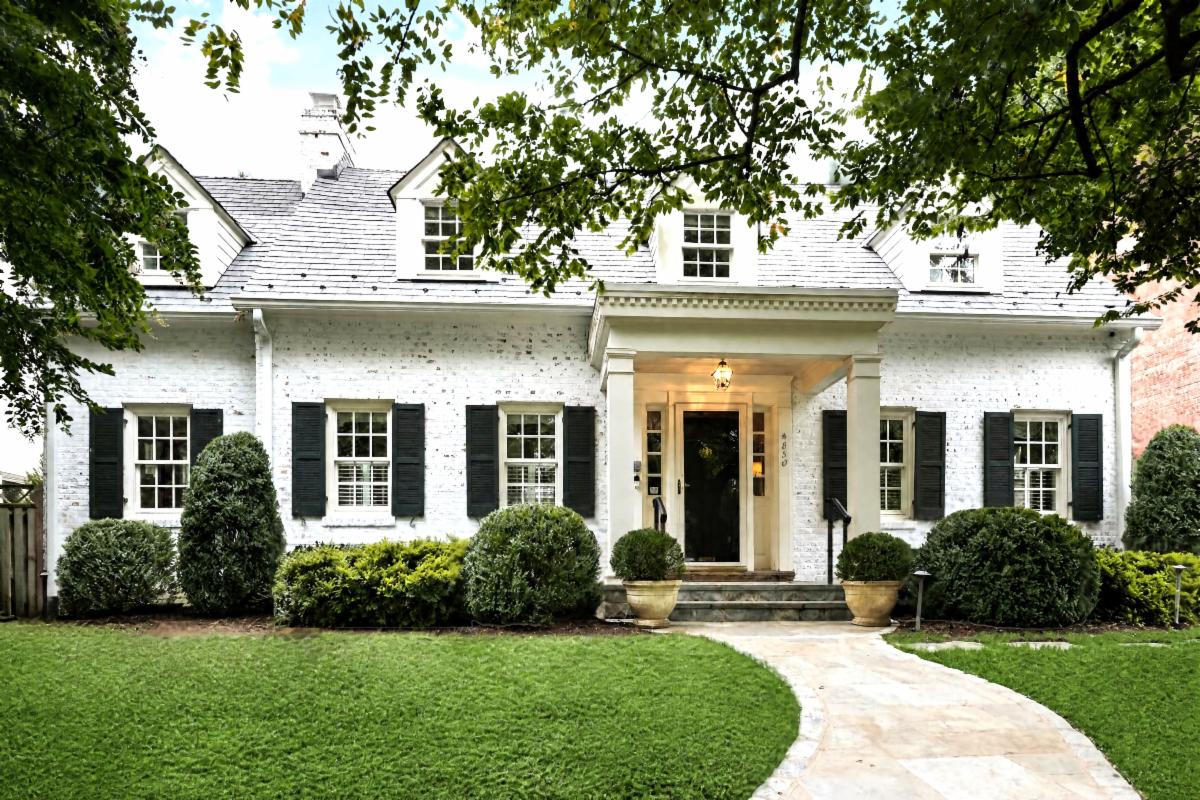
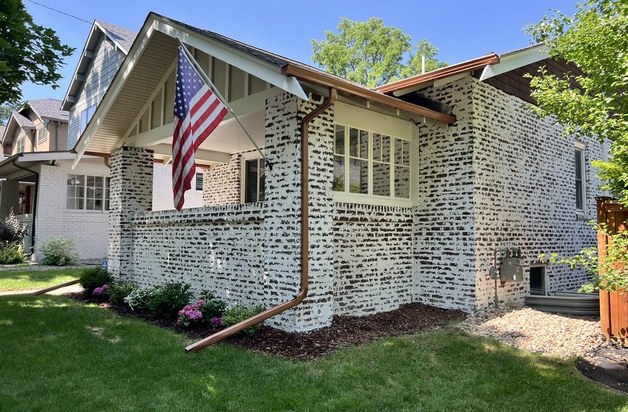
It is the white-washed brick people have fallen in love with.
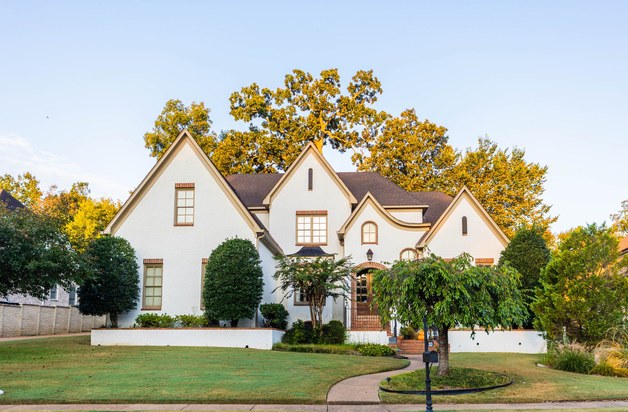
With so many brick homes across DC, Maryland and Virginia, here is a closer look at the details that give each one its personality.
| | | |
A finish changes the mood
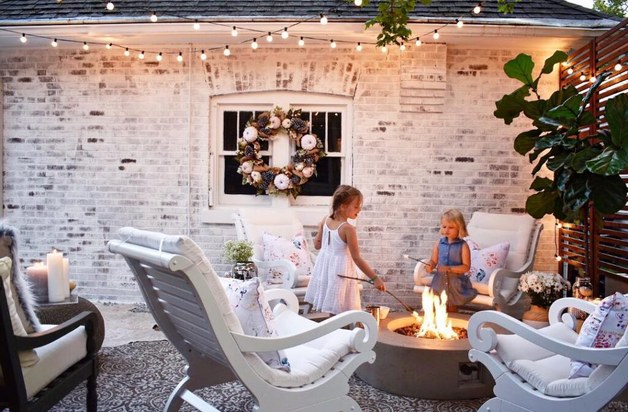
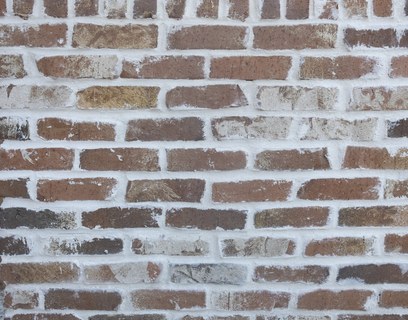
A whitewashed look can come from different treatments. The product—not the appearance alone—determines the care.
| |
| | |
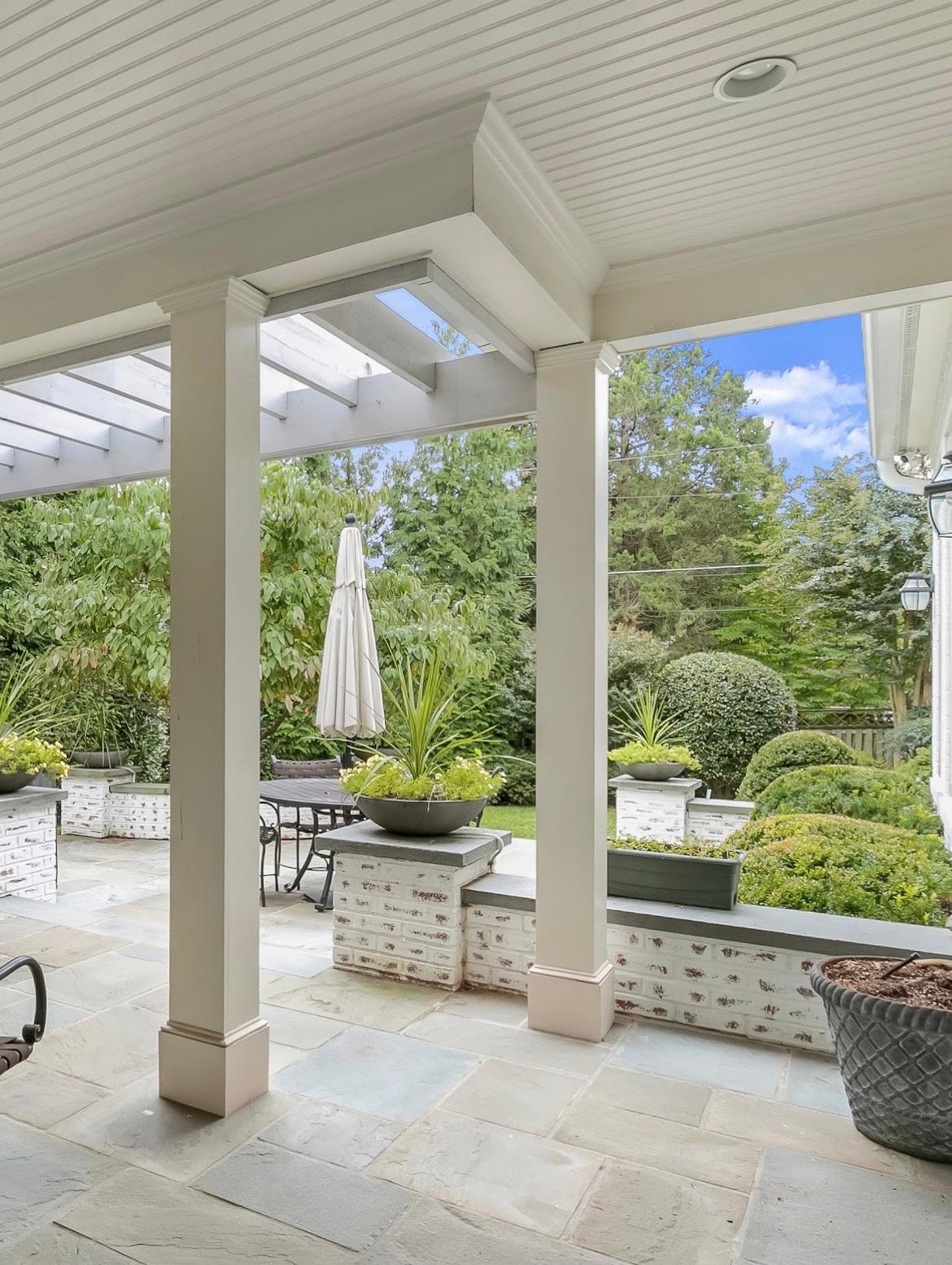
Whitewashed look
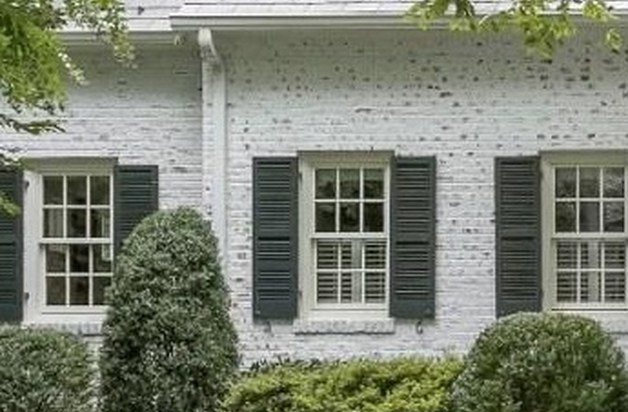
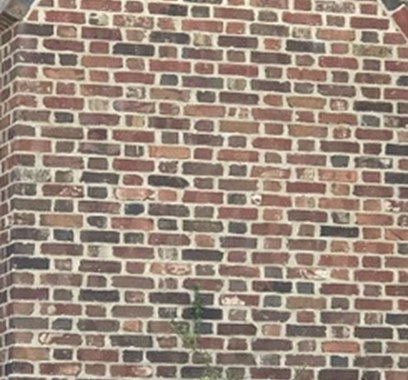
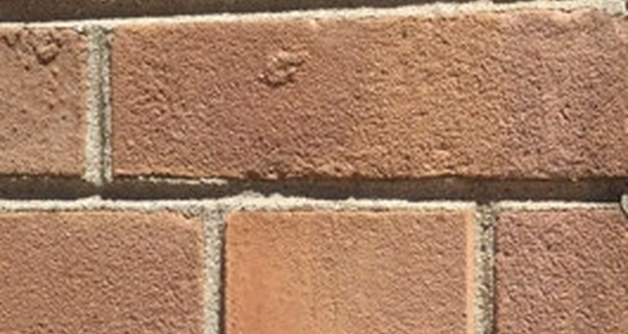
Butterworth’s brick: softened color with the original texture still visible.
| |  |
Limewash
A mineral finish with a matte, gently weathered appearance.
| | |
Painted brick
More uniform color and coverage. This example uses mineral masonry paint.
| | |
German schmear
Mortar spread over the face creates a textured, partly covered finish.
| | |
Texture sets the tone
Look at the edges as well as the face: they help a wall feel relaxed, rustic or tailored.
| |
| | |
Tumbled or rumbled
Softened, distressed edges create an aged character
| |
Molded brick
A soft-mud molding process gives the surface gentle irregularity.
| |
Smooth brick
Even faces and crisp edges create a more precise look.
| |
A palette beyond red
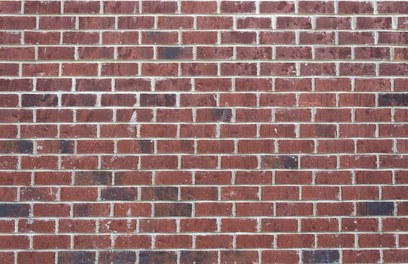
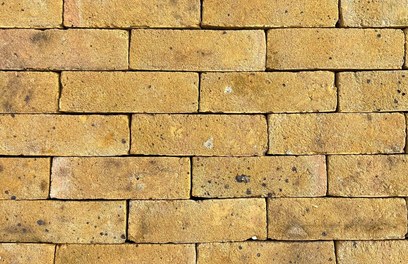
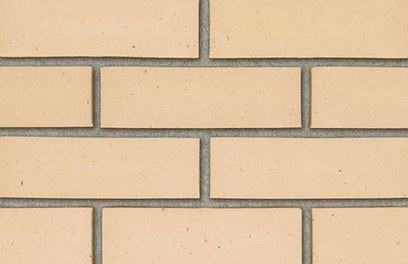
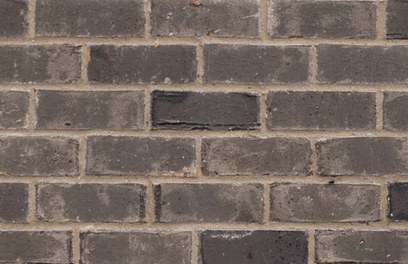
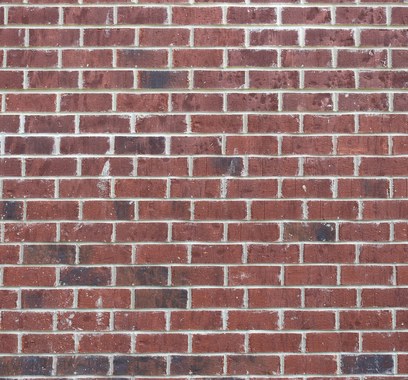
Clay, firing and factory finishes all influence color. Notice how each palette changes the feeling of the wall.
| | | | | |
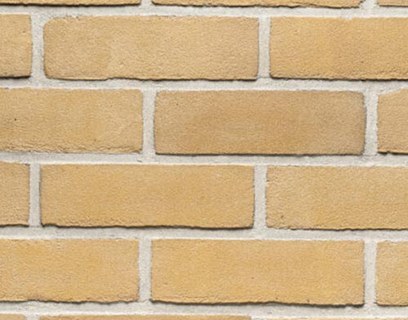
Yellow
Golden and characterful.
| |
Buff
Sandy and understated.
| | | |
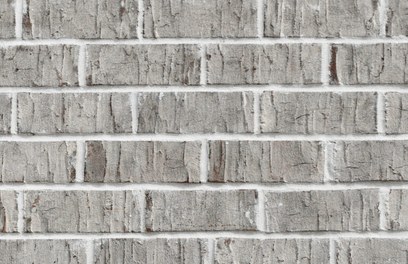
Gray
Cool and contemporary.
| |
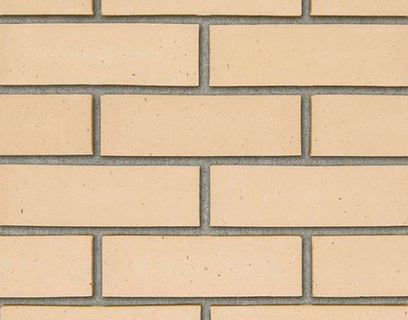
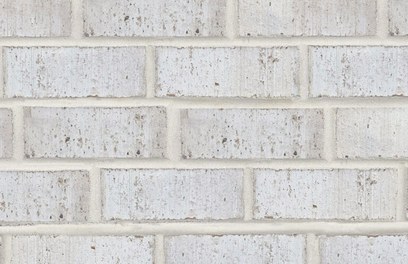
Cream
Soft and quietly elegant.
| |
The pattern has a name
The arrangement is called the bond. On a wall, it creates rhythm; underfoot, it can turn a path into a design feature.
| | | |
Running bond
Staggered rows, typically offset by half a brick.
| |
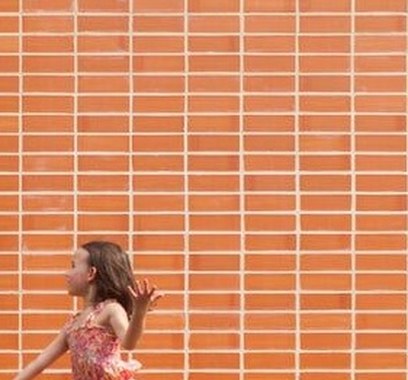
Stack bond
Vertical joints align to create a clean grid.
| |
Flemish bond
Long faces alternate with short ends in each row.
| |
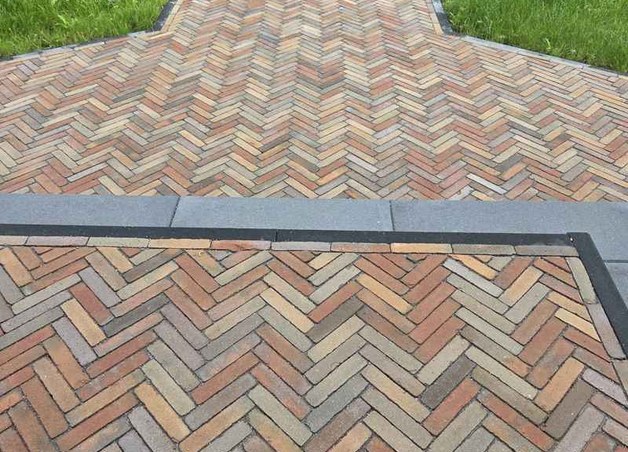
Herringbone
Rectangular bricks meet at right angles, making a broken zigzag.
| | |
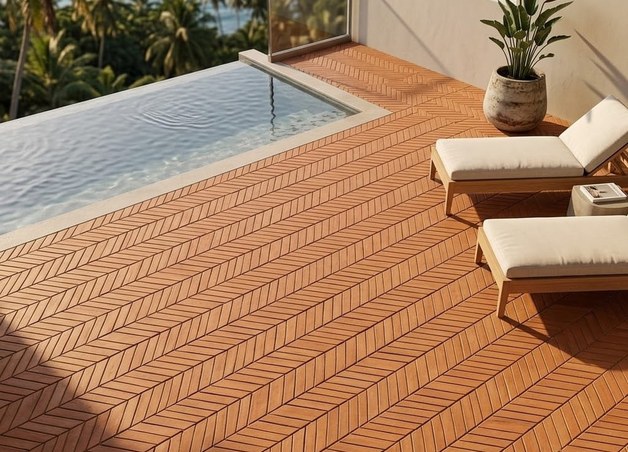
Chevron
Angled ends meet in continuous V shapes. Shown here in terracotta tile.
| | | The easy distinction: herringbone keeps rectangular ends; chevron needs angled ends. Both enliven paths and entries; herringbone also appears in decorative wall panels. | |
The detail between the bricks
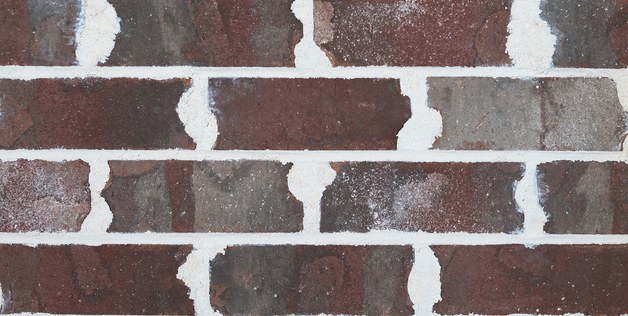
Mortar color and joint shape affect the whole wall. Pointing is the finish you see; repointing replaces deteriorated mortar.
| | | |
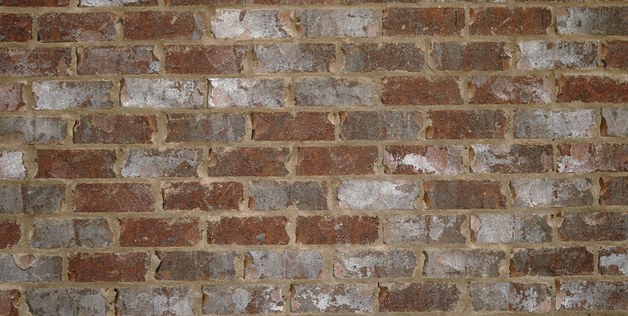
Blended mortar
A close color match lets the brick take the lead.
| | |
Contrasting mortar
Lighter joints outline each brick and emphasize the pattern.
| | |
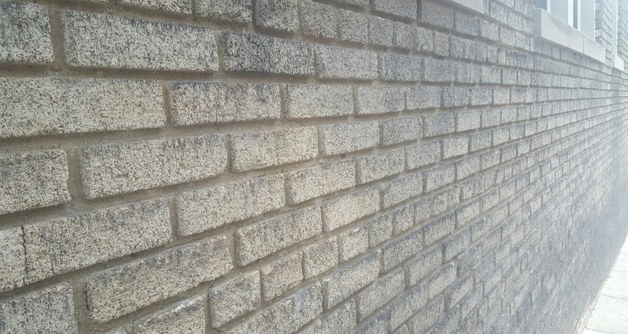
Flush joint
Mortar sits level with the face for a flatter surface.
| | |
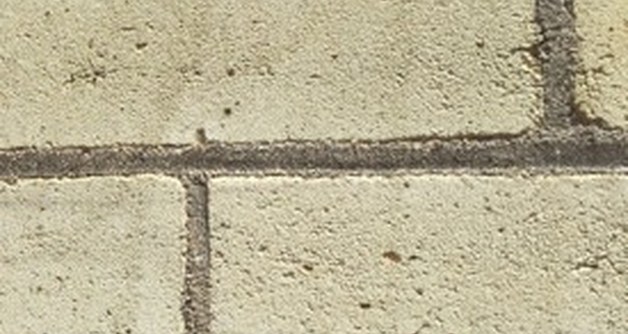
Raked or recessed
Set-back mortar creates stronger shadow lines.
| | |
Concave joint
A curved groove adds subtle definition.
| | |
V-shaped joint
An angular groove creates a sharper line.
| | | Beauty and performance: properly tooled concave and V joints resist weather well. Deeply raked joints need more care on exposed exterior walls. | |
Caring for Your Brick
Brick is durable and fire-resistant. Uncoated clay brick needs no routine repainting — but it still benefits from thoughtful care.
- Clean gently: avoid abrasive blasting and aggressive pressure washing.
- Repoint carefully: use compatible mortar and match the original joint profile.
- Manage moisture: keep gutters and drainage openings clear; choose compatible finishes that allow drying.
| | | |
The material matters
Clay brick is manufactured from natural clay and fired in a kiln. A brick-shaped product can be something else entirely.
| | | |
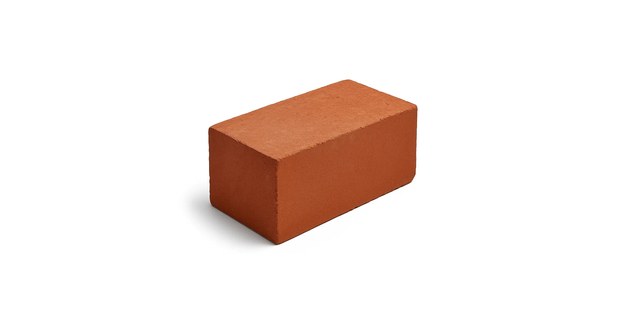
Full-depth clay brick
Traditional fired clay units, with the depth visible at the edge.
| | |
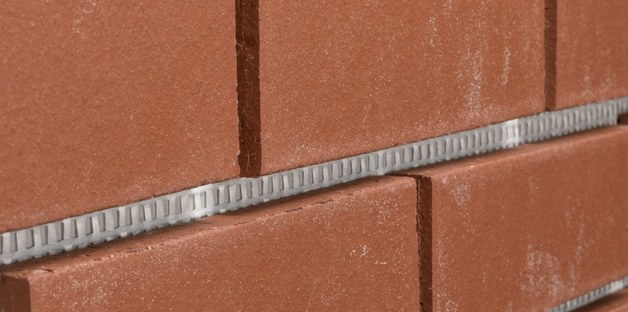
Thin clay brick
Real fired clay in a thinner veneer, shown before mortar fills the joints.
| | |
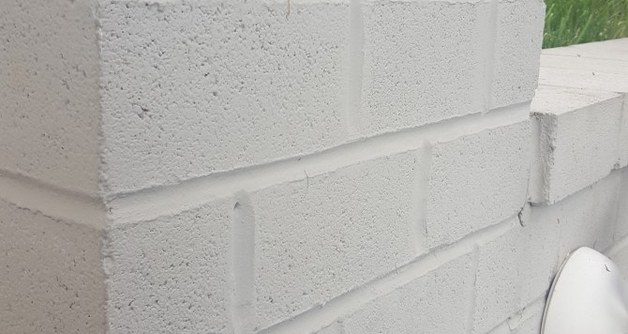
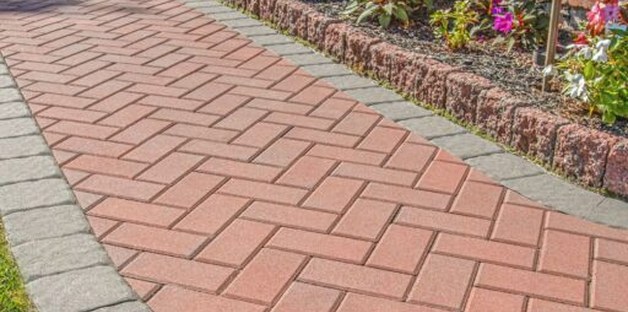
Concrete pavers
Cement-based units shaped like brick. Here, they form a garden path.
| | |
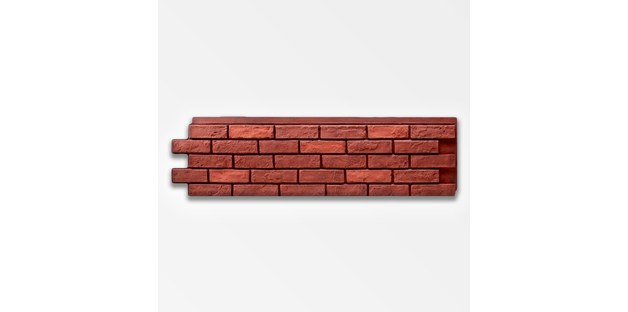
Polymer faux brick
Lightweight molded panels imitate brick; they are a different material.
| | | |
4830 Butterworth Pl NW ~ $1,995,000
Open House, October 11th
Sunday, 12-3pm
| | | | Follow @DarylJudy for the Most Up-to-Date Information | | |
CLIENTS BECOME FRIENDS
&
FRIENDS BECOME FAMILY
| | |