|
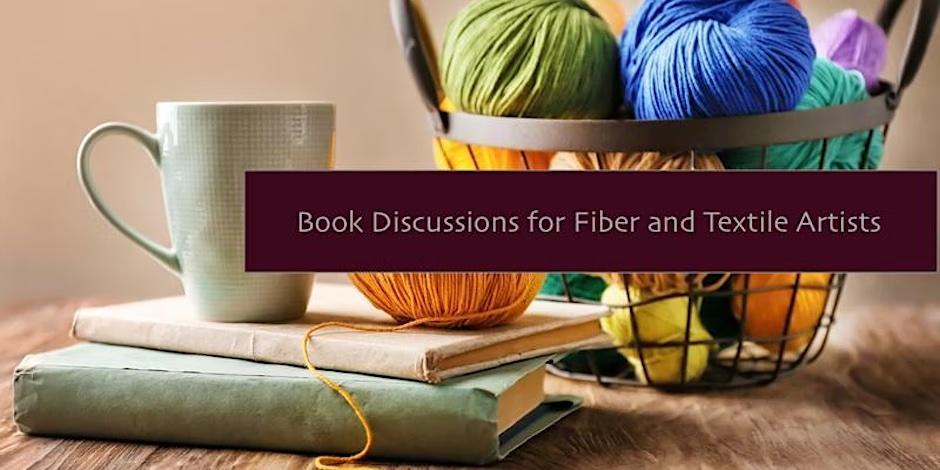
We recently had a chance to speak with Project Knitwell’s Executive Director Lauren Brennan about their exciting new Book Discussion series sponsored by the AHP. Each week participants will have the chance to share meaningful conversations about the fiber arts based on preselected readings. Their main objective, as Lauren explains below, is to inspire participants by exploring how the fiber arts impact our lives in both ordinary and surprising ways.
How did the idea to start a book discussion class begin?
One of the things about virtual programs nowadays is that the structure really matters. Book groups have been around for decades and offer a structure that makes a lot of sense to people. A book group is also a natural fit for extending the conversation about the fiber arts and how to think about creativity. I went to a book club on Michelle Obama's book, The Light We Carry. (In it, she actually writes about how knitting can be a tool for hope and resilience.) That experience was the impetus for our discussion group. We chose to call it our series book discussions because we want people to have the flexibility to plug into individual classes rather than committing to each month. We would love it if they could attend all of the sessions, but each book offers its own set of topics. There is also a broader accessibility issue that we hope to address with all AHP classes—that is helping people who are immunocompromised, dealing with illness or providing care find a sense of community. We also want to welcome people from a wide variety of backgrounds and perspectives who may be joining us virtually from abroad.
As a fiber artist, why is important for you to expanding knowledge of history and techniques?
As an artist, having the sense that you are innovating and creating something new and different is the real key to being passionate about your practice and feeling a flow of creativity. To do that, you need to know where you came from. Where did the industry start? What have other artists’ adventures looked like? How can you take a similar adventure? You always want to be thinking about what you can do that is innovative and exciting. Can we dye our own yarn? How can we figure out innovative ways to design knitwear that is inclusive, that allows for all possible body shapes and sizes? The benefits really lie in the process, and not just the product that you're creating. For our book discussions, two books, Vanishing Fleece: Adventures in American Wool in April and Wool: Unraveling an American Story of Artisans and Innovation in May, will give us really good insights into the full scope of how the fiber arts impact our economy and our lives. The books explore the debate surrounding fast fashion and its impact on the environment and present stories of innovations by artisans. I'm hoping that book discussions will feel timely and engaging and help us think critically.
If someone is new to fiber arts and is interested in starting a knitting practice how could the book discussion class help them?
I would hope that it would give them inspiration to inform their practice. The book discussions can build community and perhaps offer confidence by helping those interested in starting a knitting practice engage with other artists online. One of our primary goals is not just to work with those that are already invested in a creative practice, but also those interested in trying something new, which can actually be beneficial. We recently wrote a blog post on our website that shares research on how moving out of our comfort zones can release dopamine and stimulate new neural pathways. So, some of the readings emphasize the idea that knitting is good for our overall well-being. It can boost our self-esteem, our self-efficacy. Another example includes our first discussion on March 6 with author Ann Hood who is an expert on grief and on processing grief through creative outlets.
|