|
Why Storage Containers Make Sense for Landscaping Operations
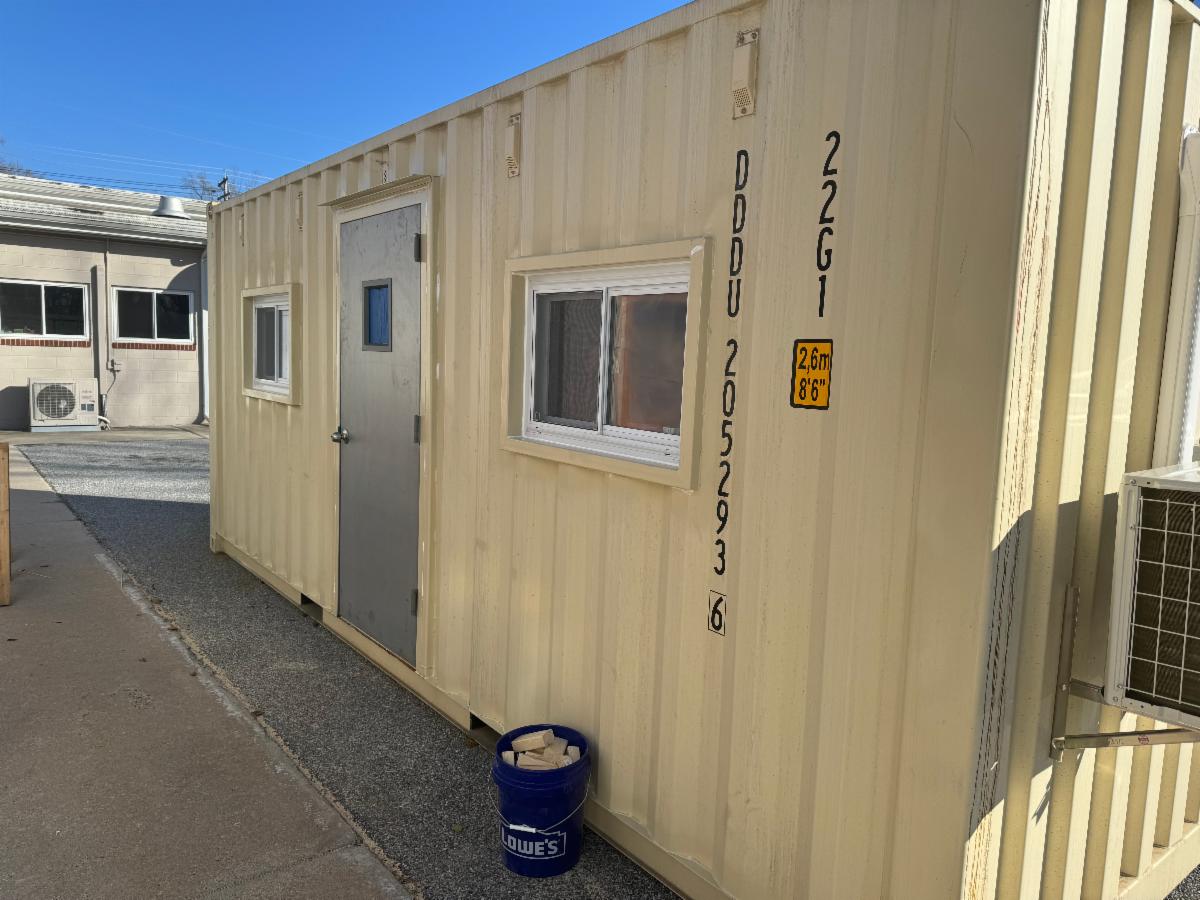
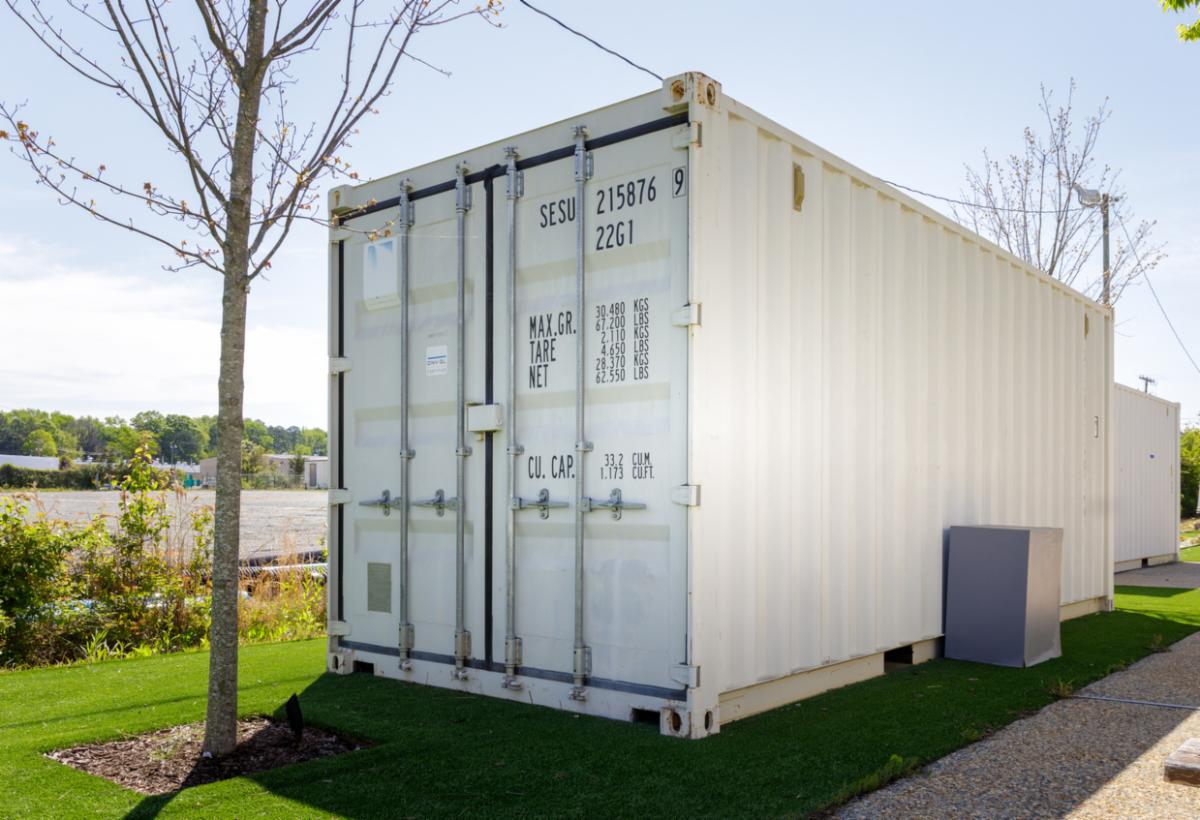
For landscaping businesses, organization and efficiency are just as important as creativity and craftsmanship. Rented storage containers quietly solve many of the day-to-day challenges landscapers face. From lawnmowers and trimmers to hand tools and safety gear, containers provide a secure, centralized place to store valuable assets overnight or between jobs. This reduces the risk of theft and weather damage while helping crews start each day knowing exactly where everything is.
Beyond tools, containers offer a practical way to manage materials and supplies that tend to pile up during the busy season. Mulch, soil, seed, irrigation components, and hardscape materials can be stored on-site or at a yard, protected from rain and sun. Having supplies staged and organized means fewer last-minute supply runs and less downtime for crews. For larger projects, containers can act as temporary job-site hubs, keeping materials close at hand and projects moving smoothly.
Rented containers also support operational flexibility as a landscaping business grows or shifts with the seasons. During peak months, they can absorb overflow equipment or support additional crews without the expense of expanding permanent facilities. Containers can be relocated as projects change, used to stage upcoming jobs, or dedicated to specific services like irrigation or hardscaping. This adaptability helps businesses respond to demand without locking into long-term commitments.
Just as important, containers can improve how a landscaping company operates in front of clients and employees. A well-organized, clearly labeled container on a job site signals professionalism and care, especially in commercial or HOA settings. Internally, containers can double as secure spaces for crew gear, maintenance supplies, or even shelter during bad weather. Over time, these small efficiencies add up—saving time, reducing stress, and allowing landscaping teams to focus on delivering great work rather than managing clutter.
|