The content in this preview is based on the last saved version of your email - any changes made to your email that have not been saved will not be shown in this preview.
Your Child's Journey: Transitioning from EI to ECSE
September 23 | 12:00-1:00pm
Online via Zoom
Is your child approaching age three? This free training helps families prepare for the move from Early Intervention (EI) to Early Childhood Special Education (ECSE).
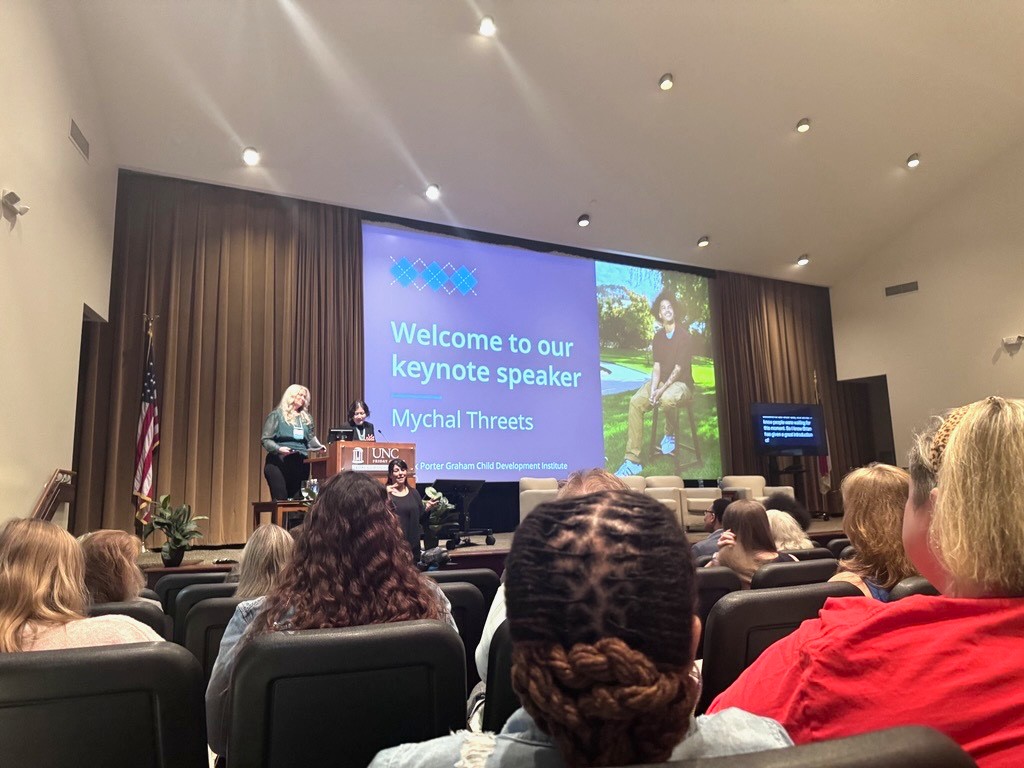
International Early Childhood Inclusion Institute Key Takeaways
This spring, Heather Olivier, FACT Oregon’s Deputy Director and Oregon aRPy Ambassador, had the opportunity to learn alongside early childhood leaders from across the country at the International Early Childhood Inclusion Institute. Here are some key focus areas this year:
Inclusion begins with connection, belonging, and listening to the voices of children, families, and people with disabilities.
Rightful presence means more than access. It means children are valued, supported, and able to build identity, confidence, agency, and self-advocacy from the earliest years.
When behavior feels hard, adults can “turn toward” children by focusing on connection, curiosity, and support instead of seeing behavior as the problem.
Powerful partnerships with families, communities, and change-makers are what help move inclusion from an idea into everyday practice.
Resources
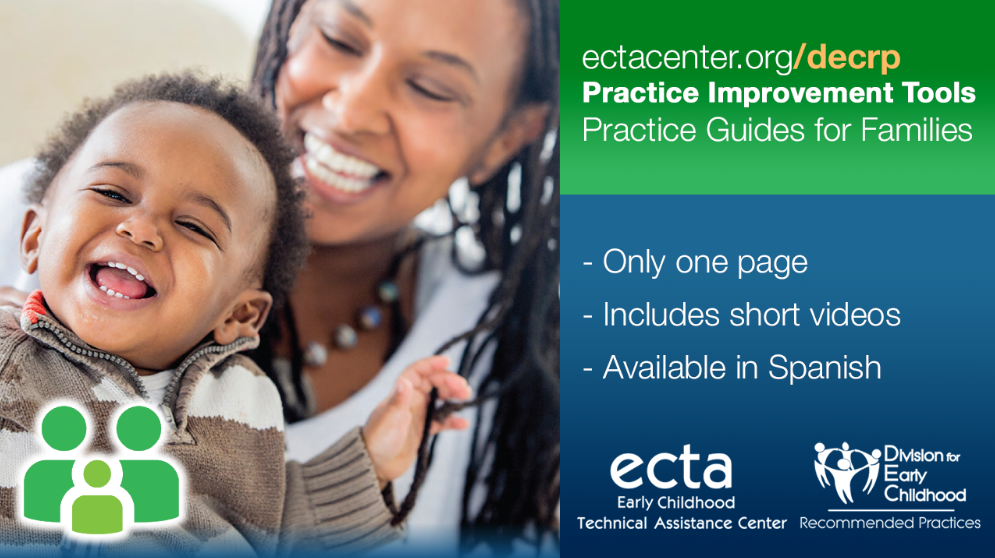
ECTA Practice Guides for Families
Kids naturally want to move around and learn through movement. When life gets busy, it can be tough to take time for this need. The ECTAprovides a great guide for supporting movement that you can build into routines and activities they already do!
Over 8 episodes, families can receive stories and tips on how they can build more stem learning into their everyday routines with kids! The series is run through the University of North Carolina Chapel Hill and Bridge Multimedia.
In a large study published earlier this year, researchers looked at data over time for more than 13,000 children. They found that early intervention (EI) services before age 3 were associated with better test scores later in third grade.
FACT Oregon is a team of peers that empowers families, youth, and communities to navigate disability systems, advocating together for disability justice and policy change so that people with disabilities have what they need to thrive at home, in school, and in their communities.